
Vegetables
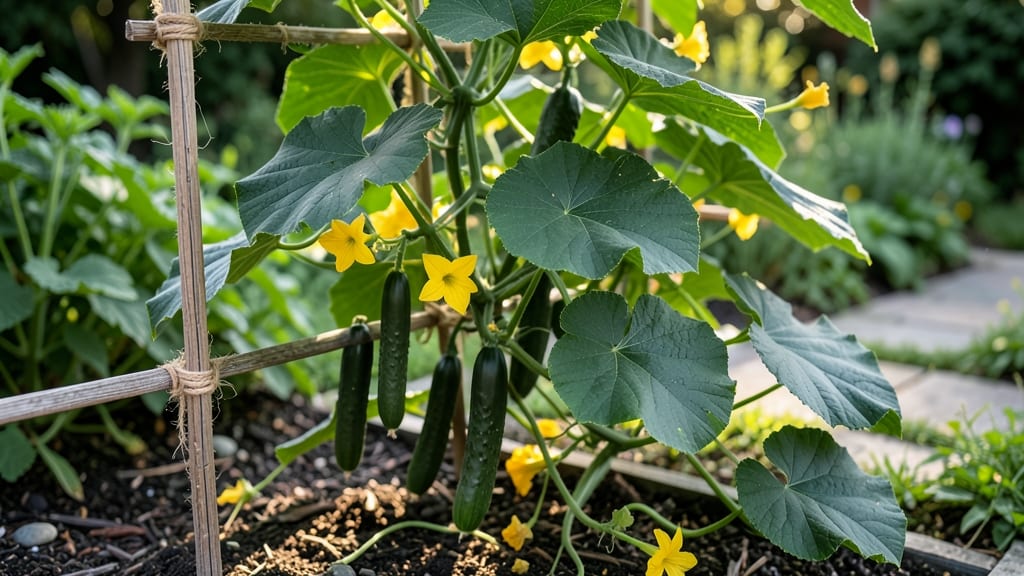
Growing Calypso cucumber seeds means unlocking a cold-hardy perennial with bold striped harvests that keep producing year after year—no annual replanting needed. 🌱 I fell for these cucumbers after my first taste of their crisp, sweet flesh and that signature zebra-striped skin, which makes every salad look like a showstopper.
The real magic? They thrive in cooler climates where most cucumbers fail, and they resist common diseases like powdery mildew better than conventional varieties.
Start with well-draining soil rich in compost, and plant seeds ½ inch deep after the last frost when soil reaches 60°F. Space them 2-3 feet apart (they spread!) and give them 6-8 hours of sunlight daily. Trellising isn’t just helpful—it’s essential.
These vines grow 10-15 feet long, and without support, they’ll sprawl everywhere, producing fewer fruits. A sturdy 5-foot trellis or fence works perfectly, and the vertical growth keeps fruits cleaner and easier to harvest.
Water consistently—1-2 inches per week—but avoid wetting the leaves to prevent mildew. Mulch around plants to retain moisture and suppress weeds, and watch for female flowers (they have tiny cucumbers at their base). Pollinate by hand if bees are scarce: gently tap flowers with a paintbrush.
Within 50-60 days, you’ll harvest cucumbers that stay crisp even when fully grown, unlike those bitter supermarket varieties. The flavor? Sweet, buttery, and addictive—once you try them, you’ll never go back to store-bought.
For colder zones, treat them as perennials: mulch heavily in winter and prune back in early spring. They’ll bounce back stronger each year, and you’ll enjoy longer harvests with less effort.
If you’ve struggled with cucumbers before, Calypsos are the foolproof upgrade your garden needs—just give them space, sunlight, and a little TLC.
📚 In This Guide
- What you need
- Instructions
- Tips and common mistakes
- Wrapping up and next steps
What you need
- ● Calypso cucumber seeds: 10–20 seeds (or a small packet, depending on your space). Opt for organic, non-GMO seeds for best results!
- ○ Growing containers (optional but handy): 5-gallon fabric pots (2–4) or
- ● Large raised beds (at least 12" deep)
- ● High-quality potting mix: 1–2 bags (sterilized, well-draining soil with compost or coconut coir). Avoid garden soil—it’s too dense!
- ● Perlite or vermiculite: 1 small bag (for aeration and moisture control).
- ● Slow-release fertilizer: 10-10-10 or organic compost (like worm castings). Follow package rates for cucumbers.
- ● Watering can or hose with gentle spray nozzle: Calypsos hate soggy roots!
- ○ Garden twine or trellis (optional but recommended): A 4–6 ft tall trellis or stakes to support vines (they can grow up to 10 feet!).
- ● Pruning shears: Small, sharp pair for trimming vines later.
- ● Hardiness zones: 3–11 (Calypsos are perennial in zones 4–11; treat as annual in colder zones).
- ● Sunlight: Full sun (6–8+ hours daily). Partial shade in hot climates (like zones 9–11) helps prevent bolting.
- ● Water access: Consistent moisture (but not waterlogged). Drip irrigation or self-watering pots work best.
- ● Cold protection (zones 3–4): Row covers or a mini greenhouse for early spring/fall planting.
- ● Mulch (straw or shredded leaves) to retain moisture and suppress weeds.
- ● Compost tea or liquid fertilizer (like fish emulsion) for a nutrient boost mid-season.
- ● Shade cloth (30–50%) for extreme heat (zones 9–11).
- ● Seed-starting kit (if you want to get a head start indoors).
Step-by-Step instructions for growing Calypso cucumber seeds
Here's how to cultivate these striking striped cucumbers—perennial in mild climates—with minimal fuss.
🌱 Step 1: Start Seeds Indoors 4-6 Weeks Before Last Frost
Calypso cucumbers thrive with a head start, so begin seeds indoors using biodegradable pots filled with seed-starting mix. Plant 2 seeds per pot at a depth of ½ inch, pressing lightly to ensure good soil contact. The outer seed coat is tough, so I nick it gently with a knife before planting—this speeds germination by 2-3 days.
Place pots in a warm spot (70-80°F) under a grow light or in a sunny window. Keep soil consistently moist but never soggy—you'll see germination in 7-14 days. Watch for the first true leaves (not the initial seed leaves) to appear before transplanting outdoors.
☀️ Step 2: Harden Off Seedlings for 10-14 Days
Begin hardening off when seedlings have 2-3 sets of true leaves. Start by placing them outdoors in a sheltered spot for 1-2 hours the first day, gradually increasing exposure over 10-14 days. Calypso cucumbers are cold-tolerant but still need acclimation to prevent shock.
You'll know they're ready when they handle a full day outside without wilting. Choose an overcast afternoon for transplanting—this reduces stress. Plant in full sun (6+ hours daily) with support (trellis or stakes) ready, as vines can grow 12-15 feet long.
💧 Step 3: Plant Outdoors in Well-Draining Soil
Dig holes 1 inch deeper than the root ball and space plants 3-4 feet apart to allow for sprawling vines. Mix compost into the planting hole to improve fertility. Calypso cucumbers are perennial in zones 4-9, so avoid disturbing roots if overwintering.
Water deeply after planting to settle soil around roots, then maintain 1-2 inches of moisture weekly. Mulch with straw to retain moisture and suppress weeds—Calypso cucumbers hate competition. You'll see tendrils appear within 1-2 weeks, signaling active growth.
✂️ Step 4: Train Vines and Harvest Regularly
Guide vines onto trellises or stakes, tying them gently with soft twine as they grow. Prune side shoots to encourage upward growth and improve airflow, which reduces disease risk. Calypso cucumbers produce bold striped fruits that ripen 50-60 days after transplanting.
Harvest when fruits reach 6-8 inches long for best flavor—leave them longer and they turn bitter. Pick consistently to stimulate more production. In colder climates, treat as an annual and replant yearly. In mild zones, vines may overwinter with proper mulch protection.
Tips & tricks for perfect Calypso cucumber cultivation
Took me a while to figure these out, so here goes—these are the details that separate good harvests from spectacular ones.
Seed Starting Secret: When nicking those tough outer seed coats in Step 1, use a sharp knife or sandpaper to score them lightly. This tiny scratch creates a microscopic opening that lets water penetrate, speeding germination by those critical 2-3 days mentioned in the instructions. I've found that soaking the seeds in warm water for 4 hours before planting also works wonders—just make sure they don't sit in water longer than that or they'll rot. The goal is to jumpstart the process without sacrificing viability.
Hardening Off Hack: During the 10-14 day hardening process in Step 2, I've discovered that moving seedlings to progressively sunnier spots each day—rather than just increasing time—helps them develop stronger stems. Start with morning shade, then afternoon sun, then full sun by day 7. This gradual light exposure mimics natural conditions and prevents shock. Watch for leaves that stay crisp and green; any yellowing means you're moving too fast.
Soil Preparation Strategy: In Step 3, when mixing compost into the planting hole, I recommend adding a handful of perlite or vermiculite to improve drainage without disturbing the existing soil structure. Calypso cucumbers hate soggy roots but need consistent moisture—this combo gives them both. Also, work in a slow-release fertilizer like worm castings at this stage; it provides nutrients throughout the growing season without the risk of burn from synthetic options.
Harvest Timing Tip: For those 50-60 day harvest windows in Step 4, I've learned to check cucumbers every 2-3 days once they reach 4 inches in length. The stripes become more pronounced as they ripen, but don't wait for maximum size—harvest at 6-8 inches for peak flavor. If you notice flowers but no fruit appears, hand-pollinate by gently shaking the vines in the morning when bees are least active.
Pro Tips for Calypso Cucumber Seeds
- Took me a while to figure these out, so here goes—these are the details that separate good harvests from spectacular ones.
- Seed Starting Secret: When nicking those tough outer seed coats in Step 1, use a sharp knife or sandpaper to score them lightly.
- Hardening Off Hack: During the 10-14 day hardening process in Step 2, I've discovered that moving seedlings to progressively sunnier spots each day—rather than just increasing time—helps them develop stronger stems.
Frequently asked questions
Got questions about growing Calypso cucumber seeds? You’re not alone—this cold-hardy perennial is a game-changer, but it does have its quirks! Here’s what you need to know before diving in.
Are Calypso cucumbers truly perennial, or do I need to replant yearly?
Yes! Unlike annual cucumbers, Calypso cucumbers are cold-hardy perennials in USDA zones 4–11. With proper care (mulching, winter protection), they’ll regrow for 3–5+ years. Just give them a cozy spot—they’ll reward you with striped harvests season after season.
When’s the best time to plant Calypso cucumber seeds?
Start seeds indoors 4–6 weeks before your last frost (or direct-sow after soil reaches 60°F). Since they’re perennials, you can also plant in early spring or late summer for staggered harvests. Pro tip: They thrive in cooler temps than annual cucumbers—perfect for early-season planting!
Why aren’t my Calypso cucumbers fruiting—just lots of leaves?
Overly lush foliage? It’s often due to too much nitrogen or lack of pollinators. Try:
- Switch to a balanced fertilizer (low N, high P/K).
- Hand-pollinate flowers with a paintbrush (especially in greenhouses).
- Prune excess leaves to redirect energy to fruit production.
Can I grow Calypso cucumbers in containers, or do they need a garden bed?
They adapt well to large containers (15+ gallons) with proper drainage. Use a lightweight potting mix and a trellis to save space. Just ensure they get 6+ hours of sun and consistent watering. Bonus: Container growing makes them mobile—protect from frost by moving indoors!
What’s a good alternative if Calypso cucumbers don’t thrive in my climate?
If your zone is too hot or dry, try:
- ‘Armenian’ cucumbers (heat-tolerant, prolific).
- ‘Lemon’ cucumbers (compact, great for containers).
- ‘Straight Eight’ (classic, reliable annual).
Wrapping up and next steps
Growing Calypso cucumber seeds isn’t just about adding a splash of color to your garden—it’s a rewarding journey toward a bold, striped harvest that keeps coming back year after year! With their cold-hardy perennial nature, these cucumbers prove that resilience and flavor go hand in hand.
Whether you’re a seasoned gardener or just starting out, the key is patience, the right conditions, and a little creativity.
Ready to turn your garden into a striped cucumber paradise? 🌱 Start by ordering your seeds today, sketch out your planting plan, and get ready to savor the fruits of your labor—literally!
Share your progress with fellow gardeners, and who knows? You might just inspire someone else to try these vibrant beauties.