
Vegetables
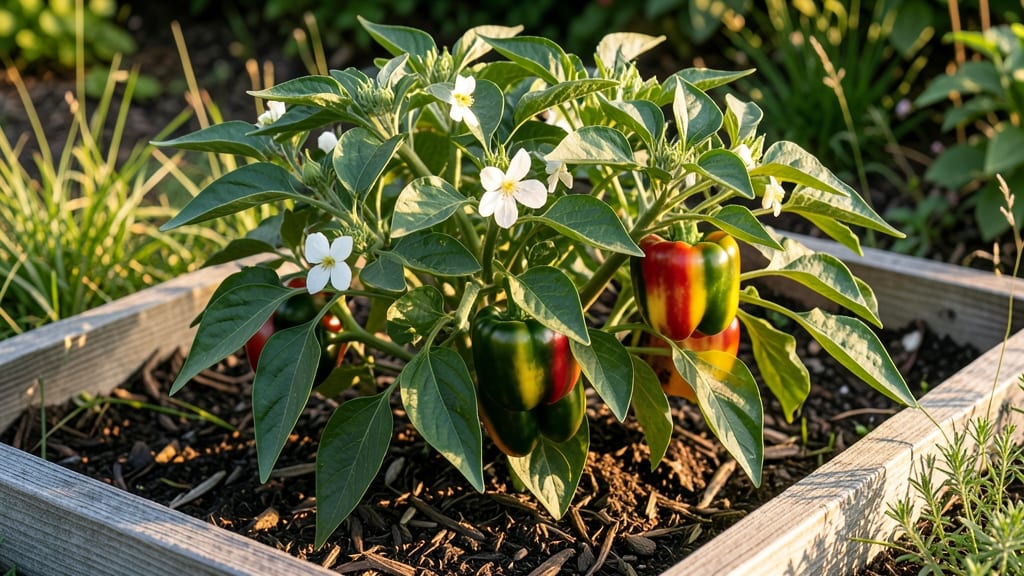
Growing candy striped peppers from seed delivers vibrant, striped beauties in just 50 days—no fancy greenhouse needed. 🌱 I’ve grown these striking peppers in containers and garden beds, and they’re shockingly easy once you know the tricks.
Their bold colors make them a conversation starter in the kitchen or garden, while their sweet, mild flavor keeps everyone reaching for seconds. These peppers thrive in full sun and well-draining soil, making them perfect for small spaces or beginners.
Start seeds indoors 8-10 weeks before your last frost, or buy transplants when they’re 4-6 inches tall. The key is consistent moisture—keep soil damp but not soggy—and watch those striped beauties grow faster than you’d expect.
By midsummer, you’ll be harvesting crisp, 4-6 inch peppers perfect for slicing into salads, stuffing, or roasting. They’re also stunning in flower arrangements or as edible decorations. The best part? They’re disease-resistant and rarely bothered by pests, so you’ll spend less time troubleshooting and more time enjoying the harvest.
Whether you’re growing in pots or garden beds, these peppers deliver bold color and flavor with minimal fuss. Here’s how to set them up for success—no green thumb required!
📚 In This Guide
- What you need
- Instructions
- Tips and common mistakes
- Wrapping up and next steps
What you need
- ● Candy Striped Pepper Seeds: 5–10 seeds (or 2–3 starter plants if buying seedlings). Choose a reliable variety like ‘Candy Stripe’ or ‘Sweet Banana’ for bold colors.
- ● Containers or Garden Bed: Containers: 5–10 gallon pots (one per plant) with drainage holes.
- ● Garden Bed: Full sun spot (6+ hours/day) with well-draining soil. Space plants 18–24 inches apart.
- ● Potting Mix: High-quality, well-draining mix (e.g., 60% potting soil, 30% perlite, 10% compost). Avoid garden soil—it’s too dense!
- ● Fertilizer: Balanced fertilizer (10-10-10) or organic options like worm castings or fish emulsion.
- ● Slow-release granules (e.g., Osmocote) for steady nutrition.
- ● Support: Small stakes or cages (4–6 inches tall) to prevent toppling as peppers grow.
- ● Basic Tools: Trowel, pruners (sterilized), and a watering can or hose with a gentle nozzle.
- ○ Optional (But Helpful!) Extras: Mulch (straw or shredded leaves) to retain moisture.
- ● Row covers (for early planting in cool climates).
- ● pH test kit (ideal soil pH: 6.0–6.8).
- ● Spray bottle for seedlings (to avoid disturbing roots).
- ● Start seeds indoors 8–10 weeks before your last frost date (or buy transplants).
- ● Harden off seedlings for 1–2 weeks before outdoor planting (acclimate to sun/wind!).
- ● Peppers thrive in warmth (70–90°F)—wait until soil is at least 60°F to transplant.
Step-by-step instructions for growing candy striped peppers
Here's how to coax those vibrant, candy-striped beauties from seed to table in just 50 days—with fewer surprises than you'd expect.
🌱 Step 1: Start Seeds Indoors 8-10 Weeks Before Last Frost
Fill 2-3 inch deep seedling trays with sterile seed-starting mix (never garden soil—it's too dense and may harbor pathogens). Press the mix down gently until it's firm but not compacted. Candy striped peppers germinate best at 70-80°F, so place the tray on a seedling heat mat if your home runs cooler.
Plant 2-3 seeds per cell at a depth of ¼ inch—about the width of a dime. Cover lightly with additional mix and mist the surface until evenly moist. The key here is consistency: keep the soil damp but never soggy. You'll see sprouts in 7-14 days, though cooler temperatures may delay germination.
☀️ Step 2: Provide Bright Light and Prevent Leggy Growth
The instant those first true leaves appear (they'll look like tiny, rounded versions of mature pepper leaves), move seedlings under grow lights or to a south-facing window. Candy striped peppers need 12-14 hours of light daily to grow strong and compact. Without enough light, stems stretch painfully thin—a condition called "leggy"—and the plants never recover.
Position lights 2-3 inches above seedlings and raise them gradually as plants grow. You'll know your light is perfect when seedlings have thick stems and dark green leaves spaced no more than 1 inch apart. Rotate the tray a quarter turn daily so plants grow upright instead of leaning toward the light.
🪴 Step 3: Transplant Seedlings After All Frost Risk Has Passed
Wait until soil temperatures reach 60°F or warmer—cold soil stunts root growth and delays fruiting. Harden off seedlings by placing them outside in a sheltered spot for 1 hour the first day, gradually increasing time over 7-10 days. You'll know they're ready when they tolerate full sun without wilting.
Transplant into the garden or large containers (at least 12 inches deep) with 18-24 inches between plants. Dig a hole twice as wide as the root ball to encourage roots to spread. Mix a handful of compost into the planting hole—candy striped peppers are heavy feeders and need rich soil to produce bold, striped peppers.
💧 Step 4: Water Deeply and Maintain Consistent Moisture
Water at the base of plants in the morning to give roots time to absorb moisture before evening. Candy striped peppers hate soggy soil but also struggle with inconsistent watering—they'll drop flowers and fruit if moisture fluctuates. Aim for 1 inch of water weekly, adjusting for rain. You'll know your watering is right when the top 1-2 inches of soil feel dry to touch.
Mulch around plants with 2 inches of straw or shredded leaves to retain moisture and keep roots cool. Avoid overhead watering once flowers appear—wet foliage invites fungal diseases that can ruin your harvest. If you notice yellowing leaves, it's often a sign of overwatering or poor drainage, not a nutrient deficiency.
✂️ Step 5: Prune and Harvest for Maximum Yield
Remove any suckers (those little shoots that form in the leaf axils) to direct energy into fruit production. Candy striped peppers are prolific, but overcrowded plants produce smaller, less flavorful peppers. Prune in the morning when plants are dry—this reduces the risk of spreading disease through open wounds.
Harvest peppers when they reach 3-4 inches long and develop their signature candy-striped pattern. Use pruning shears to snip stems ½ inch above the fruit—this encourages more blooms to form. You'll get a steady harvest every 2-3 days during peak season, and the more you pick, the more your plants will produce. Store harvested peppers in the fridge for up to 2 weeks or freeze them whole for later use.
Tips & tricks for growing candy striped peppers
Here's what nobody tells you about growing these showstopper peppers—lessons I learned after watching three batches of seedlings stretch into sad, leggy sticks.
Germination Temperature Matters: Those 70-80°F germination temps aren't just suggestions—they're non-negotiable for candy striped peppers. If your home runs cooler, invest in a seedling heat mat (they're cheap!) or place the tray on top of your fridge. I once waited 21 days for germination because I skipped this step—don't make my mistake! The difference between 7-14 days and 3+ weeks is that heat mat.
Lighting Secret: When your seedlings get their first true leaves, move them under grow lights immediately—no exceptions. Natural light from windows can't provide the 12-14 hours of consistent light these peppers crave. I use LED grow lights on a timer, positioned 2-3 inches above the plants. Watch for that "leggy" growth (thin stems with leaves spaced more than 1 inch apart)—it's your warning sign that light's insufficient. Rotate the tray daily to prevent plants from leaning.
Transplanting Wisdom: The 60°F soil temperature threshold isn't just about frost—it's about root development. Cold soil shocks pepper roots, delaying fruiting by weeks. Before transplanting, test soil temps with a thermometer (they're under $10). If it's below 60°F, wait or use black plastic mulch to warm the soil faster. And that 18-24 inch spacing? It's crucial—crowded plants produce smaller, less flavorful peppers. Trust me, I learned this after harvesting a bushel of underwhelming peppers from overcrowded plants.
Harvesting Hack: Those 3-4 inch peppers with candy-striped patterns are ready when they feel firm to the touch. Use pruning shears to cut stems ½ inch above the fruit—this prevents disease entry points. Here's the bonus: the more you harvest, the more your plants produce! I've seen plants go from zero to five peppers per week after consistent harvesting. And store them properly—they keep in the fridge for 2 weeks or freeze whole for year-round use.
Pro Tips for Candy Striped Peppers
- Here's what nobody tells you about growing these showstopper peppers—lessons I learned after watching three batches o...
- Germination Temperature Matters: Those 70-80°F germination temps aren't just suggestions—they're non-negotiable for c...
- Lighting Secret: When your seedlings get their first true leaves, move them under grow lights immediately—no exceptio...
Frequently asked questions
Got questions about growing candy striped peppers? You’re not alone! Here are answers to the most common queries to help you crush your harvest like a pro.
How long does it take for candy striped peppers to mature?
These peppers are fast growers! From seed, expect ripe fruit in about 50–60 days under ideal conditions (warm soil, full sun, and consistent water). If starting with transplants, you’ll shave off 2–3 weeks—ready to harvest in roughly 45–50 days.
Can candy striped peppers grow in containers or small spaces?
They thrive in 5-gallon containers or larger with proper drainage. Just ensure the pot has at least 12–18 inches of depth and place it in a sunny spot (6+ hours of light daily). Pro tip: Use a lightweight potting mix and fertilize every 2–3 weeks for best results.
Why are my candy striped peppers turning yellow or blotchy?
Yellowing or blotchy leaves often signal overwatering, nutrient deficiency, or fungal issues. Check soil moisture—peppers hate soggy roots! If leaves look crispy, it might be underwatering or heat stress. For blotches, improve airflow and avoid wetting foliage. A balanced fertilizer (like 10-10-10) can also help.
Are candy striped peppers spicy, and can I swap them for bell peppers?
These peppers are mildly sweet with a hint of heat (Scoville ~1,000–5,000 SHU), but not as fiery as jalapeños. If you prefer zero heat, try ‘Sweet Candy’ or ‘Apache’ peppers—they’re nearly identical in appearance but sweeter. For bell pepper substitutes, ‘Sweet Banana’ or ‘California Wonder’ work well in recipes!
How do I extend the harvest season for candy striped peppers?
To keep producing peppers late into fall (or even winter in warm climates), prune suckers and remove spent fruit to encourage new growth. Use row covers or cold frames for early spring/late fall protection. In colder zones, grow them in containers and move indoors near a sunny window or under grow lights. →
Where can I buy candy striped pepper seeds or plants?
Seeds are widely available from reputable seed companies like Baker Creek Heirloom Seeds, Burpee, or Johnny’s Selected Seeds. For transplants, check local nurseries or farmers’ markets in late spring. Pro tip: Start seeds indoors 8–10 weeks before your last frost for an early jump!
Wrapping up and next steps
Growing candy striped peppers is a rewarding adventure that delivers vibrant flavors and stunning visuals in just 50 days! Whether you’re a seasoned gardener or a beginner, these colorful beauties thrive with minimal fuss—just sun, soil, and a little patience. 🌱
Now that you’re armed with the right tools, tips, and troubleshooting tricks, it’s time to roll up your sleeves and plant those seeds! Start with a small batch, experiment with containers or garden beds, and watch your harvest grow. Happy gardening—and enjoy those sweet, striped rewards!