
Vegetables
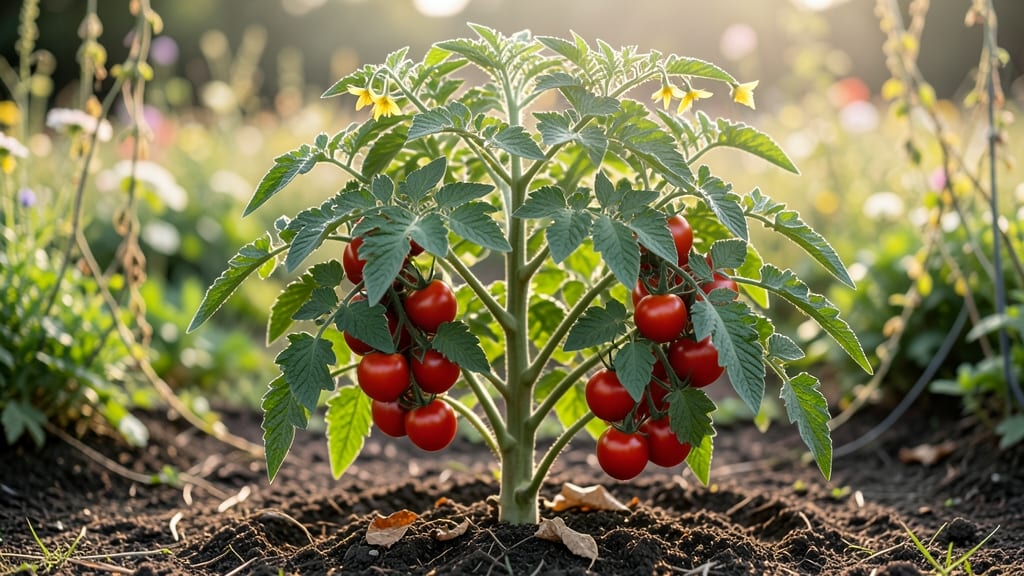
Growing Candyland tomato seeds gives you striped, heirloom tomatoes that taste like summer magic—and they regrow every year if you keep them in containers. 🌱 I fell for this variety after seeing those bold red-and-yellow stripes, and now I grow them in pots on my balcony, harvesting striped tomatoes all season long.
The secret? Treating them like perennials, not annuals, by overwintering the plants in mild climates.
These tomatoes thrive in 5-gallon containers with well-draining soil and full sun (6+ hours daily). They’re disease-resistant, so they handle humidity better than most heirlooms, and the flavor is sweet with a tangy kick—like a candy-coated tomato.
Start seeds indoors 8-10 weeks before last frost, then transplant seedlings when soil warms to 60°F. The striped fruit ripens in 70-75 days, and each plant produces 10-15 pounds of tomatoes if pruned right.
Harvest when stripes turn deep red and flesh yields slightly to pressure. The real game-changer? Save seeds from the best tomatoes—plant them again next spring, and they’ll regrow with minimal care.
Pair them with basil or marigolds to boost flavor and deter pests. Even in small spaces, these striped beauties deliver proudly showy harvests that turn heads at farmers' markets.
Overwintering is simple: move pots to a garage or sheltered spot before frost, water sparingly, and trim back growth. In spring, they bounce back faster than annuals. Perfect for balconies, patios, or greenhouses—just give them sun, space, and patience. Your striped tomato obsession starts with one seed packet.
📚 In This Guide
- What you need
- Instructions
- Tips and common mistakes
- Wrapping up and next steps
What you need
- ● Candyland tomato seeds – Start with 5–10 seeds (they’re pricey, so don’t overdo it!). Look for organic or heirloom varieties for the best flavor and regrowth potential.
- ● Containers – Use 5-gallon pots or larger (at least 12–18 inches deep) with drainage holes. Fabric grow bags or self-watering pots work great for perennials!
- ● High-quality potting mix – Opt for a well-draining, organic blend (avoid garden soil—it compacts and holds too much moisture). Add perlite or vermiculite (10–20%) for aeration.
- ● Slow-release fertilizer – Choose a balanced, organic option (like 5-5-5 or 3-4-6) to mix into the soil at planting. Worm castings or compost are also fantastic!
- ● Seed-starting tray or biodegradable pots – If starting indoors, use 2–3 inch cells or peat pots to transplant seedlings later.
- ● Grow lights or sunny windowsill – Seedlings need 12–16 hours of light daily. A full-spectrum LED grow light is ideal if natural light is limited.
- ● Misting bottle or spray nozzle – Keeps seeds moist without drowning them. Bottom-watering trays help too!
- ● Plant labels & marker – Trust us, you’ll forget which pot is which! Use waterproof labels to track varieties.
- ● Trellis or tomato cage – Candyland tomatoes can get 3–5 feet tall! Support them early to avoid flopping. Floral wire or stakes work in a pinch.
- ○ Pruning shears – For pinching suckers (optional but helps direct energy to fruit production).
- ● Heat mat – Speeds up germination if your home is below 70°F.
- ● Fungicide spray (like neem oil or copper fungicide) – Prevents early blight or powdery mildew in humid climates.
- ● Drip irrigation system – Automates watering and keeps soil consistently moist.
- ● Epsom salt – A tablespoon per gallon of water monthly boosts magnesium for vibrant foliage.
- ● Companion plants – Try basil, marigolds, or nasturtiums to repel pests naturally.
How to grow Candyland tomatoes as year-round container perennials
This bold, striped heirloom thrives in containers and comes back stronger each year—here’s how to coax its dramatic foliage and fruit.
🌱 Step 1: Start Seeds Indoors for Early Growth
Sow Candyland seeds 8-10 weeks before your last frost date in 2-3 inch deep biodegradable pots filled with sterile seed-starting mix. Press each seed ¼ inch deep—any deeper delays germination. I like to place pots on a seedling heat mat to maintain 75-85°F soil temperatures, which speeds up germination to 5-10 days.
Cover the trays with a clear humidity dome or plastic wrap to trap warmth and moisture. Check daily but resist watering—condensation inside the dome keeps the soil damp. Once 50% of seeds sprout, remove the dome immediately to prevent damping-off disease. You’ll see tiny cotyledons (first true leaves) within 10-14 days—this is your cue to move them under grow lights.
☀️ Step 2: Provide 14+ Hours of Light Daily
Candyland tomatoes need 14-16 hours of light daily to prevent leggy growth. Position a full-spectrum LED grow light 2-4 inches above seedlings and adjust height as they grow. Without enough light, stems stretch thin and pale, and leaves space far apart—this weakens the plant before it even reaches the garden.
Rotate pots a quarter turn every 2-3 days so plants grow straight instead of leaning toward the light. Strong seedlings have thick stems, deep green leaves, and compact spacing between nodes. After 4-6 weeks, when seedlings show 3-4 true leaves, they’re ready for transplanting into larger containers.
🪴 Step 3: Transplant into Containers for Year-Round Growth
Choose 5-gallon containers with drainage holes—Candyland tomatoes need deep roots to produce fruit. Fill pots with a mix of 60% potting soil and 40% compost for fertility. Transplant seedlings carefully, ensuring the soil line matches the pot’s rim—burying too deep suffocates stems, while planting too shallow leaves roots exposed.
Water deeply after transplanting until water runs freely from the drainage holes. Place containers in full sun (6+ hours daily) and protect from strong winds, which can snap stems. Mulch with 2 inches of straw to retain moisture and regulate soil temperature. You’ll see new leaf growth within 7-10 days—this signals the plant is established.
✂️ Step 4: Prune and Support for Maximum Fruit
Candyland tomatoes benefit from determinate pruning—pinch off suckers (shoots in leaf axils) to focus energy on fruit production. Use tall cages or stakes to support vines, as the striped foliage can get heavy. Prune yellow or diseased leaves immediately to prevent spread—this variety is prone to blight, so airflow is critical.
Fertilize every 2-3 weeks with a balanced organic fertilizer (10-10-10) during the growing season. Reduce watering slightly as fruit ripens to concentrate flavor. Harvest when tomatoes turn deep red with striped accents—they’re ready when they yield slightly to gentle pressure. With proper care, Candyland tomatoes regrow from the same roots each year, producing even more dramatic striped fruit.
Tips & tricks for growing Candyland tomato perennials
These insider strategies will help you coax the most dramatic striped fruit from your container-grown Candyland tomatoes year after year.
Seedling Heat Secret: That 75-85°F soil temperature range isn't just about speed—it's about mimicking tropical conditions where these tomatoes originated. Use a seedling heat mat for consistent warmth, but watch closely: temperatures above 85°F can cause damping-off disease. I've found that placing my trays on a bathroom counter (with the heat vent running) works perfectly when I don't have a heat mat.
Light Rotation Technique: The quarter-turn rotation every 2-3 days might seem minor, but it's what prevents those sad, lopsided seedlings. Think of it like turning a roast in the oven—even heat distribution creates stronger stems. I mark my rotation schedule on a small whiteboard near my grow lights so I don't forget. This simple habit makes the difference between leggy, weak plants and sturdy, compact seedlings ready for transplanting.
Transplanting Depth Cue: When transplanting into your 5-gallon containers, use the soil line as your guide—but here's the pro tip: press the soil gently around the stem to eliminate air pockets. I take a butter knife and make a small trench around the seedling, then fill it with soil to create a natural support. This prevents the classic "tilted tomato" problem where plants lean against their containers.
Fertilizer Timing: That 2-3 week fertilization schedule is perfect, but here's what nobody tells you—the first feeding should happen when you see new leaf growth after transplanting (about 7-10 days). After that, stick to your schedule, but cut back to every 4-5 weeks once fruit starts setting. The key is balancing growth with fruit production, and this adjustment prevents the common mistake of over-fertilizing when the plant is already focusing on tomatoes.
Pro Tips for Candyland Tomato Seeds
- These insider strategies will help you coax the most dramatic striped fruit from your container-grown Candyland tomatoes year after year.
- Seedling Heat Secret: That 75-85°F soil temperature range isn't just about speed—it's about mimicking tropical conditions where these tomatoes originated.
- Light Rotation Technique: The quarter-turn rotation every 2-3 days might seem minor, but it's what prevents those sad, lopsided seedlings.
Frequently asked questions
Got questions about growing Candyland tomato seeds?
You’re not alone! Here are answers to the most common queries—from planting to troubleshooting—so you can grow these striped beauties with confidence.
Can Candyland tomatoes truly regrow yearly in containers?
Candyland tomatoes are perennial in USDA Zones 10-11, but even in cooler climates, you can trick them into regrowing by overwintering indoors or in a heated greenhouse. Prune back vines in fall, keep them in pots, and bring them inside before frost. With proper care, they’ll reward you with bold stripes and sweet fruit for years!
How long does it take for Candyland tomato seeds to germinate?
Expect germination in 7–14 days if you keep soil warm (70–85°F) and moist. For faster sprouts, soak seeds in lukewarm water for 24 hours before planting. Pro tip: Use a seedling heat mat if your home runs chilly—patience pays off!
What’s the best temperature range for growing Candyland tomatoes?
Candyland tomatoes thrive in 70–85°F daytime temps and 60–70°F nights. If temps dip below 55°F, growth slows, and fruit may develop blossom end rot. Use row covers or shade cloth in extreme heat (above 90°F) to protect plants. Bonus: Containers warm up faster than garden beds, giving you an edge!
Are Candyland tomatoes good for containers? What size pot should I use?
Absolutely!
These vining tomatoes love containers and do well in 5-gallon pots or larger (bigger = more fruit). Use a well-draining mix with compost, and trellis them vertically to save space. Warning: Under-sized pots = stunted growth. Aim for at least 12 inches deep and 18+ inches wide for happy plants.
Why aren’t my Candyland tomatoes turning red/striped?
Striped color fades in low light or cool temps. Ensure your plants get 6–8 hours of sunlight daily and keep soil consistently moist (not soggy). Overcrowding or nitrogen-heavy fertilizer can also dull stripes. Fix it: Prune for airflow, switch to a balanced 10-10-10 fertilizer, and move pots to sunnier spots.
Can I save seeds from Candyland tomatoes for next year?
Yes! Let a few tomatoes fully ripen on the vine, then scoop out seeds with pulp. Ferment the mix in a jar for 2–3 days (scum = mold; good!), rinse seeds, and dry them on a paper towel. Store in a cool, dark place for up to 3 years. Note: Striped traits may mix over generations—save extra seeds to preserve the look!
Wrapping up and next steps
Growing Candyland tomato seeds is a rewarding journey that brings vibrant, striped tomatoes to your table—and your heart! These perennials are perfect for container gardening, making them accessible for urban growers or those with limited space.
Whether you’re drawn to their striking appearance or their ability to regrow yearly, these tomatoes are a fun and flavorful addition to any garden.
Ready to dive in? Start by gathering your supplies and planting those seeds—your future harvest of bold, candy-striped tomatoes awaits! 🌱✨