
Vegetables
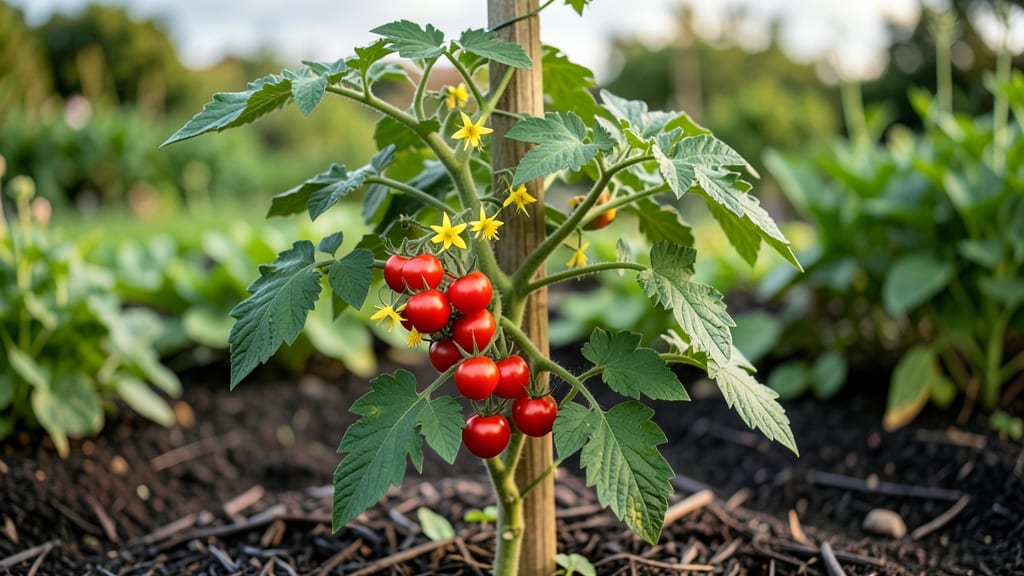
Growing red cherry tomatoes that return year after year is the ultimate gardening hack. 🌱 I've been growing these cold-hardy plants for three seasons now, and they keep surprising me with their resilience—producing sweet, bite-sized tomatoes even after frost.
The secret lies in their perennial nature and how they handle winter differently than traditional tomatoes.
You'll need well-draining soil rich in organic matter, a sunny spot with at least 6-8 hours of sunlight daily, and a trellis or cage to support their vines. Unlike annual tomatoes, these thrive in zones 7-11 and can regrow from the same roots each year if properly protected.
Water consistently at the base—never overhead—to prevent disease and encourage deep root growth.
By mid-summer, you'll be harvesting clusters of 1-inch red jewels that burst with flavor. The plants stay compact, produce continuously, and resist cracking better than larger tomato varieties. Prune regularly to improve airflow and focus energy on fruit production, and watch how quickly they bounce back after harvests.
Perfect for small spaces, containers, or even hanging baskets. These tomatoes outperform most annual varieties in my experience—once established, they're nearly impossible to kill. Here's how to get started with foolproof results every season.
📚 In This Guide
- What you need
- Instructions
- Tips and common mistakes
- Wrapping up and next steps
What you need
- ● Red cherry tomato seeds or seedlings: Choose cold-hardy varieties like ‘Solar Fire’ or ‘Sweet Million’ (perennial in USDA Zones 8-11). Quantity: 3–5 plants (or 10–20 seeds if starting from scratch).
- ● Well-draining potting mix: A high-quality blend (e.g., Miracle-Gro Potting Mix) or compost-rich garden soil (pH 6.0–6.8). Quantity: 1–2 cubic yards for in-ground or 10–15 gallons per container.
- ○ Containers (optional but ideal for cold climates): 5-gallon fabric grow bags or black plastic pots with drainage holes. Quantity: 1 per plant.
- ● Organic fertilizer: Balanced (10-10-10) or tomato-specific (e.g., Espoma Tomato-Tone). Quantity: 1 lb per 100 sq ft or follow package instructions.
- ● Mulch: Straw, shredded leaves, or black plastic (to retain warmth). Quantity: 2–3 inches thick.
- ● Gloves and knee pads: For comfortable planting.
- ● Trowel or hand shovel: For transplanting seedlings.
- ● Watering can or hose with nozzle: Gentle watering avoids seedling damage.
- ● Pruning shears: To trim suckers and encourage bushier growth.
- ● Sunlight access: 6+ hours of full sun daily (critical for sweetness!).
- ○ Cold frame or row covers (optional): Extends the growing season in cooler zones (e.g., Reemay frost cloth).
- ● 🌡️ Start seeds indoors: 6–8 weeks before the last frost (or buy hardened-off seedlings).
- ● ✨ Harden off seedlings: Acclimate to outdoor temps over 7–10 days before transplanting.
- ○ 🔥 Use trellises (optional): Supports vining varieties and improves air circulation.
Step-by-step guide to growing cold-hardy red cherry tomatoes
Here's how to cultivate these resilient, regrowing tomatoes that thrive year after year.
🌱 Step 1: Select and Prepare the Right Location
Choose a spot with full sun exposure (6-8 hours daily) and well-draining soil. These cold-hardy varieties tolerate cooler climates better than traditional tomatoes, but they still need warmth to fruit. I always test my soil's pH first—aim for 6.2-6.8. If your soil is heavy clay, amend it with 2-3 inches of compost mixed into the top 12 inches.
These tomatoes grow well in containers too, so if your ground freezes, use 5-gallon pots with drainage holes. Fill them with a mix of 60% potting soil and 40% perlite to prevent root rot. The key is warmth—place containers where they won’t sit on frozen ground or get blasted by cold winds.
☀️ Step 2: Plant at the Right Time and Depth
Wait until after the last frost date, but don’t delay too long—these tomatoes thrive when planted in early spring (4-6 weeks before last frost). Dig holes twice as wide as the root ball but only as deep as the container’s height. This encourages roots to spread horizontally rather than settle too deep.
Space plants 18-24 inches apart in the ground or 12-16 inches apart in containers. I always plant two per pot to encourage pollination. Press soil gently around the roots to eliminate air pockets, then water deeply to settle everything. The first flush of water helps wash away any transplant shock.
💧 Step 3: Water and Fertilize for Continuous Growth
Water deeply 2-3 times per week, giving 1-2 gallons per plant each time. These tomatoes are drought-tolerant once established, but they need consistent moisture to produce fruit. I water in the morning so foliage dries quickly—this prevents fungal diseases like early blight, which loves damp leaves.
Feed with a balanced organic fertilizer (10-10-10) every 4-6 weeks during the growing season. For containers, I use a slow-release fertilizer at planting time and supplement with liquid feed every 2 weeks. The goal is steady growth, not sudden bursts—too much nitrogen makes them leafy but fruitless.
✂️ Step 4: Prune and Support for Maximum Yield
Pinch off suckers (the small shoots that form in the leaf axils) to focus energy on fruit production. These tomatoes are more forgiving than heirlooms, but I still prune aggressively to improve airflow. Remove any leaves touching the soil to prevent disease, and trim back 1/3 of the plant after the first harvest—this encourages a second flush of fruit.
Use cages or stakes to support plants, especially in windy areas. I tie stems to stakes with soft plant ties every 6-8 inches to prevent snapping. The more upright the plant, the easier it is to spot pests and diseases early. If you live in a cold climate, mulch heavily with straw or shredded leaves to protect roots in winter.
⏰ Step 5: Harvest and Overwinter for Next Year
Pick cherries when they’re fully red and 1-1.5 inches in diameter. Harvesting regularly encourages more fruit to set. These tomatoes are prolific—you’ll get 20-30 pounds per plant in a good season. I always harvest in the morning when sugars are highest, and store them in the fridge for up to 2 weeks.
In fall, cut back stems to 6 inches and mulch heavily. These tomatoes are perennials in zones 8-11, so they’ll regrow from the roots next year. In colder zones, dig up the entire plant, trim back, and pot it up for winter indoors. Place it in a cool, bright spot (50-60°F) and water sparingly until spring.
Tips & tricks for perfect red cherry tomato cultivation
These cold-hardy tomatoes reward patience with years of harvests—here's how to maximize their potential.
Sunlight Strategy: While 6-8 hours of daily sun is ideal, these tomatoes can tolerate partial shade (4-6 hours) if you're in a hotter climate. The key is consistent exposure—avoid moving plants once established, as their roots are sensitive to disturbance. I've seen these thrive in morning sun with afternoon shade, especially in zones 8-11 where afternoon heat can stress plants.
Container Hack: For container growing, I've found that adding a 1-inch layer of gravel at the bottom of 5-gallon pots creates a natural drainage system that prevents root rot. This is especially important when using the 60% potting soil and 40% perlite mix—the extra drainage helps maintain the right moisture balance. The gravel also keeps the roots from sitting in water after heavy watering.
Fertilizer Timing: The 4-6 week feeding schedule works perfectly, but I've discovered that splitting the dose into two applications (half at planting, half at 3 weeks) prevents sudden growth spurts. Too much nitrogen at once can lead to excessive leaf growth at the expense of fruit production. For containers, I use a time-release fertilizer pellet at planting and supplement with liquid feed every 2 weeks—this mimics the natural release pattern.
Pruning Insight: When trimming back 1/3 of the plant after the first harvest, focus on removing the oldest leaves first. These leaves are more prone to disease and compete with new growth for nutrients. I also recommend pruning in the morning when the plants are turgid—this makes it easier to see the suckers and prevents unnecessary stress to the plant.
Pro Tips for Red Cherry Tomato
- These cold-hardy tomatoes reward patience with years of harvests—here's how to maximize their potential.
- Sunlight Strategy: While 6-8 hours of daily sun is ideal, these tomatoes can tolerate partial shade (4-6 hours) if you're in a hotter climate.
- Container Hack: For container growing, I've found that adding a 1-inch layer of gravel at the bottom of 5-gallon pots creates a natural drainage system that prevents root rot.
Frequently asked questions
Got questions about growing red cherry tomatoes?
You’re not alone! Here are answers to the most common queries—from planting to harvest—so you can grow this vibrant, cold-hardy perennial with confidence.
Can red cherry tomatoes really regrow every year, or do I need to replant?
Yes! Red cherry tomatoes are perennial in USDA Zones 8–11, meaning they’ll regrow from the same roots if given proper winter care (mulching, frost protection). In colder zones, treat them as annuals or overwinter indoors. Even in short seasons, they’ll reward you with fast, bountiful harvests—often within 60–70 days of planting.
How do I protect red cherry tomato plants from early frost?
Use row covers or a cloche when temps drop below 32°F (0°C). For severe cold, move potted plants to a garage or basement (keep them dormant until spring). In mild climates, mulch heavily with straw or leaves to insulate roots. Prune back foliage in late fall to reduce frost damage—your plant will bounce back stronger in spring!
Why aren’t my red cherry tomatoes turning red?
Lack of sunlight (<6 hours/day), cool temps (<55°F/13°C), or over-fertilizing with nitrogen can delay ripening. Solution: Move plants to full sun, ensure consistent watering (1–1.5 inches/week), and switch to a low-nitrogen, high-phosphorus fertilizer. If blooms drop without fruiting, hand-pollinate with a paintbrush or attract bees with companion plants like basil.
What’s the best companion plant for red cherry tomatoes to boost yield?
Pair them with basil, marigolds, or onions to repel pests and improve flavor. Avoid planting near brassicas (kale, cabbage) or corn, as they compete for nutrients. For perennials, try comfrey nearby—its deep roots enrich soil, and its leaves make a fantastic organic fertilizer tea!
Can I save seeds from red cherry tomatoes for next year?
Scoop out the jelly-like gel surrounding seeds, rinse them in water, and dry on a paper towel for 3–5 days. Store in a cool, dark place for up to 3 years. Pro tip: If your tomatoes are hybrid (e.g., ‘Sweet 100’), seeds may not produce true-to-type fruit. For heirloom varieties like ‘Black Cherry,’ seed-saving ensures identical flavors year after year.
Are red cherry tomatoes more flavorful than regular tomatoes?
Yes! Their high sugar-to-acid ratio makes them sweeter and less watery than beefsteak varieties. Ripeness matters: Wait until fully red (not pink) for peak flavor. For extra intensity, let a few overripe on the vine—they’ll turn deep red and jammy. Use them in salads, skewers, or sun-dried tomatoes for a burst of freshness!
Wrapping up and next steps
Growing red cherry tomatoes as cold-hardy perennials is a rewarding journey that brings fresh, flavorful harvests year after year! Whether you're a seasoned gardener or just starting out, these vibrant plants offer low-maintenance beauty and delicious rewards.
With the right care, your garden can become a thriving, self-sustaining cherry tomato oasis—imagine the joy of picking sweet, juicy tomatoes straight from your backyard!
Ready to take the next step? Start small—plant a few seeds or seedlings this season and watch your garden grow! Share your progress with fellow gardeners, experiment with different varieties, or even expand your harvest by sharing tips with friends.
Happy growing, and here’s to a bountiful (and tasty!) future! 🌱✨