
Vegetables
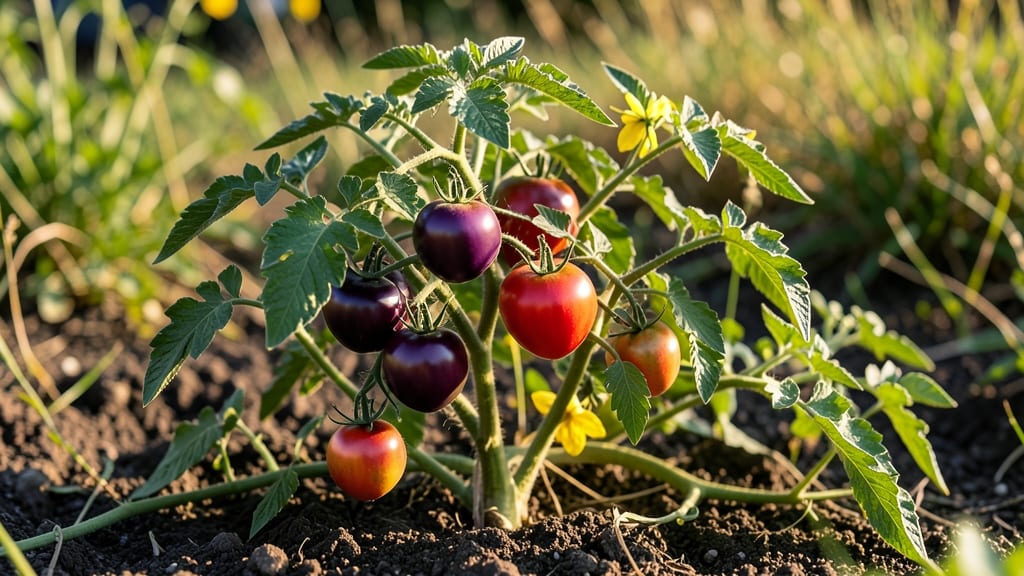
Caring for an Cherokee Purple tomato thrives when you treat them like the cold-hardy divas they are—rich, meaty fruit that tastes like summer even when temperatures dip. 🌿 I’ve grown these beauties through three winters in my Zone 6 garden, and the secret isn’t just patience—it’s knowing when to push growth and when to let them rest.
These tomatoes don’t just survive cold snaps; they reward you with deep purple, beefsteak-sized slices that make every bite worth the effort.
Their love language is simple but strict: 6-8 hours of sunlight daily, soil that stays moist but never soggy, and a balanced fertilizer every 4-6 weeks.
Unlike their thinner-skinned cousins, Cherokee Purples need sturdy cages or stakes—their branches grow heavy with fruit, and without support, they’ll flop like overripe melons. Prune aggressively in early spring to encourage bushiness, then let them sprawl in summer when heat slows growth.
What you’ll end up with is a plant that outperforms most tomatoes in short seasons, producing fruit even when temps hover around 50°F. The flavor? A smoky, almost chocolatey depth that turns salads into gourmet meals.
And here’s the kicker: these tomatoes store for weeks in cool, dark spots, so you’ll still be slicing them for sandwiches when your neighbors are buying store-bought.
Whether you’re growing in containers, raised beds, or the ground, the same rules apply—just adjust watering slightly for pots. The biggest mistake? Over-fertilizing with nitrogen (too much leaf, not enough fruit).
Stick to a low-nitrogen, high-phosphorus blend, and you’ll be harvesting pound after pound of those legendary purple slices by midsummer.
📚 In This Guide
- What you need
- Instructions
- Tips and common mistakes
- Wrapping up and next steps
What you need
- ● Cherokee Purple tomato seeds or seedlings: Start with heirloom seeds (1–2 plants per gardener is plenty!) or buy healthy young plants from a trusted nursery.
- ● Well-draining potting mix: A high-quality blend (e.g., Miracle-Gro Moisture Control or FoxFarm Ocean Forest)—10–15 gallons per plant for containers.
- ● Containers or garden bed: Containers: 5-gallon fabric pots (or larger) with drainage holes—2–3 plants max per pot.
- ● Garden beds: Full sun (6+ hours/day), loose soil amended with compost or aged manure.
- ● Fertilizer: Balanced organic fertilizer (e.g., 10-10-10 or fish emulsion)—apply every 4–6 weeks.
- ● Slow-release granules (e.g., Osmocote) for extended feeding.
- ● Support system: Cages (5–6 ft tall) or trellises—Cherokee Purples can get heavy!
- ● Mulch: Straw or shredded leaves (2–3 inches) to retain moisture and regulate soil temp.
- ● Watering can or drip irrigation: Consistent moisture is key—aim for 1–2 inches per week.
- ● Pruning shears: Sharp, sterilized shears for trimming suckers and dead leaves.
- ● Row covers or frost blankets: For winter protection in colder climates.
- ● pH test kit: Cherokee Purples thrive in 6.0–6.8 pH—adjust with lime or sulfur if needed.
- ● Compost tea: Boosts soil microbes for healthier roots.
- ● Garden journal: Track progress, watering, and harvest dates!
Step-by-Step guide to reviving and caring for a Cherokee Purple tomato plant
This heirloom beauty thrives with the right care—here’s how to keep it productive through seasons.
🌱 Step 1: Assess and Prepare the Plant for Revival
Start by examining your Cherokee Purple for signs of stress or damage. Look for wilted leaves, cracked stems, or discolored foliage—these indicate water issues or cold shock. Gently brush away any dead leaves or debris around the base, but leave healthy foliage intact. This plant’s deep purple hue fades under stress, so vibrant color means it’s still fighting strong.
If the soil feels compacted or waterlogged, loosen it with your fingers about 2 inches deep around the stem. Cherokee Purples hate soggy roots, so improve drainage by mixing in a handful of perlite or coarse sand if your soil is heavy. Water deeply at this stage—1 gallon per plant—to rehydrate the roots without overwhelming them.
☀️ Step 2: Adjust Light and Temperature for Recovery
Cherokee Purples crave full sun (6-8 hours daily), but during revival, they may need gradual reintroduction. If your plant was shocked by cold, place it in morning sun only for the first 3-4 days, then transition to full sun over 7-10 days. Watch for leaves cupping upward—a sign of sunburn risk.
Temperature matters most here. Keep the plant above 55°F at night and 70°F during the day. If frost threatens, cover it with a frost blanket or move it to a sheltered spot. Overheating (above 90°F) causes blossom drop, so provide afternoon shade in extreme heat. You’ll know it’s adapting when new leaves emerge with a healthy dark green, glossy finish.
💧 Step 3: Water and Fertilize for Cold-Hardy Growth
Water deeply every 2-3 days until the top 2 inches of soil feel dry. Cherokee Purples are drought-tolerant once established, but revival requires consistent moisture. Use a soaker hose or drip irrigation to avoid wetting leaves, which prevents fungal diseases like early blight. Mulch with 2-3 inches of straw to retain moisture and insulate roots.
Fertilize lightly with a balanced 10-10-10 formula (½ teaspoon per gallon of water) every 2 weeks during revival. Too much nitrogen causes weak stems, while phosphorus boosts root recovery. Stop fertilizing if new growth slows—this plant signals stress by dropping lower leaves first.
✂️ Step 4: Prune and Support for Year-Round Productivity
Prune damaged branches back to a healthy leaf node, cutting at a 45-degree angle just above the growth point. Remove suckers (shoots between stem and branches) to direct energy to fruit production. Cherokee Purples benefit from staking or caging—install supports early to avoid disturbing roots. Tie stems loosely with soft cloth to prevent sunscald on tender skin.
Harvest fruits when they reach 3-4 inches in diameter and develop their signature deep purple color. Leave 1-2 inches of stem attached to prevent disease entry. Overripe tomatoes split easily, so pick regularly. Store harvested fruit at 55-60°F to maintain flavor—this variety’s rich, smoky taste peaks when fully ripe.
⏰ Step 5: Plan for Long-Term Cold Hardiness
To extend the plant’s life, mulch heavily before winter and cover with 4-6 inches of straw or leaves. Cherokee Purples tolerate short frosts down to 28°F if roots stay insulated. In Zone 7 and warmer, they may produce a second crop in fall. Prune back by ⅓ in early spring to encourage new growth before last frost.
Rotate planting locations yearly to prevent soil-borne diseases. Companion plant with basil or onions to deter pests naturally. With consistent care, your Cherokee Purple can thrive for 3-5 years, rewarding you with heirloom-quality tomatoes even in cooler climates.
Tips & tricks for reviving Cherokee Purple tomatoes
Real talk: Bringing back a stressed Cherokee Purple takes patience—but these tricks will help you avoid the most common pitfalls while maximizing its cold-hardy potential.
Root Revival Strategy: In Step 1, when loosening that 2 inches deep around the stem, focus on the soil's texture rather than just depth. Cherokee Purples respond best when roots encounter loose, aerated soil with perlite or sand. I've seen plants with compacted roots fail to revive even after proper watering—this step is where you either set it up for success or create long-term drainage issues. The 1 gallon per plant deep watering should penetrate until water runs out the bottom of the pot or drainage holes.
Sun Transition Technique: That gradual 3-4 days of morning sun followed by 7-10 days to full sun** is non-negotiable for cold-shocked plants. I learned this the hard way after moving a plant straight to full sun and getting sunburned leaves that took weeks to recover. Watch for leaves cupping upward—they're telling you to slow down. For container plants, rotate them daily during the transition to ensure even exposure.
Temperature Troubleshooting: The 55°F nighttime minimum is critical for root health, but don't assume your thermometer reading is accurate where the plant sits. Place a second thermometer at plant level—especially in containers, which can get significantly colder than ambient air. If you're in a frost-prone zone, consider using a frost blanket during the 70°F daytime requirement rather than moving plants, which can cause root disturbance.
Fertilizer Fine-Tuning: That ½ teaspoon of 10-10-10 per gallon every 2 weeks is perfect, but timing matters more than you'd think. Apply fertilizer only when you see new growth emerging—not when the plant is still stressed. I've seen growers over-fertilize during revival, which actually stresses the plant further. And if you notice lower leaves dropping first, that's your plant's way of saying "back off"—stop fertilizing immediately and focus on water and light adjustments.
Pro Tips for Caring For An Cherokee Purple Tomato
- Real talk: Bringing back a stressed Cherokee Purple takes patience—but these tricks will help you avoid the most common pitfalls while maximizing its cold-hardy potential.
- Root Revival Strategy: In Step 1, when loosening that 2 inches deep around the stem, focus on the soil's texture rather than just depth.
- Sun Transition Technique: That gradual 3-4 days of morning sun followed by 7-10 days to full sun** is non-negotiable for cold-shocked plants.
Frequently asked questions
about growing and caring for a Cherokee Purple tomato—because even the hardiest varieties need a little extra love! Here are answers to the most common queries from gardeners just like you.How cold can Cherokee Purple tomatoes tolerate?
These beauties are cold-hardy but still need protection! Seedlings can handle light frosts (28–32°F/-2 to 0°C), but mature plants prefer 50°F (10°C)+. Use row covers or move pots indoors during hard freezes. Pro tip: Start seeds early indoors (6–8 weeks before last frost) for a head start!
When is the best time to harvest Cherokee Purple tomatoes?
Harvest when fully colored (deep purple-black) and slightly soft to the touch, usually 80–90 days after transplanting. Wait until they’re firm but give gently—they should yield slightly. Warning: Overripe tomatoes split easily, so check plants every 2–3 days in peak season!
Can I grow Cherokee Purple tomatoes in containers?
They thrive in 5-gallon+ containers with well-draining soil and stakes/cages for support. Choose a large pot (at least 18" deep) to prevent root binding. Bonus: Container-grown plants ripen earlier than ground-planted ones in cool climates!
What pests should I watch for with Cherokee Purple tomatoes?
Common culprits include hornworms, aphids, and blossom end rot (from calcium deficiency). Handpick pests or use neem oil. For end rot, amend soil with crushed eggshells or calcium supplements. Prevention tip: Mulch heavily to deter soil-borne issues!
Are Cherokee Purple tomatoes sweeter than other varieties?
Yes! They’re less acidic, meatier, and richer in sugars than red tomatoes, with a berry-like sweetness. Their higher lycopene content (thanks to the deep pigment) also makes them a nutritional powerhouse. Perfect for: salads, sauces, or slicing on sandwiches!
Wrapping up and next steps
Caring for a Cherokee Purple tomato is a rewarding journey that blends patience, passion, and a touch of cold-hardy ingenuity. 🌱 With the right techniques—like proper pruning, mulching, and overwintering strategies—you’ll enjoy heirloom-quality harvests even in cooler climates.
Whether you’re a seasoned gardener or just starting, your efforts will yield rich, meaty tomatoes that taste like summer all year round.
Now that you’re armed with the secrets to year-round success, why not share your progress with fellow gardeners or experiment with new varieties? Your garden—and your taste buds—will thank you! 🍅✨