
Vegetables
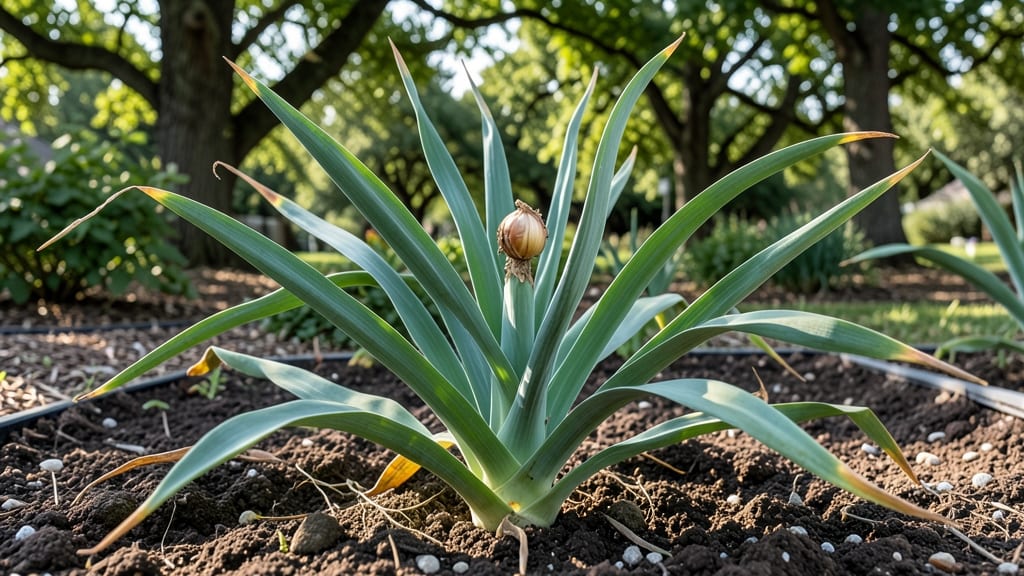
Caring for onions properly means never buying them again—just pull fresh ones from your pantry year-round. 🌱 The secret isn’t just growing them; it’s storing them right so they stay crisp and flavorful for months.
I’ve learned that onions are one of the most rewarding crops to grow, but only if you handle them from soil to storage. Start with loose, well-draining soil and full sun—onions hate soggy roots.
Plant sets or seeds in early spring or fall, depending on your climate, and keep the soil consistently moist but never waterlogged. The key is patience: onions take 100-120 days to mature, but the wait is worth it for homegrown sweetness.
Once harvested, cure them in a dry, shaded spot for 2 weeks before storing. Braid or hang them in a cool, dark place, and they’ll last until next spring. The smell of fresh onions in your kitchen—even in winter—is unbeatable.
This works for both green onions and storage varieties, whether you’re growing organically or conventionally. Let’s get those onions thriving!
📚 In This Guide
- What you need
- Instructions
- Tips and common mistakes
- Wrapping up and next steps
What you need
- ● Onions: Choose fresh, firm onions (yellow, red, white, or sweet varieties). Aim for 5–10 lbs depending on your storage needs.
- ● Dry, well-ventilated space: A cool (40–60°F), dark area like a pantry, basement, or garage.
- ● Mesh bags or breathable containers: Avoid plastic—opt for paper bags, onion netting, or open cardboard boxes to allow airflow.
- ○ Optional humidity control: A small bowl of rice or silica gel packets (to absorb excess moisture).
- ● Humidity monitor: A cheap hygrometer (to keep humidity between 60–70%).
- ● Labeling supplies: Masking tape + marker (to track storage dates).
- ● Pest deterrents: Bay leaves or cedar blocks (to repel critters).
Step-by-Step guide to storing onions for maximum freshness
Keep your onions crisp and vibrant through the winter with this simple, tested method.
🪴 Step 1: Cure Onions Before Storage
After harvesting, let onions dry completely in a shady, well-ventilated area for 1-2 weeks. This curing process toughens the outer skin, which is crucial for long-term storage. I like to spread them out on a screen or mesh rack—this prevents rot and allows air to circulate around each bulb.
Check daily for any onions that start to soften or mold. Remove these immediately to protect the rest. Once fully cured, the necks should be papery dry and the skins should feel leathery to the touch. This ensures they'll last months instead of weeks.
⏰ Step 2: Choose the Right Storage Location
Store cured onions in a cool, dark place with good airflow, like a pantry, basement, or garage. Ideal conditions are 40-50°F—any warmer and they'll sprout or spoil faster. I keep mine in a breathable mesh bag or a wooden crate, never sealed in plastic.
If your storage area is humid, sprinkle a little uncooked rice in the container to absorb excess moisture. You'll know it's working when the rice feels damp after a few weeks. Avoid refrigerating onions unless absolutely necessary—the cold and humidity will cause them to spoil quickly.
🌱 Step 3: Monitor and Rotate Stock
Check your stored onions monthly for signs of sprouting or soft spots. If you see green shoots starting, move those onions to the fridge immediately—they won’t last long once they sprout. Healthy stored onions should feel firm and dry, with no signs of moisture or mold.
Use the first-in, first-out method to keep your stock fresh. Place newer onions behind older ones so you're always using the oldest ones first. This prevents waste and ensures you're always getting the freshest flavor. If stored properly, onions can last 4-6 months this way.
✂️ Step 4: Handle and Use Stored Onions Correctly
When you're ready to use stored onions, don't wash them until just before cooking. Excess moisture speeds up spoilage, so keep them dry until then. If you notice any onions developing a musty smell or soft spots, use those first—they won’t keep much longer.
For long-term storage beyond 6 months, consider freezing or dehydrating your onions. Sliced onions freeze well in airtight containers, while whole onions can be dehydrated and stored in jars. Both methods preserve flavor and extend shelf life even further.
Tips & tricks for perfect onion storage
Real talk: I've lost count of how many onions I've thrown out over the years because they sprouted or turned mushy. These tricks will help you keep your onions fresh and crisp for months.
Curing is Non-Negotiable: That 1-2 week curing period in Step 1 is where the magic happens. I've tried skipping it, and trust me, your onions won't last nearly as long. The drying process creates that protective papery skin that keeps moisture out. If you're in a hurry, you can speed it up slightly by using a fan on low setting while they dry—just keep checking them daily for any that start to soften.
Storage Location Secrets: The 40-50°F range mentioned in Step 2 is crucial—any warmer and you'll get sprouting, any cooler and they'll start to rot. My pantry stays around 55°F, so I actually store mine in a cardboard box with a towel on top to create a cooler microclimate. If you don't have a basement, a closet with a small space heater set to low during winter can help maintain that ideal temperature.
Rice is Your Best Friend: That uncooked rice trick in Step 2 works wonders for humidity control. I keep a small jar of rice in my pantry specifically for this purpose. Pro tip: If you notice your onions developing a musty smell, it's often because of excess moisture. The rice will absorb that moisture and keep your onions fresh longer. Just remember to replace the rice every few months when it gets damp.
Visual Cues Matter: When checking your stored onions monthly (Step 3), look for three key signs of freshness:
- The skins should feel dry and papery,
- There should be no visible moisture or condensation in the storage container, and
- The necks should still feel firm when gently squeezed. If you see any green shoots starting, don't wait—move those to the fridge immediately. They won't last much longer once sprouting begins.
Pro Tips for Caring For Onions
- Real talk: I've lost count of how many onions I've thrown out over the years because they sprouted or turned mushy. T...
- Curing is Non-Negotiable: That 1-2 week curing period in Step 1 is where the magic happens. I've tried skipping it, a...
- Storage Location Secrets: The 40-50°F range mentioned in Step 2 is crucial—any warmer and you'll get sprouting, any c...
Frequently asked questions
Got questions about keeping your onions fresh and flavorful? You’re not alone!
Here are answers to the most common concerns—from storage hacks to troubleshooting—so you can enjoy peak onion quality all year long.
How long can I store onions before they spoil?
With proper care, onions can last 6–12 months in a cool, dry place (like a pantry or basement). Sweet onions (like Vidalia) or cut onions? They’ll keep for 1–2 months in the fridge. Check for soft spots, sprouting, or mold—these are red flags for tossing them!
Can I store onions in the fridge or freezer?
Whole, unpeeled onions thrive in a dark, dry, well-ventilated spot (not the fridge!). But if you’ve cut or cooked them, the fridge is your friend for up to 10 days. Freezing works for pre-cooked onions (blanch first!) but can make them mushy when thawed—best for soups or sauces.
Why are my onions sprouting or going soft?
Sprouting = your onions are too warm or humid. Move them to a cooler spot (ideal temp: 40–60°F). Soft spots? That’s rot or moisture damage. Separate affected bulbs immediately to save the rest. Never wash onions before storing—just brush off dirt!
What’s the best way to revive wilted or dried-out onions?
Dried onions? Soak them in ice water for 10–15 minutes to plump them up. Wilted green tops? Trim the ends and store them upright in a jar of water (like flowers!) for 1–2 weeks. For whole onions, place them in a paper bag with an apple (ethylene gas helps them firm up).
Are there alternatives to traditional onion storage?
Yes! Try these space-saving hacks:
- Mesh bags: Hang them in a pantry for airflow.
- Vacuum sealing: Extends shelf life by months (great for bulk buys!).
- Charcoal: Place a bowl of food-grade charcoal near onions to absorb moisture.
Wrapping up and next steps
Caring for onions doesn’t have to be complicated—with the right techniques, you can keep them fresh and flavorful all year long! 🌱 Whether you’re storing them in mesh bags, braiding them, or freezing for later, these simple steps ensure you’ll always have crisp, vibrant onions ready for your favorite dishes.
Now that you’re armed with these year-round storage secrets, why not take the next step and experiment with preserving other seasonal veggies? Your kitchen (and taste buds) will thank you!