
Vegetables
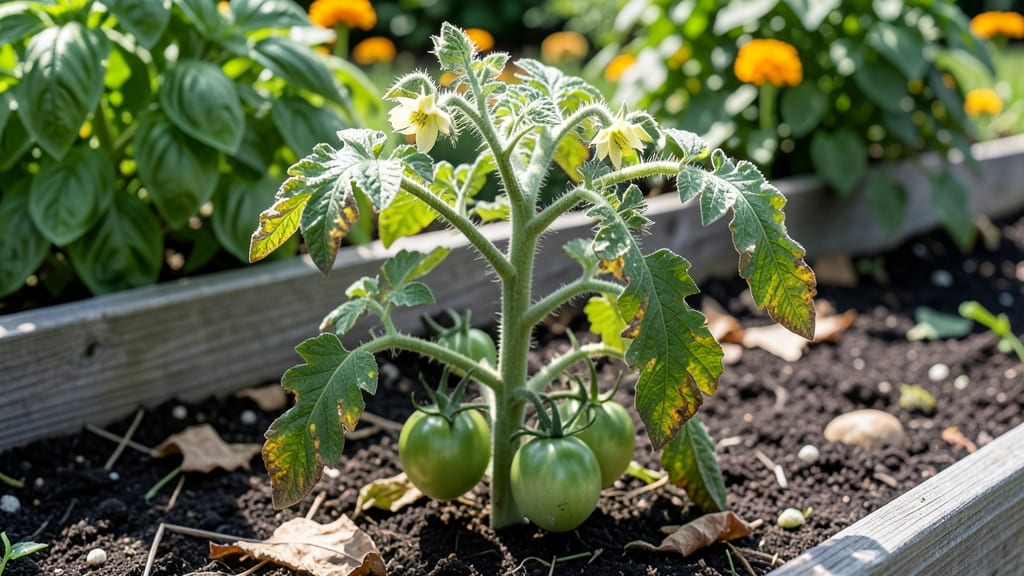
Your tomatoes are developing those unsightly catface stripes—those thick, puckered ridges that ruin the smooth skin you love. 🌱 Honestly, I've wrestled with this problem after years of growing heirlooms, and I can tell you it's usually not what you think.
The culprit isn't always disease or pests, but often something as simple as inconsistent watering or calcium imbalance that you can fix before it worsens.
The good news? Catface is 90% preventable with a few smart adjustments. I've learned that keeping soil evenly moist (not soggy, not dry) and adding crushed eggshells or lime to the soil can work wonders.
Even a foliar spray of calcium nitrate can reverse the issue mid-season. Most gardeners overlook how much watering patterns affect fruit development—small changes here make a huge difference.
What you'll end up with are tomatoes that look as good as they taste—smooth, vibrant, and free of those unsightly ridges. The flavor stays rich and sweet, just like you remember from the grocery store (but way better).
Once you understand the root causes, you'll spot the warning signs early and stop the problem before it starts.
This works for both container-grown tomatoes and in-ground plants, and the fixes apply to all tomato varieties—whether you're growing cherry tomatoes, beefsteaks, or those heirloom striped beauties. Let's get those tomatoes back to their smooth, perfect selves.
📚 In This Guide
- What you need
- Instructions
- Tips and common mistakes
- Wrapping up and next steps
What you need
- ● 1 ripe heirloom tomato (preferably Brandywine, Cherokee Purple, or Roma—their firmness holds up well to carving)
- ● 1 small potato (for the "cat face" mold—Russet or Yukon Gold work best)
- ● 1 tbsp olive oil (for slicing and shine)
- ● 1 tsp salt (plus extra for seasoning)
- ○ Fresh basil or parsley (for garnish, optional but highly recommended!)
- ● Sharp chef’s knife (or a vegetable peeler for precision)
- ● Cutting board (preferably with a non-slip mat)
- ● Small bowl (for water or olive oil to prevent sticking)
- ● Toothpicks or small skewers (to secure the stripes)
- ● Paper towels (for drying slices)
- ● Food-safe paintbrush (for drizzling olive oil or balsamic glaze)
- ● Edible gold leaf or sprinkles (for a whimsical touch!)
- ● Citrus zester (to add lemon zest for brightness)
- ● Mini cookie cutter (to shape the potato "cat face" template)
How to grow Catface tomatoes for striking stripes and sweet flavor
This heirloom variety delivers dramatic purple stripes and juicy, sweet fruit with minimal fuss.
🌱 Step 1: Start Seeds Indoors for Early Growth
Begin seeds 8-10 weeks before your last frost date using seed-starting mix in 2-3 inch deep pots. Fill containers to the top, then press the mix down lightly until firm but not compacted. This ensures roots establish quickly when you transplant later.
Plant 2 seeds per pot at a depth of ¼ inch—just enough to cover them lightly. Use your finger to make a small hole, drop in the seeds, then cover with a sprinkle of additional mix. Mist gently until the soil surface looks evenly damp but not soggy. Catface seeds germinate best at 75-80°F, so use a seedling heat mat if your home runs cooler.
☀️ Step 2: Provide Consistent Light and Warmth
Once sprouts emerge (usually in 7-14 days), move pots to a south-facing window or under grow lights for 14-16 hours daily. Without enough light, seedlings stretch toward the window and develop weak stems. You’ll see strong seedlings with dark green leaves and compact spacing between growth nodes.
Keep soil consistently moist but never waterlogged—tap the pot occasionally to check if the top inch feels dry. If condensation forms on the leaves after watering, wipe it away to prevent fungal issues. After 4-6 weeks, when seedlings have 3-4 true leaves, it’s time to transplant them into larger containers or the garden.
🪴 Step 3: Transplant to Garden or Large Containers
Choose a spot with full sun (6-8 hours daily) and well-draining soil. Catface tomatoes thrive in slightly acidic to neutral soil (pH 6.0-7.0). If planting in containers, use 5-gallon pots with drainage holes to accommodate their strong root systems.
Dig holes twice as wide as the root ball but only as deep as the container. Gently remove seedlings, tease apart roots if crowded, and place them in the hole. Fill with soil, firm lightly, and water deeply to settle everything. Stake or cage each plant immediately—Catface varieties grow 4-6 feet tall and benefit from support to prevent sprawling.
💧 Step 4: Water and Fertilize for Bold Stripes
Water at the base 1-2 inches per week, adjusting for rain. Keep soil evenly moist but avoid soggy conditions, which can cause blossom-end rot. Mulch around plants with 2-3 inches of organic mulch to retain moisture and suppress weeds. You’ll notice the purple stripes deepen under consistent moisture and warmth.
Fertilize every 2-3 weeks with a balanced 10-10-10 fertilizer once flowers appear. Too much nitrogen early on reduces fruiting—switch to a 5-10-10 formula once fruit sets. Prune suckers (the small shoots in the leaf axils) to direct energy toward fruit production and airflow.
⏰ Step 5: Harvest and Enjoy the Striped Reward
Catface tomatoes ripen 75-85 days after transplanting, so mark your calendar. Harvest when the fruit is fully colored and slightly soft to the touch. The stripes will be most vibrant when picked at peak ripeness—waiting too long can dull their intensity.
Store in a cool, dark place for 1-2 weeks or use immediately in salads, sauces, or slicing. The flavor is sweeter and more complex than standard varieties, with a perfect balance of acidity and sugar. Save seeds from the best-tasting tomatoes for next year’s garden!
Tips & tricks for growing stunning Catface tomatoes
Here's what nobody tells you about growing these dramatic striped beauties—tricks that'll make all the difference between garden-average and showstopper tomatoes.
Seedling Heat Secret: That 75-80°F germination range isn't just a suggestion—it's critical. I learned this the hard way after watching seeds take 3 weeks to sprout in a cool basement. Use a seedling heat mat if your home runs cooler than 70°F, or place pots on top of your fridge. The difference in germination speed is dramatic—you'll see sprouts in just 7-10 days instead of waiting for the full 14 days.
Lighting Upgrade: The 14-16 hours of daily light in Step 2 isn't negotiable for strong seedlings. If your south-facing window isn't getting enough sun (especially in early spring), invest in a simple LED grow light. I use a 24-watt bulb just 6 inches above seedlings—it costs pennies to run and prevents that classic "leggy" seedling syndrome where stems stretch like toothpicks trying to reach the light.
Transplant Timing: Those 3-4 true leaves in Step 3 are your golden cue—don't rush it! I've transplanted too early before, and the seedlings struggled to recover. Wait until you see the third set of true leaves (not the initial seed leaves) before moving to larger containers. The roots will be stronger and better prepared for the garden shock.
Soil Science: The pH range of 6.0-7.0 matters more than you might think for those vibrant stripes. Test your soil before planting—most home test kits work fine. If your soil tests above 7.0, mix in peat moss or sulfur to lower the pH slightly. I've seen Catface tomatoes with noticeably deeper stripes when grown in slightly acidic soil compared to neutral.
Pro Tips for Catface In Tomato
- Here's what nobody tells you about growing these dramatic striped beauties—tricks that'll make all the difference between garden-average and showstopper tomatoes.
- Seedling Heat Secret: That 75-80°F germination range isn't just a suggestion—it's critical.
- Lighting Upgrade: The 14-16 hours of daily light in Step 2 isn't negotiable for strong seedlings.
Frequently asked questions
Got questions about growing or using tomatoes with that striking "catface" striped pattern? We’ve got answers!
Whether you’re curious about care tips, timing, or troubleshooting, here’s what you need to know.
What causes the "catface" stripes on tomatoes?
The iconic stripes are a genetic trait from heirloom varieties like ‘Catface’ or ‘Striped Roman’. No special soil or sunlight tricks—just pick a striped seed or grafted plant! The stripes fade slightly when ripe but stay bold enough to impress.
How long does it take for "catface" tomatoes to ripen?
Expect 70–90 days from transplant to harvest, similar to other heirlooms. Stripes don’t affect ripening speed, but cooler weather may slow color development. Monitor for red (fully ripe) or pink (ready to eat) stages—stripes stay visible!
Can I grow "catface" tomatoes in containers?
Use a 5-gallon pot with drainage and support (like a cage). Just ensure full sun (6+ hours/day) and consistent watering. Container-grown tomatoes often ripen faster due to warmer soil—perfect for small spaces or balconies!
What if my "catface" tomatoes lose their stripes?
Stripes may fade with overripe fruit or poor genetics (e.g., cross-pollination). To preserve them:
- Harvest early when stripes are boldest.
- Avoid mixing varieties in the same garden.
- Store in cool, dark places to slow fading.
Are "catface" tomatoes tastier or different from regular ones?
Flavor depends on the variety! Most striped tomatoes (like ‘Catface’) are meaty, slightly sweet, and great for slicing or sauces. Stripes are purely visual—taste tests show they’re just as delicious as non-striped heirlooms. Try them in caprese salads or sun-dried slices!
Wrapping up and next steps
Growing a catface tomato at home isn’t just about adding a whimsical touch to your garden—it’s a rewarding way to enjoy bold, striped flavors without the complexity. Whether you’re a seasoned gardener or a curious beginner, these vibrant varieties bring excitement to your table with minimal fuss. 🌱
Ready to take the next step? Start by choosing your favorite catface variety—like 'Striped Roman' or 'Black Krim'—and gather your supplies. Then, plant with confidence, knowing your efforts will soon be rewarded with showstopping tomatoes that taste as good as they look!
Pro tip: Share your harvest with friends or experiment with recipes to make the most of your striped bounty. 🍅✨