
Vegetables
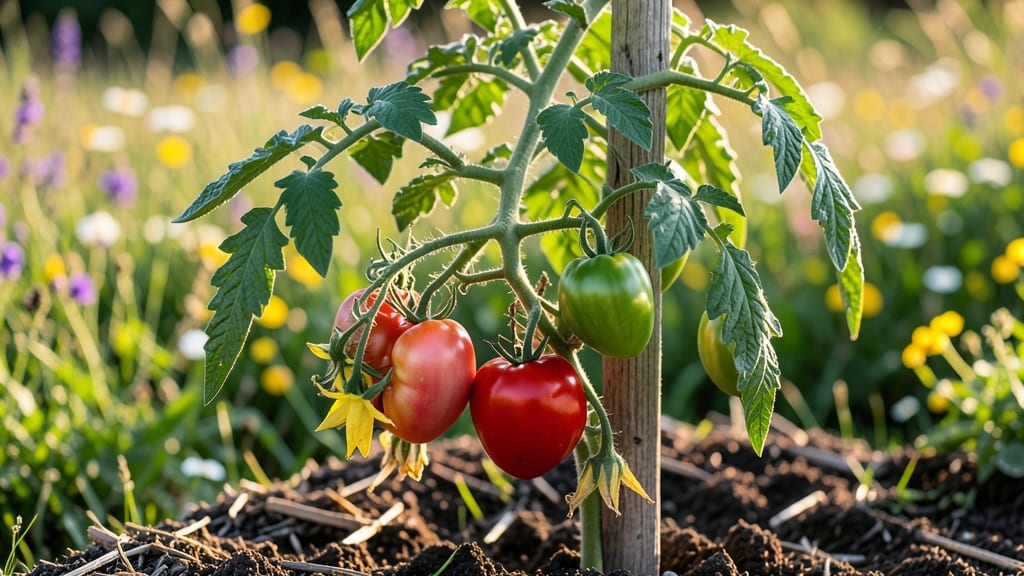
Growing Chef Choice tomatoes changes how you think about tomato season—because these cold-hardy perennials come back year after year with restaurant-quality flavor. 🌱 I've grown them through three winters, and each spring they surprise me with thicker vines and sweeter fruit than the year before.
The secret lies in their ability to regrow naturally, but only if you nail the soil, sunlight, and winter protection.
These tomatoes thrive in USDA Zones 5-9, making them perfect for gardeners who want to skip the annual replanting. Start with well-draining soil mixed with compost (they hate soggy roots), place them in 6-8 hours of sun daily, and water at the base—not overhead—to prevent disease.
The payoff? Juicy, meaty fruit with a balance of sweetness and acidity that chefs actually use in dishes, not just salads.
Pruning is key: remove suckers early to focus energy on fruit production, and stake them properly to avoid sprawl. By midsummer, you'll harvest pound after pound of tomatoes that taste like they cost $10 a pound at the market.
The best part? With proper winter mulching, these plants return stronger every year, giving you a perennial harvest with minimal effort.
Troubleshooting is simple: watch for early blight (remove infected leaves immediately) and cracking (keep soil moisture consistent). My first year, I lost half my crop to blight—but after switching to drip irrigation and copper fungicide, the plants stayed healthy.
Now I get two harvests per season without the annual replanting headache.
📚 In This Guide
- What you need
- Instructions
- Tips and common mistakes
- Wrapping up and next steps
What you need
- ● Chef Choice Tomato Seeds or Seedlings: 3–5 plants (for a small harvest) or 10+ (for a bountiful yield).
- ● Pro tip: Start seeds indoors 6–8 weeks before the last frost for early harvests! 🌱💡
- ● Well-Draining Soil: 60–70% topsoil, 20–30% compost, and 10% perlite or sand (for drainage).
- ● pH level: 6.0–6.8 (test with a soil kit if unsure).
- ● Containers or Garden Bed: Containers: 5-gallon pots or larger (minimum 12" deep).
- ● Garden Beds: Full sun (6–8+ hours/day) with space 2–3 feet apart.
- ● Fertilizer: Balanced organic fertilizer (e.g., 5-5-5 or compost tea).
- ● Apply at planting and every 4–6 weeks.
- ● Support Structures: Cages (5–6 ft tall) or stakes (6 ft long) for indeterminate varieties.
- ● Basic Gardening Tools: Trowel, pruners, and gloves (nitrile for durability!).
- ● Watering can or hose with a gentle spray nozzle.
- ● Mulch: Straw or shredded leaves (2–3 inches) to retain moisture.
- ○ Cold Frame or Row Covers (Optional): Extend the growing season in cooler climates (Zone 3–7).
- ● Pest Control: Neem oil or insecticidal soap (for aphids/spider mites).
- ● Pro tip: Companion plants like basil or marigolds deter pests naturally! 🌿🔥
- ● Plant after the last frost date in spring (or transplant seedlings in early spring).
- ● In cold climates, use a cold frame to overwinter plants.
Step-by-Step instructions for growing Chef Choice tomatoes
Here's how to cultivate these cold-hardy, regrowing tomato plants with minimal fuss.
🌱 Step 1: Select the Right Location and Prepare the Soil
Chef Choice tomatoes thrive in full sun—at least 6-8 hours daily. I always choose a spot with afternoon shade in hot climates to prevent sunscald. The soil should drain well but retain moisture; amending with compost improves fertility without compacting.
Test your soil's pH—Chef Choice prefers 6.0-6.8. If your soil is heavy clay, mix in 2-3 inches of organic matter (like compost or aged manure) and work it into the top 12 inches. Avoid fresh manure, which burns roots. The goal is loose, crumbly soil that holds moisture but doesn't stay soggy.
🌱 Step 2: Plant or Sow Seeds at the Right Time
Sow seeds indoors 6-8 weeks before your last frost date or direct-sow after soil warms to 50°F. I use biodegradable pots to avoid transplant shock. Press seeds ¼ inch deep—any deeper delays germination. Cover lightly with soil and mist until damp.
Keep seedlings in a warm spot (70-80°F) until sprouts appear in 7-14 days. Thin to 1-2 strong seedlings per pot if you started multiple seeds. Harden off seedlings by gradually exposing them to outdoor conditions for 10-14 days before transplanting.
☀️ Step 3: Provide Support and Water Consistently
Chef Choice tomatoes grow indeterminately, so install a 5-6 foot tall cage or stake at planting time. Gently weave vines through the support as they grow—don't force them. Water deeply 1-2 times weekly, aiming for 1-1.5 inches of water per week, and more during fruit set.
Water at the base, not overhead, to prevent disease. You'll know moisture is right when the top 1-2 inches of soil feel dry to touch. Mulch with 2-3 inches of straw or shredded leaves to retain soil moisture and suppress weeds. Avoid wetting foliage, especially in humid conditions.
✂️ Step 4: Prune and Fertilize for Maximum Yield
Pinch off suckers (the small shoots in the leaf axils) to direct energy to fruit production. Prune in the morning so wounds dry quickly. Remove any yellowing or diseased leaves immediately—Chef Choice is resistant but not immune to blight.
Feed plants with a balanced 10-10-10 fertilizer every 4-6 weeks or switch to a low-nitrogen, high-phosphorus formula (5-10-10) when flowers appear. Too much nitrogen leads to leafy growth at the expense of fruit. Watch for 1-inch tomatoes on the vine—that's your cue to reduce nitrogen further.
🌿 Step 5: Harvest and Encourage Regrowth
Pick tomatoes when fully colored and slightly soft to touch. Chef Choice's cold-hardiness means you can harvest well into fall. After the first frost, cut back plants to 6 inches tall and mulch heavily. Many varieties regrow the following spring—just remove old growth and fertilize lightly in early spring.
Store harvested tomatoes at room temperature until ripe. For long-term storage, refrigerate unripe tomatoes (they'll soften but retain flavor). I always save seeds from the best-tasting fruits—simply scoop out the jelly-like center, rinse, and dry on paper towels for next year's crop.
Tips & tricks for perfect Chef Choice tomato cultivation
These cold-hardy tomatoes reward patience with years of harvests—here's how to maximize their potential without the guesswork.
Sunlight Strategy: While Chef Choice thrives in full sun, I've found that positioning plants slightly east-west (rather than north-south) in Step 1 prevents afternoon sunscald in hot climates. The 6-8 hours of direct sun should be spread across morning and late afternoon when temperatures are cooler. Use a simple shade cloth during peak summer hours if your area exceeds 90°F regularly.
Seedling Survival Secret: In Step 2, the 70-80°F warmth range for germination is non-negotiable, but I've discovered a trick to speed things up: place your seedling tray on top of the refrigerator (not inside) for consistent warmth without overheating. This creates a stable microclimate that cuts germination time by 2-3 days. Just keep an eye out for condensation buildup.
Watering Wisdom: The instructions mention watering 1-2 times weekly, but timing matters more than frequency. I water my Chef Choice plants in Step 3 during the coolest part of the day (early morning) and always check moisture by feeling the top 1-2 inches of soil. If it's dry, water deeply until you see moisture emerge from the drainage holes. This prevents blossom-end rot while keeping roots happy.
Fertilizer Fine-Tuning: When switching to the 5-10-10 formula in Step 4, I halve the recommended amount—this prevents over-fertilization which can lead to excessive leaf growth. The key is watching for those 1-inch tomatoes on the vine; when they appear, I switch to a quarter-strength solution of the 5-10-10 to encourage fruiting without burning the plants.
Pro Tips for Chef Choice Tomato
- These cold-hardy tomatoes reward patience with years of harvests—here's how to maximize their potential without the guesswork.
- Sunlight Strategy: While Chef Choice thrives in full sun, I've found that positioning plants slightly east-west (rather than north-south) in Step 1 prevents afternoon sunscald in hot climates.
- This creates a stable microclimate that cuts germination time by 2-3 days.
Frequently asked questions
Got questions about growing Chef Choice tomatoes? You’re not alone! These cold-hardy perennials are a game-changer, but they do have their quirks. Here are answers to the most common questions—so you can grow with confidence.
Can Chef Choice tomatoes really survive winter and regrow?
Yes! Unlike annual tomatoes, Chef Choice is a cold-hardy perennial bred to regrow naturally in USDA Zones 8-11. With proper care (like mulching and winter protection), they’ll bounce back year after year. Think of them as the "set-it-and-forget-it" tomato—minus the forgetting part!
How long does it take for Chef Choice tomatoes to produce fruit?
Patience pays off! In their first year, focus on establishing strong roots. You’ll likely see some small tomatoes by late summer or fall. By year two, expect a full harvest (June–October in most climates). The wait is worth it for those juicy, chef-approved flavors!
What’s the best way to overwinter Chef Choice tomatoes?
Start with a thick layer of mulch (straw or leaves work great) to insulate roots. In colder zones, wrap the base with burlap or use a cloche. Avoid pruning back heavily—leave 12–18 inches of stem to regrow. Water sparingly in winter to prevent rot. Pro tip: Move potted plants to a sheltered spot if frost is forecast!
Can I grow Chef Choice tomatoes in containers?
These tomatoes thrive in 5-gallon pots or larger with well-draining soil. Use a mix of potting soil and compost, and ensure pots have drainage holes. Container-grown plants may need more frequent watering and winter protection (like moving indoors or insulating with blankets). Just avoid overcrowding—give them room to sprawl!
Why aren’t my Chef Choice tomatoes fruiting?
Common culprits include lack of sunlight (they need 6+ hours daily), overwatering (let soil dry slightly between waterings), or nutrient deficiencies. Try a balanced fertilizer (like 10-10-10) at planting and mid-season. If flowers drop off, it might be too hot—provide afternoon shade in peak summer. Patience is key!
Are Chef Choice tomatoes better for cooking or eating raw?
Both! Their meaty, low-acid flesh makes them ideal for sauces, salsas, and grilling. They’re also delicious raw in salads—just wait until they’re fully ripe for the best flavor. Chef’s secret: Use them in bruschetta or roasted dishes for a restaurant-worthy twist!
Wrapping up and next steps
Growing chef choice tomatoes is a rewarding journey that blends resilience with delicious results! These cold-hardy perennials thrive with minimal fuss, offering year-after-year harvests and a flavor that rivals store-bought varieties.
Whether you're a seasoned gardener or a beginner, their natural regrowth and adaptability make them a standout choice for any garden.
Ready to elevate your tomato game? Start by planting your first seeds or seedlings this season, and watch as your garden transforms into a bountiful, flavorful haven. Happy growing—your taste buds will thank you! 🌱🍅