
Vegetables
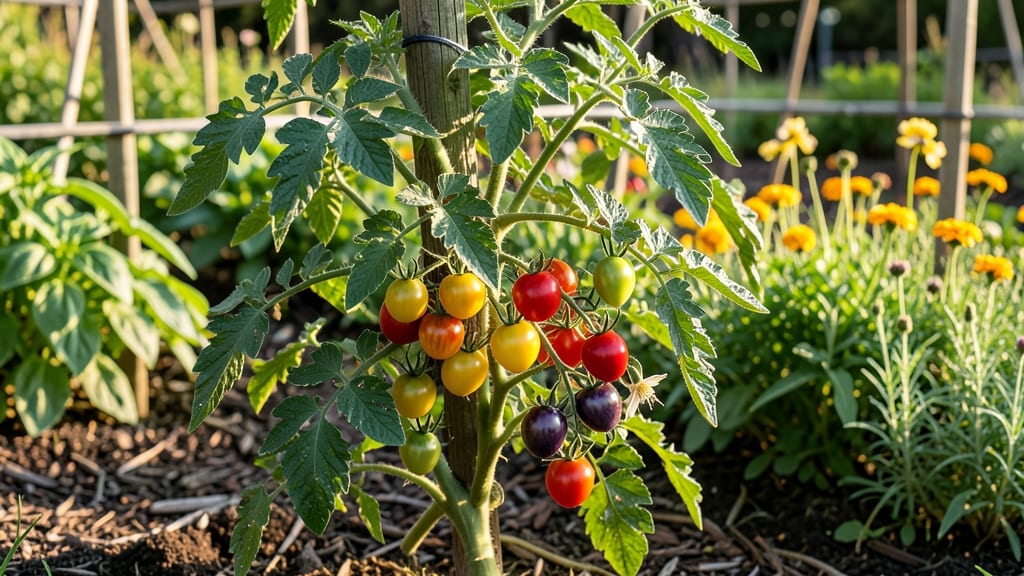
Growing colored cherry tomatoes with their stunning striped skins isn't just about pretty plants—it's about a harvest that stops neighbors in their tracks. 🌱 I've grown these showstoppers in containers for three seasons now, and the secret isn't complicated: it's matching their bold colors to the right growing conditions.
These tomatoes thrive in pots, producing clusters of yellow, green, purple, and striped fruits that taste just as vibrant as they look.
Their care routine is simple but precise: 6-8 hours of sun daily, well-draining soil with compost, and consistent watering that keeps roots moist but never soggy. Varieties like 'Sun Gold' and 'Black Cherry' need sturdy trellises to support their weight, while 'Green Zebra' stays compact enough for smaller containers.
Prune regularly to focus energy on fruit production, and watch those striped beauties turn your patio into a living art gallery.
By midsummer, you'll be snipping clusters of 1-inch jewels that burst with sweet-tart flavor and eye-catching patterns. The plants stay productive for weeks, and the more you pick, the more they produce. Plus, their unique colors make them perfect for gifting—every bite is a conversation starter.
Works equally well in 5-gallon containers or hanging baskets, making them ideal for balconies, patios, or small spaces. Here's how to grow them like a pro—no greenhouse required.
📚 In This Guide
- What you need
- Instructions
- Tips and common mistakes
- Wrapping up and next steps
What you need
- ● Seeds or seedlings: Heirloom or hybrid striped cherry tomato seeds (e.g., 'Green Zebra,' 'Black Krim,' or 'Sun Gold') – 5–10 seeds (or 2–3 seedlings if starting with plants).
- ● Containers: 5–10 gallon pots (at least 12" deep) with drainage holes – 1 per plant (or larger shared containers for multiple plants).
- ○ Fabric grow bags (optional but great for root aeration).
- ● Growing medium: High-quality potting mix (sterile, well-draining, and enriched with compost). 1 bag (1–2 cubic feet) per container.
- ● Perlite or vermiculite (for improving drainage; 1 part per 4 parts soil).
- ● Fertilizer: Balanced organic fertilizer (e.g., 5-5-5 or 10-10-10) – 1 tbsp per plant at planting.
- ● Tomato-specific fertilizer (high in potassium and phosphorus; follow package rates).
- ● Tools: Trowel or small hand shovel.
- ● Watering can with a gentle rose nozzle (to avoid soil erosion).
- ● Pruning shears (for trimming suckers and shaping plants).
- ● Support system: Cage or stake (5–6 ft tall) – 1 per plant.
- ● Twine or soft plant ties (for securing vines).
- ● Location: Full sun (6–8+ hours daily) – balconies, patios, or sunny windowsills work!
- ● Warmth: Soil temps above 55°F (13°C) (use a seedling heat mat if starting indoors early).
- ● Watering: Consistent moisture (1–1.5 inches per week; avoid soggy soil).
- ○ Drip irrigation or self-watering system (optional but helpful for container gardens).
- ● Pest control: Neem oil or insecticidal soap (for aphids, whiteflies, or spider mites).
- ○ Row covers (optional, for early-season protection from pests).
- ● Mulch: Straw or shredded leaves (to retain moisture and suppress weeds).
Step-by-step guide to growing stunning colored cherry tomatoes in containers
Here's how to coax those vibrant striped tomatoes into fruit—container-friendly and foolproof.
🌱 Step 1: Select the Right Variety and Planting Time
Choose a striped heirloom variety like 'Indigo Rose' or 'Black Krim' for dramatic colors. These thrive in containers and produce fruit with striking purple, yellow, or green stripes. Start seeds indoors 6-8 weeks before your last frost date—early enough for transplants to mature before fall cools down.
I always plant mine in early spring (March-April in most climates) because the cooler soil temperatures prevent bolting. If you're in a warm region, opt for late summer planting to avoid summer heat stress. The key is giving plants 10-12 weeks of warm weather to set fruit.
🪴 Step 2: Prepare Large Containers with Proper Drainage
Use 5-gallon containers (minimum) with drainage holes—striped tomatoes need deep root space to support their vines and heavy fruit. I repurpose fabric grow bags or plastic pots with saucers to prevent soil-borne diseases. Fill the bottom 2 inches with gravel or perlite for drainage, then add high-quality potting mix mixed with compost for nutrients.
Don’t skimp on soil—striped tomatoes are heavy feeders. Amend the mix with slow-release fertilizer (like 5-10-10) at planting. Press the soil down gently but don’t compact it—you want roots to spread easily. The surface should feel firm to touch but still crumble when squeezed.
☀️ Step 3: Plant and Provide Support for Vertical Growth
Transplant seedlings when they have 4-5 true leaves and are 4-6 inches tall. Bury them deeper than their original pot—up to the first set of leaves—to encourage strong root development. Place 2-3 plants per 5-gallon container, spacing them 12 inches apart to allow airflow and prevent disease.
Install a tomato cage or trellis immediately—striped varieties grow 4-6 feet tall and need support. I use 5-foot bamboo stakes tied with soft twine to avoid damaging stems. Pinch off suckers (the small shoots in leaf axils) to direct energy into fruit production. Watch for first flower clusters in 6-8 weeks—this is when you’ll see those signature striped blooms.
💧 Step 4: Water and Feed for Vibrant Fruit Development
Water deeply 2-3 times per week, aiming for 1-1.5 gallons per plant—striped tomatoes need consistent moisture to prevent cracking or bland flavor. Water at the base only (never overhead) to avoid fungal issues like early blight. The soil should feel damp 2 inches down but not soggy.
Feed every 2-3 weeks with a balanced liquid fertilizer (like 10-10-10) or fish emulsion for organic growers. When flowers appear, switch to a low-nitrogen, high-phosphorus fertilizer (like 5-10-5) to boost fruiting. You’ll know you’re on track when new leaves emerge every 5-7 days and flowers turn into small green tomatoes within 2 weeks.
✂️ Step 5: Prune and Harvest for Continuous Production
Prune suckers weekly to maintain an open canopy—this improves airflow and sunlight penetration, which is critical for those bold stripes to develop fully. Remove yellow or diseased leaves immediately to prevent spread. When fruit reaches 1-1.5 inches, harvest regularly to encourage more blooms.
Striped tomatoes ripen unevenly—some may stay green while others stripe dramatically. Pick fully colored fruit (even if slightly soft) for best flavor. In containers, expect 2-3 harvests per plant over 8-10 weeks. Save seeds from your best striped tomatoes by fermenting them in water for 3-5 days before drying.
Tips & tricks for growing stunning striped tomatoes
These game-changing insights will help you coax those vibrant striped tomatoes into showstopping fruit—even in containers.
Variety Matters: The striped varieties like 'Indigo Rose' or 'Black Krim' produce the most dramatic colors, but they need the right conditions. These heirlooms thrive in containers because their compact growth habit suits limited space, but they still require the same care as their vine counterparts. I’ve found that starting seeds indoors 6-8 weeks before last frost gives them the head start they need to produce fruit within that critical 10-12 week warm season window. If you’re in a warm climate, late summer planting avoids summer heat stress that can stunt growth.
Container Setup Secrets: The 5-gallon container minimum isn’t arbitrary—striped tomatoes develop deep root systems to support their heavy fruit. I’ve had the best success with fabric grow bags or plastic pots with saucers, which prevent soil-borne diseases. That 2-inch gravel layer at the bottom isn’t just for drainage—it mimics natural aeration and prevents root rot. When mixing your potting soil, add compost and slow-release fertilizer right at planting; these tomatoes are heavy feeders and won’t tolerate poor soil.
Support System Strategy: Those 4-6 foot tall plants need sturdy support from day one. I’ve tried everything from tomato cages to bamboo stakes, but the bamboo tied with soft twine gives the most natural look while preventing stem damage. The key is installing support immediately after transplanting—waiting until the plant gets top-heavy can lead to broken stems. And don’t forget to pinch off those suckers weekly; it’s tedious, but it directs all that energy into fruit production instead of leafy growth.
Watering Wisdom: The 1-1.5 gallons per plant, 2-3 times weekly guideline might seem like a lot, but striped tomatoes need consistent moisture to develop their signature stripes and prevent cracking. I’ve learned the hard way that overhead watering leads to fungal issues—always water at the base. The soil should feel damp 2 inches down; if it’s bone dry, you’re watering too little. If it’s soggy, you’re overdoing it. A moisture meter is worth the investment for perfect timing.
Pro Tips for Colored Cherry Tomatoes
- These game-changing insights will help you coax those vibrant striped tomatoes into showstopping fruit—even in containers.
- Variety Matters: The striped varieties like 'Indigo Rose' or 'Black Krim' produce the most dramatic colors, but they need the right conditions.
- Container Setup Secrets: The 5-gallon container minimum isn’t arbitrary—striped tomatoes develop deep root systems to support their heavy fruit.
Frequently asked questions
Got questions about growing colored cherry tomatoes with those stunning striped patterns? You’re not alone! Here are some of the most common queries—and their answers—to help you cultivate confidence (and colorful tomatoes) in your container garden.
How long does it take for striped cherry tomatoes to ripen?
Striped varieties like ‘Indigo Rose’ or ‘Black Krim’ typically take 70–85 days from transplant to harvest, depending on climate and growing conditions. Start seeds indoors 6–8 weeks before the last frost for a head start. Patience pays off—those vibrant stripes deepen as they ripen!
Can I grow striped cherry tomatoes in containers?
These compact varieties thrive in 5-gallon containers or larger (at least 12–18 inches deep). Use a well-draining potting mix and support vines with a cage or trellis. Just ensure containers get 6–8 hours of sunlight daily—they’re sun-worshippers!
Why aren’t my striped tomatoes changing color?
Color development fades if temps drop below 55°F (13°C) or if plants lack sunlight. Move containers to a sheltered, sunny spot and mulch to retain warmth. Over-fertilizing with nitrogen can also dull colors—switch to a balanced 10-10-10 or tomato-specific fertilizer instead.
Are striped cherry tomatoes sweeter than regular ones?
Yes! Many striped varieties (like ‘Rainbow’ or ‘Sun Gold’) pack higher sugar content and a tangier flavor than classic red tomatoes. Their unique hues often signal richer antioxidants too—perfect for snacking or gourmet dishes.
What’s the best alternative if striped tomatoes fail?
Try ‘Sweet 100’ (red/orange) or ‘Tumbling Tom’ (cherry-sized, disease-resistant) for containers. For bold colors, ‘Brandywine’ (striped heirloom) or ‘Black Beauty’ (deep purple) are great backups. Just ensure they get consistent water and support—no plant is a total loss!
Still stumped? Drop your question in the comments—we’ve got your garden’s back!
Wrapping up and next steps
Growing colored cherry tomatoes like the vibrant Sun Gold or Black Krim is a rewarding way to add bold flavors and visual appeal to your container garden! 🌈 With the right soil, sunlight, and care, you’ll enjoy a bountiful harvest that’s as fun to grow as it is delicious.
Whether you’re a beginner or a seasoned gardener, these striped beauties prove that even small spaces can yield big rewards.
Ready to take the next step? Start with a single pot this season—experiment with varieties, and soon you’ll be sharing your colorful harvest with friends (or your dinner plate!). Happy growing! 🌱