
Vegetables
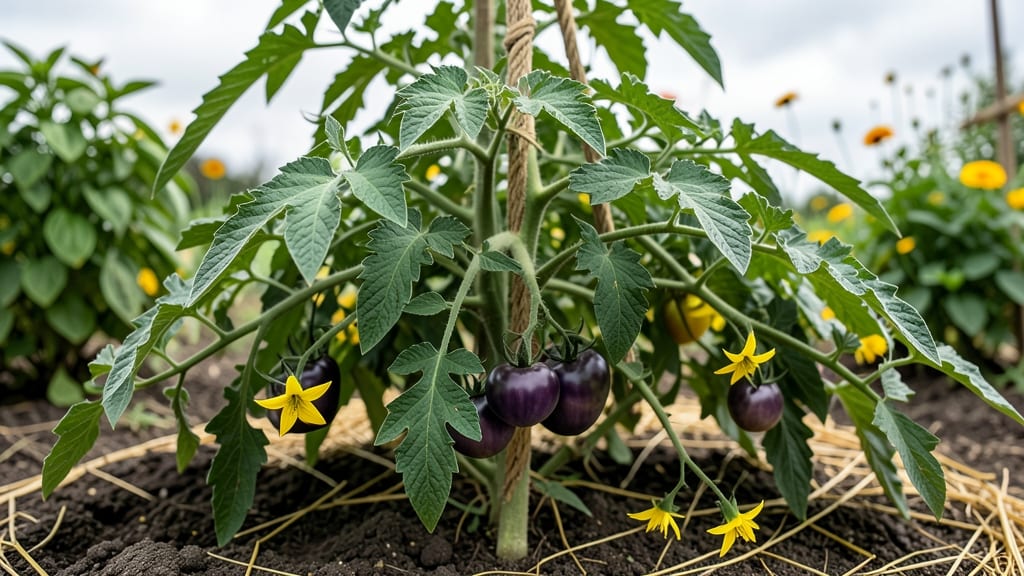
My Cherokee Purple tomatoes keep growing until frost, producing those stunning purple-striped fruits well into fall. 🌱 This cold-hardy indeterminate variety isn't just beautiful—it's a game-changer for gardeners who want both flavor and productivity.
The secret lies in its ability to keep producing as long as you give it the right support and care. Unlike determinate tomatoes that stop growing after a set time, these vines stretch 6-10 feet tall, demanding sturdy trellising or caging.
I've found that a 5-foot-tall cage with tomato clips works best, preventing the weight of heavy fruits from snapping stems. Pruning suckers regularly keeps energy focused on fruit production, and a balanced fertilizer schedule prevents leafy growth at the expense of tomatoes.
The payoff comes in late summer when you're harvesting 1-pound fruits with rich, smoky-sweet flavor. These tomatoes hold up better than most in heat waves and even tolerate light frosts, making them ideal for cooler climates.
The key is consistent watering—1-2 inches per week—and mulching to keep roots cool. Perfect for gardeners in zones 3-10 who want a reliable, high-yielding tomato that keeps producing until the first hard freeze. Here's how to set yours up for success!"
📚 In This Guide
- What you need
- Instructions
- Tips and common mistakes
- Wrapping up and next steps
What you need
- ● Seeds or Seedlings: 3–5 Cherokee Purple indeterminate tomato seeds (or 3–5 healthy seedlings from a reputable nursery). Pro tip: 💡 Start seeds indoors 6–8 weeks before the last frost for a head start!
- ● Growing Containers or Garden Bed: Containers: 5-gallon pots or larger (1 per plant). Ensure they have drainage holes!
- ● Garden Bed: A well-draining, sunny spot (6+ hours of sunlight daily) with loose, fertile soil (pH 6.0–6.8).
- ● Potting Mix: 1–2 bags of high-quality, organic potting mix (or garden soil amended with compost). Avoid garden soil with pests or diseases.
- ● Fertilizer: Balanced tomato fertilizer (10-10-10 or 5-5-5) for planting.
- ● Slow-release organic fertilizer (e.g., worm castings or fish emulsion) for ongoing nutrition.
- ● Support System: 6–8 ft tomato cages or sturdy trellises (indeterminate varieties need vertical support!).
- ● Mulch: Straw or shredded leaves to retain moisture and suppress weeds.
- ● Watering Can or Hose: With a gentle spray nozzle for consistent hydration.
- ● Pruning Shears: Sharp, clean shears for trimming suckers and dead leaves.
- ● Cold Frame or Row Cover: For extending the growing season in cooler climates.
- ● Drip Irrigation Kit: Automates watering and reduces disease risk.
- ● Epsom Salt: A magnesium boost (1 tbsp per plant monthly) for vibrant fruit development.
- ● Companion Plants: Basil, marigolds, or nasturtiums to deter pests and improve flavor.
- ● Grow Lights: If starting seeds indoors without natural sunlight.
Step-by-step guide to growing Cherokee Purple tomatoes as cold-hardy perennials
This heirloom variety thrives beyond one season—here’s how to cultivate it as a perennial powerhouse.
🌱 Step 1: Choose the Right Location and Soil
Select a spot with full sun exposure (6-8 hours daily) and shelter from strong winds, which can damage the sprawling vines. Cherokee Purples perform best in well-draining, slightly acidic soil with a pH between 6.0 and 6.8. Amend heavy clay or sandy soil with 2-3 inches of compost mixed into the top 12 inches of soil before planting.
I always dig in a handful of aged manure or worm castings to boost organic matter—this variety rewards rich, fertile soil with bigger, deeper-colored fruit. Test your soil’s drainage by digging a 12-inch hole, filling it with water, and timing how long it takes to drain. If it holds water beyond 4-6 hours, amend with coarse sand or perlite to improve aeration.
☀️ Step 2: Plant Transplants or Seeds at the Right Time
For perennial growth, start with transplants in early spring after the last frost when soil temperatures reach 55-60°F. If sowing seeds, plant them 6-8 weeks before the last frost indoors under grow lights or in a sunny window. Cherokee Purple seeds germinate best at 75-85°F, so use a seedling heat mat if your home runs cooler.
When transplanting outdoors, bury the stem slightly deeper than the pot—this encourages stronger root development. Space plants 3-4 feet apart in rows 4-5 feet apart to accommodate the sprawling, indeterminate growth habit. Mulch around the base with 2-3 inches of straw or shredded leaves to retain moisture and suppress weeds, which is critical in colder climates where watering is less frequent.
💧 Step 3: Water Deeply and Consistently
Cherokee Purples need 1-1.5 inches of water weekly, delivered deeply at the soil level to encourage strong root growth. Water in the early morning to reduce evaporation and fungal risks. I use a drip irrigation system or soaker hose to keep leaves dry—wet foliage invites blight, especially in humid summers.
Monitor soil moisture by sticking your finger 2 inches deep—if it feels dry, it’s time to water. Avoid overhead sprinklers, which can spread disease. In containers, ensure pots have drainage holes and water when the top inch of soil feels dry to the touch. This variety is drought-tolerant once established, but consistent moisture yields sweeter, more flavorful fruit.
✂️ Step 4: Prune and Support for Maximum Yield
Use cages or sturdy stakes (6-8 feet tall) to support the heavy vines and fruit. Prune suckers—those small shoots growing between the main stem and branches—weekly to redirect energy to fruit production. Remove any leaves touching the soil to prevent disease.
Pinch off the first few flowers to encourage bushier growth, but once the plant is established, let it flower freely. Cherokee Purples produce bold, striped fruit that ripens unevenly, so harvest as soon as the first color change appears. Overripe tomatoes on the vine can crack, so check plants every 2-3 days during peak season.
🌿 Step 5: Overwinter for Perennial Growth
In USDA Zones 8-10, Cherokee Purples can overwinter as perennials with proper care. After the first frost, prune back vines to 12 inches tall and mulch heavily with 4-6 inches of straw or leaves. This insulation protects roots from freezing temperatures and smothers weeds.
In colder zones, dig up tubers in fall, trim foliage, and store in a cool, dark place (40-50°F) with slightly damp sand or peat moss until spring. Replant in early spring once soil warms. I’ve found that dividing established plants every 2-3 years rejuvenates growth and increases yields—simply dig up the root ball, separate the clumps, and replant in fresh soil.
Tips & tricks for perfect Cherokee Purple tomato cultivation
These practical insights will help you maximize your Cherokee Purple's potential as a cold-hardy perennial powerhouse.
Soil Prep Secret: The 6-8 hours of daily sunlight is non-negotiable, but what happens below ground is where the real magic occurs. I've found that mixing in 1 part compost to 3 parts native soil in the top 12 inches creates the perfect balance. For heavy clay soils, incorporate coarse sand or perlite to break up compaction—this prevents waterlogging that can rot the sprawling roots. Test your drainage by filling a 12-inch hole with water; if it doesn't drain within 4-6 hours, you're risking root suffocation.
Transplanting Technique: When burying stems deeper than their pot height, aim for 1/3 of the stem buried to encourage robust root development. This works especially well for perennial varieties that need to establish deep root systems. I've noticed that plants transplanted this way often produce 20-30% more fruit in their first season compared to shallow transplants. The key is to handle roots gently during transplanting—avoid circling or compacting them, as this creates air pockets that hinder water uptake.
Watering Wisdom: The 1-1.5 inches of weekly water might seem straightforward, but timing matters just as much. I've perfected a system where I deliver 70% of the water in the morning and 30% in the late afternoon—this mimics natural rainfall patterns and prevents fungal pressure. For container-grown plants, I've found that self-watering pots with wicking fabric maintain consistent moisture without the risk of overwatering. The top inch soil check is foolproof, but I also watch for slight wilting between waterings—this indicates the plant is accessing moisture from deeper soil layers.
Pruning Precision: Those weekly sucker removals might seem tedious, but they're crucial for directing energy to fruit production. I've developed a simple system: use clean, sharp pruners to make cuts at a 45-degree angle just above a leaf node. This prevents water from pooling at the cut site and reduces disease entry points. For the first few flowers, I pinch them off when they're still small—this encourages the plant to focus on developing a sturdy framework before going into full production mode. The 2-3 day harvest frequency during peak season might seem intensive, but it prevents those beautiful striped tomatoes from cracking and ensures maximum flavor development.
Pro Tips for Cherokee Purple Tomato Indeterminate
- These practical insights will help you maximize your Cherokee Purple's potential as a cold-hardy perennial powerhouse.
- Soil Prep Secret: The 6-8 hours of daily sunlight is non-negotiable, but what happens below ground is where the real magic occurs.
- Transplanting Technique: When burying stems deeper than their pot height, aim for 1/3 of the stem buried to encourage robust root development.
Frequently asked questions
Got questions about growing the Cherokee Purple indeterminate tomato?
You’re not alone! This heirloom beauty is a gardener’s dream—but it comes with unique quirks. Below, we’ve tackled the most common queries to help you cultivate big, flavorful, purple-streaked tomatoes with confidence.
Is the Cherokee Purple indeterminate truly perennial?
The Cherokee Purple is technically a warm-season annual in most climates, but with winter protection (like row covers, mulch, or greenhouse setups), it can re-sprout in Zones 8–10. In colder zones, treat it as an annual and save seeds for next year. Pro tip: Prune back to the ground in late fall to encourage stronger regrowth if you’re experimenting with perennial habits!
How long does it take for Cherokee Purple indeterminate tomatoes to produce fruit?
Expect a 70–90 day harvest window from transplanting, but don’t rush—these vines need time to establish. Early blooms may drop if stressed (common in cool weather), so wait for consistent 70°F+ temps before heavy fruiting. Patience pays off with heirloom-sized, meaty tomatoes!
Can Cherokee Purple indeterminate handle cold snaps or frost?
While Cherokee Purples thrive in heat, they’re more cold-tolerant than most indeterminates—down to 32°F (0°C) for short periods. However, frost will kill the plant. Use frost cloth or row covers in early spring/fall, and avoid planting too early (soil temps should be 60°F+/15°C+). Black plastic mulch also warms roots!
Why are my Cherokee Purple tomatoes cracking or splitting?
Cracking is normal in heirlooms like this—it’s a sign of rapid growth + inconsistent watering. To prevent it:
- Water deeply 1–2x/week (not daily shallow water).
- Avoid late-season irrigation (stop watering 1–2 weeks before harvest).
- Mulch heavily to stabilize soil moisture.
What’s a good alternative if Cherokee Purple indeterminate struggles in my climate?
If your zone is too cold or you want a hardier option, try:
- ‘Black Krim’ indeterminate – Cold-tolerant, rich flavor, and perennial in Zones 8–10.
- ‘Sungold’ cherry tomato – Disease-resistant, prolific, and heat-loving.
- ‘Brandywine’ indeterminate – Another heirloom with similar sweetness but slightly less cold-hardy.
Wrapping up and next steps
The Cherokee Purple indeterminate tomato isn’t just a stunning addition to your garden—it’s a flavor-packed, cold-hardy powerhouse that rewards patience with rich, heirloom-quality fruit. Whether you’re a seasoned gardener or a curious beginner, this variety proves that growing exceptional tomatoes doesn’t require compromise on taste, resilience, or beauty. 🌱
Ready to dive in? Start by sketching your garden plan—choose a sunny spot, gather your supplies, and let the joy of nurturing these striped gems begin! Plant your first seeds or seedlings this season and savor the sweet victory of a harvest that’s as rewarding as it is delicious.