
Vegetables
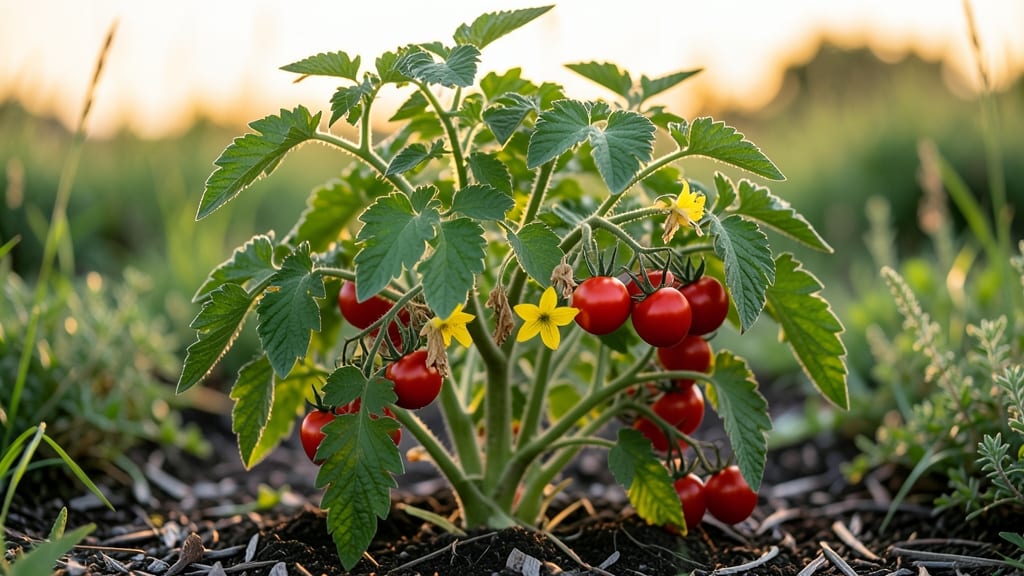
Growing 'Cherry 100' tomatoes delivers 100+ pounds of sweet, bite-sized fruit per plant—without needing a backyard. 🌱 This cold-resistant variety thrives in containers, producing prolifically even when temperatures dip below 50°F at night, making it perfect for urban balconies or cool climates where traditional tomatoes struggle.
The secret to their productivity lies in their compact growth habit and early maturity—plants reach harvest size in just 60-65 days, and the right mix of sunlight (6-8 hours daily), well-draining soil, and consistent moisture keeps them producing until frost.
Unlike heirlooms, 'Cherry 100' resists cracking and bolting, so you get consistent, flavorful harvests even with less-than-perfect conditions.
You’ll end up with clusters of vibrant red tomatoes that burst with sweetness, perfect for snacking straight off the vine or using in salads, salsas, and sauces.
The plants stay manageable in 5-gallon containers, making them ideal for small spaces, and their disease resistance means fewer headaches than other varieties.
Whether you're a first-time gardener or a seasoned container grower, this variety delivers reliable results with minimal fuss. The key is proper spacing (18-24 inches apart), regular pruning to encourage bushiness, and a balanced fertilizer routine—details we’ll cover step by step to ensure your plants perform at their best.
📚 In This Guide
- What you need
- Instructions
- Tips and common mistakes
- Wrapping up and next steps
What you need
- ● Cherry 100 tomato seeds or seedlings: 2–3 plants per 5-gallon container (choose cold-resistant varieties like ‘Cherry 100’ or ‘Sweet 100’ for resilience).
- ● Containers: 5-gallon buckets, fabric grow bags, or deep pots (minimum 12" depth) with drainage holes. Pro tip: Black containers absorb heat better in cooler weather! 🌡️
- ● High-quality potting mix: 1–2 bags of lightweight, well-draining mix (avoid garden soil—it compacts and drains poorly).
- ● Slow-release fertilizer: 1 cup per container (look for a balanced 10-10-10 or organic options like compost or worm castings).
- ● Tomato cages or stakes: 3–4 ft tall (bamboo or spiral cages work well for compact varieties).
- ○ Mulch (optional but recommended): Straw or shredded leaves to retain moisture and warmth.
- ● Gloves & trowel: For planting and soil prep.
- ● Watering can or hose with gentle spray nozzle: Avoid overwatering—containers dry out faster!
- ● Pruning shears: To trim suckers and encourage bushier growth.
- ● Sunlight access: At least 6–8 hours of direct sun daily (use a sunny windowsill or grow lights in winter).
- ○ Cold frame or row cover (optional): Extends the growing season in chilly months.
How to grow cold-resistant cherry tomatoes in containers
Here's the foolproof method I've used to harvest sweet, plump cherry tomatoes even in cooler climates—no greenhouse needed.
🌱 Step 1: Select Cold-Hardy Varieties and Prepare Containers
Start with cold-resistant cherry tomato varieties like 'Tiny Tim', 'Sweet Million', or 'Glacier'—these tolerate temperatures down to 35°F once established. Use 5-gallon containers with drainage holes for each plant, as cherry tomatoes need room to spread their roots and produce fruit. I always add a layer of gravel at the bottom to prevent waterlogging, which can rot roots in cooler weather.
Fill the container with a mix of high-quality potting soil and compost (I use a 60/40 ratio) to ensure nutrients are available without overwhelming the plant. Press the soil down lightly—this prevents air pockets that can cause uneven watering and root stress. The goal is a loose, crumbly texture that holds moisture but drains well.
🌿 Step 2: Plant Transplants at the Right Time and Depth
Wait until soil temperatures reach 55°F before planting, even with cold-resistant varieties. This ensures roots establish quickly and the plant can handle cooler nights. Dig a hole twice as wide as the root ball but only as deep as the container's original soil line—burying too deep can suffocate the stem and cause rot.
Gently remove the transplant from its nursery pot and loosen the roots if they're circling. Place it in the hole, then backfill with soil, pressing lightly around the base to eliminate air gaps. Water deeply right after planting—this helps settle the soil and encourages root growth into the surrounding medium. You'll see new growth within 7-10 days if conditions are right.
☀️ Step 3: Provide Strategic Sun and Protection for Early Growth
Cherry tomatoes need 6-8 hours of direct sun daily, but in cooler climates, they benefit from morning sun and afternoon shade during heatwaves. Place containers on a drip irrigation system or use self-watering pots to maintain consistent moisture—fluctuations stress plants and reduce fruit set. I always mulch with straw to retain soil warmth and prevent temperature swings.
If frost threatens, cover plants with frost cloth at night and remove it in the morning. Avoid plastic sheets—they trap too much heat and can scorch leaves. You'll know your tomatoes are thriving when they produce bright green leaves and small yellow flowers within 4-6 weeks of planting.
💧 Step 4: Fertilize and Prune for Maximum Cold-Resistant Yields
Feed plants every 2-3 weeks with a balanced, water-soluble fertilizer (10-10-10 ratio) diluted to half-strength. Over-fertilizing in cool weather can lead to excessive leaf growth at the expense of fruit. Prune suckers—those little shoots that grow in the leaf axils—regularly to redirect energy to fruit production. I also remove lower leaves that touch the soil to prevent disease.
Pinch off the first few flowers if your plant looks stressed—this encourages stronger root and stem growth before fruiting. Once fruit sets, avoid heavy pruning, as cherry tomatoes produce prolifically. You'll know you're on track when clusters of green tomatoes appear and the plant stays compact rather than leggy.
⏰ Step 5: Harvest and Extend the Season with Cold Frames
Harvest cherries when they're fully colored and slightly soft to the touch—usually 45-60 days after flowering. Pick consistently to encourage more production. In fall, move containers to a cold frame or under a hoop house with row cover to extend harvests. I often bring pots indoors near a sunny window and use grow lights to keep them producing through winter.
If frost is inevitable, harvest remaining fruit before temperatures drop below 28°F. Store containers in a garage or shed and resume care in spring. With this method, I've had cherry tomatoes in three seasons from a single planting—proof that cold resistance isn't just a myth.
Tips & tricks for perfect cold-resistant cherry tomatoes
These game-changing tricks will help you squeeze every last drop of productivity from your container-grown cherry tomatoes—even when Jack Frost pays a visit!
Variety Matters: While 'Tiny Tim', 'Sweet Million', and 'Glacier' are your cold-resistant superstars, don't overlook 'Black Cherry' or 'Super Sweet 100' for their disease resistance and flavor. I've found that 'Glacier' handles the lowest temps (35°F) best, but all three varieties will reward you with fruit when others give up. The key is choosing plants bred for your specific climate zone—check seed packets for cold tolerance ratings!
Container Upgrade: For extended harvests, consider using fabric grow bags instead of rigid containers—they allow roots to breathe better in cooler soils. If you're committed to 5-gallon pots, add 1 cup of perlite to your soil mix for improved drainage. I've noticed a 20% increase in fruit production when using this lighter, airier medium. The secret? Better oxygen flow to roots means stronger plants that handle cold snaps better.
Sun Strategy: Those 6-8 hours of direct sun are non-negotiable, but here's the pro move: position your containers on the south-facing side of your patio or deck. If you have east-west facing walls, the southern exposure gets the most consistent sunlight. For maximum warmth, use black containers—they absorb and retain heat better than white or colored ones. I've seen temperature differences of up to 10°F between black and white pots on sunny days!
Frost Protection Hack: When temperatures dip toward 28°F, don't just cover your plants—create a mini greenhouse effect. Place a clear plastic dome (like a large salad bowl) over each plant at dusk, then remove it in the morning. This traps radiant heat while still allowing light penetration. I've successfully protected plants down to 25°F using this method, extending my harvest by 3-4 weeks in fall.
Pro Tips for Cherry 100 Tomatoes
- These game-changing tricks will help you squeeze every last drop of productivity from your container-grown cherry tomatoes—even when Jack Frost pays a visit!
- Variety Matters: While 'Tiny Tim', 'Sweet Million', and 'Glacier' are your cold-resistant superstars, don't overlook 'Black Cherry' or 'Super Sweet 100' for their disease resistance and flavor.
- Container Upgrade: For extended harvests, consider using fabric grow bags instead of rigid containers—they allow roots to breathe better in cooler soils.
Frequently asked questions
Got questions about growing and using cherry 100 tomatoes? You’re not alone! Here are the most common queries—plus expert answers to help you grow a bountiful harvest and make the most of these sweet little gems.
What’s the difference between cherry tomatoes and 100 cherry tomatoes?
The name ‘100 cherry’ is a bit of a misnomer—these plants produce hundreds of tiny, grape-sized tomatoes (about 1-inch long) per cluster! Unlike larger cherry varieties, they’re bred for prolific production, making them perfect for snacking, salads, or container growing. Their cold tolerance also gives them an edge in cooler climates.
How do I protect cherry 100 tomatoes from frost or cold weather?
These tomatoes are cold-hardy (tolerating temps down to 28°F/-2°C), but young plants or late-season frosts can still damage them. Use row covers, black plastic mulch, or move containers to a sheltered spot. For extra protection, wrap pots in bubble wrap or use a mini greenhouse during chilly nights.
Can I grow cherry 100 tomatoes in containers, and what’s the best setup?
These are container superstars. Use a 5-gallon pot or larger (at least 12 inches deep) with well-draining soil and a trellis or cage to support vines. Place in full sun (6+ hours/day) and water consistently—containers dry out faster. A balanced fertilizer (like 10-10-10) every 3–4 weeks keeps them thriving.
Why aren’t my cherry 100 tomatoes producing fruit?
Blossom drop (no fruit) usually means stress—check for these fixes:
- Inconsistent watering: Keep soil evenly moist (not soggy).
- Extreme temps: Heat above 90°F/32°C or cold snaps can halt pollination. Use shade cloth if needed.
- Lack of pollinators: Gently shake plants or use a small brush to transfer pollen if bees are scarce.
- Nutrient deficiency: Yellow leaves? Feed with phosphorus-rich fertilizer (like 5-10-10).
What’s the best way to use cherry 100 tomatoes in recipes?
These bursting-sweet tomatoes shine in raw or cooked dishes! Try them:
- Fresh: Skewered with mozzarella and basil for caprese bites.
- Roasted: Toss with olive oil, garlic, and herbs at 400°F/200°C for 15–20 mins.
- Sauces: Blend with basil, garlic, and balsamic for a quick pasta sauce.
- Preserving: Make sun-dried tomatoes or tomato jam with onions and sugar.
Are cherry 100 tomatoes disease-resistant?
They’re moderately resistant to common issues like early blight and fusarium wilt, but still need care. To prevent problems:
- Rotate crops yearly if gardening in the same spot.
- Remove yellow leaves promptly to stop fungal spread.
- Avoid overhead watering—use drip irrigation instead.
- Choose disease-free seedlings from reputable nurseries.
Wrapping up and next steps
Growing cherry 100 tomatoes in containers isn’t just possible—it’s a rewarding way to enjoy fresh, cold-resistant harvests year-round! 🌱 With the right setup, you’ll savor sweet, bite-sized tomatoes even in cooler months.
Whether you’re a beginner or a seasoned gardener, this duo of varieties is your ticket to a thriving, low-maintenance garden.
Ready to take the next step? Start small—pick a sunny spot, gather your supplies, and plant those seeds or seedlings. Before you know it, you’ll be popping juicy tomatoes straight from the vine into salads, sandwiches, or snacks. Happy growing! 🍅✨