
Vegetables
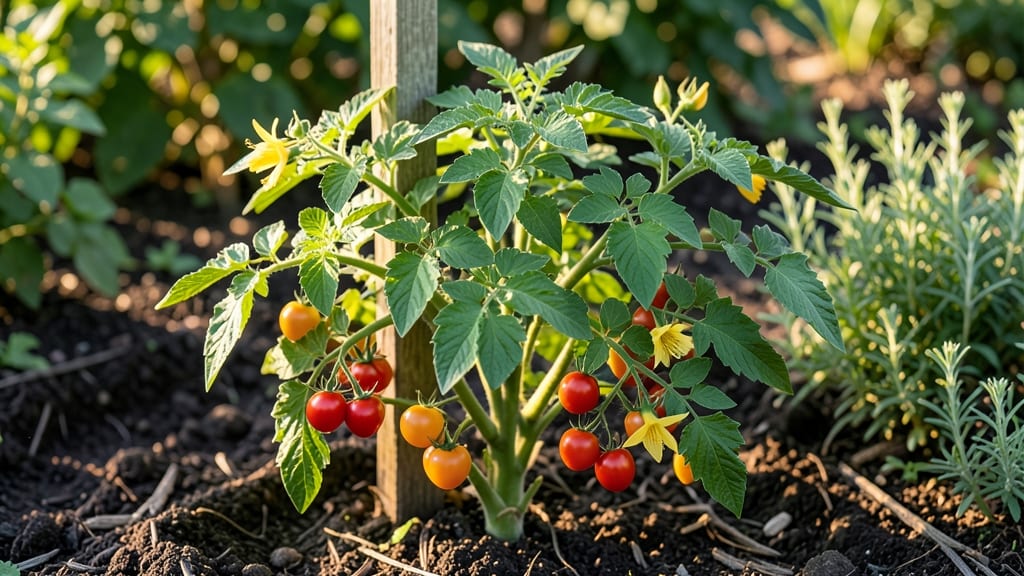
Cold-resistant organic cherry tomatoes that regrow from scraps sound like magic—but it’s a real technique I’ve used to extend my harvest well past the first frost. 🌱 The secret lies in choosing the right varieties (like 'Solar Fire' or 'Tiny Tim') that tolerate cooler temps and can regenerate from stem cuttings, plus a few organic growing tweaks that keep pests at bay without chemicals.
My first attempt failed when I ignored soil warmth—these tomatoes need at least 55°F to thrive, so I now use black plastic mulch to warm the soil faster.
Organic compost tea gives them a gentle nutrient boost without the burn of synthetic fertilizers, and I’ve swapped neem oil for synthetic pesticides with great success. By harvesting clusters when they’re half-ripe and storing them indoors, I’ve stretched my season by 4-6 weeks. The regrowth trick?
Save the stem above a leaf node, dip it in rooting hormone, and plant it—you’ll see new shoots in 2-3 weeks, ready for another round of fruit. Works for balconies, greenhouses, or even sunny windowsills. Here’s how to make it happen without breaking the bank or the planet.
📚 In This Guide
- What you need
- Instructions
- Tips and common mistakes
- Wrapping up and next steps
What you need
- ● Organic cherry tomato seeds or scraps: Cold-resistant varieties like ‘Solar Fire’, ‘Mountain Merit’, or ‘Tiny Tim’ (3-5 seeds or 2-3 scraps per plant).
- ○ Optional: Pre-sprouted seeds for a head start.
- ● Containers: 5–10-inch diameter pots (1 per plant) with drainage holes.
- ○ Optional: Self-watering planters or grow bags for convenience.
- ● Potting mix: 2–3 gallons of organic, well-draining mix (e.g., 60% coco coir, 30% perlite, 10% compost).
- ● Regrowing scraps: 1–2 inches of stem with 2–3 leaves (from store-bought organic cherry tomatoes).
- ● Basic tools: Small hand trowel or spoon.
- ● Spray bottle (for misting seeds).
- ● Pruning shears (for trimming scraps).
- ○ Growth aids (optional but helpful): Grow lights (LED full-spectrum, 12–16 hours/day for indoor setups).
- ● Fertilizer: Fish emulsion or compost tea (diluted to 1 tbsp per gallon of water).
- ● Heat mat (for starting seeds indoors, 70–80°F).
- ● Prerequisites: Sunny spot: 6+ hours of direct sunlight daily (or grow lights for indoor gardens).
- ● Watering schedule: Consistent moisture (avoid soggy soil!).
Step-by-step guide to growing cold-resistant organic cherry tomatoes
A few smart choices make all the difference—here's how to grow organic cherry tomatoes that thrive even in cooler climates.
🌱 Step 1: Select and Prepare Your Cold-Resistant Varieties
Start with cold-tolerant heirloom varieties like 'Sweet Million,' 'Tiny Tim,' or 'Black Cherry.' These handle 50-55°F nights better than most tomatoes. I always buy organic seeds or seedlings from reputable growers to avoid chemical residues—no hybrid F1 seeds unless labeled organic.
Soak seeds overnight in lukewarm water to soften the outer coating. This speeds germination by 24-48 hours and helps young roots establish faster. Use a quart-sized jar with a damp paper towel—just enough moisture to keep seeds hydrated but not soggy. Place the jar in a warm spot (70-75°F) overnight.
☀️ Step 2: Start Seeds Indoors 6-8 Weeks Before Last Frost
Fill 2-3 inch deep biodegradable pots with sterile seed-starting mix—no garden soil—to prevent damping-off. Press the mix down gently and create ¼-inch deep holes with your finger. Drop 1-2 seeds per pot (you'll thin later) and cover lightly with a sprinkle of mix.
Keep the soil consistently moist (not wet) by misting with a spray bottle. Place pots in a seedling heat mat set to 75-80°F for faster germination. Expect sprouts in 5-10 days. Once they emerge, move pots to a south-facing window or under grow lights for 14-16 hours daily—without enough light, seedlings stretch and weaken.
🪴 Step 3: Harden Off and Transplant After Frost Risk Passes
Two weeks before your last frost date, start hardening off seedlings. Place them outside in a sheltered, shaded spot for 1-2 hours the first day. Gradually increase time by 1 hour daily until they can handle full sun exposure. This toughens stems and prevents transplant shock.
When nighttime temps stay above 50°F, transplant seedlings into the garden. Bury stems deeper than usual—up to the first true leaves—to encourage stronger root growth. Space plants 18-24 inches apart in well-draining, organic-rich soil. Add a 2-inch layer of compost around each plant to boost cold resistance.
💧 Step 4: Water and Mulch for Cold Tolerance
Water deeply once a week (or more in heatwaves) to encourage deep root growth—shallow watering stresses plants. Always water at the base, not overhead, to prevent disease. Use a drip irrigation system if possible—it delivers moisture slowly and evenly.
Apply 3-4 inches of organic mulch (straw or shredded leaves) around plants to insulate roots and retain moisture. Mulch also suppresses weeds, which compete for nutrients. In unexpected cold snaps below 40°F, cover plants with frost cloth at dusk and remove by mid-morning—this buys them 10-15°F of extra protection.
✂️ Step 5: Prune and Harvest for Continuous Regrowth
Pinch off suction shoots (small shoots growing from the stem) to redirect energy to fruit production. Remove lower leaves that touch the soil to prevent disease. Prune only in morning hours so wounds dry quickly—this reduces rot risk.
Harvest when tomatoes are fully colored but still slightly firm—this encourages more flowers and fruit. Cut stems with scissors (don’t twist) to avoid damaging the plant. Save healthy scraps (like the top 2 inches of stem with leaves) to regrow—place them in water until roots form, then transplant into soil. With proper care, you can get 2-3 harvests per plant before winter.
Tips & tricks for growing cold-resistant organic cherry tomatoes
Here's what nobody tells you about growing these resilient, regrowable tomatoes—these tricks will help you avoid common pitfalls and maximize your harvest.
Seedling Heat Mat Hack: If you don't have a seedling heat mat, place your pots on top of your refrigerator (set to its warmest setting) to maintain that critical 75-80°F temperature range. I learned this the hard way after my first batch of seeds took 14 days to sprout instead of the expected 5-10 days—the difference was just a few degrees of warmth. For even better results, cover the pots with a clear plastic dome or bag to trap heat and humidity.
Lighting Solution: South-facing windows aren't always enough for strong seedlings. If your window light feels weak, supplement with a simple LED shop light (about $20) placed 6-12 inches above the seedlings. The 14-16 hours daily of light requirement is non-negotiable—without it, seedlings stretch toward light and become leggy, which makes them more susceptible to disease. Rotate pots daily so all sides get even exposure.
Transplanting Pro Tip: When burying stems deeper than usual during transplanting (up to the first true leaves), make sure the soil is loose and airy around the buried portion. Packed soil can suffocate developing roots. Also, water thoroughly right after transplanting to help settle the soil and eliminate air pockets. This deeper planting technique is what gives these cold-resistant varieties their strength—don't skip it!
Cold Snap Rescue: For those unexpected drops below 40°F, I've found that combining frost cloth with a lightweight row cover adds an extra 5-10°F of protection beyond the 10-15°F the frost cloth alone provides. Remove covers by mid-morning to prevent overheating, and make sure to secure them tightly so they don't blow away in wind. This two-layer approach has saved my plants during several late spring frosts.
Pro Tips for Cherry Tomatoes Organic
- Here's what nobody tells you about growing these resilient, regrowable tomatoes—these tricks will help you avoid comm...
- Seedling Heat Mat Hack: If you don't have a seedling heat mat, place your pots on top of your refrigerator (set to it...
- Lighting Solution: South-facing windows aren't always enough for strong seedlings. If your window light feels weak, s...
Frequently asked questions
Got questions about growing or using organic cherry tomatoes?
Here are some of the most common ones—plus quick, practical answers to help you thrive with these cold-resistant, scrappy varieties!
Can organic cherry tomatoes really regrow from scraps?
The secret lies in their stems. Place the cut end (with a few leaves) in water or moist soil, ensuring the stem stays hydrated. In 1-2 weeks, roots will sprout, and you’ll have a new plant ready to transplant. Just keep the soil warm (70°F+) for best results!
How cold-hardy are these varieties?
Most cold-resistant organic cherry tomatoes tolerate light frosts down to 28°F—but only for short periods. For long-term cold snaps, use row covers or move potted plants indoors. Varieties like ‘Tiny Tim’ or ‘Sweet Million’ are top picks for cooler climates.
What’s the best way to use organic cherry tomatoes?
Versatility is their superpower! Slice them raw for salads, roast with olive oil for a smoky snack, or blend into sauces (their sweetness shines!). For extra flavor, let them ripen fully on the vine—underripe ones lack that juicy punch.
Are organic cherry tomatoes more expensive than conventional ones?
Often yes, but the benefits (no synthetic pesticides, richer flavor) make them worth it. To save money, grow your own from scraps or buy in bulk during peak season (summer). Check local farmers’ markets for organic deals too!
How do I keep pests away from my organic cherry tomato plants?
Prevention is key! Use neem oil or companion plants (like basil or marigolds) to deter pests. Handpick aphids or hornworms early, and ensure good airflow to prevent fungal issues. Avoid chemical sprays—they’re organic, after all!
How long does it take for organic cherry tomatoes to bear fruit?
Patience pays off! From seed, expect 60-70 days for varieties like ‘Sweet 100.’ If regrowing from scraps, fruit may appear in 4-6 weeks (depending on light/temperature). Keep plants well-watered and fertilized for speedier results.
Wrapping up and next steps
From cold-hardy organic cherry tomatoes to the joy of regrowing scraps, you’ve unlocked a sustainable and delicious gardening secret! 🌱 Whether you’re a seasoned grower or just starting out, these varieties are perfect for extending your harvest—even in cooler climates.
Now’s the perfect time to plant, experiment, and savor the fresh, vibrant flavors of homegrown goodness.
Ready to take the next step? Try planting your own scraps this week—your future meals (and taste buds) will thank you! 🍅✨