
Vegetables
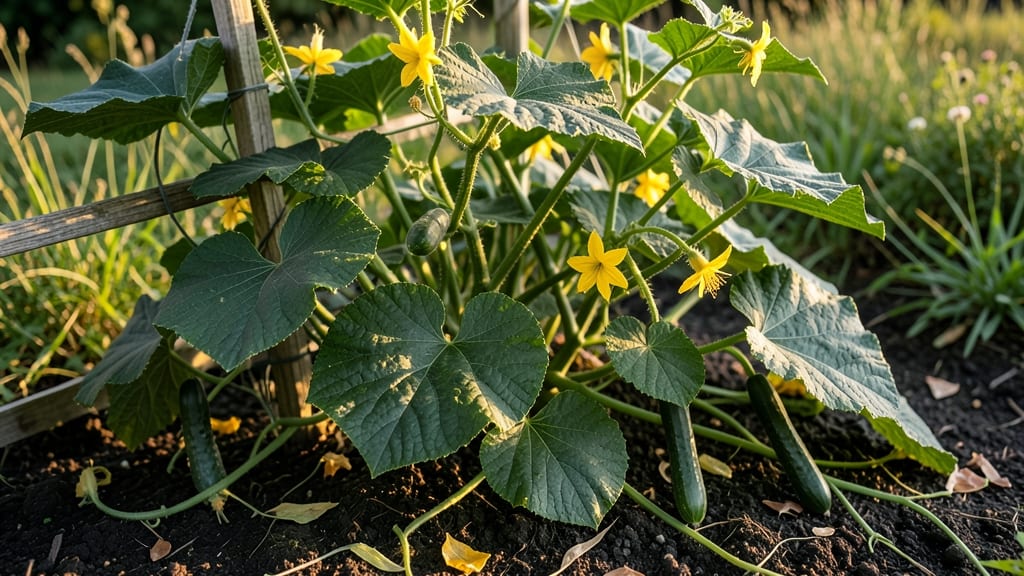
Growing Chicago Pickling cucumbers means crisp, vinegar-ready harvests even in cool climates. 🌱 I’ve grown this heirloom for years—it’s the only variety that thrives in my Zone 5 garden without bolting early.
The secret lies in timing, soil, and a few simple tricks to keep vines productive until the first frost. This cucumber loves rich, well-draining soil with a pH of 6.0-6.8 and at least 6 hours of direct sunlight daily.
Plant seeds 1 inch deep, 3-4 feet apart, and use trellises to save space—vines can sprawl up to 6 feet. Water consistently at the base (never overhead) to prevent mildew, and watch for cucumber beetles by using row covers early in the season.
By mid-July, you’ll be harvesting small, bumpy cucumbers perfect for pickling—just snip them when they’re 2-3 inches long. The flavor stays sweet and tangy even when left on the vine a few days longer. I’ve had vines produce well into October with proper care.
Perfect for beginners and experienced gardeners alike, this variety forgives mistakes better than most. Just avoid over-fertilizing with nitrogen—it’ll give you leaves, not cucumbers. Ready to grow your own pickles?
📚 In This Guide
- What you need
- Instructions
- Tips and common mistakes
- Wrapping up and next steps
What you need
- ● Seeds: 20–30 Chicago Pickling Cucumber seeds (heirloom, cold-tolerant variety).
- ● Growing Space: Direct sowing: 2–3 ft of space per plant (or 3–4 ft for bushier growth).
- ● Containers: 5-gallon pots or larger (minimum 12" deep).
- ● Soil: Well-draining, fertile soil with a pH of 6.0–6.8. Mix in 2–3 inches of compost or aged manure.
- ● Water: Consistent moisture (1–2 inches per week, especially during flowering/fruiting).
- ● Sunlight: Full sun (6–8 hours daily).
- ● Garden Tools: Trowel, pruners (for trellising), and a rake (for soil prep).
- ○ Trellis or Cage: Optional but recommended (4–6 ft tall) to support vines and improve air circulation.
- ● Mulch: Straw or shredded leaves (2–3 inches) to retain moisture and suppress weeds.
- ● Fertilizer: Balanced organic fertilizer (e.g., 5-5-5) at planting.
- ● Side-dress with compost tea or low-nitrogen fertilizer (e.g., 0-10-10) when flowers appear.
- ● Last frost date in your area (Chicago Pickling Cucumbers tolerate light frosts but prefer warm soil—wait until soil reaches 55°F+ for direct sowing).
- ● Patience! Germination takes 7–14 days in ideal conditions (warm, moist soil).
- ● Harvest readiness: 50–60 days after sowing (pick when 3–4 inches long for ideal pickling size!).
- ● Row covers (floating or lightweight fabric) for early-season protection from pests or chilly nights.
- ● Drip irrigation system for consistent watering.
- ● Epsom salt (1 tbsp per plant) at flowering to boost magnesium for better fruit set.
- ● Food-grade diatomaceous earth (for organic pest control).
Step-by-step guide to growing Chicago pickling cucumbers
Here's how to cultivate this cold-hardy variety for crisp, vinegar-perfect harvests—no greenhouse needed.
🌱 Step 1: Time Planting for Your Climate Zone
Chicago pickling cucumbers thrive when soil temperatures reach 55-60°F, typically 2-3 weeks after your last frost date. In colder regions, start seeds indoors 4-6 weeks before transplanting—they germinate best at 75-85°F. I always use a seedling heat mat for faster germination, especially in northern climates.
Once seedlings have 2-3 true leaves (not the initial seed leaves), they're ready for the garden. Harden them off by placing them outside for 1-2 hours daily over 7-10 days, gradually increasing exposure. Watch for sturdy stems—this means they're ready for transplanting.
☀️ Step 2: Choose the Perfect Sun-Dappled Spot
These cucumbers need full sun (6-8 hours daily) but tolerate partial shade better than most varieties. In Chicago's climate, I plant them near the west side of the garden, where they get afternoon sun but avoid the hottest midday rays. Soil should be well-draining—amend heavy clay with 2-3 inches of compost before planting.
Space plants 18-24 inches apart in rows 3-4 feet apart to allow air circulation. Crowding invites powdery mildew, and Chicago's humidity makes this a real risk. I always use trellises or cages—this variety grows 4-6 feet long and benefits from vertical support to keep fruit clean and off the ground.
💧 Step 3: Water Deeply and Consistently
Chicago pickling cucumbers demand 1-1.5 inches of water weekly, delivered at the base of the plant to prevent fungal diseases. I water early morning to reduce evaporation and fungal spores. Let the top 1-2 inches of soil dry between waterings—consistent moisture prevents bitter fruit, but soggy soil leads to rot.
Mulch with 2-3 inches of straw to retain moisture and suppress weeds. This is especially important in Chicago's hot summers—mulch keeps roots cool and reduces watering frequency. Watch for wilting leaves in the afternoon—this signals it's time to water again.
✂️ Step 4: Prune and Harvest for Maximum Crunch
Pinch off the first few flowers to encourage stronger vine growth. Once established, harvest every 2-3 days—pick cucumbers when they're 3-4 inches long for the best pickling texture. Leaving them on the vine longer makes them seedy and less crisp. I always use sharp pruners to avoid damaging the plant.
Remove yellowed or diseased leaves immediately to prevent spread. If powdery mildew appears (common in humid summers), spray with a baking soda solution (1 tbsp baking soda + 1 quart water + a drop of dish soap). Prune sucker growth (small shoots at the base of leaves) to direct energy to fruit production.
🌿 Step 5: Extend the Season with Cold Protection
Chicago pickling cucumbers tolerate light frosts but produce best in warm weather. In fall, cover plants with row fabric when nighttime temps drop below 50°F. I also use black plastic mulch in early spring to warm the soil faster. Harvest until the first hard frost, then compost remaining vines—don’t leave diseased plant matter in the soil.
Save seeds from your best cucumbers by letting 1-2 fruits fully mature on the vine. Dry them in a warm, dark place for 2 weeks before storing. This variety holds true to type, so you’ll get the same cold-hardy, crunchy harvest next year.
Tips & tricks for perfect Chicago pickling cucumber harvests
A few strategic moves will help you grow cucumbers that stay crisp and perfect for pickling—even in Chicago’s unpredictable climate.
Seedling Heat Mat Game-Changer: The 75-85°F germination range is non-negotiable, but don’t rely on your home’s warmth alone. A seedling heat mat raises soil temperature instantly, cutting germination time from 10-14 days to just 5-7 days. I’ve seen seedlings emerge in 4 days with this trick—especially critical when starting indoors 4-6 weeks before last frost. Place the mat under your seed trays and keep it on 24/7 until sprouts appear.
Soil Temperature Secret: That 55-60°F soil temperature threshold isn’t just about frost timing—it’s when cucumber roots become active. Use a soil thermometer to verify before transplanting. In Chicago’s heavy clay, I mix in 2-3 inches of compost and add a layer of black plastic mulch 1-2 weeks before planting. This raises soil temps by 5-10°F faster than compost alone, giving you a 2-week head start on the season.
Harvest Timing Precision: The 3-4 inch size window is tighter than it seems—harvest at 3 inches for maximum crunch, but don’t wait past 4 inches or you’ll lose that vinegar-perfect texture. I use a measuring tape with a magnetic clip to check cucumbers while I’m working in the garden. For continuous harvests, plant successive batches every 2 weeks after your initial transplanting date. This ensures you always have fresh 3-4 inch cucumbers ready for pickling.
Mildew Prevention Pro Tip: That baking soda spray (1 tbsp baking soda + 1 quart water + dish soap) works wonders, but apply it preventatively—not just when you see mildew. Spray plants every 7-10 days starting when vines reach 12 inches tall. The dish soap helps the solution stick to leaves, and I’ve found that adding 1 tsp of hydrogen peroxide (3%) to the mix boosts fungal resistance even more. Always spray in the early morning so leaves dry completely before evening humidity sets in.
Pro Tips for Chicago Pickling Cucumber
- A few strategic moves will help you grow cucumbers that stay crisp and perfect for pickling—even in Chicago’s unpredi...
- Seedling Heat Mat Game-Changer: The 75-85°F germination range is non-negotiable, but don’t rely on your home’s warmth...
- Soil Temperature Secret: That 55-60°F soil temperature threshold isn’t just about frost timing—it’s when cucumber roo...
Frequently asked questions
Got questions about growing or using Chicago Pickling Cucumbers?
Here are answers to the most common ones—from planting to pickling!
How long does it take for Chicago Pickling Cucumbers to mature?
These cold-hardy cucumbers typically reach maturity in 50–55 days from transplanting. With their quick growth, you can expect a steady harvest of crisp, vinegar-ready pickles within weeks of flowering. Plant early for a longer season!
Can I grow Chicago Pickling Cucumbers in containers?
These compact plants thrive in 5-gallon containers or larger with proper drainage. Ensure they get 6–8 hours of sunlight daily and stake or trellis them to save space. Just keep an eye on watering—containers dry out faster!
Are Chicago Pickling Cucumbers cold-hardy? How do I protect them from frost?
Yes! They tolerate cooler temps better than most cucumbers (down to 40°F). For extra protection, use row covers or black plastic mulch to extend the season. If frost threatens, harvest what you can—they won’t survive freezing, but they’ll keep producing until then!
What’s the best way to pick them for pickling?
Harvest when cucumbers are 2–3 inches long for ideal pickle size. Use sharp scissors or pruners to avoid damaging the vine. Pick frequently (every 2–3 days) to encourage more production—overripe cucumbers get seedy and lose their crunch!
What can I do if my Chicago Pickling Cucumbers turn yellow or bitter?
Yellowing often signals overwatering or nutrient deficiency (try adding compost or balanced fertilizer). Bitter taste? Likely due to stress from heat or drought. Shade cloth can help, or harvest earlier in the day when flavors are sweeter. Avoid planting near strong herbs like oregano, which can also cause bitterness.
Can I save seeds from Chicago Pickling Cucumbers?
Yes! Let a few cucumbers fully mature on the vine (turn yellow and soft) before harvesting. Scoop out the seeds, rinse them, and dry on a paper towel for 1–2 weeks. Store in a cool, dark place for next year’s garden—just note they may not be true to type if cross-pollinated.
Wrapping up and next steps
Growing Chicago Pickling cucumbers is a fantastic way to enjoy fresh, crunchy pickles straight from your garden—no fancy equipment or greenhouses needed! Their cold-hardy nature and prolific yields make them a top choice for both beginners and seasoned gardeners alike.
Whether you’re preserving jars for winter or whipping up quick refrigerator pickles, this variety delivers big flavor and texture with minimal effort.
Ready to dive in? Start small—plant a few seeds this season and let your curiosity (and pickle cravings!) guide you. Before you know it, you’ll be swapping store-bought pickles for homemade gems. Happy gardening—and happy snacking! 🥒✨