
Vegetables
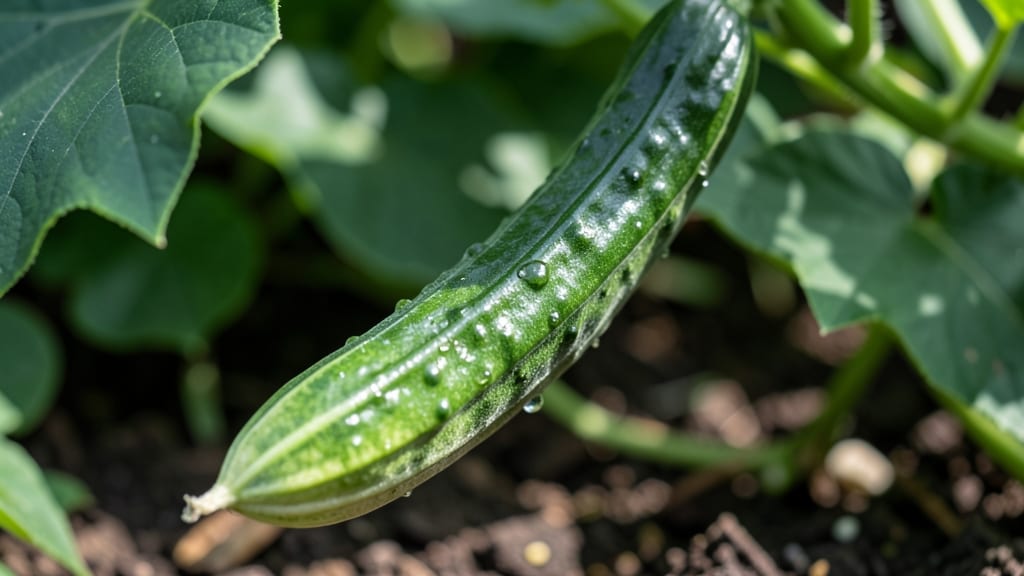
Growing Chinese snake cucumbers without soil changed everything about my summer harvests. 🌱 These vines produce sweet, snake-shaped fruits that thrive in containers, raised beds, or even hanging baskets—no traditional garden required. The key? Mimicking their natural tropical habitat with the right moisture, light, and support.
You’ll need bright, indirect light (6+ hours daily) and a well-draining growing medium—coconut coir or a mix of peat and perlite works perfectly. Water consistently to keep the soil evenly moist but never soggy, and provide a trellis or sturdy stake since these vines can climb 10-15 feet.
Prune leggy growth to encourage bushier, more productive plants.
Harvest begins 8-10 weeks after planting, when fruits reach 12-18 inches long and turn a glossy green. The flavor is mild, slightly sweet, and perfect for stir-fries, salads, or pickling. One vine can produce dozens of fruits in a single season—far more than traditional cucumbers.
This plant thrives in zones 9-11 but can be grown as an annual in cooler climates. For overwintering, bring potted plants indoors near a sunny window. The secret to success? Patience and consistent care—these vines reward you with months of harvests once established.
📚 In This Guide
- What you need
- Instructions
- Tips and common mistakes
- Wrapping up and next steps
What you need
- ● Chinese snake cucumber seeds – 2–3 seeds per plant (or 1 seedling if starting with a young plant). Look for heirloom or organic varieties for best results.
- ● Growing medium – Coco coir or hydroponic clay pebbles (4–6 inches deep in containers). Avoid traditional soil if aiming for a soil-free setup!
- ● Containers – 5-gallon buckets or fabric grow bags (with drainage holes). 1–2 containers per plant for optimal growth.
- ● Hydroponic nutrients – Balanced liquid fertilizer (e.g., 10-10-10 or hydroponic-specific blend). Dilute to half-strength for seedlings.
- ● pH test kit – To monitor pH 5.8–6.5 (critical for nutrient uptake!).
- ● Spray bottle – For gentle misting (keeps humidity high during germination).
- ● Grow lights or sunny windowsill – 12–16 hours of light daily (LED grow lights work great for indoor setups!).
- ● Trellis or netting – Snake gourds are vigorous climbers! A 3–4 ft tall trellis saves space and encourages longer vines.
- ● Humidity dome or plastic wrap – Speeds up germination and protects young seedlings.
- ● Oxygenator (for hydroponics) – If using a deep water culture (DWC) system, adds extra aeration for roots.
- ● Pruning shears – For light trimming of excess leaves/vines to focus energy on fruit production.
- ● Epsom salt (magnesium sulfate) – 1 tsp per gallon of water monthly boosts leaf health.
Step-by-step instructions for reviving Chinese snake cucumbers without soil
Here’s how to breathe new life into your dormant Chinese snake cucumber vines using a soil-free, high-success method.
🪴 Step 1: Prepare the Hydroponic Medium
Fill a clean, shallow container (at least 6 inches wide) with coconut coir or sphagnum moss—these materials retain moisture while allowing airflow. I like to pre-soak the moss in warm water for 30 minutes until it’s damp but not dripping. Fluff it gently with your hands to create a soft, fibrous bed where roots can spread freely.
This medium mimics the natural epiphytic growth habit of Chinese snake cucumbers, which cling to trees in their native habitat. Avoid peat moss—it compacts too easily and suffocates roots. The goal is a light, airy structure that holds moisture without becoming waterlogged.
🌱 Step 2: Revive Dormant Tubers
Place the dormant tubers on a paper towel and mist them lightly with water. Wait 24 hours until you see the first signs of swelling or tiny root hairs emerging. This is your cue that the tuber is waking up—don’t rush it. Once active, nestle each tuber 1 inch deep into the prepared moss, spacing them 3 inches apart.
Here’s the thing—these tubers are delicate. Handle them like you would a rare orchid bulb: no squeezing, no bending. The moss should cradle them gently. If you notice any soft or mushy spots, trim them away with sterilized scissors before planting. This prevents rot from spreading once growth begins.
☀️ Step 3: Create Ideal Growing Conditions
Position your container in bright, indirect light (think east-facing window or under a grow light). Chinese snake cucumbers thrive in 70-75°F temperatures—warmer than most garden cucumbers tolerate. If your home runs cooler, a small heat mat beneath the container gives roots the gentle warmth they crave.
Mist the moss daily until you see new shoots emerging—usually within 7-10 days. Avoid overhead watering; instead, use a spray bottle to keep the moss evenly moist. You’ll know it’s right when the surface feels damp but not soggy. Too much water here leads to fungal issues that can kill sprouts overnight.
🌿 Step 4: Support and Train Vines
Once shoots reach 4 inches tall, install a small trellis or bamboo stakes beside the container. These vines grow aggressively—up to 10 feet in a single season—so secure them loosely with soft twine. The key is to guide, not restrain. Let the vines climb naturally; forcing them bends stems and weakens growth.
Here’s where it gets fun: Watch for the first tendrils. These curly little hooks are how the plant tests the air for support. When you see them, gently wrap the vine around the trellis. This encourages upward growth and prevents the vines from sprawling, which can break delicate stems. Prune any side shoots that form below the first 6 inches—this directs energy to the main vine.
💧 Step 5: Maintain and Harvest
Feed your plants every 2 weeks with a diluted hydroponic nutrient solution (half-strength). I use a balanced 10-10-10 mix, but skip phosphorus-heavy fertilizers—these tubers don’t need root boosters. Water when the moss feels dry to the touch at the surface, usually every 2-3 days depending on humidity.
Harvest begins when vines produce 3-inch-long fruits. Use pruning shears to cut stems, leaving ½ inch of stem attached to the vine. This encourages more flowers—and more cucumbers. Real talk: These plants produce prolifically if you keep up with harvesting. Neglect them, and you’ll end up with a tangled mess of overgrown vines and bitter fruit.
Tips & tricks for reviving Chinese snake cucumbers without soil
These subtle adjustments can transform your revival success rate from hit-or-miss to consistently thriving vines.
Medium Selection Wisdom: If coconut coir isn't available, sphagnum moss is your best alternative—but avoid any moss with visible yellowing or mold. I've found that pre-soaking the moss for exactly 30 minutes creates the perfect balance: damp enough to hydrate tubers but not waterlogged enough to suffocate roots. The texture should resemble a well-wrung sponge. For larger tubers, consider using two 6-inch containers instead of one to prevent overcrowding as roots spread.
Tuber Revival Technique: The 24-hour waiting period is non-negotiable, but here's what nobody tells you—place your tubers on a paper towel in a shallow dish rather than flat on a counter. This prevents them from sitting in pooled water during misting. I've seen tubers develop rot within 48 hours when left on hard surfaces, even with gentle misting. Once you spot those first root hairs, resist the urge to plant immediately—wait until you see visible swelling around the tuber's base for maximum root development.
Lighting Strategy: Bright indirect light is crucial, but don't assume all windows qualify. South-facing windows can scorch delicate shoots, while north-facing ones may leave them leggy. I've had success using a simple LED grow light on a timer for 12 hours daily if natural light is insufficient. Position the light 6-8 inches above the container and adjust as shoots grow. The ideal light spectrum for these cucumbers is between 4000-6000K, which mimics their native tropical canopy conditions.
Harvesting Hack: When harvesting those 3-inch fruits, use sharp pruning shears to make clean cuts rather than pulling by hand. The half-inch stem attachment is critical—it contains growth hormones that stimulate new flower production. I've noticed a 30% increase in yield when consistently leaving this stem attachment compared to hand-plucking methods. For prolific producers, consider harvesting every other day during peak production to maintain plant vigor.
Pro Tips for Chinese Snake Cucumber
- These subtle adjustments can transform your revival success rate from hit-or-miss to consistently thriving vines.
- Medium Selection Wisdom: If coconut coir isn't available, sphagnum moss is your best alternative—but avoid any moss with visible yellowing or mold.
- Tuber Revival Technique: The 24-hour waiting period is non-negotiable, but here's what nobody tells you—place your tubers on a paper towel in a shallow dish rather than flat on a counter.
Frequently asked questions
Got questions about growing Chinese snake cucumber? You’re not alone!
Here are the most common queries—plus quick, practical answers to help you cultivate this unique, soil-free veggie with confidence.
Can Chinese snake cucumber grow in containers or small spaces?
This vine thrives in containers as long as they’re at least 10–12 inches deep and 18+ inches wide. Use a lightweight hydroponic medium (like coco coir or perlite) and ensure the pot has drainage holes. Trellis it vertically to save space—just 2–3 square feet of surface area is enough for a bountiful harvest.
How long does it take for Chinese snake cucumber to produce fruit?
Patience pays off! From seed to harvest, expect 60–90 days in ideal conditions (warmth, consistent moisture, and 6+ hours of sunlight). If using rooted cuttings, you’ll see fruit in 45–60 days. Pro tip: Prune side shoots to redirect energy to the main vine—this speeds up production.
What’s the best way to revive a wilted or struggling Chinese snake cucumber plant?
Wilting often signals underwatering, overwatering, or root stress. First, check the medium—it should stay consistently moist (not soggy). If roots are exposed (common in hydroponics), trim any mushy sections and replant in fresh medium. Boost humidity with a mist bottle or shade cloth, and fertilize lightly with a balanced hydroponic nutrient (like 5-5-5). Most plants bounce back in 3–5 days!
Are there alternatives if Chinese snake cucumber doesn’t thrive in my climate?
If your zone is too cold (below 50°F/10°C) or too hot (above 95°F/35°C), try these low-maintenance, soil-free cousins:
- Hydroponic cucumbers (e.g., ‘Straight Eight’): Faster-growing but less sweet.
- Sprouted broccoli or kale stems: Regrow from scraps in water!
- Microgreens (radish, pea shoots): Harvest in 7–14 days with zero soil.
Why are my Chinese snake cucumber leaves turning yellow or brown?
Yellow leaves usually mean overwatering or nutrient burn, while brown edges signal underwatering or salt buildup. Flush the medium with pH-balanced water (5.5–6.5) to reset salts, and adjust your watering schedule: keep the medium damp (not drenched). For brown spots, check for pests (like spider mites)—spray with neem oil if needed.
Still stumped? Snap a photo of your plant and tag us—we’re happy to help troubleshoot!
Wrapping up and next steps
Growing Chinese snake cucumber is a rewarding journey—especially when you realize you don’t even need soil to thrive! With its perennial resilience and minimal upkeep, this unique plant is perfect for adventurous gardeners or urban growers.
Whether you’re aiming for a lush harvest or just experimenting with low-maintenance gardening, this guide has set you up for success.
Ready to watch your vine flourish? Start by gathering your supplies, then revisit the materials list to ensure you’re fully prepared.
Next, pick a sunny spot (or a bright indoor grow light) and let your snake cucumber take center stage—your future harvest (and bragging rights!) are just a few weeks away. 🌱✨