
Vegetables
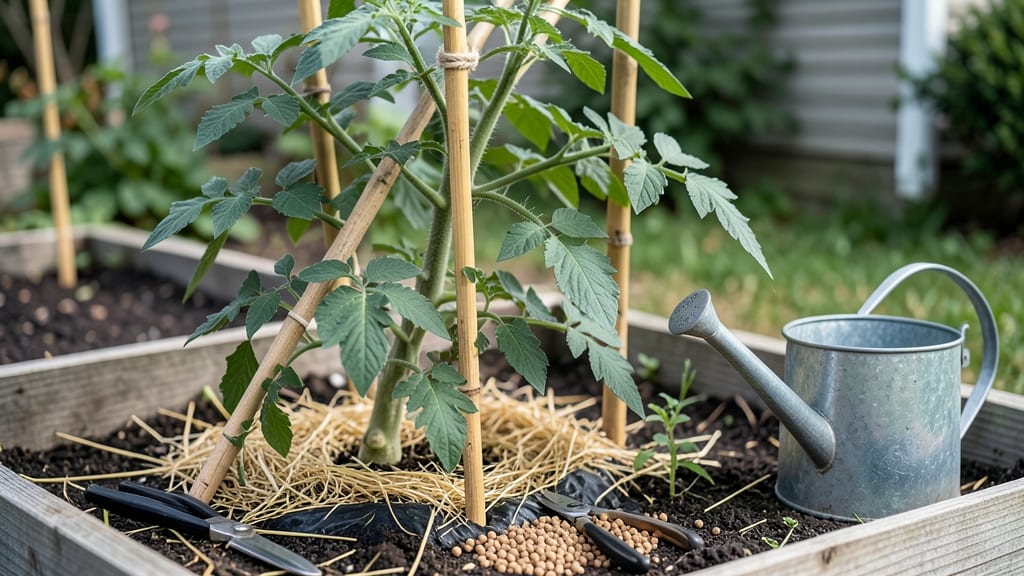
My first tomato harvest taught me the hard way: increasing tomato yield isn’t about luck—it’s about sunlight, soil, and smart pruning. 🌱 That first year, my plants produced just 12 ripe tomatoes despite my best efforts.
Now, with a few key adjustments, we regularly pull in 50+ pounds from the same space. The secret starts with rich, well-draining soil mixed with compost and a balanced fertilizer. Tomatoes are hungry plants—they need nutrients to support both growth and fruit production.
I also space them properly (18-24 inches apart) to ensure airflow, which prevents disease and encourages bigger fruit. By pruning suckers regularly and supporting vines with cages or stakes, you create an environment where every plant focuses energy on producing fruit instead of sprawling.
The payoff? Heavier clusters, fewer cracked tomatoes, and a harvest that stretches from July through October. This works for both backyard gardens and container-growing setups. Whether you’re dealing with indeterminate vines or compact cherry tomatoes, these techniques scale easily. Let’s get those yields up!
📚 In This Guide
- What you need
- Instructions
- Tips and common mistakes
- Wrapping up and next steps
What you need
- ● Tomato Seeds or Seedlings: Determinate varieties (bush tomatoes): 6–12 plants per 100 sq. ft.
- ● Indeterminate varieties (vining tomatoes): 4–6 plants per 100 sq. ft.
- ● Soil: Well-draining, nutrient-rich soil with a pH of 6.0–6.8. (Test your soil or amend with compost/aged manure.)
- ● Fertilizer: Balanced fertilizer (10-10-10) for planting.
- ● High-phosphorus fertilizer (e.g., 5-10-10) when flowering/fruiting.
- ● Organic options: Compost, worm castings, or bone meal.
- ● Watering Supplies: Drip irrigation or soaker hoses (to avoid wetting leaves).
- ● Watering can (for seedlings).
- ● Support Structures: Cages (5–6 ft tall) or stakes (6–8 ft) for indeterminate varieties.
- ● Trellis (for heavy vining types like 'Sungold').
- ● Mulch: Straw, grass clippings, or shredded leaves (2–3 inches thick).
- ● Pruning Tools: Sharp pruning shears or scissors (sterilized with rubbing alcohol).
- ● Gloves (to protect against thorns and blight spores).
- ● Grow Lights: LED grow lights (for indoor/early starts).
- ● Row Covers: Floating fabric to protect from pests/early frost.
- ● Epsom Salt: 1 tbsp per plant (every 2–3 weeks) for magnesium boost.
- ● Copper Fungicide: For preventing blight (mix 1 tsp per gallon of water).
- ● Harvest Baskets/Bins: To keep ripe tomatoes organized and off the ground.
Step-by-Step techniques to maximize your tomato harvest
These science-backed methods transform average tomato plants into prolific producers.
🌱 Step 1: Optimize Plant Spacing and Pruning for Airflow
Tomatoes need room to breathe—literally. Space plants 18-24 inches apart in rows 3 feet apart to prevent crowding, which spreads disease and steals nutrients. I always prune suckers (the small shoots in the leaf axils) weekly, removing them cleanly with my fingers. This redirects energy to fruit production instead of leaf growth.
Watch for the first true leaves before pruning—those early suckers are critical for early vigor. Once the plant reaches 3 feet tall, focus on removing suckers below the first flower cluster. This ensures the plant puts energy into developing fruit rather than unnecessary foliage. I keep my pruners sharp to make clean cuts that heal quickly.
☀️ Step 2: Provide Consistent Heat and Light
Tomatoes thrive in 70-85°F daytime temperatures and won't set fruit below 55°F. If your mornings dip below that, cover plants with lightweight row fabric until temperatures rise. I've seen plants bolt (flower prematurely) when nights stay above 70°F—remove the cover during the day to prevent overheating.
Position plants in full sun (8+ hours daily), but protect them from afternoon sun in hot climates. I use shade cloth (30-50%) during peak heat to prevent sunburn on fruits. Watch for yellowing leaves—this often signals heat stress rather than nutrient deficiency. Adjust shading based on leaf color and fruit development.
💧 Step 3: Master the Watering System for Steady Growth
Deep, infrequent watering produces stronger roots and larger fruits. Water at the base 1-2 inches per week, aiming for soil moisture 6-8 inches deep. I use drip irrigation on a timer to maintain consistency—tomatoes hate wet leaves, which spreads disease. Always water in the morning so foliage dries by evening.
You'll know your watering is right when the soil feels moist but not soggy at 2 inches deep. Mulch with 2-3 inches of straw to retain moisture and prevent soil-borne diseases. Avoid overhead watering once flowers appear—wet blossoms can lead to blossom-end rot. I check soil moisture by sticking my finger in; if it feels dry past 1 inch, it's time to water.
✂️ Step 4: Fertilize Strategically for Fruit Development
Tomatoes are heavy feeders, but timing matters. Start with a balanced 10-10-10 fertilizer at planting, then switch to a 5-10-10 or 3-4-6 formula once flowers appear. I mix fertilizer into the soil at the base, keeping it 6 inches away from the stem to prevent root burn. Over-fertilizing with nitrogen leads to lush leaves but few tomatoes.
Watch for dark green leaves with slow fruit development—this signals nitrogen excess. Instead, focus on phosphorus (the middle number) to encourage flowering. I apply a side dressing of compost tea every 2-3 weeks during fruiting to provide micronutrients without salt buildup. Always water before fertilizing to protect roots.
🌿 Step 5: Train Vines and Support for Maximum Production
Use sturdy cages or stakes to keep vines upright—this improves airflow and makes harvesting easier. I tie main stems to stakes every 12 inches with soft plant ties, adjusting as the plant grows. For indeterminate varieties, I let vines climb vertically to maximize sun exposure and reduce disease risk.
Watch for vines growing away from the support—this means they're competing with each other. Prune lateral branches that grow toward the ground, as they drain energy from fruit production. I also remove any leaves below the first flower cluster to improve air circulation and light penetration to developing fruits. Strong support systems prevent broken stems during heavy harvests.
Tips & tricks for maximizing tomato yield
Here's what nobody tells you about pushing your tomato plants to their absolute limits—without sacrificing quality.
Pruning Precision: When removing suckers in Step 1, focus on those growing between the main stem and branches, not the ones near the base. These lower suckers often develop into strong branches that can support additional fruit clusters. I've found that plants with 3-4 main stems produce just as much as heavily pruned single-stems, but with more balanced fruit distribution. Use sharp pruners and make cuts at a 45-degree angle just above a leaf node to prevent disease entry points.
Heat Management Strategy: In Step 2, the 70-85°F range is ideal, but don't overlook nighttime temperatures. If nights stay above 70°F for more than 3 days, your plants may drop flowers before they set fruit. I've had success using black plastic mulch to absorb heat during the day and radiate it back at night—this can raise soil temps by 5-10°F, which helps fruit set even when air temps drop. Just remember to remove it if daytime temps exceed 90°F to prevent overheating.
Watering Science: The 1-2 inches per week guideline in Step 3 works beautifully, but timing matters more than quantity. I've noticed that watering at exactly 8 AM gives plants a full day to absorb moisture before evening heat stress. For container-grown tomatoes, I increase to 1.5-2 inches per week because pots dry out faster. Always check soil moisture at the 2-inch depth mentioned—this is where roots actively seek water, not just the surface.
Fertilizer Timing: When switching to the 5-10-10 formula in Step 4, I've found that side-dressing with compost tea every 2-3 weeks during fruiting gives better results than granular fertilizers alone. The key is to apply it when the soil is already moist—this prevents root burn. For organic growers, fish emulsion makes an excellent alternative to synthetic fertilizers, providing nitrogen without the salt buildup risk.
Pro Tips for Increase Tomato Yield
- Here's what nobody tells you about pushing your tomato plants to their absolute limits—without sacrificing quality.
- Pruning Precision: When removing suckers in Step 1, focus on those growing between the main stem and branches, not the ones near the base.
- Heat Management Strategy: In Step 2, the 70-85°F range is ideal, but don't overlook nighttime temperatures.
Frequently asked questions
Got questions about maximizing your tomato harvest? You’re not alone! Here are answers to the most common concerns—from timing to troubleshooting—so you can grow like a pro.
When is the best time to prune tomato plants for higher yields?
Prune indeterminate tomatoes (like heirlooms) throughout the growing season, but avoid heavy pruning during flowering or fruiting. Start when plants are 12–18 inches tall, removing suckers (shoots in leaf axils) to direct energy to fruit. For determinate varieties (bush tomatoes), prune minimally—just remove diseased leaves. Pro tip: Prune in the morning to let wounds heal before evening moisture sets in.
How long does it take to see results from yield-boosting techniques?
Results vary! If you improve soil, water, and sunlight, you’ll notice bigger fruit within 2–4 weeks. Techniques like pruning or trellising take longer (4–6 weeks) to show impact, while fertilizing (especially with compost or balanced NPK) can yield visible changes in 10–14 days. Patience is key—tomatoes reward consistency!
Can I use household items instead of commercial fertilizers to increase yield?
Try these DIY boosters:
- Eggshells: Crush and bury near roots for calcium (prevents blossom end rot).
- Coffee grounds: Sprinkle around the base (1–2 tbsp/plant) for nitrogen—great for leafy growth.
- Banana peels: Bury chopped peels to add potassium (supports fruit development).
- Weeds (like dandelions): Steep in water for 2–3 days, then dilute (1:10) as a nutrient-rich tea.
Caution: Avoid overdoing it—balance is key!
My tomatoes are cracking or splitting—how do I fix this?
Cracking usually happens due to uneven watering or rapid growth. To prevent it:
- Water deeply and consistently (1–2 inches per week), especially during fruiting.
- Avoid late-season overwatering—reduce irrigation as harvest nears.
- Use mulch (straw or grass clippings) to retain moisture and stabilize soil temps.
- Choose crack-resistant varieties like ‘Celebrity’ or ‘Roma’ if this is recurrent.
For existing cracks, harvest promptly—the fruit is still edible!
What’s the ideal temperature range for tomato plants to maximize yield?
Tomatoes thrive in 70–85°F (21–29°C) day temps and 55–65°F (13–18°C) nights. Below 50°F (10°C), growth slows; above 90°F (32°C), flowers may drop. Heat solutions:
- Use shade cloth (30–50%) during peak sun.
- Plant in afternoon shade (e.g., near a north-facing fence).
- Mulch heavily to keep roots cool.
- Choose heat-tolerant varieties like ‘Solar Fire’ or ‘Heatmaster.’
Cooler nights? Extend the season with row covers or move pots indoors temporarily.
Wrapping up and next steps
Increasing your tomato yield is all about smart planning, consistent care, and a little patience! 🌱 By optimizing soil health, choosing the right varieties, and mastering pruning, staking, and watering techniques, you’ll be well on your way to a bountiful harvest.
Remember, even small adjustments—like mulching or companion planting—can make a big difference.
Now that you’re armed with these proven strategies, it’s time to roll up your sleeves and get growing! Start with just one or two techniques this season, track your progress, and build on what works. Happy gardening—your future tomato feasts are waiting! 🍅✨