
Vegetables
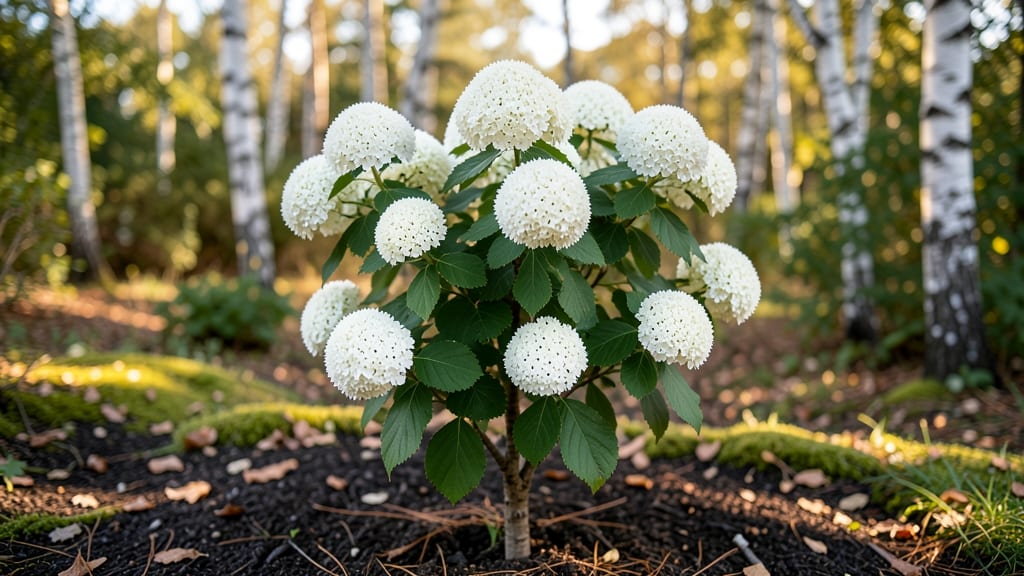
Chinese snowball viburnum stands tall and proud when most shrubs bow to winter’s chill. 🌿 This frost-resistant beauty doesn’t just survive the cold—it thrives, with glossy evergreen leaves, striking red berries, and peeling bark that adds texture to bare branches.
The secret lies in its hardiness and a few simple winter care tricks that keep it looking stunning year-round. The real magic happens in how you prep it for winter.
A thick layer of mulch around the base insulates roots, while strategic pruning right after flowering removes dead wood and encourages fresh growth. I’ve watched mine stand out against snowy backdrops, its dark green leaves contrasting beautifully with winter whites.
By late winter, you’ll notice new buds forming—proof that this plant is already gearing up for spring. The berries add a pop of color when little else is blooming, and the bark’s exfoliating layers create a natural winter interest that’s impossible to ignore.
Works in zones 6-9, making it perfect for cold climates. Here’s how to keep yours looking its best through the frost.
📚 In This Guide
- What you need
- Instructions
- Tips and common mistakes
- Wrapping up and next steps
What you need
- ● Chinese Snowball Viburnum (Viburnum odoratissimum): 1-3 mature plants (3-5 ft tall, 3-5 ft wide) for optimal winter impact
- ● Ensure they’re hardy to USDA Zones 5-9 (frost-resistant!)
- ● Planting Site: Full sun to partial shade (6+ hours of sunlight daily)
- ● Well-draining soil (amend with compost if needed)
- ● Space 5-6 feet apart for mature growth
- ● Tools: Garden trowel or spade
- ● Pruning shears (sterilized)
- ● Garden gloves (for protection)
- ● Watering can or hose with a gentle spray nozzle
- ● Fertilizer: Balanced 10-10-10 or 5-10-10 fertilizer (1 tbsp per plant)
- ● Slow-release organic options (like compost or worm castings)
- ● Mulch (2-3 inches of pine straw, shredded bark, or wood chips) to protect roots in winter
- ● Burlap or frost cloth (for young plants in harsh winters)
- ● Decorative stakes or trellis (to shape growth or create a focal point)
- ● Winter interest plants (like evergreens or ornamental grasses) for companion planting
- ● Soil pH tester (ideal range: 5.5-7.0)
Step-by-step care for Chinese snowball viburnum through winter
Here’s how to keep your Chinese snowball viburnum looking stunning even when frost arrives.
🪴 Step 1: Mulch Heavily Before First Frost
Spread a 3-4 inch layer of organic mulch—like shredded bark or wood chips—around the base of your viburnum. This insulates the roots from temperature swings and prevents soil heaving during freeze-thaw cycles. I like to pull mulch back slightly from the trunk to avoid rot, but keep it close enough to protect the root zone.
Water the plant deeply before applying mulch so the soil holds moisture through winter. The mulch will slowly release that moisture back to the roots as needed. If your winter is particularly dry, check the soil every 4-6 weeks—if it feels bone-dry, give it a slow drink of water.
☀️ Step 2: Protect Young Plants from Harsh Elements
Mature Chinese snowball viburnums handle winter well, but younger plants (under 3 years old) need extra care. Wrap the trunk and branches in burlap or frost cloth if your winters dip below 10°F. Secure it loosely—too tight, and you’ll restrict growth.
For extra insurance, I use a lightweight snow fence around the plant to catch drifting snow. The snow acts like a natural blanket, keeping temperatures stable. Just brush it off after heavy snowfall to prevent branch breakage from weight.
✂️ Step 3: Prune Lightly in Late Winter
Wait until late winter or early spring (just before buds swell) to prune. Remove any dead, broken, or crossing branches first—they’re easy to spot against the bare stems. Then, thin out 10-20% of the oldest wood to encourage new growth and air circulation.
I like to make cuts just above a outward-facing bud. This ensures the plant grows outward rather than inward, keeping that lush, rounded shape. Avoid heavy pruning—Chinese snowball viburnum blooms on old wood, so aggressive cuts reduce next year’s flowers.
💧 Step 4: Monitor for Winter Stress Signs
Watch for brown, crispy leaves or peeling bark—these are red flags. If you see them, gently scratch the bark with your fingernail. If it’s green underneath, the plant’s fine. If it’s brown all the way through, the cold damaged the tissue.
In that case, prune out the damaged areas in early spring. Don’t panic—viburnums are tough and often bounce back. I’ve seen plants with 50% winterkill still recover fully the following season. Just give them time and consistent care.
Tips & tricks for perfect Chinese snowball viburnum winter care
Winterizing your Chinese snowball viburnum doesn't have to be complicated—just a few strategic moves make all the difference.
Mulch Depth Matters: That 3-4 inch layer of organic mulch isn't just decoration—it's your plant's winter blanket. I learned this the hard way after seeing roots freeze in shallow mulch. Use shredded bark or wood chips and maintain that depth right up to the trunk (but not against it). For extra protection in harsh climates, add a 2-inch layer of straw on top of the mulch before the first hard freeze. This creates an insulating air pocket that can make a 10°F difference in soil temperature.
Timing is Everything for Watering: The 4-6 week check isn't just about dry conditions—it's about avoiding soggy roots. Water only when the soil feels completely dry to the touch, and always do it before applying fresh mulch. I've seen plants suffer from root rot when people watered after mulching, trapping moisture against the stems. A simple soil moisture meter makes this check foolproof, especially if you're unsure about winter dryness in your area.
Protective Wrapping Secrets: When wrapping young plants in burlap or frost cloth, don't just tie it tightly—leave some room for air circulation. I use soft twine and make it snug enough to stay in place but loose enough to slide over a finger. For extra security in windy areas, anchor the edges with small landscape staples (not nails—they can damage bark). And here's a trick: sprinkle a little horticultural oil on the fabric before wrapping—it helps repel pests that might be looking for winter shelter.
Pruning Precision: That 10-20% of oldest wood isn't arbitrary—it's about balance. I mark the branches I'll remove with colored tape in late fall, so I can see exactly what I'm targeting. When making cuts, use clean, sharp pruners and make the cut just above a bud that faces outward. This creates the perfect growth pattern for next season's blooms. Remember, you're not just shaping the plant—you're planning its spring performance.
Pro Tips for Chinese Snowball Viburnum In Winter
- Winterizing your Chinese snowball viburnum doesn't have to be complicated—just a few strategic moves make all the difference.
- Mulch Depth Matters: That 3-4 inch layer of organic mulch isn't just decoration—it's your plant's winter blanket.
- Timing is Everything for Watering: The 4-6 week check isn't just about dry conditions—it's about avoiding soggy roots.
Frequently asked questions
Got questions about keeping your Chinese Snowball Viburnum stunning through winter? You’re not alone!
Here are some of the most common queries—and their answers—to help you care for this frost-resistant beauty like a pro.
Can Chinese Snowball Viburnum survive harsh winters without extra protection?
Yes! This hardy shrub typically thrives in USDA Zones 5-8 and can handle temperatures as low as -20°F (-29°C). However, young plants or those in extreme microclimates (like windy or urban areas) may benefit from a thin layer of mulch (2-3 inches) around the base to insulate roots. Avoid heavy snow piles—shake them off gently to prevent branch damage.
Why are my Chinese Snowball Viburnum leaves turning brown or falling off in winter?
Brown or dropping leaves are usually normal for deciduous viburnums in cold months—they’re entering dormancy! But if you spot moldy, blackened leaves or peeling bark, it could signal fungal issues (like powdery mildew) or sunscald (from harsh winter sun). Prune affected branches in early spring and apply dormant oil spray if needed.
When is the best time to prune Chinese Snowball Viburnum after winter?
Prune late winter to early spring (February–March), before new growth begins. This timing:
- Removes dead/diseased wood
- Encourages fuller blooms
- Avoids disturbing winterizing buds
Are there winter-hardy alternatives to Chinese Snowball Viburnum?
If you love frost-resistant, ornamental shrubs with winter interest, try:
- Wintercreeper Euonymus (Euonymus fortunei) – Glossy evergreen leaves, great for ground cover.
- Inkberry Holly (Ilex glabra) – Dark foliage, berries for wildlife, Zone 4 hardy.
- Dwarf Fothergilla (Fothergilla gardenii) – Stunning winter exfoliating bark and spring blooms.
- Boxwood (Buxus) – Classic evergreen, but needs mulch in Zone 5.
What should I do if my Chinese Snowball Viburnum looks dead after winter?
Don’t panic! Check these steps:
- Scratch the bark—if it’s green beneath, the plant’s alive!
- Water lightly if soil is bone-dry (but avoid soggy roots).
- Wait until late spring—some varieties sprout very late.
- Replace if branches are completely mushy or no buds appear by April.
Wrapping up and next steps
The Chinese Snowball Viburnum proves that winter doesn’t have to be a dull season for your garden—its frost-resistant charm and year-round beauty make it a standout star. With minimal care and the right growing conditions, this resilient shrub brings color, texture, and life even when other plants retreat.
Whether you’re a seasoned gardener or just starting, adding this hardy plant to your landscape is a rewarding and low-maintenance way to enjoy nature’s elegance all winter long.
Ready to transform your outdoor space? Start small—plant one this season and watch it thrive! For extra inspiration, explore local nurseries or online plant communities to connect with fellow gardening enthusiasts. 🌿❄️