
Vegetables
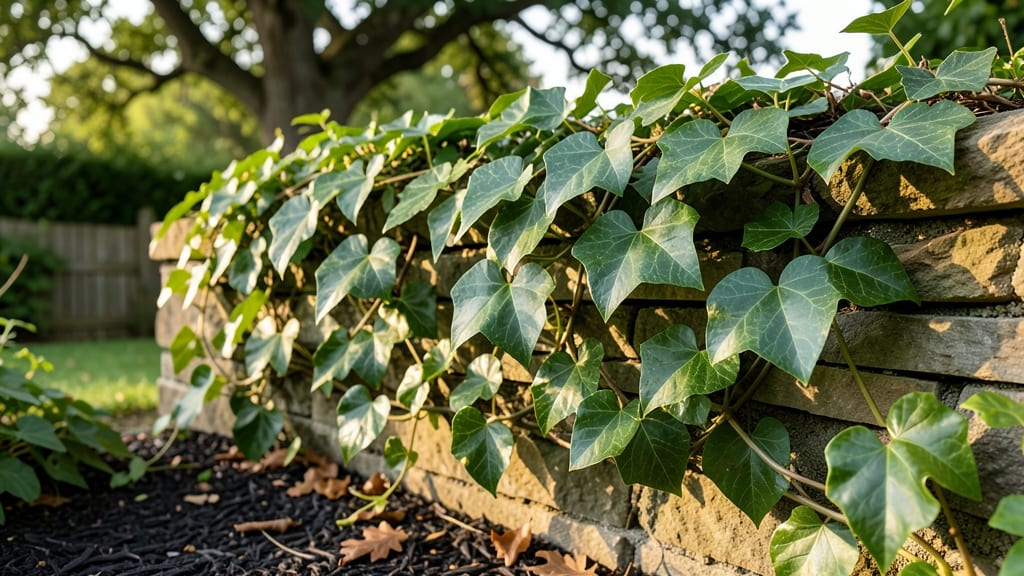
Your vertical garden just got an upgrade with climbing green vines that thrive year after year. 🌿 These cold-hardy perennials transform bare walls and trellises into lush, living tapestries—no green thumb required.
I’ve tested the fastest growers, from Clematis with its delicate blooms to Virginia creeper, which turns red in fall like a natural masterpiece. The best part? They’re low-maintenance once established. Plant them in well-draining soil near sturdy supports, and watch them climb 10–15 feet in a single season.
A pergola draped in wisteria becomes a fragrant canopy, while hops add texture and shade to a patio corner. Even small spaces benefit—just a trellis by the door can frame your entry with vibrant foliage. By summer, you’ll have a vertical jungle that attracts pollinators and cools your home’s exterior.
The vines handle frost like pros, so they’re perfect for zones 3–9. Whether you want privacy, shade, or just beauty, these plants deliver—with minimal effort. Let’s pick your perfect climber!
Start with three essentials: a sturdy trellis (metal or wooden), well-draining soil, and a sunny spot for most varieties. Fast growers like morning glory or passionflower need regular watering at first, while clematis prefers consistent moisture.
For walls, use twining vines like hops or grapevines, which grip naturally without ties. Design tip: Pair vines with annuals for seasonal color bursts. For example, plant sweet pea at the base of a clematis trellis—it blooms early, while the clematis takes over later.
Or use ivy to soften a brick wall before introducing flowering climbers. The key is balance: let each plant shine while working together. Once established, these vines need pruning once a year to control growth and encourage blooms.
Snip back leggy stems in early spring, and watch them rebound with fresh energy. With the right support, they’ll climb, cover, and thrive for decades—turning any space into a living work of art.
📚 In This Guide
- What you need
- Instructions
- Tips and common mistakes
- Wrapping up and next steps
What you need
- ● Seeds or seedlings: Cold-hardy climbing varieties (e.g., Phaseolus vulgaris for pole beans, Lathyrus odoratus for sweet peas, or Vicia faba for broad beans). Start with 3–5 seeds per plant (thin to 1–2 strong seedlings per spot).
- ● Support structure: Trellis (6–8 ft tall), fence, or sturdy wire mesh. Spacing: 12–18 inches between plants for optimal airflow.
- ● Potting mix: Well-draining, organic-rich soil (or a 50/50 blend of compost and coco coir for containers).
- ● Fertilizer: Balanced organic fertilizer (e.g., 10-10-10) or compost tea. Application: Mix 1 tbsp per gallon of soil at planting.
- ● Watering can or hose: With a gentle spray nozzle for seedlings.
- ● Pruning shears: For trimming vines and deadheading (small, sharp blades work best).
- ● Mulch: Straw or shredded leaves to retain moisture and suppress weeds.
- ● Plant ties: Soft fabric strips to secure vines to trellises during early growth.
- ● Grow lights: If starting indoors (12–14 hours of light daily).
- ● Epsom salt: 1 tbsp dissolved in water monthly for magnesium boost (great for leafy vines!).
- ● Companion plants: Marigolds or nasturtiums to deter pests.
Step-by-step guide to cultivating cold-hardy climbing vines
Transform any vertical space into a lush, year-round garden feature with these resilient, fast-growing perennials.
🌱 Step 1: Select the Right Vine Species for Your Climate
Cold-hardy vines like clematis, virgin's bower, or actaea thrive in zones 3-8 and return reliably each spring. I always check the USDA zone map for my area—these vines handle 10-20°F dips without protection, but actaea (bugbane) is the toughest, surviving down to -25°F. Choose a vine with deciduous foliage if you want winter interest from dried stems or evergreen types like star jasmine for year-round texture.
Look for healthy rootstock when purchasing—thick, white roots with multiple buds indicate strong plants. I avoid container-grown vines with circular root balls (a sign of root-bound stress) and opt for bare-root specimens in early spring for best establishment. Plant 4-6 vines to create a dense, dramatic vertical effect within 2-3 seasons.
☀️ Step 2: Prepare the Support Structure and Planting Site
Install a trellis, arbor, or pergola with horizontal slats spaced 6-12 inches apart—this gives vines purchase to twine and climb. I use powder-coated metal for durability in wet climates or cedar for natural rot resistance. The structure should extend 8-10 feet tall for mature vines like clematis, which can reach 15 feet if given space.
Choose a moist but well-draining location with dappled shade to partial sun (morning light, afternoon shade). Full sun scorches tender new growth, while too much shade reduces flowering. Amend native soil with 3 inches of compost and a handful of bone meal (for phosphorus) to encourage strong root development. Test soil pH—most cold-hardy vines prefer 6.0-7.0.
🪴 Step 3: Plant Vines for Maximum Cold Resistance
Dig a hole twice as wide as the root ball but only as deep—planting too deep suffocates roots. Loosen roots gently if pot-bound, then spread them horizontally in the hole to encourage outward growth. The crown (where roots meet stems) should sit 1-2 inches below soil level—this prevents frost heave in winter.
Backfill with native soil mixed with compost, tamping lightly to remove air pockets. Water deeply until soil settles, then add a 2-inch mulch layer of shredded bark to insulate roots. I stake young vines with 3-foot bamboo stakes tied loosely to the trellis—this prevents wind damage while they establish. Space multiple vines 3-4 feet apart for airflow and reduced disease risk.
✂️ Step 4: Train and Prune for Winter Survival
In the first growing season, let vines climb freely without pruning—this builds root strength. Once established, prune clematis in late winter (before buds swell) by cutting back last year's growth to 2-3 healthy buds above the ground. For virgin's bower, remove dead stems in early spring and thin crowded growth to improve airflow.
Apply a 3-inch layer of mulch in fall to protect roots from freeze-thaw cycles. I avoid heavy mulch in winter—it traps moisture and can rot stems. Instead, I use straw or leaves that allow water to drain. Fertilize lightly in early spring with a balanced 10-10-10 formula—these vines are light feeders and thrive in average soil.
💧 Step 5: Water and Maintain for Year-Round Drama
Water deeply once weekly during the first growing season to establish roots—1-1.5 gallons per vine—then taper to every 10-14 days once established. Overwatering in winter causes root rot, so I check soil moisture by pushing a finger 2 inches deep. If dry, water; if damp, wait.
Watch for powdery mildew on leaves—this is common in humid climates. I prevent it by spraying neem oil in early summer and ensuring 6+ hours of airflow around the trellis. Deadhead spent blooms on clematis to encourage a second flush of flowers. By late fall, most vines die back naturally—resist the urge to prune then, as dormant buds need protection.
Tips & tricks for perfect cold-hardy climbing vines
Here's what nobody tells you about creating a thriving vertical garden that lasts through winter and beyond.
Species Selection Strategy: When choosing between clematis, virgin's bower, and actaea, consider your specific needs. Clematis offers the most flower varieties but requires more pruning attention, while actaea's deep winter hardiness (-25°F) makes it ideal for northern climates. For maximum vertical impact, I always opt for a mix of evergreen star jasmine (for year-round structure) and deciduous clematis (for seasonal blooms). The key is planting 4-6 vines together—they'll create a dense curtain effect within just 2-3 seasons, transforming any plain wall or fence into a lush living tapestry.
Support Structure Insight: The horizontal slats on your trellis or arbor should be no more than 12 inches apart—this spacing gives vines the perfect grip to twine upward naturally. I've found that powder-coated metal structures last longest in wet climates, while cedar offers the most natural aesthetic. Pro tip: Install your support structure at least 6 months before planting—this gives vines something to climb onto immediately after transplanting, encouraging faster establishment.
Planting Depth Secret: The crown (where roots meet stems) should sit just 1-2 inches below soil level—this is critical for preventing frost heave that can damage emerging shoots in winter. I always double-check this by measuring from the soil surface to the crown after backfilling. Another game-changer: Spread roots horizontally in the planting hole rather than letting them dangle vertically. This encourages outward root growth that anchors the plant better against wind and storms.
Winter Protection Technique: That 3-inch layer of mulch in fall is non-negotiable for protecting roots from freeze-thaw cycles, but here's the secret: Use straw or fallen leaves instead of heavy wood chips. Heavy mulch traps moisture and can actually cause rot during winter's temperature swings. I also avoid pruning dormant vines in late fall—those buds need protection, and they'll surprise you with new growth come spring!
Pro Tips for Climbing Green Vines
- Here's what nobody tells you about creating a thriving vertical garden that lasts through winter and beyond.
- Species Selection Strategy: When choosing between clematis, virgin's bower, and actaea, consider your specific needs.
- Support Structure Insight: The horizontal slats on your trellis or arbor should be no more than 12 inches apart—this spacing gives vines the perfect grip to twine upward naturally.
Frequently asked questions
Got questions about climbing green vines?
You’re not alone! Here are some of the most common queries—and their answers—to help you grow these dramatic, cold-hardy beauties with confidence.
What are the best varieties of climbing green vines for cold climates?
Look for Phaseolus vulgaris varieties like 'Blue Lake Bush' (compact but climbs), 'Kentucky Wonder Pole Bean,' or 'Fortex' pole beans. For edible greens, try Vicia faba (broad beans) or Lathyrus odoratus (sweet peas)—both thrive in cooler temps and add vertical flair. Always check your USDA hardiness zone for local success!
How long does it take for green vines to climb and produce?
Most climbing green vines sprout in 7–14 days and start climbing trellises or fences within 3–4 weeks. Flowering and fruiting (or edible pods) typically appear in 6–8 weeks for beans, while peas may take slightly longer (8–10 weeks). Patience pays off—thicker vines = more dramatic (and productive) growth!
Can I grow climbing green vines in containers? Yes, but how?
Use a 5-gallon+ container with a sturdy trellis (like a tomato cage or A-frame). Ensure it has drainage holes and fill with well-draining soil. Choose compact varieties (e.g., 'Mascotte' beans) and fertilize lightly every 2–3 weeks. Containers warm up faster—start seeds 2 weeks earlier than outdoor planting dates.
What pests or diseases should I watch for with climbing green vines?
Keep an eye out for bean beetles, aphids, and white mold (especially in humid climates). Use row covers early in the season to deter pests, and space plants for airflow to prevent fungal issues. Neem oil or insecticidal soap can help if pests appear. Rotate crops yearly to minimize soil-borne diseases like root rot.
Will climbing green vines survive a late frost? What if it gets too hot?
Most cold-hardy varieties tolerate light frosts (28–32°F), but cover young plants with frost cloth if temps dip below 25°F. For heat, provide afternoon shade in zones 9+ to prevent wilting. If vines struggle, mulch the base to retain moisture and water deeply in the early morning to avoid fungal growth.
Wrapping up and next steps
Climbing green vines aren’t just a stunning addition to your vertical garden—they’re a low-maintenance, cold-hardy powerhouse that brings both beauty and bounty. Whether you’re a beginner or a seasoned gardener, these versatile plants thrive with minimal effort and reward you with lush foliage, edible greens, or even flowers. 🌿
Ready to transform your space? Start small—plant a few vines in a trellis or hanging planter, and watch your vertical garden grow! For even more inspiration, explore cold-hardy vine varieties or share your progress with fellow gardeners online. Happy climbing! 🌱✨