
Vegetables
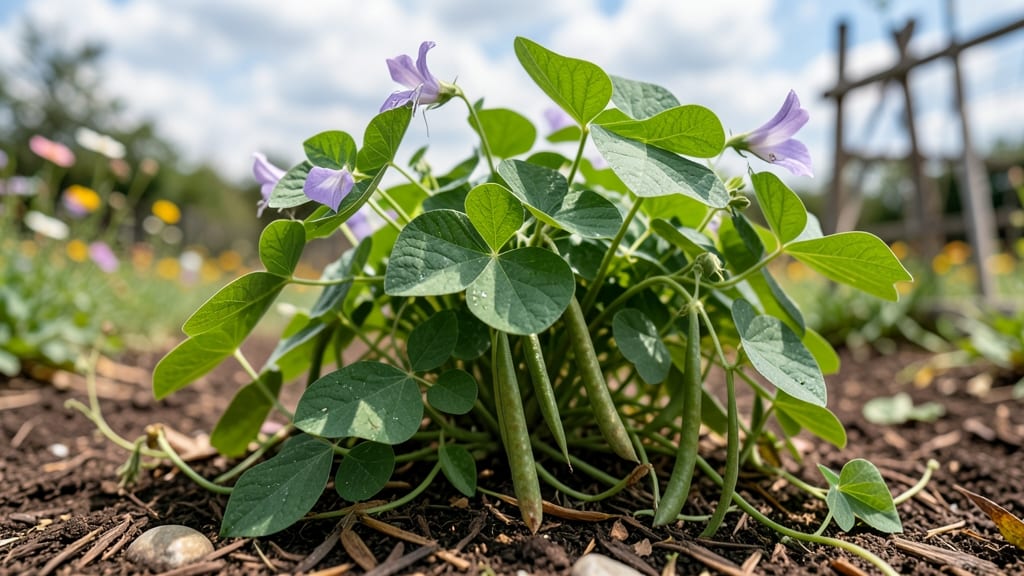
Growing cow pea beans means fresh, nitrogen-rich harvests even when other summer crops struggle. 🌱 These hardy perennials thrive in containers and tolerate light frosts—perfect for small spaces or unpredictable climates. My first batch surprised me with their resilience, producing tender pods long after store-bought beans would have bolted.
Start with well-draining soil mixed with compost, and plant seeds ½ inch deep after the last frost. They love full sun (6+ hours daily) but handle partial shade better than most beans.
In containers, use 5-gallon pots for each plant, spacing them 12 inches apart—crowding leads to powdery mildew. Water consistently but avoid soggy soil; these beans wilt faster than they recover.
By mid-summer, you'll harvest 3-inch pods every 2-3 weeks, packed with protein and flavor. The vines keep producing until frost, and saved seeds sprout reliably the next year. Just watch for Mexican bean beetles—their yellow larvae strip leaves faster than you can say "pesticide."
A quick spray of neem oil keeps them at bay without harming pollinators.
Pair them with okra, sweet potatoes, or cucumbers to improve yields, and avoid planting near onions or garlic. Whether you're growing in pots on a balcony or expanding your garden beds, cow peas deliver low-maintenance, high-reward harvests.
The secret? Treat them like the tough survivors they are—and they'll reward you all season long.
📚 In This Guide
- What you need
- Instructions
- Tips and common mistakes
- Wrapping up and next steps
What you need
- ● Cow pea bean seeds: 20–30 seeds per container (or 1–2 seeds per 12-inch spacing in the ground). Choose a cold-hardy variety like Purple Hull or Crowder.
- ○ Containers (optional but ideal for small spaces): 5–10 gallon pots (at least 12–18 inches deep) with drainage holes.
- ● OR fabric grow bags (great for root health!).
- ● High-quality potting mix: 1–2 bags of well-draining, organic soil blend (avoid heavy clay).
- ● Compost or worm castings: 1–2 cups per container to boost nutrients.
- ○ Organic fertilizer (optional but helpful): Balanced 10-10-10 or a nitrogen-rich fertilizer (like fish emulsion) at planting.
- ● Slow-release granules for ongoing growth.
- ● Hand trowel or small shovel for planting.
- ● Watering can or hose with a gentle spray nozzle (avoid overwatering!).
- ○ Gloves (optional) if you prefer protection while handling soil.
- ○ Trellis or stakes (optional) if your variety grows vining (e.g., Purple Hull can climb 3–6 feet!).
- ● Mulch (straw or shredded leaves) to retain moisture and suppress weeds.
- ● Sunlight: Full sun (6–8 hours daily). Containers may need a sunny windowsill or grow light if indoors.
- ● Temperature: Sow seeds after the last frost when soil is at least 60°F (15°C). Cow peas are cold-resistant but grow best in warm weather!
- ● Water: Keep soil consistently moist (not soggy) until established, then water deeply 1–2 times per week.
Step-by-step instructions for growing cold-resistant cow pea beans in containers
Cow pea beans thrive in containers with minimal fuss—here’s how to coax their hardy vines into production.
🌱 Step 1: Select and Prepare Containers for Drainage
Choose containers at least 12 inches deep and 18 inches wide—cow pea beans need room to develop their extensive root systems. I prefer terra cotta pots because they wick moisture away naturally, preventing the waterlogged roots that cow peas despise. Ensure each container has multiple drainage holes to avoid soggy soil.
Line the bottom with 2-3 inches of coarse gravel to create an air pocket. This prevents root rot, especially in cooler climates where drainage slows. Tap the pot gently to settle the gravel before adding soil—this ensures stability and prevents shifting later.
🌿 Step 2: Use Well-Draining Soil Mix for Optimal Growth
Fill containers with a lightweight potting mix blended with 20% perlite or coarse sand. Cow peas prefer soil that drains quickly but retains moisture—think of it as a balance between a sponge and a sieve. I avoid garden soil because it compacts easily in containers, suffocating roots.
Moisten the mix until it’s evenly damp but not saturated—squeeze a handful to test. If water drips out, it’s too wet. The ideal texture should hold together when gently pressed but crumble at the slightest tug. This ensures roots get oxygen while staying hydrated.
☀️ Step 3: Plant Seeds at the Right Depth and Spacing
Sow 2-3 seeds per container, placing them 1 inch deep and 6 inches apart. Cow pea seeds germinate best in warm soil (70-80°F), so I pre-soak them overnight in lukewarm water to speed up the process. This softens the seed coat and encourages faster sprouting.
Cover lightly with soil and mist the surface until damp. Avoid heavy watering—it can bury seeds too deep or dislodge them. Once seedlings emerge (usually in 7-10 days), thin to the strongest plant per container, snipping the others at the base with clean scissors.
💧 Step 4: Provide Consistent Moisture and Sunlight
Water deeply every 2-3 days, ensuring the top 2 inches of soil dry out between waterings. Cow peas are drought-tolerant once established, but young plants need steady moisture. I water in the early morning to reduce evaporation and fungal risks.
Place containers in full sun (6+ hours daily)—cow peas thrive in hot, sunny spots but tolerate partial shade in hotter climates. If leaves yellow or stems weaken, it’s a sign of either overwatering or insufficient light. Adjust accordingly, and you’ll see stronger, bushier growth within weeks.
✂️ Step 5: Prune and Harvest for Continuous Production
Begin harvesting pods when they’re 3-4 inches long—this encourages more flowers and fruit. I pinch back leggy vines to promote bushier growth, cutting just above a leaf node. This redirects energy to produce more pods rather than tall, weak stems.
After the first harvest, fertilize lightly with a balanced organic fertilizer (10-10-10) to replenish nutrients. Cow peas fix nitrogen in the soil, but container-grown plants benefit from occasional feeding. Stop fertilizing in late summer to allow plants to harden off for winter.
Tips & tricks for growing cold-resistant cow pea beans
These hardy plants reward patience—here’s how to maximize your harvest without common pitfalls.
Container Selection Wisdom: While terra cotta pots are ideal, black plastic containers absorb heat faster in sunny climates, potentially stressing roots. If using plastic, place pots on reflective surfaces like pebbles or light-colored trays to moderate soil temperatures. The 12-inch depth requirement is non-negotiable—shallower containers will stunt root development, leading to weaker vines and smaller yields.
The Soil Texture Secret: That 20% perlite or sand ratio creates the perfect balance for cow peas. I like to add a handful of composted leaf mold to the mix—it improves moisture retention without compacting. When testing soil dampness, press gently: if it holds shape but crumbles easily, you’ve hit the sweet spot. Overly wet soil triggers root rot, while bone-dry soil causes wilting within days.
Germination Game-Changer: The overnight lukewarm water soak isn’t just about speed—it also softens the seed coat, allowing better water absorption. For faster results in cooler climates, place soaked seeds between damp paper towels in a sealed bag on a sunny windowsill. Most seeds sprout within 3-5 days this way, cutting the standard 7-10 day wait in half. Just remember to plant these precocious sprouts within 24 hours of emergence.
Sunlight Strategy: Cow peas tolerate partial shade, but "tolerate" doesn’t mean "thrive." In hot climates, provide afternoon shade during peak summer months to prevent leaf scorch. I’ve found that east-facing windowsills or south-facing spots with afternoon shade produce the most consistent harvests. The 6+ hours of sunlight is a minimum—think of it as the plant’s energy baseline, not its comfort zone.
Pro Tips for Cow Pea Beans
- These hardy plants reward patience—here’s how to maximize your harvest without common pitfalls.
- Container Selection Wisdom: While terra cotta pots are ideal, black plastic containers absorb heat faster in sunny cl...
- The Soil Texture Secret: That 20% perlite or sand ratio creates the perfect balance for cow peas. I like to add a han...
Frequently asked questions
Got questions about growing cow pea beans? You’re not alone! Here are some of the most common queries—plus quick, practical answers to help you cultivate these hardy, cold-resistant perennials with confidence.
How cold can cow pea beans tolerate?
Cow pea beans (Vigna unguiculata) are surprisingly resilient! They thrive in USDA Zones 7–11 and can handle light frosts down to 25–30°F (-4 to -1°C). In colder zones, plant them in containers and move them indoors or under cover during winter. Mulch heavily to insulate roots—these beans are tough but not invincible!
How long does it take for cow pea beans to grow and produce pods?
From seed to harvest, cow pea beans typically take 60–90 days, depending on the variety and growing conditions. Early-maturing types (like ‘Purple Hull’) may produce pods in as little as 50 days if given full sun (6+ hours/day) and well-draining soil. Watch for purple or green flower blooms—pods form within 2–3 weeks after flowering. Patience pays off with a bountiful harvest!
Can I grow cow pea beans in containers? If so, what size pot do I need?
Cow pea beans are perfect for containers—ideal for small spaces or urban gardens. Use pots at least 12–18 inches deep and 12–18 inches wide to accommodate their deep root systems and climbing habit (trellis or cage recommended). Ensure pots have drainage holes and fill with a light, airy potting mix. For perennials, overwinter them in a cool, bright spot (like a garage) and replant in spring.
What are some common pests or diseases, and how do I prevent them?
Cow pea beans are generally pest-resistant, but watch for:
- Aphids: Spray with neem oil or introduce ladybugs.
- Bean beetles: Handpick adults and remove dropped pods.
- Fungal issues (e.g., powdery mildew): Improve airflow, avoid overhead watering, and use copper fungicide if needed.
Rotate crops annually and sanitize containers to minimize disease risk. Healthy soil = happy plants!
Are cow pea beans the same as black-eyed peas? Can I substitute them in recipes?
Yes! Cow pea beans are the same as black-eyed peas (or Southern peas). They’re interchangeable in dishes like Hoppin’ John, stews, or salads. For a nutritional boost, pair them with rice (a classic protein-carb combo!). If your recipe calls for dried cowpeas but you have fresh pods, shell them and cook the beans like you would green beans or lima beans.
Wrapping up and next steps
Cow pea beans are a game-changer for gardeners seeking low-maintenance, cold-hardy, and nutrient-packed plants—especially in containers! 🌱 Whether you’re a beginner or a seasoned grower, their resilience and versatility make them a must-try.
With the right soil, sunlight, and care, you’ll enjoy a bountiful harvest of edible pods and leaves, all while boosting your garden’s sustainability.
Ready to take the next step? Start small—plant a few seeds in a container today! Watch them thrive, then expand your garden with confidence. Happy growing! 🌟