
Vegetables
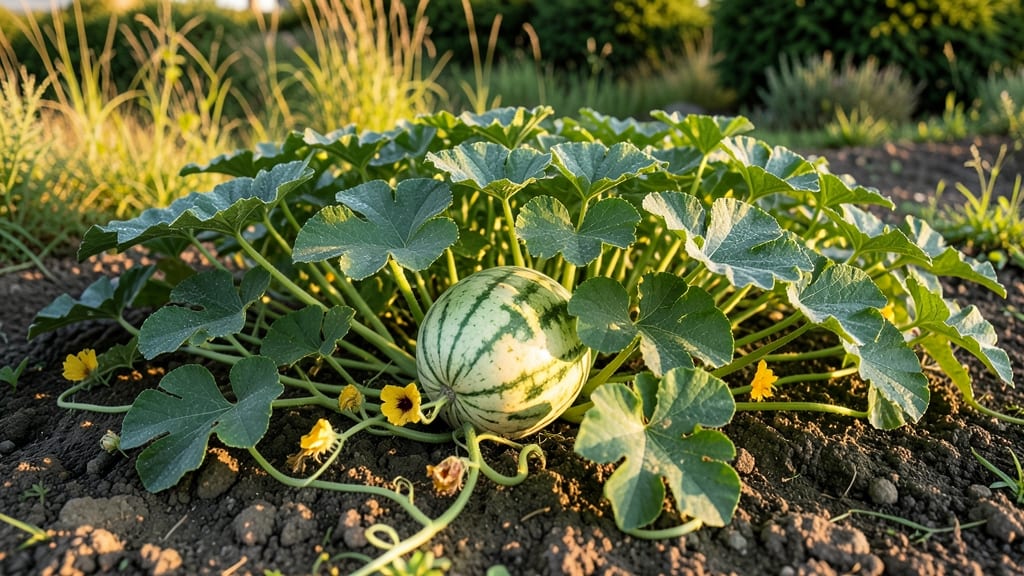
Growing a crimson watermelon plant in containers means summer fruit without summer commitment—this cold-hardy variety keeps producing year after year. 🌱 I learned the hard way that traditional watermelons need heat, but this one thrives in pots and even survives light frosts, making it the ultimate backyard experiment for cooler climates.
The secret to success lies in mimicking its natural growing conditions: 5+ hours of direct sun daily, well-draining soil with 30% organic matter, and 10-gallon containers (or larger) to support those sprawling vines.
Unlike annual watermelons, this perennial comes back stronger each spring, so the upfront work pays off for years—not just one season.
By midsummer, you'll be harvesting deep red, 8-12 pound fruits with that classic watermelon crunch, and the plant itself becomes a lush, vine-covered focal point. The key? Pruning aggressively in early spring to redirect energy into fruit production, and mulching heavily to protect roots when temperatures dip.
Works in zones 4-9, even on patios or balconies—just move containers indoors or under cover before winter. The first year establishes roots, but by year two, you'll have a self-sustaining watermelon vine that outproduces most annual varieties. Ready to grow one that keeps giving?
📚 In This Guide
- What you need
- Instructions
- Tips and common mistakes
- Wrapping up and next steps
What you need
- ● Seeds or Seedlings: Crimson watermelon seeds (perennial variety, like 'Moon and Stars' or 'Crimson Sweet') or young plants from a nursery. Quantity: 2–4 seeds (or seedlings) per container.
- ● Containers: Large, deep pots (at least 12–18 inches in diameter) or grow bags with drainage holes. Material: Fabric, plastic, or ceramic (avoid metal). Quantity: 1 per plant.
- ● High-Quality Potting Mix: Well-draining, organic mix with 30–40% compost. Avoid: Garden soil (risk of compaction). Quantity: 2–3 cubic feet per container.
- ● Slow-Release Fertilizer: Balanced (10-10-10 or 5-5-5) or watermelon-specific fertilizer. Quantity: 1–2 tbsp per plant at planting.
- ● Mulch: Straw, shredded leaves, or wood chips to retain moisture and regulate temperature. Quantity: 2–3 inches thick.
- ● Drip Irrigation or Watering Can: For consistent moisture (watermelons hate soggy roots!).
- ● Support Stakes or Trellis: Vines can grow 10–15 feet! Use 5–6 ft bamboo stakes or a small trellis.
- ● Trowel or small shovel for transplanting.
- ● Pruners (sterilized) for trimming vines.
- ○ pH Test Kit (optional but helpful—ideal range: 6.0–6.8).
- ● Garden Gloves (to protect your hands from thorns!).
- ● Climate Zone: USDA Zones 3–9 (perennial watermelons tolerate light frosts!).
- ● Overwintering Prep: Move containers to a garage or insulated shed in winter (or use frost blankets for outdoor pots).
- ● Sunlight: Full sun (6–8+ hours daily)—even in cooler months!
- ● Mycorrhizal Fungi: Boosts root health (mix into soil).
- ● Compost Tea: Organic liquid fertilizer for extra nutrients.
- ● Row Covers: Protect young plants from unexpected cold snaps.
- ● Grow Lights: Extend sunlight in short-winter days (LED or fluorescent).
Step-by-step guide to growing crimson watermelon in containers
This cold-hardy perennial thrives in containers with the right care—here's how to coax vibrant regrowth year after year.
🌱 Step 1: Select and Prepare the Right Container
Choose a container at least 18 inches deep with multiple drainage holes—watermelons need room for sprawling vines and deep root systems. I prefer fabric grow bags because they allow roots to breathe while preventing waterlogging. Add 2-3 inches of gravel or broken pottery at the bottom to improve drainage and prevent soil compaction.
Fill the container with a well-draining potting mix (avoid garden soil—it compacts in containers and drowns roots). I blend 50% premium potting mix, 30% coconut coir, and 20% perlite for optimal aeration. Moisten the mix until it feels like a wrung-out sponge—damp but not soggy. This ensures roots establish quickly without sitting in water.
☀️ Step 2: Plant and Provide Optimal Light
Plant your crimson watermelon slips (young plants) in early spring after the last frost, spacing them 12-18 inches apart in the container. Dig a hole deep enough to bury the stem up to the first set of leaves—this encourages stronger root growth. Gently firm the soil around the base to eliminate air pockets.
Watermelons are sun-worshippers and need full sun (6-8 hours daily) for best fruit production. Place your container in the southeast corner of your patio or balcony to catch morning sun and avoid afternoon heat stress. If you notice leaves yellowing or vines growing weak, move the plant to a sunnier spot immediately—this is a clear sign of insufficient light.
💧 Step 3: Water Deeply and Fertilize for Regrowth
Water deeply twice weekly during the growing season, ensuring the top 6 inches of soil feel dry before watering again. I use a soaker hose to deliver moisture directly to the roots, which prevents fungal diseases that thrive in wet foliage. In hot summer months, increase watering to every other day, but always check soil moisture first—overwatering is a common killer of container-grown watermelons.
Feed your plant with a balanced liquid fertilizer (10-10-10) every 4-6 weeks to encourage lush regrowth. I switch to a low-nitrogen, high-potassium fertilizer (5-10-10) once flowers appear to boost fruit development. Stop fertilizing 4-6 weeks before the first frost to allow the plant to harden off naturally for winter.
✂️ Step 4: Prune and Support Vines for Year-Round Growth
As vines grow, train them along a strong trellis or tomato cage to save space and improve air circulation. Prune weak or leggy growth regularly to redirect energy into fruit production. I pinch off the first few flowers to encourage stronger vine development—this ensures the plant puts energy into establishing roots before bearing fruit.
In fall, when temperatures drop below 50°F, cut back vines to 6 inches above the soil and reduce watering. Move the container to a protected location (like a garage or shed) if frost is expected. Crimson watermelons are cold-hardy perennials, but they need consistent moisture during dormancy to survive winter. Check soil moisture monthly and water lightly if it feels completely dry.
🌿 Step 5: Prepare for Spring Regrowth and Next Season
In early spring, repot the plant into a larger container (20+ inches deep) if roots are circling the edges. Refresh the soil with new potting mix and a slow-release fertilizer to jumpstart growth. Watch for new shoots emerging from the base—this is your signal that the plant is waking up from dormancy.
By mid-spring, your crimson watermelon should be ready to produce again. Thin vines to 2-3 main stems for better air flow and fruit quality. I also add a mulch layer (2 inches of straw) around the base to retain moisture and suppress weeds. With proper care, your container-grown watermelon can thrive for years, rewarding you with cold-hardy, perennial fruit every season.
Tips & tricks for perfect crimson watermelon in containers
These insider tricks will help your cold-hardy watermelon flourish year after year in containers.
Container Depth Matters: The 18-inch minimum depth is non-negotiable for watermelons—shallow containers stunt root growth and limit fruit production. I've seen vines circle the bottom of 12-inch pots and produce tiny, underdeveloped fruit. If you're working with limited space, opt for fabric grow bags that expand as roots grow, or choose smaller varieties like 'Sugar Baby' that tolerate slightly shallower depths.
Soil Mix Secrets: That 50-30-20 blend of premium potting mix, coconut coir, and perlite isn't just arbitrary—it creates the perfect balance of moisture retention and aeration. I've learned the hard way that skipping the perlite leads to compacted soil that suffocates roots. For even better drainage, mix in a handful of orchid bark chips into the bottom third of your container before adding the soil blend.
Light Positioning Strategy: The southeast corner recommendation isn't just about morning sun—it's about avoiding the brutal afternoon heat that can scorch leaves. If your only sunny spot is west-facing, use a sheer curtain during peak afternoon hours (2-5 PM) to diffuse the intensity. I've noticed my plants develop stronger vines and more flowers when protected from this direct heat stress.
Winter Survival Hack: That monthly moisture check during dormancy is crucial, but here's what nobody tells you: wrap the container in bubble wrap or thick burlap during hard freezes (below 25°F). This simple insulation can mean the difference between a plant that makes it through winter and one that succumbs to frost damage. I've had plants survive -10°F winters with this protection.
Pro Tips for Crimson Watermelon Plant
- These insider tricks will help your cold-hardy watermelon flourish year after year in containers.
- Container Depth Matters: The 18-inch minimum depth is non-negotiable for watermelons—shallow containers stunt root gr...
- Soil Mix Secrets: That 50-30-20 blend of premium potting mix, coconut coir, and perlite isn't just arbitrary—it creat...
Frequently asked questions
Got questions about growing crimson watermelon plants? You’re not alone—this cold-hardy perennial can be tricky for beginners! Here are answers to the most common queries to help you cultivate success.
How cold can a crimson watermelon plant tolerate?
The Citrullus lanatus ‘Crimson Sweet’ (a perennial variety) thrives in USDA Zones 9–11 but can survive brief dips to 25°F (-4°C) with mulch. In colder zones, grow it as an annual or overwinter it in containers indoors. Pro tip: Use frost cloth for extra protection!
When is the best time to plant crimson watermelon seeds?
Start seeds indoors 4–6 weeks before your last frost date (or direct-sow after soil reaches 70°F (21°C)). For perennials, plant in spring or early summer to establish roots before winter. Hot tip: Black plastic mulch warms soil faster—ideal for early starts!
Can I grow crimson watermelon in containers year-round?
Yes! Use 5-gallon+ containers with drainage and overwinter in a sunny greenhouse or bright indoor space (e.g., near a south-facing window). Move pots to garages or basements if temps drop below 50°F (10°C). Key: Reduce watering in winter to prevent root rot.
Why aren’t my watermelons ripening—just growing vines?
Vines thrive but skip fruiting due to insufficient sunlight (6+ hours/day), heat stress, or poor pollination. Hand-pollinate with a brush if bees are scarce. Also, check for powdery mildew (white fungus) and treat with neem oil. Fix: Prune excess vines to focus energy on fruit!
Are crimson watermelons sweeter than regular ones?
Yes! This heirloom variety boasts higher sugar content (12–15° Brix) and a rich, ruby-red flesh with fewer seeds. They’re also disease-resistant and perfect for small spaces. Bonus: Their cold tolerance extends the harvest season!
What can I do if my perennial watermelon dies back in winter?
Don’t panic! Crimson watermelons are dormant in winter—cut back dead vines, mulch heavily, and wait for regrowth in spring. If no new growth appears, check for root rot (soggy soil) or pests. Revive tip: Fertilize lightly in early spring with compost!
Wrapping up and next steps
Growing a crimson watermelon plant is a rewarding adventure—whether you're a container gardener or a cold-hardy enthusiast! With its year-round regrowth and stunning deep-red fruit, this unique variety brings both beauty and flavor to your space.
Start small, experiment with care, and soon you’ll be enjoying homegrown watermelons that stand out in taste and resilience.
Ready to take the next step? Plant your first seeds this season and watch your garden thrive! For extra tips, explore cold-hardy varieties or join gardening communities to share your progress. Happy growing! 🌱✨