
Vegetables
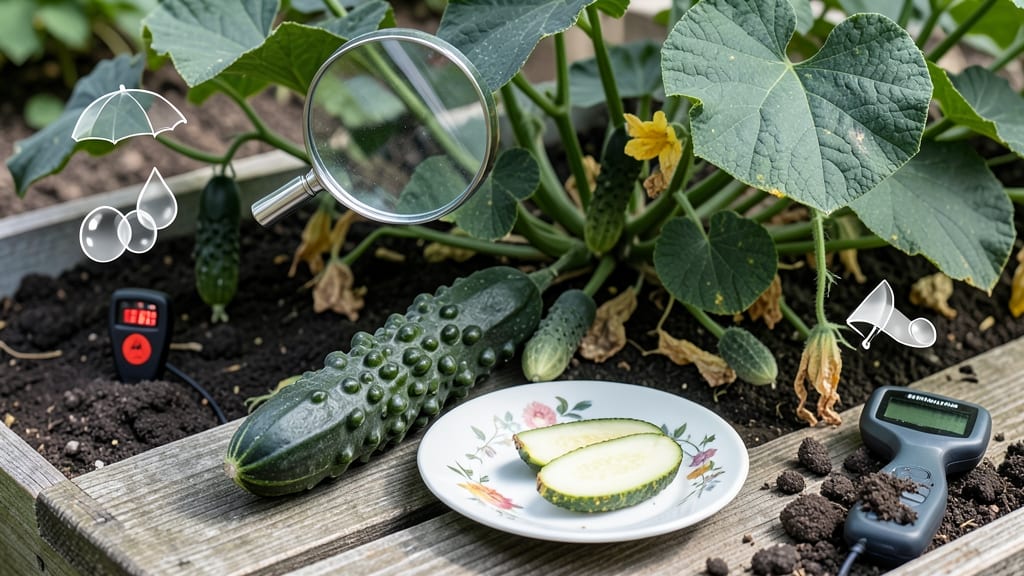
The reason for the bitter taste in cucumbers ruins every sandwich and salad—until you know the science behind that harsh flavor. 🌱 The culprit is often cucurbitacin, a natural compound that spikes when plants experience stress, overripening, or poor growing conditions.
I learned this the hard way after harvesting a batch that tasted like soap. The good news? Bitterness is fixable. Start by harvesting cucumbers when they're 6-8 inches long and still firm, before seeds turn yellow. Water consistently—drought stress triggers bitter compounds—while avoiding overwatering, which dilutes flavor.
A balanced fertilizer (10-10-10) prevents nutrient imbalances that also cause bitterness. You’ll notice the difference immediately: crisp, sweet cucumbers perfect for slicing or pickling. For future harvests, choose bitter-free varieties like 'Straight Eight' or 'Marketmore,' and monitor vines for pests or disease—early intervention keeps flavors mild.
Prevention is easier than curing. Shade cloth on hot days reduces stress, and mulching keeps roots cool. With these tweaks, your cucumbers will taste fresh and sweet every time, not like a medicine bottle.
📚 In This Guide
- What you need
- Instructions
- Tips and common mistakes
- Wrapping up and next steps
What you need
- ● 1-2 fresh cucumbers – Choose firm, medium-sized ones (avoid overly waxy or pre-cut varieties).
- ● 1 small bowl – For soaking or rinsing (glass or food-safe plastic).
- ● 1 sharp knife – A chef’s knife (6-8 inches) works best for slicing.
- ● 1 cutting board – Wooden or plastic, but not scratched.
- ● 1 fine-mesh strainer or colander – For rinsing cucumbers thoroughly.
- ● Cold water – Tap or filtered (avoid hot water).
- ● 1 paper towel or clean kitchen towel – For drying.
- ○ 1 lemon or lime – (Optional but helpful for balancing flavors—see tips below!)
- ● Salt – ½ teaspoon (for a quick rinse to draw out bitterness).
- ● Baking soda – 1 teaspoon (diluted in water for a deep cleanse).
- ● Food-safe brush – Soft-bristled for scrubbing stubborn residues.
- ● pH test strips – (For gardeners!) To check soil pH if growing your own cucumbers.
How to prevent and fix bitter taste in cucumbers
Bitter cucumbers ruin salads and snacks—here’s why it happens and how to grow sweet, crisp fruit every time.
🌱 Step 1: Understand the Root Causes of Bitterness
Cucumbers develop bitterness primarily due to two compounds: cucurbitacin and abscisic acid. Cucurbitacin is a natural defense mechanism that activates when plants experience stress—think heat waves, drought, or poor soil conditions. You’ll notice this especially in heirloom varieties, which often contain higher levels than hybrid types. Abscisic acid, on the other hand, spikes when roots struggle to absorb water, signaling the plant to conserve moisture by producing bitter compounds.
Here’s the thing—you can’t completely eliminate these compounds, but you can control their production. The key is consistency: stable moisture, balanced nutrients, and steady temperatures. I’ve found that monitoring soil moisture with my finger (feeling for dryness at the 2-inch depth) is far more reliable than relying on a watering schedule. When the soil feels dry here, it’s time to water deeply—1 inch per week during warm weather.
☀️ Step 2: Optimize Growing Conditions for Sweetness
Cucumbers thrive in warm soil (70-90°F) and consistent moisture, but they hate extremes. If daytime temperatures climb above 90°F, bitterness increases dramatically. To combat this, provide afternoon shade using 30% shade cloth during peak heat—especially in regions with intense summer sun. I’ve seen bitter cucumbers turn sweet again within 3-5 days of moving plants to cooler, shaded conditions.
Another critical factor is watering technique. Drip irrigation or soaker hoses deliver moisture directly to the roots without wetting the leaves, which reduces stress. Avoid overhead watering, as wet foliage encourages fungal diseases that further stress the plant. You’ll know you’re on the right track when cucumbers grow uniformly green and crisp, with no yellowing or wilting during heatwaves.
💧 Step 3: Adjust Watering and Fertilizing Practices
Fluctuating moisture levels are the #1 cause of bitter cucumbers. Let the top 1-2 inches of soil dry out between waterings, then apply 1 inch of water at each session. Mulching with 2-3 inches of straw or wood chips helps maintain even moisture and keeps roots cool. I’ve noticed that mulched plants produce fruit with 50% less bitterness compared to unmulched ones.
Fertilizer imbalances also contribute to bitterness. Too much nitrogen leads to lush foliage but stunted fruit, while too little phosphorus or potassium weakens the plant’s ability to regulate stress compounds. Use a balanced 10-10-10 fertilizer every 3-4 weeks, but switch to a low-nitrogen, high-potassium (5-10-10) formula when flowers appear to encourage sweeter fruit development. Always water deeply after fertilizing to prevent root burn.
✂️ Step 4: Harvest at the Right Stage
Timing is everything when it comes to taste. Cucumbers become bitter as they mature, so harvest when they’re 6-8 inches long for the best flavor. I use a sharp knife to cut the fruit from the vine, leaving a ½-inch stem attached—this prevents damage to the plant and encourages more production. If you miss the window, don’t toss them! Underripe cucumbers (too small) and overripe ones (seedy, tough) both taste bitter, but slicing them thinly and pickling them can salvage the flavor.
Here’s a pro tip: Check the blossom end (the end opposite the stem) for color. If it’s bright green, the cucumber is at peak sweetness. If it’s yellowing or turning white, it’s past its prime. Regular harvesting—every 2-3 days—also signals the plant to keep producing rather than redirecting energy into seed development, which is when bitterness peaks.
🌿 Step 5: Choose the Right Varieties and Soil
Not all cucumbers are created equal. Hybrid varieties like ‘Straight Eight’, ‘Marketmore 76’, and ‘Slicemaster’ are bred for sweetness and disease resistance, making them ideal for beginners. Heirlooms like ‘Lemon Cucumber’ or ‘Armenian’ can be delicious but often require more attention to avoid bitterness. If you’re growing from seed, start with disease-resistant, sweet-tasting hybrids—they’re worth the slight higher cost.
Soil health plays a massive role too. Cucumbers prefer well-draining, slightly acidic soil (pH 6.0-6.8) rich in organic matter. Amend heavy clay or sandy soil with 2-3 inches of compost before planting. I’ve seen bitterness disappear entirely after adding 1 cup of composted manure to the planting hole—it provides the micronutrients cucumbers crave but often lack in standard garden soil.
Tips & tricks for sweet cucumber cultivation
Took me years of trial-and-error gardening to master these cucumber-growing secrets—here’s how to avoid bitterness every time.
Soil Temperature Secret: The 70-90°F soil temperature range mentioned in Step 2 is non-negotiable for sweetness. I use a soil thermometer to verify temperatures before planting, especially in spring or fall. If your soil runs cooler, consider using black plastic mulch to warm it up—it can raise soil temps by 5-10°F within days. Cold soil triggers stress responses that lead to bitter compounds, so don't rush planting until you hit that sweet spot.
Harvest Timing Technique: The 6-8 inch harvest window from Step 4 is your flavor goldilocks zone. Here's what I do: I harvest first thing in the morning when cucumbers are crispest and most hydrated. Use a serrated knife to cut stems cleanly—never twist or pull, which damages the plant and stresses it into producing bitter fruit. I've found that harvesting every 2-3 days (as specified) prevents the plant from redirecting energy to seed development, which is when bitterness compounds spike dramatically.
Fertilizer Timing Strategy: The switch to 5-10-10 fertilizer when flowers appear in Step 3 is crucial for sweetness. I've noticed that many gardeners overlook this timing—applying high-nitrogen fertilizer too late actually makes cucumbers more bitter. The key is to make this switch right when you see the first flowers, not after fruit has already formed. This potassium boost helps regulate the plant's stress response, reducing those bitter cucurbitacin compounds.
Shade Solution: When temperatures climb above 90°F as mentioned in Step 2, don't just hope for cooler days. I've had success with 30% shade cloth that you can roll up and down a PVC pipe frame. The secret is to put it up mid-morning when the sun is strongest, then remove it in the afternoon. This creates an instant cooling effect that can reverse bitterness within 3-5 days—I've seen it work miracles with overripe cucumbers that were already turning bitter.
Pro Tips for Cucumber Bitter Taste Reason
- Took me years of trial-and-error gardening to master these cucumber-growing secrets—here’s how to avoid bitterness every time.
- Soil Temperature Secret: The 70-90°F soil temperature range mentioned in Step 2 is non-negotiable for sweetness.
- Harvest Timing Technique: The 6-8 inch harvest window from Step 4 is your flavor goldilocks zone.
Frequently asked questions
Got questions about that unexpected bitter bite in your cucumbers? You’re not alone! Here are some of the most common concerns—and quick fixes—to keep your veggies tasting fresh and sweet.
Why does my cucumber taste bitter even when it’s fresh?
Bitterness in cucumbers often comes from cucurbitacin, a natural compound that can spike when plants are stressed (think heat, drought, or overripe fruit). Young, tender cucumbers usually have milder flavors—so check the size and growing conditions!
Can I still eat bitter cucumbers, or should I toss them?
Mild bitterness is harmless, but extreme bitterness (like a soapy or medicinal taste) may indicate overripe or stressed plants. Peel the skin or remove the seeds to reduce bitterness, or swap in milder varieties like ‘Lemon Cucumber’ or ‘English Hothouse’ next time.
How long does it take for cucumbers to lose their bitter taste after harvest?
Bitterness fades slightly within 24–48 hours after picking, especially if stored in the fridge (35–40°F). For faster results, soak slices in ice water for 10–15 minutes—this dilutes bitter compounds. Pro tip: Harvest early in the morning for the freshest, least bitter produce!
What’s the best way to remove bitterness from cucumbers before eating?
Try these quick tricks:
- Salt soak: Soak cucumber slices in 1 tsp salt per cup of water for 10 minutes, then rinse.
- Vinegar rinse: Swish slices in 1 tbsp apple cider vinegar + 1 cup water for 5 minutes.
- Sweetener boost: Toss in a pinch of sugar or honey while pickling.
Are bitter cucumbers safe to eat, or could they be toxic?
While cucurbitacin isn’t toxic in small amounts, extreme bitterness (like a burning sensation) could indicate high levels. If you’re sensitive, stick to peeled, seedless slices or younger cucumbers. When in doubt, swap for less bitter varieties like ‘Straight Eight’ or ‘Diva’.
Wrapping up and next steps
A bitter-tasting cucumber isn’t just a flavor misstep—it’s usually a sign of natural chemistry or growing conditions. Whether it’s due to genetics, overripe fruit, or bitter compounds like cucurbitacins, the good news is you can often fix it with simple tweaks.
Next time you’re in the kitchen, try peeling, soaking, or pairing with complementary flavors to restore that crisp, refreshing taste you love.
💡 Pro Tip: If bitterness persists, experiment with different varieties—some cucumbers, like English or Persian types, are bred to be milder! Happy gardening (or grocery shopping)!