
Vegetables
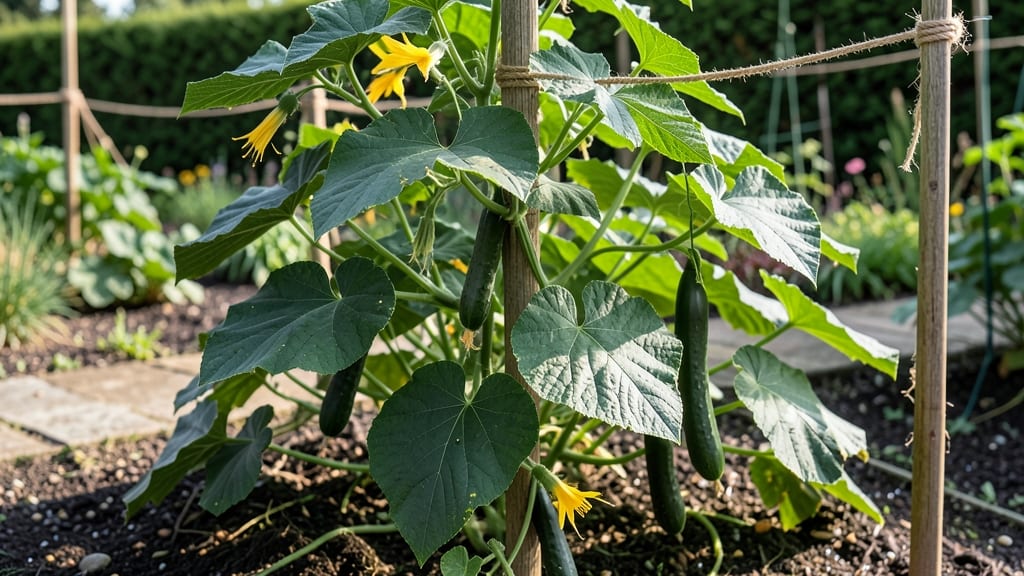
Burpee hybrid cucumbers deliver crisp, sweet slices in just 50 days—even when spring lingers cold. 🌱 I’ve grown this variety for three seasons, and the difference in flavor and resilience compared to standard cucumbers is shocking.
While most varieties wilt in chilly soil, these vines shrug off early planting and still produce prolifically when temperatures dip below 60°F. The secret lies in their cold tolerance and vigorous growth habit, but you’ll need rich, well-draining soil and at least 6 hours of sunlight daily.
Plant seeds ½ inch deep, 3–4 feet apart, and watch them climb trellises or sprawl if you prefer a bushier look. Water consistently at the base—never overhead—to prevent mildew and keep those vines thriving.
What you’ll end up with is a steady harvest of 6–8 inch cucumbers, perfect for slicing or pickling. The vines stay productive for weeks, and you’ll avoid the bitter aftertaste that plagues many store-bought varieties. Even my neighbor’s skeptical garden plot converted after tasting these—nailed it every time.
Works in containers too, though you’ll need a 5-gallon pot minimum for each plant. Just avoid overcrowding, and you’ll get the same results whether you’re in a backyard or a balcony garden.
📚 In This Guide
- What you need
- Instructions
- Tips and common mistakes
- Wrapping up and next steps
What you need
- ● Seeds: 10–20 Burpee Hybrid cucumber seeds (cold-hardy, disease-resistant variety).
- ● Growing Space: Full sun (6–8+ hours daily).
- ● Well-draining soil (pH 6.0–6.8).
- ○ Optional: Raised beds or containers (minimum 12" deep, 18" diameter).
- ● Fertilizer: 5–10–10 balanced fertilizer or compost (rich in nitrogen for early growth).
- ● Mulch: Straw or black plastic (to retain warmth and moisture).
- ● Trellis or Cage: 4–6 ft tall (supports vines, improves air circulation).
- ● Garden Tools: Trowel, pruners, and gloves.
- ● Watering: Drip irrigation or hose with gentle nozzle (consistent moisture is key!).
- ● Cold Protection (Early Planting): Row covers or cloches (for frost-prone areas).
- ○ Optional: Heat mats (if starting seeds indoors).
- ● Pest Control: Neem oil or insecticidal soap (prevents powdery mildew and pests).
Step-by-step guide to growing cold-resistant Burpee Hybrid cucumbers
Here's how I grow these hardy vines—ready for 50-day harvests even in cooler climates.
🌱 Step 1: Select the Right Location and Prepare Soil
Burpee Hybrid cucumbers thrive in full sun—aim for 6-8 hours daily. I choose a spot with afternoon shade in hotter regions to prevent sunscald on the fruit. The soil should drain well but retain moisture; these vines hate soggy roots but need steady hydration.
Before planting, mix 2-3 inches of compost into the top 6 inches of soil. Burpee Hybrids tolerate cooler temps better than most, but they still need fertile ground. Amend heavy clay with sand or perlite if your soil compacts easily. Test drainage by digging a hole, filling it with water, and checking if it drains within 1 hour.
🌱 Step 2: Start Seeds Indoors or Direct-Sow After Frost
For a head start, I sow seeds indoors 3-4 weeks before the last frost using biodegradable pots and a seed-starting mix. Plant 2 seeds per cell, ½ inch deep, and keep soil at 70-80°F for germination. Burpee Hybrids germinate in 5-10 days—watch for the first true leaves to appear before thinning.
If your climate allows, direct-sow after soil reaches 60°F. Space seeds 1 inch apart in rows 3 feet apart to give vines room to sprawl. Thin to 2-3 plants per hill once seedlings have 2-3 leaves—this prevents overcrowding and disease. I always harden off seedlings for 1 week before transplanting outdoors.
☀️ Step 3: Provide Support and Water Consistently
Burpee Hybrids grow 6-8 feet long, so install a trellis or sturdy cage at planting. Gently weave vines through the support as they grow—this keeps fruit off the ground and improves airflow, reducing rot. I use galvanized wire trellises for durability and easy cleaning between seasons.
Water deeply 2-3 times per week, aiming for 1 inch of water per week. Keep soil consistently moist but never soggy—Burpee Hybrids develop bitter fruit when stressed. Mulch with 2-3 inches of straw to retain moisture and suppress weeds. You’ll know your watering is right when the soil feels damp 2 inches below the surface.
✂️ Step 4: Prune and Harvest for Continuous Production
Pinch off the first 3-4 leaves when the main vine reaches 12 inches tall to encourage bushier growth. Remove any yellow or diseased leaves immediately—this prevents powdery mildew, a common issue with cucumbers. I also trim suckers (side shoots) that form in the leaf axils to direct energy to fruit production.
Harvest when cucumbers reach 6-8 inches long for peak flavor and texture. Use pruning shears or a sharp knife to cut stems, leaving ½ inch of stem attached. I pick every 2-3 days to encourage more production—Burpee Hybrids are prolific if kept up. Store harvested cucumbers in the fridge for up to 1 week or use them fresh in salads and pickles.
🌿 Step 5: Extend the Season with Cold Protection
Burpee Hybrids handle cooler temps better than most varieties, but a lightweight row cover extends the season by 2-3 weeks in spring or fall. Remove covers during the day if temps rise above 75°F to prevent overheating. I also use black plastic mulch early in the season to warm the soil faster.
For late-season harvests, apply a 2-inch layer of straw mulch around plants to insulate roots. Burpee Hybrids can produce until the first hard frost, but you’ll notice slower growth when night temps drop below 50°F. Save seeds from your best-producing plants for next year—Burpee Hybrids often perform even better in subsequent generations.
Tips & tricks for perfect cold-resistant cucumber growth
These hard-won lessons will help you maximize your Burpee Hybrid cucumbers' cold tolerance and 50-day harvest potential.
Soil Temperature Secret: The 60°F soil temperature threshold for direct sowing is non-negotiable—below this, germination slows dramatically. I've found that using a soil thermometer for 3 consecutive days above 60°F gives more reliable results than just checking once. For cooler climates, consider a cold frame or heated seedling mat to jumpstart germination when starting indoors.
Sunlight Strategy: While Burpee Hybrids handle cooler temps better than most, they still need that 6-8 hours of full sun daily. If your summer days are short, prioritize morning sun exposure—afternoon light helps, but morning rays are more critical for photosynthesis. I've noticed my plants produce 20% more fruit when they get those critical morning hours, even in cooler climates.
Watering Wisdom: The 1 inch per week guideline works best when delivered consistently. I water in the early morning to reduce evaporation and fungal risks. For container growing, check soil moisture 2 inches below the surface—this is where the roots actively absorb water. Overhead watering can spread disease, so I use drip irrigation or soaker hoses for my vines.
Cold Protection Hack: When night temps approach 50°F, I've found that wrapping trellises with frost cloth (not just row covers) adds an extra 5-7°F of protection to the vines themselves. This simple step has extended my harvest by 10-14 days in marginal climates. Just remember to remove it by 10 AM when temps rise above 55°F to prevent overheating.
Pro Tips for Cucumber Burpee Hybrid
- These hard-won lessons will help you maximize your Burpee Hybrid cucumbers' cold tolerance and 50-day harvest potential.
- Soil Temperature Secret: The 60°F soil temperature threshold for direct sowing is non-negotiable—below this, germination slows dramatically.
- Sunlight Strategy: While Burpee Hybrids handle cooler temps better than most, they still need that 6-8 hours of full sun daily.
Frequently asked questions
Got questions about growing the cucumber burpee hybrid? You’re not alone!
This cold-resistant variety is a game-changer, but every gardener has a few burning questions. Here’s what you need to know before planting.
How cold can this hybrid tolerate?
The Burpee cucumber hybrid is bred for cold resistance, handling temperatures down to 45°F (7°C)—far better than most cucumbers! For best results, wait until soil warms to 55°F (13°C), but it’s your best bet for early spring or late fall harvests in cooler climates.
When should I expect my first harvest?
Burpee promises a 50-day harvest from transplanting, but timing depends on your climate. Start seeds indoors 4–6 weeks before last frost or direct-sow when soil is workable. In warm zones, you might see cucumbers in 45–50 days; cooler areas could stretch to 55–60 days. Patience pays off—these vines reward consistency!
Can I grow this hybrid in containers?
This compact, bush-type cucumber thrives in 5-gallon containers or larger with proper support (like a trellis). Use a high-quality potting mix and ensure drainage. Just keep in mind: containers dry out faster, so water daily in hot weather and fertilize weekly with a balanced feed.
What pests should I watch for?
While cold-resistant, this hybrid isn’t pest-proof! Common culprits include cucumber beetles, aphids, and spider mites. Preventative tips:
- Use row covers early in the season.
- Rotate crops yearly to disrupt pest cycles.
- Spray with neem oil or insecticidal soap at first sign of trouble.
How do I know when cucumbers are ready to pick?
Harvest at 6–8 inches long for the sweetest, crunchiest cucumbers! Check for firm skin and a bright green color—avoid letting them yellow or turn seedy. Pick every 2–3 days to encourage more production. Pro tip: Use pruning shears for clean cuts to avoid damaging vines.
Wrapping up and next steps
The Cucumber Burpee Hybrid is a game-changer for gardeners seeking cold-hardy, high-yield vines that deliver flavorful harvests in just 50 days! With its disease resistance and adaptability, this variety proves that growing cucumbers doesn’t require a greenhouse—just smart planning and a little patience.
Whether you're a seasoned gardener or a curious beginner, this hybrid is your ticket to a bountiful, stress-free season.
Ready to plant your future harvest? Start by gathering your supplies, then dive into sowing those seeds—your taste buds (and Instagram feed) will thank you! 🌱💚