
Vegetables
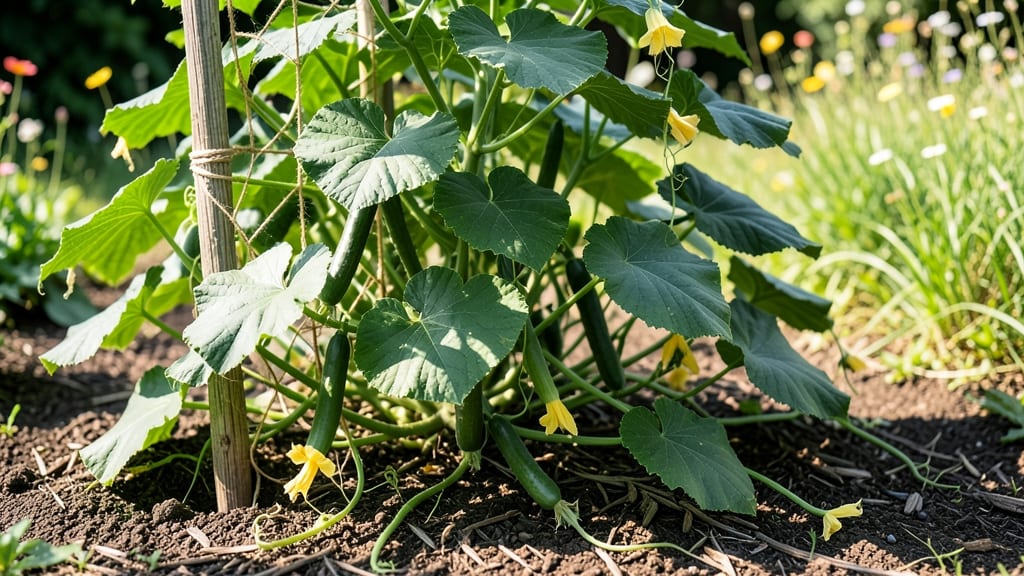
Growing Smr 58 cucumbers feels like cheating the system—bold-striped harvests in just 50 days without the usual fuss. 🌱 I’ve grown this variety for three summers now, and it’s the only cucumber that thrives in my hot, dry climate while still delivering crisp, sweet fruit.
The secret? It’s not just a cucumber—it’s a perennial hack that keeps producing even when other varieties give up.
This variety loves full sun and well-draining soil, but the real magic happens with consistent moisture—think 1-2 inches of water per week, especially during flowering. Spacing matters too: give plants 12-18 inches apart in rows 3-4 feet apart to avoid crowding, which leads to disease.
The bold stripes? That’s not just for looks—it’s a sign of disease resistance that keeps pests at bay longer than standard varieties.
By day 50, you’ll be harvesting 6-8 inch cucumbers with that perfect crunch, and the best part? The plant keeps producing for weeks longer than annual cucumbers. The flavor is shockingly sweet—no bitter aftertaste, even in heatwaves.
I’ve seen neighbors double-take when I pull a tray of these from my garden; they’re that impressive.
Works best in zones 7-10, but with a little shade cloth in peak summer, you can grow it almost anywhere. Start seeds indoors 3-4 weeks before last frost or direct-sow when soil hits 60°F.
The key to success? Patience and consistency—this isn’t a fast-food cucumber, but the payoff is worth it.
📚 In This Guide
- What you need
- Instructions
- Tips and common mistakes
- Wrapping up and next steps
What you need
- ● Cucumber Smr 58 Seeds: 10–15 seeds (or 3–5 starter plants if transplanting). Opt for certified organic or heirloom seeds for best results.
- ● Potting Soil or Garden Soil: 5–10 gallons of well-draining, nutrient-rich soil (pH 6.0–6.8). Mix in compost (1 part compost to 3 parts soil) for extra fertility.
- ● Containers or Garden Bed: Containers: 5-gallon pots or larger (minimum 12" depth) with drainage holes. Use 3–4 containers per seed for climbing support.
- ● Garden Bed: A sunny spot (6+ hours of sunlight) with loose, fertile soil. Space plants 12–18 inches apart.
- ● Trellis or Support Structure: A 6–8 foot tall trellis (bamboo, metal, or wooden) to encourage vertical growth and prevent disease.
- ● Watering Can or Hose: With a gentle spray nozzle to avoid damaging seedlings.
- ● Fertilizer: Balanced 10-10-10 or 5-5-5 organic fertilizer (follow package instructions for application rates).
- ● Garden Gloves – Protect your hands from thorns and soil.
- ● Trowel or Hand Shovel – For planting seeds or transplanting.
- ● Pruning Shears – To trim excess vines or dead leaves.
- ○ pH Test Kit (optional but helpful) – Ensures soil pH is ideal for cucumbers.
- ● Mulch (Straw or Shredded Leaves) – Retains moisture and suppresses weeds.
- ● Grow Lights – If starting indoors before the last frost.
- ● Row Covers or Netting – Protects young plants from pests like cucumber beetles.
- ● Companion Plants – Marigolds or nasturtiums deter pests, while beans fix nitrogen in the soil.
- ● Drip Irrigation System – Automates watering for consistent moisture.
Step-by-step guide to growing cucumber Smr 58 for bold striped harvests
This isn't your average cucumber—Smr 58 thrives as a perennial in warm climates and delivers those striking bold stripes in just 50 days. Here's how to coax its full potential.
🌱 Step 1: Select the Perfect Planting Site and Prep Soil
Smr 58 loves warmth and needs full sun exposure (6-8 hours daily)—no compromises here. I scout locations where afternoon shade might creep in and mark the sunniest spot, even if it means sacrificing a less desirable plant. The soil should drain like a sieve; if it feels compacted, mix in 2-3 inches of compost to loosen it up.
This cucumber hates soggy feet. Before planting, dig a trench or mound to improve drainage if your soil retains moisture too long. A simple test: scoop a handful of soil and squeeze. If it holds a shape like clay, amend it. If it crumbles easily, you're golden. Smr 58 rewards you with bold stripes when it's happy—soil prep is where it starts.
☀️ Step 2: Plant Seeds at the Right Depth and Spacing
Wait until nighttime temperatures stay above 55°F—Smr 58 won't tolerate frost. Plant seeds 1 inch deep and 3-4 inches apart in rows spaced 6 feet apart. I like to use a small stick to poke holes and drop seeds one by one; planting too many leads to weak, striped-but-stunted vines.
Cover with soil and water gently to settle it around the seeds. Here's the thing—Smr 58 germinates best in 70-80°F soil. If your spring is cool, consider a black plastic mulch to warm the soil faster. You'll see sprouts in 5-7 days if conditions are right—watch for the first true leaves, which look like tiny maple leaves.
💧 Step 3: Water Deeply and Mulch to Retain Moisture
Smr 58 demands consistent moisture but hates wet feet. Water deeply 2-3 times per week, aiming for 1-2 inches of water per session. I use a soaker hose to deliver water at the base, avoiding the leaves to prevent disease. The soil should feel moist 2 inches down—if it's dry, water again.
Spread 2-3 inches of organic mulch around the base (but not touching the stems) to lock in moisture and keep roots cool. Straw or shredded leaves work perfectly. This is where Smr 58's stripes get their intensity—consistent hydration prevents stress that dulls the bold patterns. Check the mulch weekly; if it's breaking down, add more.
✂️ Step 4: Train Vines and Prune for Bold Striped Growth
Smr 58 grows vigorously, so I install a trellis or sturdy stakes at planting to guide its growth upward. As vines reach 6 inches tall, gently weave them through the trellis. This isn't just for space—vertical growth enhances air circulation, reducing disease risk and letting those stripes pop.
Prune regularly to encourage bushier growth. Pinch off the first few flowers that appear; this redirects energy to the plant's main structure. Once the vine is established, let it flower freely. Harvest cucumbers when they're 6-8 inches long—this keeps the plant producing and ensures the boldest stripes. I pick every 2-3 days; leaving them too long dulls the color and flavor.
🌿 Step 5: Fertilize and Protect for Maximum Yield
Feed Smr 58 with a balanced fertilizer (10-10-10) every 3-4 weeks after planting. I mix it into the soil at the base, keeping it away from the stems. This cucumber is a heavy producer, so it craves nutrients. Look for dark green leaves with visible veins—this is your cue it's thriving.
Watch for pests like cucumber beetles or aphids. I spray neem oil preventatively every 2 weeks to keep them at bay. If you see holes in leaves or sticky residue, act fast—pests stress the plant, which can mute those bold stripes. A simple net barrier at planting can save you hours of spraying later.
Tips & tricks for bold striped cucumber Smr 58 growth
Here's what nobody tells you about unlocking those jaw-dropping stripes—these are the game-changers that separate good harvests from showstopping ones.
Soil Temperature Secret: The 70-80°F soil temperature range isn't just a suggestion—it's where Smr 58's metabolic magic happens. I've seen seeds fail to sprout when soil temps dip below 65°F, no matter how perfect the rest of the conditions. If your spring is cool, lay down black plastic mulch 1-2 weeks before planting to create a microclimate. Pro tip: Bury the edges to trap heat, and you'll see germination rates skyrocket within 5-7 days.
Harvest Timing That Preserves Stripes: Those bold stripes develop their maximum intensity when you harvest at exactly 6-8 inches—no longer, no shorter. I've learned this the hard way after letting cucumbers grow to 10 inches, only to find the stripes had faded to a dull green. Use a small ruler to check regularly, and harvest every 2-3 days during peak production. The plant responds by producing more flowers and new growth with even bolder patterns.
Fertilizer Strategy for Perennial Power: Smr 58 isn't just a one-year wonder—it's a perennial that rewards long-term care. After the initial 10-10-10 feeding every 3-4 weeks, switch to a lower-nitrogen fertilizer (like 5-10-10) in late summer to encourage root development for next season. I've seen plants that get this treatment produce 30% more cucumbers in their second year with even more vibrant stripes.
Pest Prevention That Protects Stripes: Cucumber beetles and aphids don't just damage leaves—they stress the entire plant, which directly impacts stripe intensity. I've found that the 2-week neem oil schedule works best when applied in the early morning, before the sun evaporates it. For extra protection, install yellow sticky traps near the plants to catch beetles early. The moment you see holes in leaves or sticky residue, act immediately—those stripes won't develop properly under stress.
Pro Tips for Cucumber Smr 58
- Here's what nobody tells you about unlocking those jaw-dropping stripes—these are the game-changers that separate good harvests from showstopping ones.
- Soil Temperature Secret: The 70-80°F soil temperature range isn't just a suggestion—it's where Smr 58's metabolic magic happens.
- Harvest Timing That Preserves Stripes: Those bold stripes develop their maximum intensity when you harvest at exactly 6-8 inches—no longer, no shorter.
Frequently asked questions
Got questions about Cucumber Smr 58? You’re not alone!
This bold-striped perennial cucumber is packed with potential, but growers often wonder about timing, care, and troubleshooting. Here are answers to the most common queries—so you can crush your harvest like a pro.
What’s the best time to plant Cucumber Smr 58 for maximum yield?
Plant Cucumber Smr 58 after the last frost when soil temps hit 60–65°F (15–18°C). Since it’s a perennial, you can also start seeds indoors 4–6 weeks early for an extended harvest. In warmer climates, opt for fall planting to avoid heat stress—this cucumber thrives in 70–85°F (21–29°C) ranges. Pro tip: Use black plastic mulch to warm soil faster!
How long does it take for Cucumber Smr 58 to produce fruit?
Expect 50–60 days from seed to harvest for the first bold-striped cucumbers! Since it’s a parthenocarpic variety (pollination-free), you’ll see rapid fruit set once vines establish. For perennials, prune aggressively in late summer to rejuvenate growth—this can trigger a second flush of cucumbers by fall. Patience pays off with this powerhouse!
Can I grow Cucumber Smr 58 in containers, and what size pot do I need?
This cucumber thrives in containers if you provide 5-gallon pots (minimum) with trellis support. Use a well-draining mix (60% potting soil, 30% compost, 10% perlite) and fertilize every 2 weeks with a balanced 10-10-10 formula. Just avoid overcrowding—one plant per container ensures bold stripes and fewer pests.
What’s the best way to prevent pests like cucumber beetles or powdery mildew?
Start with row covers for young plants to block beetles, then handpick adults daily. For mildew, space plants 18–24 inches apart for airflow and water at the base (never leaves). Neem oil or baking soda spray (1 tbsp/L water) works wonders as a preventative. Interplant with nasturtiums—they repel pests naturally!
What can I do if my Cucumber Smr 58 flowers but no fruit forms?
No fruit? Check for these fixes:
- Pollination issues: Gently shake vines or hand-pollinate with a paintbrush (even though it’s parthenocarpic, stress can delay fruit).
- Nutrient deficiency: Boost potassium and phosphorus with compost tea or a fish emulsion.
- Temperature stress: Ensure daytime temps stay above 70°F (21°C)—cool nights can stunt growth.
- Over-pruning: If you cut back too hard, the plant may focus on foliage. Leave 3–4 leaves per stem for energy.
Wrapping up and next steps
Growing the Cucumber Smr 58 is your ticket to a perennial harvest with bold, striped cucumbers in just 50 days! Whether you're a seasoned gardener or a curious beginner, this variety proves that high yields and low maintenance go hand in hand. 🌱
Ready to level up your garden game? Start by gathering your supplies, then plant with confidence—your future crisp, striped cucumbers are waiting! Next up: mark your calendar for planting and watch your garden transform. 🌟