
Vegetables
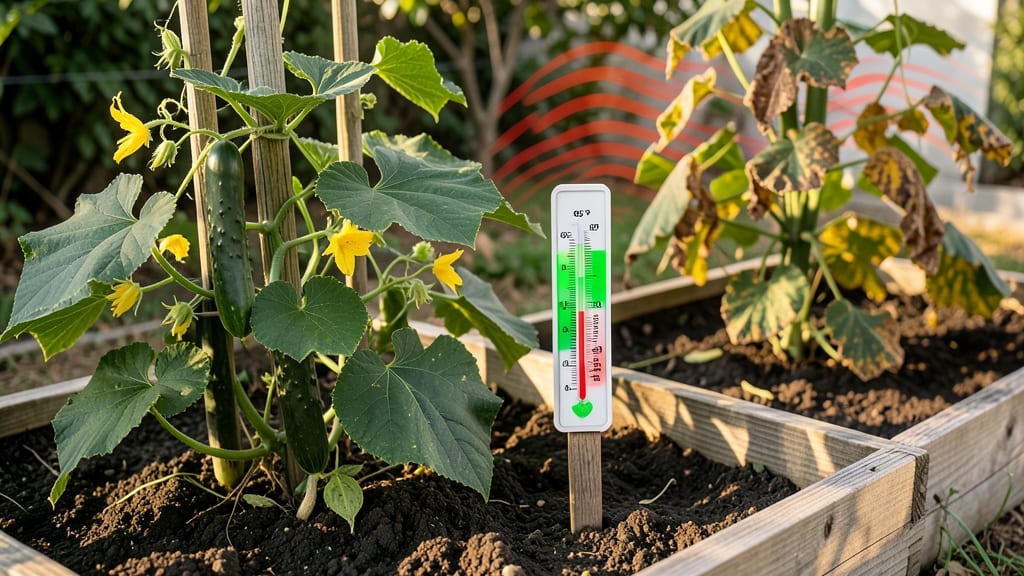
Cucumbers thrive best when you respect their cucumber temperature tolerance, which runs from 50°F to 95°F—but push them too far, and you’ll watch your plants wilt or flowers drop before fruiting. 🌱 I learned this the hard way when my cucumbers bolted after a late spring frost—now I use shade cloth and mulch to keep them in their sweet spot year after year.
The secret isn’t just about heat or cold alone; it’s about consistent conditions. Cucumbers hate sudden swings—think 10°F drops or 100°F+ spikes—which is why I’ve had better luck in my Zone 7 garden with afternoon shade than in full sun.
Even in tropical climates, proper airflow and watering make all the difference. With the right adjustments, you’ll go from struggling seedlings to bountiful harvests—crisp, sweet cucumbers that keep producing until frost.
The key is watching the plants, not just the thermometer, and acting fast when leaves start yellowing or vines stop climbing. Works for both backyard gardens and container growers—just scale the solutions. Let’s keep those cucumbers happy and productive!
📚 In This Guide
- What you need
- Instructions
- Tips and common mistakes
- Wrapping up and next steps
What you need
- ● Cucumber seeds or seedlings: Choose cold-tolerant varieties like 'Corinto', 'Northern Pickling', or 'Straight Eight' (3–5 seeds or seedlings per experiment).
- ● Growing containers: 5–10 gallon pots (black or dark-colored for heat absorption) or a raised garden bed (minimum 12" deep).
- ● Potting mix: Well-draining, sterile mix (e.g., 60% peat moss, 30% perlite, 10% compost) – 10 lbs per container.
- ● Thermometer: Digital soil/air thermometer (range: 32°F to 120°F) for precise monitoring.
- ● Row covers or frost blankets: Lightweight, breathable fabric (e.g., Reemay) – 1 per container or bed.
- ○ Grow lights (optional but helpful): LED full-spectrum lights (12–16 hours/day) if natural light is <4 hours/day.
- ● Watering can or hose: With a gentle spray nozzle to avoid displacing soil.
- ● Fertilizer: Balanced organic fertilizer (e.g., 5-5-5) or compost tea – 1 tbsp per gallon of water.
- ● Seedling heat mat: For germinating seeds in temperatures below 60°F.
- ● pH test kit: To ensure soil pH is between 6.0–6.8 (ideal for cucumbers).
- ● Humidity dome or plastic wrap: To retain moisture during germination.
- ● Stakes or trellis: For vertical growth (especially for vining varieties).
- ● Data logger: For tracking temperature fluctuations over time.
Instructions for managing cucumber temperature tolerance
Mastering cucumber temperature tolerance means avoiding common pitfalls—here’s how to keep your vines thriving through fluctuating weather.
☀️ Step 1: Start Seeds at Ideal Warmth
Cucumbers germinate best in soil temperatures between 75-90°F. I use a seedling heat mat set to 80°F for consistent results, especially in cooler climates. Without warmth, germination slows dramatically, and seeds may rot before sprouting. Place your seed trays on the mat and keep them covered with plastic wrap until you see first green shoots—usually within 5-10 days.
Here’s the thing—if your home runs cooler, pre-warm the soil mix by placing the seed trays in a sunny window or under a grow light for 24 hours before sowing. You’ll notice the soil feels warm to touch when ready, signaling it’s primed for germination. Avoid cold drafts near the trays, as temperature drops below 50°F will stall growth entirely.
🌱 Step 2: Harden Off Gradually for Outdoor Transplanting
Once seedlings have 2-3 true leaves, they’re ready for hardening off—but only if nighttime temperatures stay above 55°F. Start by moving them outdoors for 1-2 hours on the first day, choosing a shaded, sheltered spot. Watch for wilting or yellowing leaves, which means they’re stressed and need more time to acclimate.
Over 7-10 days, extend their outdoor time by 1 hour daily, gradually introducing morning sun first. By the final day, they should tolerate a full day outside without wilting. If frost threatens, cover them with floating row covers—cucumbers can’t handle temps below 50°F for long. You’ll know they’re ready for the garden when their stems feel sturdy and leaves look vibrant, not limp.
☀️ Step 3: Protect Mature Plants from Heat and Cold Stress
Cucumbers thrive in daytime highs of 70-90°F but wilts dramatically when temperatures exceed 95°F. To shield them, install shade cloth (30-50% coverage) during peak afternoon heat. I also water deeply in the early morning to keep soil moisture high—this helps regulate plant temperature and prevents sun scald on leaves.
On the cooler end, cucumbers stop producing fruit when nighttime temps drop below 60°F. If frost is forecasted, harvest all remaining cucumbers immediately and mulch heavily with straw or black plastic to insulate roots. You’ll see new growth slow or halt if temps fall below 55°F for more than a day—this is your cue to extend the season with a low tunnel or cold frame if possible.
⏰ Step 4: Time Harvests for Peak Temperature Windows
Cucumbers grow fastest when daytime temps are 75-85°F, making late spring to early summer the ideal harvest window. Check plants every 2-3 days—overripe cucumbers develop bitter flavors and tough skins, especially when daytime temps climb above 90°F. Harvest when fruits are firm, bright green, and 6-8 inches long for best flavor.
If summer heat stretches into fall, cucumbers may bolting prematurely (sending up flowers and seeds) when nights cool below 65°F. To delay this, remove any flower buds that appear early in the season. You’ll notice plants slowing down as temps dip—this is nature’s way of telling you to harvest aggressively before the first frost, which will kill the vines entirely.
Tips & tricks for perfect cucumber temperature management
These cold-resistant strategies will help you navigate temperature swings like a pro—no more wilting vines or wasted harvests.
Soil Warmth Secret: The 24-hour pre-warming trick in Step 1 is non-negotiable for cooler climates. I've seen seeds rot when soil stays below 50°F—always test soil temperature with a thermometer before sowing. For extra insurance, place a small heat cable under seed trays during germination, especially when nighttime temps drop below 55°F. This creates a microclimate that mimics ideal 75-90°F soil conditions.
Hardening Off Hacks: When gradually increasing outdoor time in Step 2, focus on morning sun exposure first—it's gentler than afternoon heat. I've found that placing seedlings on a reflective surface (like white plastic) during hardening can boost warmth by 5-10°F without direct sun stress. Watch for leaves that perk up within 15 minutes of returning indoors—this indicates successful acclimation.
Heat Stress Rescue: For those 95°F+ days in Step 3, don't just rely on shade cloth—implement a double protection system. First, water soil deeply at dawn to create evaporative cooling, then drape a light-colored row cover over plants during peak heat. This combination can lower leaf temperatures by up to 15°F while maintaining humidity. The key is to monitor plants at 2 PM—wilting at this time means immediate action is needed.
Frost Warning System: When nighttime temps approach 60°F in Step 4, set up a simple alert system using a thermometer placed at plant height. Connect it to a weather station app that sends notifications when temps drop below 65°F. This gives you 12-24 hours to harvest or protect plants. I've saved entire crops by acting on these early warnings—don't wait until you see frost on leaves.
Pro Tips for Cucumber Temperature Tolerance
- These cold-resistant strategies will help you navigate temperature swings like a pro—no more wilting vines or wasted harvests.
- Soil Warmth Secret: The 24-hour pre-warming trick in Step 1 is non-negotiable for cooler climates.
- Hardening Off Hacks: When gradually increasing outdoor time in Step 2, focus on morning sun exposure first—it's gentler than afternoon heat.
Frequently asked questions
Got questions about keeping your cucumbers happy in hot or cold weather? You’re not alone! Here are answers to the most common concerns about cucumber temperature tolerance—so you can grow crisp, thriving plants all season long.
What’s the ideal temperature range for cucumbers to grow?
Cucumbers thrive in warm soil (60–90°F), with daytime air temps between 70–90°F. They can tolerate brief dips to 50°F but struggle below 55°F, risking stunted growth or rot. Use row covers or black plastic mulch to warm soil faster in cool climates!
Can cucumbers survive a light frost?
Nope! Cucumbers are tender annuals and cannot handle frost—they’ll die if temps drop below 32°F. If frost is forecast, cover plants with frost cloth or harvest early. For early starts, grow in containers and move them indoors overnight if needed.
How do I protect cucumbers from extreme heat?
Heatwaves (above 95°F) can cause sunscald or bitter fruit. Provide afternoon shade with shade cloth (30–50%), mulch heavily to retain moisture, and water deeply at dawn. Varieties like ‘Straight Eight’ or ‘Lemon Cucumber’ handle heat better than standard slicers.
Can I grow cucumbers in cold frames or greenhouses?
Cold frames or greenhouses let you start cucumbers 2–4 weeks earlier in spring. Aim for soil temps of 60°F+ before planting. Use heat mats or a small space heater (safely!) to jumpstart germination. Just ventilate well to avoid humidity-related diseases.
What should I do if my cucumbers look stressed in cool weather?
Stressed cucumbers may show yellowing leaves or slow growth. Check for root rot (from soggy soil) or powdery mildew (white fuzzy spots). Boost warmth with row covers, adjust watering (keep soil moist but not waterlogged), and fertilize lightly with fish emulsion for a nutrient kick.
Are there cold-hardy cucumber varieties?
Most cucumbers are heat-lovers, but a few tolerate cooler temps better. Try ‘Northern Pickling’ (50°F tolerance) or ‘Armenian’ cucumbers, which handle 55–60°F soil temps. For extreme cold, consider winter squash or peppers as alternatives—they’re far hardier!
Wrapping up and next steps
Understanding cucumber temperature tolerance is your secret weapon for a thriving garden! 🌱 Whether you're battling chilly mornings or scorching afternoons, the right strategies—like choosing cold-hardy varieties, using row covers, or adjusting planting times—can make all the difference. With these insights, you’re now equipped to grow crisp, flavorful cucumbers year-round.
Ready to put your newfound knowledge into action? Start experimenting with a small batch of cold-resistant seeds this season and watch your harvest grow! 🌿 For even more tips, explore our gardening resources to keep your green thumb thriving.