
Vegetables
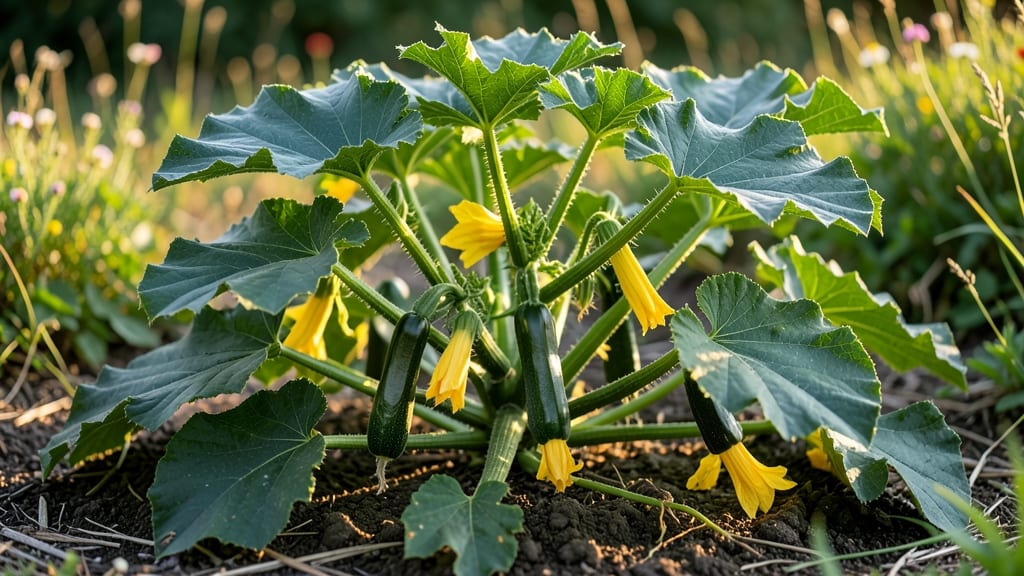
Growing dark green zucchini like 'Black Beauty' means summer harvests that keep coming back—even from scraps. 🌱 I’ve grown this variety for years, and its cold tolerance and regrowth ability make it my go-to for productive gardens.
Unlike standard zucchini, these deep-green beauties handle cooler temps better and produce fewer seeds, so you get more edible fruit.
The secret to success starts with rich, well-draining soil and full sun—at least 6-8 hours daily. Space plants 3-4 feet apart to give them room to sprawl, and keep soil consistently moist (not soggy).
A balanced fertilizer every 4-6 weeks keeps vines vigorous, and pruning encourages bushier growth with more fruit.
You’ll harvest 55-70 days after planting, with zucchini appearing every 3-5 days once vines mature. The dark green skin stays crisp and flavorful longer than lighter varieties, and the compact shape makes them perfect for grilling or spiralizing.
Plus, if you save a seed or regrow from a scrap, you can extend the season effortlessly.
Watch for squash bugs and powdery mildew—common issues with zucchini—but a row cover early on or neem oil spray keeps pests in check. With the right care, these plants reward you with weeks of harvests, even in less-than-ideal climates. Ready to grow yours?
📚 In This Guide
- What you need
- Instructions
- Tips and common mistakes
- Wrapping up and next steps
What you need
- ● 1-2 dark green zucchini (organic or fresh from the store—avoid pre-cut or wilted ones!)
- ● 1 small glass or jar (8–12 oz, with a wide mouth for easy scraping)
- ● Water (filtered or tap, room temperature)
- ● 1-2 toothpicks or chopsticks (to secure the zucchini stem)
- ● 1 sunny windowsill or grow light (6+ hours of light daily)
- ● Potting soil (well-draining, organic blend—about 1 gallon per plant)
- ● 1 small pot or container (6+ inches deep with drainage holes)
- ● Scissors or sharp knife (for trimming the zucchini base)
- ● Spray bottle (to mist leaves and keep humidity up)
- ● Fertilizer (balanced liquid fertilizer, like 10-10-10, for transplanting)
- ● Garden twine or stakes (if growing outdoors later)
- ● Grow light (LED or fluorescent) (if natural light is limited)
- ○ Seedling heat mat (optional, for faster germination in cold climates)
Step-by-step guide to growing cold-resistant dark green zucchini
Here's how to cultivate hardy zucchini varieties that thrive in cooler climates and even regrow from scraps.
🌱 Step 1: Select Cold-Hardy Seeds or Scraps
Choose dark green zucchini varieties like 'Black Beauty' or 'Dark Green Prodigal'—these tolerate temperatures down to 45°F and produce well in short seasons. If using scraps, save the bottom 1-inch stem with attached leaf nodes from organic zucchini purchased at the store. Rinse thoroughly to remove any soil residue.
For seeds, start indoors 4-6 weeks before your last frost date. Fill seed trays with sterile seed-starting mix and plant seeds 1 inch deep, spacing them 2 inches apart. Keep the soil consistently moist at 70-75°F until germination, which typically occurs in 7-10 days. If using scraps, place the stem in a glass of water with the leaf nodes submerged—roots will emerge in 1-2 weeks.
☀️ Step 2: Harden Off and Transplant
Once seedlings develop 2-3 true leaves (not just the initial seed leaves), begin hardening them off. Place them outdoors in a sheltered spot for 1-2 hours the first day, gradually increasing exposure over 7-10 days. Watch for wilting or yellowing leaves—this means they're not ready for full sun yet.
Transplant seedlings or rooted scraps after all danger of frost has passed and soil reaches 60°F. Space plants 2-3 feet apart in rows 4-5 feet apart to allow for air circulation, which prevents fungal diseases. Dark green zucchini vines spread aggressively, so give them room to sprawl. Plant in full sun (6-8 hours daily) and amend the soil with compost for nutrient-rich growth.
💧 Step 3: Water and Fertilize for Optimal Growth
Water deeply 1-2 inches per week, focusing on the soil rather than the leaves to prevent mildew. Dark green zucchini thrives in consistently moist but not soggy soil. Mulch around the base with straw or shredded leaves to retain moisture and suppress weeds. You’ll know your watering is right when the soil feels damp 2 inches below the surface but not waterlogged.
Fertilize lightly at planting with a balanced organic fertilizer (10-10-10) and side-dress with compost tea every 4-6 weeks during the growing season. Avoid high-nitrogen fertilizers, which promote leafy growth at the expense of fruit production. Look for healthy, deep green leaves and strong vines—these indicate your plant is thriving.
✂️ Step 4: Prune and Harvest for Continuous Production
Prune suckers (small shoots growing between the main stem and branches) to direct energy toward fruit production. Remove any yellowing or diseased leaves immediately to prevent spread. Dark green zucchini produces prolifically, so harvest every 2-3 days once fruits reach 6-8 inches long. Overripe zucchini becomes tough and seedy—check plants daily during peak season.
To encourage regrowth, leave 1-2 small fruits on the vine while harvesting others. This signals the plant to keep producing. If you notice blossoms dropping off, your plant may need more phosphorus—apply a bone meal fertilizer to support flowering. Dark green zucchini continues producing until first frost, making it a reliable late-season crop in cooler climates.
Tips & tricks for perfect dark green zucchini cultivation
These insider tricks will help you coax the most vibrant, productive dark green zucchini plants from seeds or scraps—even in challenging climates.
Seed Starting Temperature: Maintaining that 70-75°F soil temperature is crucial for germination, but don't let the heat fool you—consistent moisture matters more than anything. I use a seedling heat mat set to 75°F and cover trays with clear plastic wrap to lock in humidity. Remove the wrap once you see sprouts to prevent mold. The 7-10 day germination window can stretch if your soil stays cooler than 70°F, so be patient but don't give up after a week.
Scrap Regrowth Hack: When rooting zucchini scraps, place your glass of water in bright, indirect light—not direct sun. The leaf nodes need light to photosynthesize while roots develop, but too much sun can overheat the water and stress the stem. Change the water every 2 days to prevent bacterial growth, and you'll see roots in 1-2 weeks. Pro tip: Add a drop of liquid seaweed fertilizer to the water for a growth boost.
Transplanting Timing: That 60°F soil temperature isn't just a number—it's your green light to transplant. Use an infrared thermometer to check soil temp if you're unsure. I always plant my cold-hardy varieties in late May when nighttime temps consistently stay above 50°F. The 2-3 foot spacing might seem generous, but trust me: these vines will spread aggressively, and crowded plants invite fungal diseases.
Harvesting Cues: The 6-8 inch size guideline is flexible—harvest when you notice the fruit's color deepening to that signature dark green. Check for firmness: press gently with your thumb. If it yields slightly, it's ready. Overripe zucchini turns tough and seedy, but underripe ones lack flavor. I harvest mine in the morning when the fruits are coolest and most flavorful, using a sharp knife to cut the stem cleanly without damaging the plant.
Pro Tips for Dark Green Zucchini
- These insider tricks will help you coax the most vibrant, productive dark green zucchini plants from seeds or scraps—...
- Seed Starting Temperature: Maintaining that 70-75°F soil temperature is crucial for germination, but don't let the he...
- Scrap Regrowth Hack: When rooting zucchini scraps, place your glass of water in bright, indirect light—not direct sun...
Frequently asked questions
Got questions about growing or using dark green zucchini? You’re not alone! Here are some of the most common queries—and their answers—to help you grow and enjoy this resilient, regrowable veggie like a pro.
Why does my dark green zucchini have a bitter taste?
Bitter flavors often come from overripe zucchini (especially when seeds turn hard) or stress from heat, drought, or poor soil. Harvest smaller zucchini (6–8 inches) for sweeter results. If your plant is struggling, try mulching to retain moisture and shade cloth on hot days.
Can dark green zucchini survive frost?
These cold-resistant varieties (like ‘Black Beauty’ or ‘Dark Green Zucchini’) tolerate light frosts better than traditional zucchini, but prolonged freezing will damage leaves and fruit. Protect young plants with row covers or grow them in containers to move indoors if frost is forecasted.
How do I regrow zucchini from scraps?
Save the bottom 1–2 inches of your zucchini (including the stem end), let it dry for a day, then place it in a shallow dish of water. Roots should sprout in 1–2 weeks! Transfer to soil once roots are 2–3 inches long. Pro tip: Use organic zucchini for best results.
What’s the best way to store dark green zucchini?
Store unwashed zucchini in a paper bag in the fridge for up to 1 week. For longer storage (2–3 weeks), slice and freeze in airtight containers with a sprinkle of salt to preserve color. Avoid washing until ready to use—excess moisture speeds up spoilage.
Are dark green zucchini and regular zucchini the same?
Not exactly! Dark green zucchini varieties (like ‘Black Beauty’) often have deeper hues, thicker skins, and slightly nuttier flavors. They’re also more cold-hardy and may regrow better from scraps. Try both to compare—your taste buds (and garden!) will thank you.
Why are my zucchini leaves turning yellow?
Yellow leaves usually signal overwatering, nutrient deficiency (like nitrogen), or fungal issues. Check soil moisture—zucchini prefers well-draining soil. Amend with compost and ensure 6+ hours of sunlight daily. If spots appear, treat with neem oil or copper fungicide.
Wrapping up and next steps
Growing dark green zucchini is a rewarding journey—whether you're drawn to its cold-resistant varieties or the magic of regrowing from scraps! These versatile plants offer abundance, sustainability, and delicious harvests with minimal effort.
Start small, experiment with your setup, and soon you’ll be enjoying homegrown veggies straight from your kitchen to the garden.
🌱 Ready to take the next step? Try planting a few scraps this week or share your progress with fellow gardeners. Happy growing—your future meals (and compost bin!) will thank you! 😊