
Vegetables
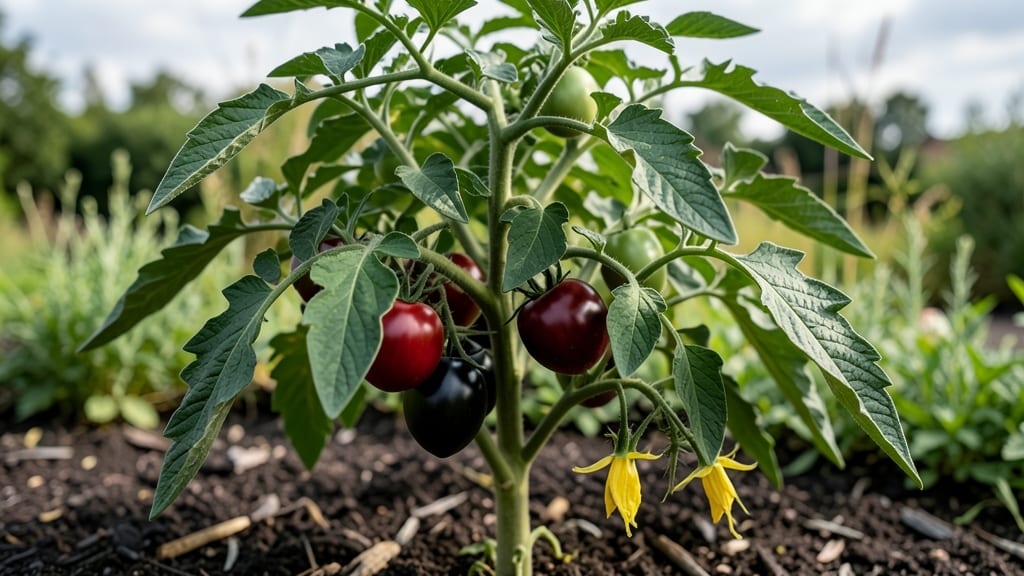
Growing dark red tomatoes transforms your garden into a flavor explosion—deep, smoky, and sweet with just a hint of tartness. 🌱 These aren’t your average red tomatoes; they’re the bold, meaty varieties that chefs and home gardeners fight over at farmers' markets. The secret to their success?
Disease resistance and the right growing conditions that turn every plant into a harvest machine. You’ll need full sun, rich soil with plenty of organic matter, and consistent moisture—but not soggy roots.
Dark red varieties like ‘Black Krim’ or ‘Cherokee Purple’ thrive in warm climates but can also handle cooler summers with proper care. The key is starting seeds indoors 6-8 weeks before your last frost, then transplanting when nighttime temps stay above 50°F.
By midsummer, you’ll be snapping off pound after pound of tomatoes with thick walls and a flavor profile that makes store-bought taste bland. Prune aggressively to focus energy on fruit, and watch your plants reward you with 10+ pounds per vine—if you avoid these common mistakes.
Works for containers, raised beds, or in-ground gardens. Here’s how to grow them like a pro!
📚 In This Guide
- What you need
- Instructions
- Tips and common mistakes
- Wrapping up and next steps
What you need
- ● Dark red tomato seeds or seedlings: Choose disease-resistant varieties like ‘Black Krim’, ‘Cherokee Purple’, or ‘Pineapple’ (3–5 plants for a small garden, 6–10 for larger harvests).
- ● High-quality potting mix: 5–10 gallons (for seedlings) or 10–20 cubic feet (for in-ground planting). Opt for a mix with compost or aged manure for nutrients.
- ● Tomato cages or stakes: 6–8 ft tall (1–2 per plant). Use galvanized steel or bamboo for durability.
- ● Organic fertilizer: Balanced (10-10-10) or tomato-specific (e.g., fish emulsion or bone meal). Start with 1–2 tbsp per plant.
- ● Mulch: Straw, grass clippings, or black plastic mulch (5–10 sq ft per plant) to retain moisture and deter weeds.
- ● Garden trowel or transplanting spade (for digging holes).
- ● Watering can or hose with a gentle spray nozzle (avoid blasting leaves).
- ● Pruning shears (for trimming suckers and dead leaves).
- ● Gloves (to protect against thorns and soil-borne diseases).
- ○ pH testing kit (optional but helpful—aim for 6.0–6.8).
- ● Sunlight: A spot with 6–8+ hours of direct sunlight daily (south-facing windows or garden beds work best).
- ● Warmth: Soil temperature should be at least 60°F (15°C) before planting (use a soil thermometer if unsure).
- ● Space: 18–24 inches between plants (for airflow) and 3–4 feet between rows.
- ● Water source: Consistent access to 1–2 inches of water weekly (drip irrigation or soaker hoses are ideal).
- ● Companion plants: Basil, marigolds, or onions to repel pests.
- ● Copper fungicide spray (prevents early blight).
- ● Row covers (for young plants to protect from frost or pests).
- ● Trellis or tomato tower (for vertical growing in small spaces).
Step-by-step instructions for growing dark red tomatoes
Here's how to cultivate bold, disease-resistant dark red tomatoes with fewer pests and bigger yields.
🌱 Step 1: Select the Right Variety and Start Seeds Early
Choose a dark red heirloom variety like 'Black Krim' or 'Cherokee Purple' for their rich color and robust disease resistance. I start seeds indoors 8-10 weeks before the last frost date—this gives them a strong head start before transplanting. Use sterile seed-starting mix in 2-3 inch deep cells to prevent damping-off.
Plant 1-2 seeds per cell at a depth of ¼ inch, then cover lightly with mix. Keep the soil consistently moist at 75-85°F using a seedling heat mat. You'll see sprouts in 5-10 days, but don't be tempted to move them to light too soon—wait until they develop first true leaves before exposing them to grow lights.
☀️ Step 2: Harden Off and Transplant for Strong Starts
Two weeks before your last frost, begin hardening off seedlings by placing them outside in partial shade for 1-2 hours daily. Gradually increase exposure over 10-14 days, ending with full sun. This toughens stems and prevents transplant shock—you'll notice leaves toughening and stems thickening as they adapt.
Transplant after soil warms to at least 60°F and nighttime temps stay above 50°F. Bury stems deeper than usual (up to ⅓ of the plant) to encourage strong root growth. Space plants 18-24 inches apart in rows 3-4 feet apart for airflow and disease prevention. Water deeply at transplanting to settle soil around roots.
💧 Step 3: Water Deeply and Mulch for Disease Resistance
Dark red tomatoes need 1-2 inches of water weekly, but avoid overhead watering after planting to prevent fungal diseases. Use drip irrigation or soaker hoses to deliver water at the base. You'll know moisture is right when the top inch of soil feels dry to the touch—this prevents blossom-end rot and cracking.
Apply 3-4 inches of organic mulch (like straw or shredded leaves) around plants to retain moisture and suppress weeds. Mulch also keeps soil temps stable, which is critical for dark red varieties that ripen unevenly in fluctuating heat. Replenish mulch as it breaks down throughout the season.
✂️ Step 4: Prune and Support for Heavy Harvests
Prune suckers (the small shoots that form in the joint between the stem and branches) to direct energy into fruit production. I remove suckers weekly when they're 2-3 inches long, pinching them off with my fingers. This keeps plants manageable and improves airflow, reducing disease risk in dark red varieties.
Install stakes or cages at planting to support heavy vines. Dark red tomatoes produce large, meaty fruits that can weigh 1-2 pounds each, so sturdy support prevents breakage. Prune lower leaves as the plant grows to keep foliage off the ground and improve sunlight penetration to lower branches.
🌿 Step 5: Fertilize and Monitor for Pests
Feed plants with a balanced organic fertilizer (10-10-10) every 4-6 weeks starting when flowers appear. Dark red tomatoes are heavy feeders, so I supplement with compost tea mid-season for a nutrient boost. Avoid high-nitrogen fertilizers—they promote leafy growth at the expense of fruit.
Watch for hornworms and aphids, which target dark red varieties due to their rich flavor. I handpick hornworms in the morning and spray aphids with neem oil if they appear. Harvest fruits when they reach full color and slight softness—dark red tomatoes ripen unevenly, so check plants every 2-3 days in peak season.
Tips & tricks for perfect dark red tomato cultivation
Here's what nobody tells you about growing those deep, flavorful dark red tomatoes that everyone raves about.
Seed Starting Strategy: The 8-10 week indoor seed starting window is non-negotiable for dark red varieties—they need that head start to develop strong root systems before transplanting. I use a seedling heat mat to maintain 75-85°F soil temperatures, which accelerates germination to 5-10 days instead of the typical 2-3 weeks. The key is patience: resist the urge to rush seedlings to light until they've developed their first true leaves, or you'll end up with leggy, weak plants that struggle later.
Transplanting Technique: When burying stems up to ⅓ of the plant's height during transplanting, you're not doing it wrong—you're actually encouraging stronger root development from those buried stem sections. This deep planting creates a more stable plant that can support those 1-2 pound fruits. I always water deeply right after transplanting to eliminate air pockets around the roots, which helps prevent transplant shock. The 60°F minimum soil temperature is critical—colder soil can stunt root growth for weeks.
Watering Wisdom: The 1-2 inches weekly watering guideline is a starting point, but dark red tomatoes actually need more during peak fruiting. I increase to 1.5-2.5 inches weekly when plants are bearing fruit, checking the top inch of soil for dryness each time. The secret is consistency—fluctuating moisture levels cause the characteristic cracking in dark red varieties. Drip irrigation delivers water exactly where it's needed, at the base of plants, while keeping foliage dry to prevent fungal diseases that plague heirloom tomatoes.
Fertilizing Finesse: Dark red tomatoes are heavy feeders that respond beautifully to a 10-10-10 balanced organic fertilizer every 4-6 weeks, but timing is everything. I start fertilizing when the first flowers appear—not before—and switch to compost tea mid-season for a gentle nutrient boost without the risk of burning roots. The most common mistake I see is over-fertilizing with high-nitrogen products, which results in lush foliage but few fruits. Remember, we're growing for flavorful tomatoes, not green walls!
Pro Tips for Dark Red Tomato
- Here's what nobody tells you about growing those deep, flavorful dark red tomatoes that everyone raves about.
- Seed Starting Strategy: The 8-10 week indoor seed starting window is non-negotiable for dark red varieties—they need that head start to develop strong root systems before transplanting.
- Transplanting Technique: When burying stems up to ⅓ of the plant's height during transplanting, you're not doing it wrong—you're actually encouraging stronger root development from those buried stem sections.
Frequently asked questions
Got questions about growing dark red tomatoes? You’re not alone! Here are some of the most common queries—plus straightforward answers to help you cultivate a thriving harvest.
What makes dark red tomatoes different from regular red tomatoes?
Dark red tomatoes
(like Black Krim or Cherokee Purple) boast deeper pigments, richer flavors, and higher antioxidant levels due to anthocyanins. They’re also often more disease-resistant and slower to crack in heat. While regular red tomatoes are milder and sweeter, dark red varieties pack a bold, almost smoky depth—perfect for sauces, salsas, or grilling.
How long does it take for dark red tomatoes to mature?
Most dark red tomato varieties take 70–90 days from transplanting to harvest, depending on the cultivar and climate. Early-season types (like Black Cherry) may ripen faster (60–70 days), while heirlooms (e.g., Indigo Rose) can take up to 90 days. Start seeds indoors 6–8 weeks before the last frost for a head start!
Can dark red tomatoes handle hot or cold weather?
Dark red tomatoes thrive in warm (70–85°F) but not scorching conditions. Extreme heat (>90°F) can cause blossom drop or sunscald, while temperatures below 50°F stunt growth. Use row covers for early/late seasons or mulch to regulate soil temps. Varieties like Solar Fire are bred for heat tolerance—great for Southern gardens!
What’s the best way to store dark red tomatoes to keep them fresh?
Dark red tomatoes are sensitive to ethylene gas, so store them separately from apples or bananas. Keep them at room temperature (55–68°F) on a counter—never in the fridge until fully ripe! For long-term storage, freeze peeled, chopped tomatoes (blanch first) or cann them into sauces. Pro tip: Don’t wash until ready to eat!
What can I do if my dark red tomatoes crack or split?
Cracking is common in rapid moisture swings (e.g., heavy rain after drought). To prevent it:
- Water consistently (1–2 inches per week) with drip irrigation to avoid wetting leaves.
- Use mulch to retain soil moisture.
- Harvest firm but ripe tomatoes—overripe ones are more prone to splitting.
Are dark red tomatoes harder to grow than other varieties?
Not necessarily! While some heirlooms (like Black Beauty) are slightly more finicky due to disease susceptibility, many modern dark red varieties (e.g., Brandywine, Cherokee Purple) are disease-resistant and vigorous. Focus on:
- Well-draining soil with compost.
- Pruning for airflow (unless determinate).
- Consistent watering and balanced fertilizer.
Wrapping up and next steps
Growing dark red tomatoes is a rewarding journey that brings bold flavors, stunning visuals, and resilient plants to your garden. Whether you're drawn to their rich taste, disease resistance, or striking appearance, these varieties prove that heavy harvests are absolutely achievable—even for beginners! 🌱✨
Now that you’re armed with the right materials, tips, and answers, it’s time to roll up your sleeves and get planting. Start by selecting your favorite variety, prepping your soil, and giving these powerhouses the care they deserve.
Before you know it, you’ll be savoring the fruits of your labor—literally! 🍅🔥
Ready to grow? Pick a sunny spot, grab your gloves, and let’s turn your garden into a dark red tomato paradise!