
Vegetables
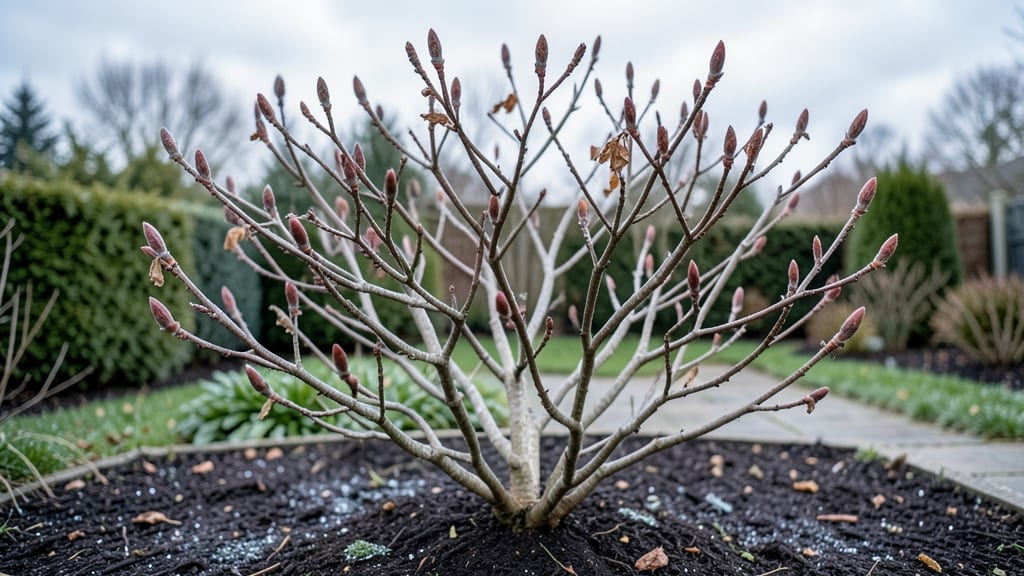
Winter pruning your deutzia isn't just about cleanup—it's the secret to next spring's showstopping blooms. 🌿 I've learned that cutting back now, when the plant is dormant, gives you control over shape and growth while protecting it from harsh weather.
The key is timing: prune after the first hard frost but before new growth starts in early spring.
Deutzia is surprisingly hardy once you know its winter needs. It loses leaves naturally, so don't panic when it looks bare—this is normal dormancy. The real work is protecting the stems from heavy snow or ice buildup, which can snap branches.
Wrap vulnerable plants in burlap or use a lightweight mulch layer around the base to insulate roots.
What you'll end up with is a plant that wakes up in spring with fresh, vibrant growth and even more abundant blooms than before. The pruned stems you cut back now will transform into next year's flower clusters, so every snip is an investment in next season's beauty.
For gardeners in colder zones, a little extra care now prevents winter dieback. Watch for signs of frost damage in early spring—if stems look mushy or discolored, prune those sections immediately. With proper winter prep, your deutzia will bounce back stronger than ever.
📚 In This Guide
- What you need
- Instructions
- Tips and common mistakes
- Wrapping up and next steps
What you need
- ● Pruning shears: Sharp, bypass-style shears (for clean cuts). Quantity: 1 pair.
- ● Lopping shears: For thicker branches (2–3 inches in diameter). Quantity: 1 pair.
- ● Gloves: Heavy-duty, cut-resistant gloves (protects hands from thorns and debris). Quantity: 1 pair.
- ● Disinfectant: 70% isopropyl alcohol or horticultural spray (prevents disease spread). Quantity: Small bottle.
- ○ Pruning sealant: Optional but helpful for sealing large cuts (e.g., tree wound pruning paste). Quantity: Small tube.
- ● Mulch: Organic mulch (e.g., shredded bark or straw). Quantity: Enough to cover the base (2–3 inches deep).
- ● Watering can or hose: For post-pruning hydration.
- ● Trash bags: For collecting pruned debris. Quantity: 2–3 large bags.
- ● Frost cloth: Lightweight fabric to protect young or tender stems (if temps drop below 20°F).
- ● Burlap wrap: For wrapping especially delicate branches.
- ● Fertilizer: Slow-release granular fertilizer (apply in early spring). Quantity: Small bag.
- ● Stakes & twine: If your Deutzia is top-heavy or leggy.
Instructions: pruning deutzia for next season’s blooms
Here’s how I transform winter’s dormant stems into next year’s showstopper blooms—simple cuts that unlock abundant flowers.
✂️ Step 1: Time Your Pruning for Dormancy
Prune deutzia in late winter or early spring, just as new growth begins but before buds swell. I aim for February to March in most climates, when temperatures hover around 40-50°F. This timing ensures you remove dead wood while leaving dormant buds intact for spring regrowth.
Look for brown, brittle stems—these are last year’s spent growth. Healthy stems feel firm and have tight, plump buds along their length. If you prune too early, you risk cutting off next season’s blooms; too late, and you’ll encourage leggy, weak growth.
✂️ Step 2: Cut Back to Healthy Growth Points
Use clean, sharp pruners to cut just above a outward-facing bud or lateral branch. I like to make cuts at a 45-degree angle about ¼ inch above the bud—this prevents water from pooling and rotting the stem. For severely overgrown shrubs, reduce branches by one-third to maintain shape.
Don’t worry about being perfect. Deutzia is forgiving—even if you cut back a little too much, the plant will bounce back with fresh, vigorous growth. Watch for new shoots emerging from old wood within 4-6 weeks—that’s your signal the pruning worked.
☀️ Step 3: Shape for Airflow and Light
Step back and assess the shrub’s overall form. Deutzia thrives with open, airy growth, so thin out crowded branches to improve airflow. Aim for a rounded, vase-like shape—this encourages blooms along the entire stem rather than just the tips.
Remove any crossing or rubbing branches first—they compete for energy and can create wounds where pests or disease enter. If a branch is dead or diseased, cut it back to the nearest healthy growth point. You’ll see fresh green leaves emerging from the cut stems by late spring.
💧 Step 4: Feed and Water for Recovery
After pruning, apply a balanced, slow-release fertilizer (10-10-10 ratio) around the base of the shrub. Water deeply to help the plant recover, but avoid overwatering—soggy soil can stress newly pruned stems. A 1-inch layer of mulch (like shredded bark) helps retain moisture and insulate roots.
Over the next 4-6 weeks, keep soil consistently moist but not waterlogged. You’ll notice new shoots and bright green leaves by late spring—this is your plant’s way of saying, “Thanks for the trim!” Avoid heavy pruning again until next winter.
Tips & tricks for perfect winter deutzia pruning
These simple tricks will help you prune your deutzia like a pro—transforming bare winter stems into next season's floral masterpiece.
Timing is Everything: The February to March window is your sweet spot for pruning deutzia, but don't stress about exact dates. Focus instead on the plant's cues: look for tight, plump buds starting to swell along the stems. These buds are your green light to prune—once they begin opening, you've waited too long. In colder climates, aim for when daytime temperatures consistently reach 40-50°F for several days in a row.
Tool Prep Matters: Before you make a single cut, take 5 minutes to sharpen your pruners. Dull blades crush stems instead of making clean cuts, which can damage the plant and invite disease. I like to use a small file or sharpening stone to maintain a crisp edge. Also, wipe down your pruners with rubbing alcohol before and after use—this prevents spreading any potential plant diseases between cuts.
The 45-Degree Secret: When making your cuts in Step 2, that 45-degree angle isn't just for show—it's a water-shedding technique. The angled cut prevents water from pooling at the cut site, which could lead to rot. Think of it like a roof: water runs off instead of collecting. Make your cut about ¼ inch above an outward-facing bud, and you'll encourage the new growth to shoot outward rather than inward, creating that perfect rounded shape.
Pruning Recovery Hacks: After you've finished pruning, don't just walk away. Give your deutzia a little extra TLC during recovery. I like to mix a handful of compost into the soil around the base before adding mulch—this gives the plant an immediate nutrient boost. For the first watering after pruning, add a seaweed extract fertilizer to the water (about 1 tablespoon per gallon)—it helps reduce stress and promotes root growth during the critical 4-6 week recovery period.
Pro Tips for Deutzia In Winter
- These simple tricks will help you prune your deutzia like a pro—transforming bare winter stems into next season's floral masterpiece.
- Timing is Everything: The February to March window is your sweet spot for pruning deutzia, but don't stress about exact dates.
- Tool Prep Matters: Before you make a single cut, take 5 minutes to sharpen your pruners.
Frequently asked questions
Got questions about keeping your Deutzia thriving through winter? You’re not alone! Here are some of the most common concerns—and straightforward answers—to help you care for your plant until spring blooms return.
Do Deutzia plants die back completely in winter?
Yes, many Deutzia varieties are deciduous and lose their leaves in winter. However, the woody stems remain alive underground or at the base. Prune back dead foliage in late winter or early spring to encourage fresh growth. Evergreen Deutzia (like Deutzia gracilis) may retain some leaves but benefit from light pruning to shape them.
When is the best time to prune Deutzia in winter?
The ideal time to prune is late winter (February–March), just before new growth begins. Avoid pruning in fall or early winter, as this can leave stems vulnerable to cold damage. Focus on removing dead, diseased, or crossing branches to improve airflow and next year’s blooms.
What if my Deutzia doesn’t bloom in spring?
Lack of blooms often stems from over-pruning or poor nutrition. Ensure you’re not cutting back into old wood—Deutzia blooms on new growth. Fertilize in early spring with a balanced, low-nitrogen formula (like 10-10-10) to encourage flowering. If the plant is young, give it a year or two to establish itself.
Are there cold-hardy alternatives to Deutzia for winter interest?
If you’re looking for low-maintenance, winter-hardy shrubs with similar structure, consider:
- Forsythia – Bright yellow blooms in early spring; extremely cold-tolerant.
- Weigela – Showy pink or white flowers; thrives in zones 4–8.
- Pieris japonica – Evergreen with clusters of white flowers; loves shade.
- Spirea (e.g., Spirea japonica) – Hardy, colorful foliage, and late-spring blooms.
How do I protect Deutzia from winter damage?
While Deutzia is generally hardy to USDA zones 4–9, young plants or tender varieties may need extra care. Mulch the base with 2–3 inches of organic mulch (like shredded bark) to insulate roots. Avoid heavy pruning in fall, and water deeply before the first hard freeze to help roots absorb moisture. If your area gets extreme cold snaps, wrap the base with burlap for added protection.
Wrapping up and next steps
Winter pruning your deutzia might seem counterintuitive, but it’s the secret to stunning spring blooms! By cutting back dormant stems now, you’re not just tidying up—you’re setting the stage for next season’s vibrant flowers.
Think of it as a fresh start for your plant, like a winter reset for your garden.
Ready to give it a try? Grab those pruners and head outside—your deutzia (and future blooms) will thank you! 🌸