
Vegetables
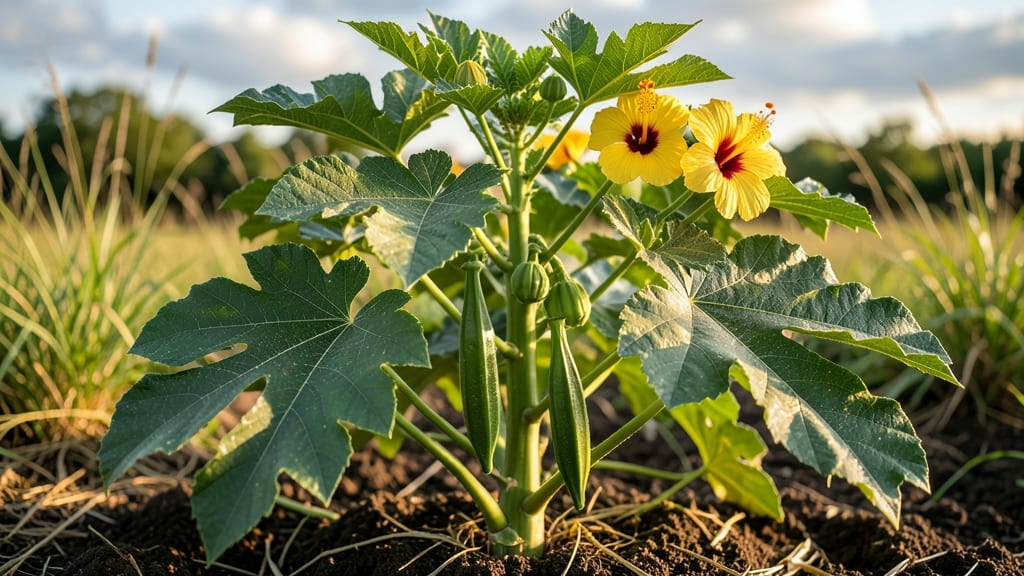
Okra's bold flavors and textures come in the different types of okra you'd expect—from delicate emerald pods to deep purple heirlooms that turn vibrant green when cooked. 🌱 I've grown everything from the classic Clemson Spineless (still my go-to) to the striking Red Burgundy, and each brings something unique to the table and garden.
The right variety depends on your climate: heat-lovers like Emerald thrive in Southern summers, while shorter-season types like Burgundy handle cooler regions better. Pods range from 3-6 inches long, with some varieties producing 50+ pods per plant—perfect for fresh eating, frying, or gumbo-making.
You'll notice the difference in texture too: some stay crisp even when mature, while others develop a slightly woody center. The key is picking a variety that matches your growing zone and how you plan to use it—whether you want tender baby pods or hearty mature ones.
For Southern gardeners, spineless types are easiest to harvest. Northern growers should opt for shorter-season varieties. Either way, okra rewards patience with abundant harvests that keep coming all season long.
📚 In This Guide
- What you need
- Instructions
- Tips and common mistakes
- Wrapping up and next steps
What you need
- ● Okra Seeds: Choose 3-5 varieties (e.g., 'Clemson Spineless,' 'Emerald,' 'Arkansas 5,' or 'Jumbo Yellow') for diversity in texture, color, and size.
- ● Purchase organic, non-GMO seeds from reputable suppliers (e.g., Baker Creek Heirloom Seeds, Seed Savers Exchange).
- ● Growing Medium: Well-draining potting mix or garden soil (amend with compost for nutrient-rich soil).
- ○ Containers (optional but helpful): 5-gallon pots or raised beds (12–18 inches deep) for urban or small-space gardening.
- ● Fertilizer: Balanced organic fertilizer (e.g., 10-10-10 or compost tea) to promote healthy growth.
- ○ Calcium supplement (optional): Crushed eggshells or lime to prevent blossom-end rot.
- ● Hand Trowel or Transplanting Spade for seedling placement.
- ● Watering Can or Hose with Adjustable Nozzle (gentle watering is key!).
- ● Pruning Shears to trim dead leaves or overgrown pods.
- ○ Gloves (optional): Protect your hands from prickly okra stems or thorns (varies by variety).
- ● Straw Mulch or Grass Clippings to retain moisture and suppress weeds.
- ● Sunlight: Full sun exposure (6–8+ hours daily).
- ● Temperature: Warm climate (70–90°F); okra is not frost-tolerant.
- ● Spacing: Plant seeds 12–18 inches apart in rows 3–4 feet apart.
- ● pH Level: Slightly acidic to neutral soil (6.0–7.0).
- ● Patience: Okra takes 50–60 days to mature from seed!
How to select and grow the best okra varieties for your garden
Okra thrives when you match the right variety to your climate and growing goals—here’s how to choose and cultivate four standout types.
🌱 Step 1: Choose Varieties Based on Pod Shape and Size
Slender, pencil-thin pods like ‘Emerald’ or ‘Burgundy’ suit fresh eating and stir-fries, while bold, rounded varieties such as ‘Clemson Spineless’ or ‘Jumbo Red’ handle heat better and store longer. I always grow at least one of each—‘Emerald’ for early harvests and ‘Clemson Spineless’ for bulk production. Check your last frost date: most okra needs 90-150 days to maturity, so plant ‘Emerald’ 2-3 weeks earlier if your season is short.
Pod length matters too. ‘Burgundy’ stays under 4 inches, perfect for quick pickling, while ‘Jumbo Red’ can reach 6+ inches—ideal for gumbo or freezing. If you’re in a hot, humid region, ‘Clemson Spineless’ is your best bet; it tolerates 95°F+ without bolting. For cooler climates, ‘Emerald’ matures faster and handles 75-85°F better.
☀️ Step 2: Plant in Full Sun and Warm Soil
Okra demands full sun (6-8 hours daily) and soil above 60°F to germinate. I always wait until two weeks after my last frost—even if the air is warm, cold soil will stall seeds. Direct-sow seeds ½ inch deep, spacing them 12-18 inches apart in rows 2-3 feet apart. Crowding stresses plants, so don’t skimp on space.
Use a moist, well-draining soil mix (sandy loam works best). Amend heavy clay with compost or aged manure to prevent waterlogging. If your soil is poor, okra will still grow but produce smaller pods. Test your soil’s pH—okra prefers 6.0-6.8. If it’s too acidic, add lime; if too alkaline, mix in sulfur a month before planting.
💧 Step 3: Water Deeply and Maintain Consistent Moisture
Okra’s roots run deep, so deep watering (1-2 inches per week) encourages strong stems and prevents blossom-end rot. I water at the base in the morning to avoid fungal issues—never overhead spray, especially at night. Let the top 1-2 inches of soil dry between waterings; soggy soil invites root rot.
Watch for yellowing leaves—this usually means underwatering, but crisp edges signal overwatering. Mulch with straw or grass clippings to retain moisture and suppress weeds. In high-heat zones, mulch also cools the soil, which helps ‘Clemson Spineless’ and ‘Jumbo Red’ keep producing through summer’s peak.
✂️ Step 4: Harvest Regularly for Continuous Production
Harvest pods when they’re 3-5 inches long for the best texture and flavor. ‘Emerald’ and ‘Burgundy’ should be picked every 2-3 days—they bolt quickly if left too long. ‘Clemson Spineless’ can wait 4-5 days between harvests, but don’t let pods exceed 6 inches or they’ll toughen.
Use clean pruning shears to snip stems just above the next bud. This encourages bushier growth and more pods. I always harvest in the morning when pods are crispest. If you miss a harvest window, pods may turn woody or develop seeds—though they’re still edible, flavor declines. For ‘Jumbo Red’, harvest every 3-4 days to keep pods tender.
🌿 Step 5: Extend the Season with Succession Planting
Okra thrives in heat but struggles with cold. To maximize yields, plant succession crops every 2-3 weeks until 6-8 weeks before your first frost. Start with ‘Emerald’ for early harvests, then follow with ‘Clemson Spineless’ and ‘Jumbo Red’ for late-season production. In short seasons, use black plastic mulch to warm the soil and plant ‘Burgundy’ in containers—they’re heat-loving enough to thrive in pots.
If you’re in Zone 8-10, okra may overwinter with light frost protection. Cut back 50% of foliage in fall, mulch heavily, and water sparingly. In spring, new shoots will emerge—just harvest lightly until warmer soil temps return. This trick gives me two harvest seasons in one year.
Tips & tricks for selecting and growing okra varieties
Here's what I've learned after growing these varieties for years—these details make all the difference between a decent harvest and a bountiful one.
Variety Selection Strategy: The 90-150 day maturity range is your golden window, but don't just pick any variety. For ‘Emerald’, I plant it 2-3 weeks earlier than others because its shorter season works perfectly in cooler climates where temperatures hover around 75-85°F. In contrast, ‘Clemson Spineless’ thrives in 95°F+ heat without bolting—it's my go-to for Southern gardens where summer temperatures stay relentlessly high.
Soil Temperature Secret: That 60°F soil temperature threshold isn't just a number—it's a dealbreaker. I've seen seeds planted in 55°F soil take weeks to germinate, while at 65°F they sprout in days. Use a soil thermometer for 3-5 days before planting to confirm you're above that critical mark. For early spring plantings, black plastic mulch can raise soil temps by 5-10°F within hours.
Harvest Timing Nuance: The 3-5 inch harvest window is non-negotiable for tender pods, but here's the real trick: ‘Burgundy’ pods actually improve in flavor when harvested at exactly 4 inches—they develop more complex sugars. For ‘Jumbo Red’, wait until they're 5-6 inches before picking, as their thicker walls handle the extra size better. Always harvest in the morning when pods are firmest and most flavorful.
Season Extension Hack: That 6-8 weeks before frost rule is flexible. In Zone 8-10, I've successfully overwintered plants by cutting back foliage by 50% and using row covers for light frost protection. The key is maintaining soil warmth—mulch with straw and use clear plastic tunnels if needed. This gives me a second harvest in spring when new shoots emerge.
Pro Tips for Different Types Of Okra
- Here's what I've learned after growing these varieties for years—these details make all the difference between a decent harvest and a bountiful one.
- Variety Selection Strategy: The 90-150 day maturity range is your golden window, but don't just pick any variety.
- Soil Temperature Secret: That 60°F soil temperature threshold isn't just a number—it's a dealbreaker.
Frequently asked questions
Got questions about okra? You’re not alone—this versatile veggie can be tricky to pick, grow, or cook! Here are answers to some of the most common queries to help you navigate the world of okra like a pro.
What’s the difference between green and purple okra?
Green okra is the classic variety, mild and slightly sweet with a tender texture when cooked young. Purple okra (like ‘Burgundy’ or ‘Red Bull’) turns green when cooked but boasts a slightly earthier, nuttier flavor. Both are nutritious, but purple okra often has a firmer bite and deeper color retention.
How long does okra take to grow from seed?
Okra grows surprisingly fast! From seed, expect pods in 50–60 days in warm climates (zones 7–11). In cooler areas, start seeds indoors 2–3 weeks before the last frost, then transplant. Pro tip: Thin seedlings to 12–18 inches apart for optimal air circulation and pod development.
Can I substitute okra in recipes if I don’t like its slimy texture?
Try these swaps:
- Zucchini or eggplant (for stews/soups—slice thinly and cook briefly to avoid mushiness).
- Green beans or asparagus (for stir-fries or roasting).
- Arrowroot or tapioca starch (to thicken gumbo without okra’s texture).
Why are my okra pods turning yellow or spotted?
Yellowing or spots on okra pods usually signal pests or disease:
- Powdery mildew (white spots): Improve airflow and spray with neem oil.
- Aphids or flea beetles (tiny holes): Use insecticidal soap or introduce ladybugs.
- Overwatering (yellowing): Okra prefers dry soil—water deeply but infrequently.
What’s the best way to store fresh okra?
Store unwashed okra in the crisper drawer of your fridge for 5–7 days. For longer storage (up to 2 weeks), wrap pods in a damp paper towel inside a plastic bag to retain moisture. Freezing tip: Blanch pods for 3 minutes, cool, and freeze in a single layer before bagging for soups or frying later.
Wrapping up and next steps
From the slender and elegant Clemson Spineless to the bold and textured Emerald and Heirloom okra, each variety brings something unique to your garden and kitchen. Whether you're drawn to disease-resistant types, high-yield producers, or heirloom charm, there’s an okra perfect for your needs—and your taste buds! 🌱✨
Ready to grow your own? Start by choosing the variety that fits your climate and culinary goals, then gather your supplies and dive in. Happy planting—and enjoy the delicious rewards of your green harvest! 🍽️🌿