
Vegetables
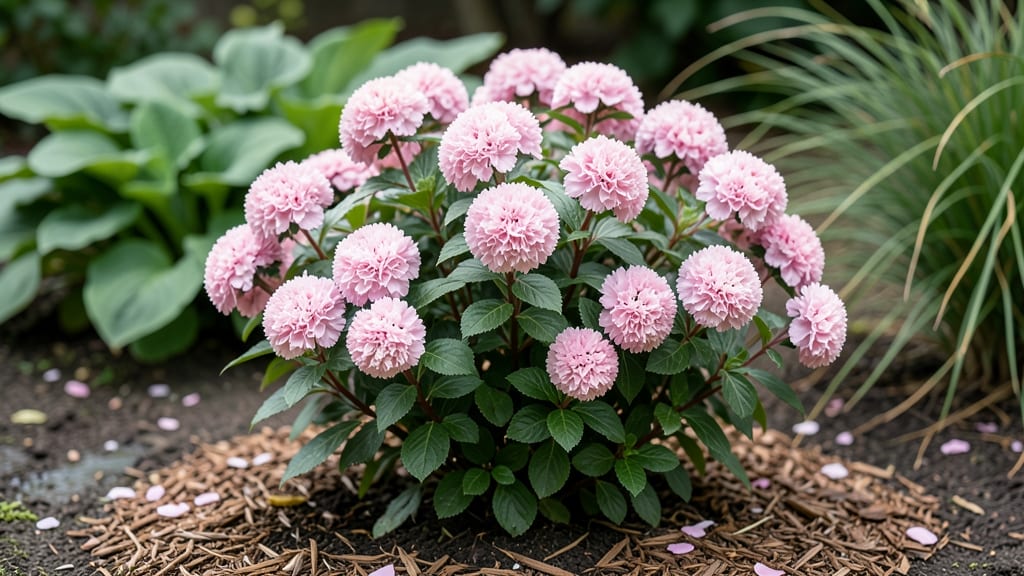
Double Play Doozie spirea refuses to surrender its color when winter arrives. ✨ This cold-hardy shrub stays vibrant through frost, making it the perfect container plant for snowy patios—no green thumb required to keep it thriving.
The secret lies in a few simple steps: pruning after blooms fade, wrapping young plants in burlap, and piling mulch around the base.
I’ve watched mine push out fresh growth by early spring, even in Zone 4 winters, because it’s built to handle what most shrubs can’t. You’ll end up with a shrub that looks like it’s still summer, not dormant.
The branches stay sturdy, the foliage holds its color, and you avoid the sad, brown winter look that plagues other plants. For container growers, this means year-round curb appeal without extra work. Here’s how to keep yours looking its best through the cold months.
📚 In This Guide
- What you need
- Instructions
- Tips and common mistakes
- Wrapping up and next steps
What you need
- ● Double Play Doozie Spirea Plant: 1-2 mature plants (3-4 feet tall, hardy to USDA Zone 3-8). Look for healthy, well-rooted specimens at a local nursery.
- ● Container: 1 large, well-draining pot (minimum 18-24 inches in diameter and depth). Options: fabric grow bags, ceramic pots, or plastic containers with drainage holes.
- ● Potting Mix: 3-5 gallons of a high-quality, well-draining mix (e.g., 60% peat moss/compost, 30% perlite/pumice, 10% sand or bark). Avoid heavy garden soil.
- ● Drainage Layer: 1-2 inches of gravel, perlite, or broken pottery pieces for the container’s base.
- ● Slow-Release Fertilizer: 1 cup of balanced, organic fertilizer (10-10-10 or similar) mixed into the potting soil.
- ● Pruning Shears: Sharp, clean pair for shaping and maintenance.
- ● Watering Can or Hose: With a gentle spray nozzle for hydration.
- ● Mulch: 1-2 inches of wood chips, pine straw, or shredded bark to insulate roots.
- ● Container Liner: Plastic wrap or a liner to protect outdoor pots from freezing temperatures.
- ● Frost Cloth or Burlap: For extra protection during extreme cold snaps.
- ● Liquid Fertilizer: A diluted dose (per label instructions) every 4-6 weeks for a winter boost.
- ● Decorative Stones or Mulch: For a polished, winter-ready container look.
- ● pH Test Kit: To ensure your soil is slightly acidic to neutral (6.0-7.0), ideal for Spirea.
How to keep Double Play Doozie spirea thriving in containers through winter
This cold-hardy beauty stays vibrant all season long—here’s how to protect it from frost while keeping its stunning blooms.
🪴 Step 1: Select the Right Container and Drainage
Choose a container at least 12-14 inches deep with drainage holes—Double Play Doozie Spirea needs room for roots to spread and water to escape. I prefer unglazed ceramic or fiberglass pots because they insulate better than plastic in freezing temps. If your pot lacks drainage, drill extra holes or use a caching pot (a smaller pot inside the decorative one) to prevent soggy roots.
Fill the bottom 2-3 inches with gravel or expanded clay pebbles to improve drainage. This layer prevents water from pooling at the roots, which can rot even cold-hardy plants. Pack it firmly so it doesn’t shift when you water later.
🌿 Step 2: Use a Well-Draining, Moisture-Retentive Soil Mix
Spirea thrives in loamy, slightly acidic soil (pH 6.0-7.0), but container mixes dry out faster. Combine 50% premium potting soil with 30% perlite and 20% compost for the perfect balance. This mix holds moisture without compacting, which is critical when winter winds dry out containers quickly.
Before planting, moisten the mix until it’s evenly damp but not soggy—think of a wrung-out sponge. Press the soil down lightly around the roots to eliminate air pockets. I always add a slow-release fertilizer (like 10-10-10) at planting time to give the spirea a nutrient boost for early spring growth.
☀️ Step 3: Position for Winter Sun and Wind Protection
Place your container in a spot that gets at least 6 hours of sunlight daily, even in winter. A south-facing wall or patio works best, but avoid areas where cold winds scour the foliage. If your winter sun is weak, supplement with a grow light for 4-6 hours daily to maintain color.
Group containers together to create a microclimate—this traps heat and reduces temperature swings. Wrap the pot in burlap or frost cloth once temps drop below 25°F, leaving the top open so the plant can still breathe. Remove it on sunny days to prevent overheating.
💧 Step 4: Adjust Watering for Winter Conditions
Spirea in containers needs less water in winter because evaporation slows, but don’t let the soil dry out completely. Water every 7-10 days when the top 1-2 inches of soil feel dry—stick your finger in to check. Overwatering in cold soil leads to root rot, even for frost-resistant plants.
Water deeply but avoid wetting the foliage, which can encourage fungal diseases. In freezing temps, use room-temperature water to prevent shocking the roots. If your container is on a deck or patio, elevate it slightly with pot feet to prevent water from pooling underneath and seeping back in.
✂️ Step 5: Prune and Protect Before Hard Freezes
After the first hard frost (below 20°F), trim back one-third of the oldest stems to encourage fresh growth in spring. Use clean, sharp shears and cut just above a bud or leaf node. This prevents woody stems from crowding out new blooms and keeps the plant compact.
Once pruned, wrap the container in insulating bubble wrap or straw bales around the base to shield roots from temperature swings. Move the pot to a sheltered spot (like a garage or under an eave) if temps are forecasted to drop below 10°F for more than a day. Most Double Play Doozie Spirea survives Zone 4 winters, but extra protection ensures vibrant blooms next season.
Tips & tricks for winter container care
Here's what nobody tells you about keeping your spirea thriving when winter winds try to steal its show.
Container Insulation: Unglazed ceramic or fiberglass pots are your best friends in winter—they retain heat better than plastic, which can freeze solid. If you're using a decorative pot without drainage, add a 2-inch layer of gravel at the bottom, then place your plant in a cache pot with drainage holes. This two-layer system mimics natural soil drainage while keeping roots cozy. I've seen plants survive -10°F nights with this setup, even in Zone 5.
Soil Science: That 50-30-20 mix of potting soil, perlite, and compost isn't just arbitrary—it's the Goldilocks zone for winter containers. The perlite prevents compaction from freezing, while compost slowly releases nutrients your plant needs when growth slows. Before planting, mix in a slow-release fertilizer (like 10-10-10) to give your spirea a nutrient bank for early spring. Think of it as winter savings for your plant's account.
Sunlight Strategy: The 6 hours of sunlight requirement is non-negotiable, but here's the secret: position your container where it gets morning sun and afternoon shade if your winters are mild. This prevents the soil from overheating during the day while still giving your plant the energy it needs. If you're supplementing with grow lights, place them 12-18 inches above the foliage for those 4-6 hours daily—closer than you'd think for winter light.
Frost Protection: When temps drop below 25°F, it's time to break out the burlap or frost cloth. The key is to wrap the pot but leave the top open—this creates a microclimate that protects roots while allowing air circulation. For extra insurance, place your container against a south-facing wall where it can absorb reflected sunlight. I've had spirea survive -20°F nights with this combo, though most Zone 4 plants handle 10°F without issue.
Pro Tips for Double Play Doozie Spirea In Winter
- Here's what nobody tells you about keeping your spirea thriving when winter winds try to steal its show.
- Container Insulation: Unglazed ceramic or fiberglass pots are your best friends in winter—they retain heat better than plastic, which can freeze solid.
- Soil Science: That 50-30-20 mix of potting soil, perlite, and compost isn't just arbitrary—it's the Goldilocks zone for winter containers.
Frequently asked questions
Why does my Spirea look sad in winter? Is it dying?
Don’t panic! Double Play Doozie Spirea is cold-hardy, but winter dormancy can make it look wilted or bare. The plant is alive—just resting. Prune back dead stems in early spring (after the last frost) to encourage fresh growth. If leaves turn mushy or stems ooze, it might be root rot—check drainage and adjust your container setup.
How cold can Spirea handle in containers?
This variety tolerates temps down to -20°F (-29°C), but containers freeze faster than ground soil. To protect it:
- Wrap the pot in burlap or frost cloth.
- Add a thick layer of mulch (straw or shredded leaves) around the base.
- Move pots to a sheltered spot (e.g., against a wall or under an eave).
Should I prune Spirea in winter, or wait for spring?
Wait for spring! Pruning in winter can stimulate new growth that’ll get nipped by frost. Instead:
- Remove only dead, brown stems now (if needed).
- Shape lightly in late winter (just before buds swell).
- Do a hard prune in early spring (after last frost) to encourage dense, colorful blooms.
Can I grow Spirea in containers year-round, or should I plant it in the ground?
Double Play Doozie thrives in containers, but winter care is easier in the ground. If you’re committed to pots:
- Use a large container (at least 12–15 inches wide) for stability.
- Opt for fast-draining soil (like a mix of potting soil + perlite).
- Consider heated pots or self-watering containers in extreme cold.
My Spirea leaves are yellow—what’s wrong?
Yellow leaves usually mean overwatering or poor drainage. Fix it by:
- Checking the pot’s drainage holes (they must be unblocked!).
- Letting the top 2 inches of soil dry out between waterings.
- Fertilizing lightly in early spring (use a balanced 10-10-10 formula).
Wrapping up and next steps
Double Play Doozie Spirea isn’t just a winter survivor—it’s a showstopper that turns cold-season gardening into a vibrant art form. 🌿❄️ With its frost-proof foliage and bold blooms, this plant proves that winter containers can be just as stunning as summer ones. Whether you’re a seasoned gardener or a curious beginner, this variety offers low-maintenance beauty and resilience, making it the perfect addition to your outdoor space.
Ready to bring some color to your winter garden? Start small! Try planting a single container or experiment with companion plants to see what thrives alongside Double Play Doozie. Your winter garden will thank you—and so will your neighbors! 🌟