
Vegetables
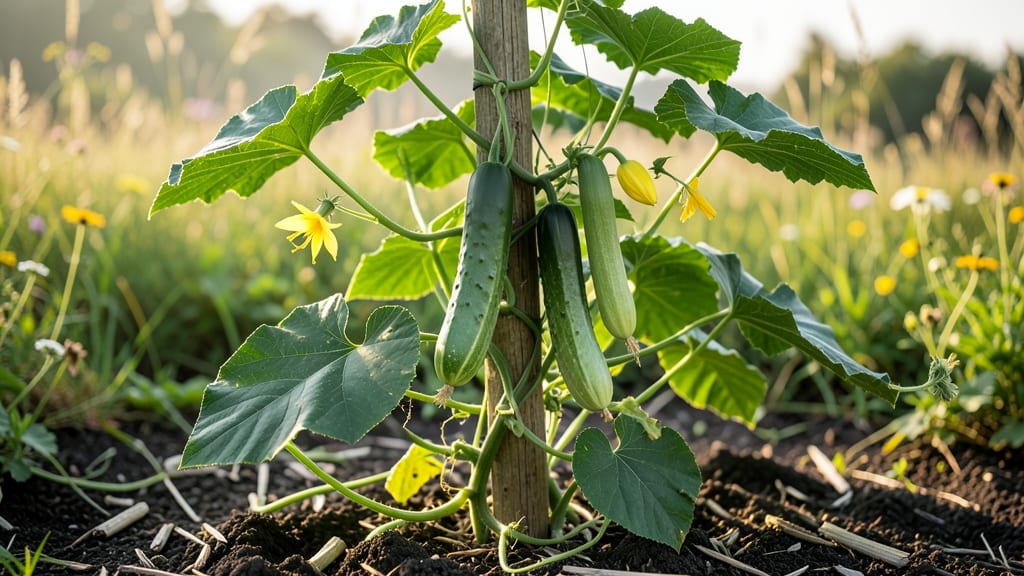
Double yield cucumbers turn one plant into two harvests without double the space. 🌱 I learned this trick after struggling with low yields from single-vine varieties—now my garden produces twice as many cucumbers in the same footprint, and the secret is simpler than you'd think.
The magic happens with proper spacing, training, and a little pruning know-how. Most gardeners plant cucumbers too close, which stunts growth. Double yield varieties need 12-18 inches of space per plant but produce two main vines instead of one, each capable of heavy fruiting.
The key is encouraging both vines to thrive from the start. By mid-summer, you'll be harvesting crisp, uniform cucumbers from both vines simultaneously. The plants stay productive for 8-10 weeks with consistent care, and the flavor rivals (or even beats) store-bought varieties.
No fancy equipment needed—just good old-fashioned gardening smarts. Works for both trellised and bush varieties, and even beginner gardeners can master this technique. Here's how to get started without the guesswork."
📚 In This Guide
- What you need
- Instructions
- Tips and common mistakes
- Wrapping up and next steps
What you need
- ● Double Yield Cucumber Seeds or Seedlings: 2-4 parthenocarpic (self-pollinating) cucumber seeds (e.g., 'Diva,' 'Sweet Success,' or 'Excelsior').
- ● OR 1-2 young seedlings (transplant-friendly varieties).
- ● Growing Containers or Garden Space: 1 large 5-gallon container (minimum 12" deep) per plant (or a 5' x 5' garden bed).
- ○ Optional: Trellis or sturdy stakes (4-6 ft tall) for vertical growth.
- ● High-Quality Potting Mix: 1 bag (12-18 qt) well-draining mix (e.g., 60% potting soil + 30% compost + 10% perlite).
- ● OR garden soil amended with compost (1 part compost to 3 parts soil).
- ● Fertilizer: Balanced 10-10-10 or 5-5-5 fertilizer (1 tbsp per plant at planting).
- ○ Optional: Slow-release organic fertilizer (e.g., worm castings or fish emulsion).
- ● Hand Trowel or Transplant Spade (for planting seedlings).
- ● Watering Can or Hose with Gentle Nozzle (avoid blasting seeds!).
- ● Pruning Shears or Sharp Scissors (for managing vines).
- ● Mulch (Straw or Black Plastic) (to retain moisture and suppress weeds).
- ● Sunlight Access: Full sun (6+ hours daily).
- ○ Optional Extras: pH test kit (ideal range: 6.0–6.8).
- ● Compost tea or liquid seaweed (for a boost!).
- ● Row covers (to protect from pests early on).
Step-by-step instructions for growing two cucumber vines per plant
Here’s how to coax two healthy vines from a single plant while avoiding common pitfalls.
🌱 Step 1: Select and Prepare Your Cucumber Variety
Choose bush or compact varieties like 'Bush Champion' or 'Spacemaster'—they’re bred for smaller growth habits but can still support two vines if trained properly. Avoid sprawling types like 'Straight Eight' unless you’re willing to dedicate extra space. Start seeds indoors 4-6 weeks before your last frost date or transplant established seedlings after soil reaches 60°F.
When hardening off seedlings, expose them to 6+ hours of sunlight daily for 10 days before planting. This toughens stems so they can support the extra vine weight later. I like to pinch off the lower leaves on the main stem before transplanting—this directs energy to root development instead of foliage.
☀️ Step 2: Train the Plant for Dual Vines
After transplanting, wait until the main vine reaches 12-18 inches tall with 3-4 true leaves. This is when the plant has enough energy to support a second vine. Look for a lateral bud (a smaller growth point) just above a leaf node—this is your future second vine. Gently pinch off the tip growth above this bud to encourage lateral branching.
Here’s the thing—don’t rush this. If you pinch too early, the plant may produce weak side shoots. Wait until the main vine shows strong, dark green leaves and the stem feels firm to the touch. Once you’ve pinched, water deeply to help the plant recover and redirect energy.
🌿 Step 3: Support and Prune for Maximum Yield
Install a sturdy trellis or cage near the plant (I use 5-foot tall bamboo stakes tied with twine) to support both vines. As the main vine grows, weave it through the trellis and train the emerging second vine alongside it. Prune any suckers (side shoots) that appear below the first 6 inches of growth
When both vines reach 6-8 inches long, pinch the tips of each to encourage bushier growth and more fruit nodes. This isn’t optional—it prevents leggy vines that produce fewer cucumbers. I also remove any male flowers (they have long stems) to redirect the plant’s energy toward female flowers (which have tiny fruits at their base). Water deeply 2-3 times per week, aiming for 1-2 inches of moisture per week. Let the top 2 inches of soil dry out between waterings—this prevents powdery mildew, a common issue with overcrowded vines. Use a soaker hose or drip irrigation to keep foliage dry, which reduces disease risk. Fertilize every 2-3 weeks with a balanced 10-10-10 mix or compost tea. Too much nitrogen makes vines leafy but fruitless, so cut back after the first harvest. I also side-dress with 1 cup of compost when vines start flowering—this gives a slow-release boost without burning roots. Harvest cucumbers when they’re 6-8 inches long (check your variety’s ideal size). Pick consistently—overripe cucumbers signal the plant to stop producing. Use pruning shears to cut stems cleanly, leaving a ½-inch stub. This prevents disease entry points and encourages new growth. After each harvest, inspect the vines for yellowing leaves or wilting—these are signs of overproduction or disease. If needed, prune 10-20% of the oldest leaves to improve airflow. I’ve found that harvesting every 2-3 days keeps plants productive well into fall, even with two vines.💧 Step 4: Manage Water and Fertilizer for Dual Growth
✂️ Step 5: Harvest Strategically to Encourage More Fruit
Tips & tricks for perfect double yield cucumber growth
These insider strategies will help you coax two thriving vines from a single plant without sacrificing quality or yield.
Variety Selection Matters: When choosing your bush or compact cucumber variety like 'Bush Champion', look for seed packets that specifically mention "bush" or "compact" in their description. These varieties are bred to handle the extra weight of two vines without sprawling. I've found that even among compact varieties, some handle the double-yield training better than others—read reviews or ask your local nursery which varieties have performed best in your climate. The right choice makes all the difference when you're pushing the plant beyond its typical growth pattern.
Timing is Everything: The 10-day hardening off period before transplanting is non-negotiable for double-yield plants. During this time, expose seedlings to gradual increases in sunlight—start with 3 hours on day 1 and build to 6+ hours by day 10. This gradual process strengthens stems so they can support the additional weight of two vines. I've seen many gardeners skip this step, only to have their second vine collapse under its own weight later in the season. The extra week of preparation pays off in stronger, more resilient plants.
Support System Strategy: Your 5-foot bamboo stake trellis should be installed immediately after transplanting, not after the vines start growing. Bury the stakes about 6 inches deep and space them 18-24 inches apart to create a stable structure. The key is to weave the main vine through the trellis in a zigzag pattern—this distributes weight evenly and prevents the plant from toppling. For the second vine, train it alongside the first rather than intertwining them, which can create congestion and disease risks. Think of it like training two athletes separately rather than forcing them to share the same path.
Pruning Precision: When you reach Step 3 and need to prune suckers below the first 6 inches, use clean pruning shears rather than your fingers. This prevents disease transmission through dirty hands. The 10-20% leaf pruning after harvest is particularly important for double-yield plants—remove only the oldest, yellowing leaves to improve airflow without shocking the plant. I've noticed that double-yield plants are more susceptible to fungal issues because of their increased foliage density, so this airflow improvement is crucial for maintaining plant health throughout the growing season.
Pro Tips for Double Yield Cucumber
- These insider strategies will help you coax two thriving vines from a single plant without sacrificing quality or yield.
- Variety Selection Matters: When choosing your bush or compact cucumber variety like 'Bush Champion', look for seed packets that specifically mention "bush" or "compact" in their description.
- Timing is Everything: The 10-day hardening off period before transplanting is non-negotiable for double-yield plants.
Frequently asked questions
Got questions about growing double yield cucumbers?
You’re not alone! Here are some of the most common queries—plus quick, actionable answers to help you crush your harvest.
What’s the best time to plant double yield cucumbers?
Plant them after the last frost when soil temps hit 60–65°F (15–18°C). For extended seasons, use row covers or start seeds indoors 3–4 weeks before transplanting. Pro tip: Morning sun and afternoon shade work best in hot climates to prevent bolting.
Can I grow double yield cucumbers in containers?
Use a 5-gallon pot or larger with drainage holes and a lightweight potting mix. Trellis the vines vertically to save space. Just ensure the container gets 6+ hours of sun daily and water consistently—containers dry out faster than garden beds.
Why aren’t my double yield cucumbers producing?
Check these fixes:
- Pollination issues: Hand-pollinate with a paintbrush if bees are scarce.
- Overcrowding: Thin vines to 12–18 inches apart for airflow.
- Nutrient deficiency: Feed with compost tea or a balanced fertilizer (10-10-10) every 3–4 weeks.
- Temperature stress: Cucumbers wilt in extreme heat—provide shade cloth if temps exceed 90°F (32°C).
Are double yield cucumbers different from regular cucumbers?
Not in taste or texture! The key difference is the genetic trick: These plants produce two vines per stem, doubling your yield without extra space. They’re ideal for small gardens or high-output goals. Just follow the same growing tips as standard cucumbers.
Can I substitute double yield cucumbers with other high-yield varieties?
Yes! Try these space-saving alternatives:
- ‘Spacemaster’ or ‘Bush Champion’ (compact, bush-type cucumbers).
- ‘Straight Eight’ (classic slicing cucumber with high yields).
- ‘Diva’ or ‘Sweet Success’ (parthenocarpic—no pollination needed!).
All thrive in similar conditions but may not offer the exact two-vine structure. Pick based on your space and goals!
Wrapping up and next steps
Growing double yield cucumbers is a game-changer for gardeners looking to maximize their harvest with minimal space! By mastering the technique of training two vines per plant, you’ll enjoy double the produce—and the satisfaction of a thriving garden.
Whether you’re a beginner or a seasoned gardener, this method is simple, rewarding, and perfect for small plots or containers.
Ready to put your new skills to work? Start with one plant this season, experiment with different training methods, and soon you’ll be reaping the benefits of lush, productive vines. Happy growing—your future harvests are waiting! 🌱✨