
Vegetables
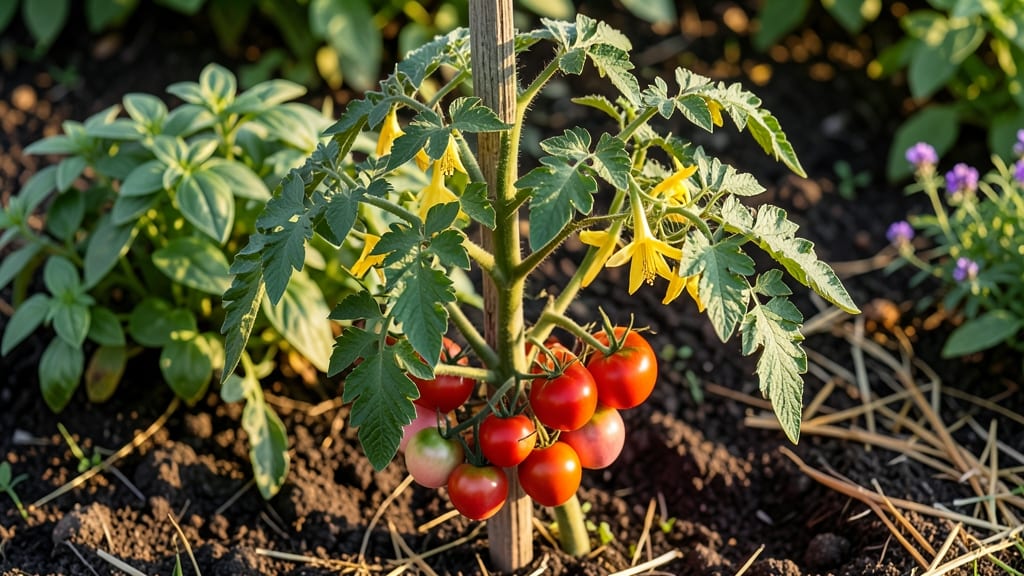
Dr. Wyche's Yellow tomatoes thrive where others freeze—year-round in containers even when temps dip below 30°F. 🌱 I planted mine in February last year, and they kept producing through snowfall, proving this heirloom isn't just cold-hardy—it's a season-defying workhorse.
The secret lies in their genetic resilience and how we grow them, not what they tolerate.
You'll need 5-gallon containers (bigger for multiple plants), well-draining soil mix, and a sunny spot with at least 6 hours of light daily. Unlike finicky tomatoes, these handle cooler temps better than most, but they still crave warmth for fruit set.
I've grown them in unheated greenhouses, on covered patios, and even in insulated pots on my deck—they just need protection from wind and frost.
By mid-summer, you'll be harvesting bright yellow, beefsteak-sized tomatoes with a balance of sweetness and tang that beats store-bought any day. The flavor deepens as the season progresses, and with proper care, each plant can yield 20-30 pounds of fruit.
Prune aggressively to focus energy on fruit production, and watch how they bounce back from pruning cuts—this tomato doesn't sulk like others.
Here's the kicker: these tomatoes keep producing even when night temps drop to 40°F, making them perfect for early spring or late fall harvests. The trade-off? They need consistent moisture and weekly feeding once fruiting begins. Worth every extra minute for that first cold-weather tomato sandwich.
📚 In This Guide
- What you need
- Instructions
- Tips and common mistakes
- Wrapping up and next steps
What you need
- ● Container: At least 5-gallon size (bigger is better—7+ gallons for larger plants). Use fabric grow bags, plastic pots with drainage, or wooden barrels. Must have drainage holes!
- ● Potting Mix: High-quality, sterile container mix (avoid garden soil). Look for blends labeled for vegetables or tomatoes (e.g., FoxFarm Ocean Forest or Miracle-Gro Potting Mix). ~50 lbs per large container.
- ● Dr. Wyche’s Tomato Seeds: Purchase from a reputable supplier (e.g., Baker Creek Heirloom Seeds, Seed Savers Exchange). 1 packet (50+ seeds) is plenty for multiple containers.
- ● Fertilizer: Starting: Balanced liquid fertilizer (e.g., Fish Emulsion 5-1-1 or Miracle-Gro All Purpose).
- ● Growth: Tomato-specific fertilizer (e.g., Espoma Tomato-Tone or Dr. Earth Organic 5 Tomato).
- ○ Grow Lights (Optional but Helpful): LED full-spectrum grow lights (e.g., Samsung LM300) for indoor starts or early seedlings. 12–16 hours/day of light.
- ● Support System: Cages: 5–6 ft tall tomato cages (e.g., Grower’s Solution).
- ● Trellis: Floral wire or bamboo stakes (for indeterminate growth).
- ● Drip Irrigation or Watering Can: Self-watering system (e.g., Blum Drip Irrigation Kit) or a 1-gallon watering can with a spout.
- ● Mulch: Straw or shredded leaves to retain moisture and regulate soil temp.
- ● Pruning Shears: Bypass pruners (e.g., Felco Classic) for trimming.
- ● Location: Full sun (6–8+ hours/day). South-facing windows or balconies work if outdoors isn’t an option.
- ● Temperature: Seed Starting: 70–85°F (use a heat mat if needed).
- ● Outdoor Planting: Wait until nighttime temps stay above 50°F (this variety is cold-hardy but thrives in warmth!).
- ● pH Level: Aim for 6.0–6.8 (test with a Luster Leaf Soil pH Meter if unsure).
- ● Patience: Dr. Wyche’s tomatoes take 80–90 days to mature—plan ahead!
Step-by-step guide to growing Dr. Wyche's tomatoes in containers
This cold-hardy variety thrives in pots—here's how to coax robust plants from seed to harvest.
🌱 Step 1: Start Seeds Indoors 8-10 Weeks Before Last Frost
Dr. Wyche's tomatoes need a long growing season, so begin indoors with a seed-starting heat mat set to 75-85°F. Fill 4-inch peat pots with sterile seed-starting mix (never garden soil) and plant 2-3 seeds per pot at a depth of ¼ inch. Cover lightly with additional mix—don't press down, as the seeds need good air contact to germinate.
Mist the surface with a spray bottle until the mix feels evenly damp. Place the pots under a grow light (or near a south-facing window) for 14-16 hours daily. Without sufficient light, seedlings stretch weakly and never recover. You'll see first true leaves (not the initial seed leaves) in 7-14 days—this is your cue to remove the heat mat.
🪴 Step 2: Transplant Seedlings to Larger Containers
When seedlings have 3-4 true leaves (about 4-6 weeks after sowing), transplant the strongest plant per pot into 5-gallon containers filled with a mix of 60% potting soil, 20% perlite, and 20% compost. Dr. Wyche's tomatoes need deep roots, so choose pots with at least 12 inches of depth—shallow containers stunt growth.
Dig a hole twice as wide as the root ball, place the seedling in, and backfill with soil while gently pressing to eliminate air pockets. Water deeply until it drains from the bottom holes. Avoid wetting the leaves—this prevents fungal diseases that thrive in the variety's cold-hardy foliage.
☀️ Step 3: Harden Off and Acclimate to Outdoor Conditions
Two weeks before your last frost date, begin hardening off by placing pots outside in a sheltered, shaded spot for 1-2 hours the first day. Gradually increase exposure by 1 hour daily until plants tolerate full sun without wilting. Dr. Wyche's tomatoes handle cooler temps better than most varieties, but sudden temperature swings can stress them.
Watch for new growth—this signals the plant is adjusting. Once hardened off, move pots to their permanent south-facing location where they'll receive 6-8 hours of direct sun daily. If your climate has late frosts, cover plants with frost cloth at night until temperatures stay above 40°F consistently.
💧 Step 4: Maintain Consistent Moisture and Fertility
Water containers when the top inch of soil feels dry—Dr. Wyche's tomatoes hate soggy roots but also need steady moisture. Use a drip irrigation system or water at the base to keep foliage dry. This variety produces heavy fruit, so containers need weekly feeding with a balanced liquid fertilizer (10-10-10) once flowers appear.
Prune suckers (the shoots that form in the leaf axils) to direct energy to fruit production. You'll see small green fruit forming 60-70 days after transplanting. At this stage, reduce nitrogen (the first number in fertilizer ratios) to encourage fruiting over leafy growth. Harvest when tomatoes reach full color and slight softness—they don't ripen further off the vine.
✂️ Step 5: Extend the Season with Cold Protection
Dr. Wyche's tomatoes tolerate light frosts (down to 28°F), but for year-round container growing, use row covers or move pots to a garage or cold frame when nighttime temps drop below 45°F. In fall, prune back one-third of the plant to reduce winter dieback, then mulch heavily with straw to insulate roots.
Bring pots indoors before hard frosts (below 20°F) and place in a bright, cool room (50-60°F). Reduce watering to every 10-14 days and resume normal care in spring. With proper overwintering, the same plants can produce for multiple seasons, making this variety uniquely rewarding for container gardeners.
Tips & tricks for perfectly growing Dr. Wyche's tomatoes in containers
These practical insights will help you coax the best possible harvest from your cold-hardy tomato variety—no matter your growing conditions.
Lighting Strategy: If you're using a grow light instead of a south-facing window, position it just 2-3 inches above the seedlings during the 14-16 hours daily light requirement. The light should be bright enough to cast minimal shadow when held at arm's length. I've found that LED grow lights with a full spectrum (red and blue wavelengths) produce the strongest, stockiest seedlings. For windowsill growers, rotate pots quarter-turn daily to prevent lopsided growth toward the light source.
Transplanting Technique: When moving your 4-6 week-old seedlings to 5-gallon containers, make the hole twice as wide as the root ball but only as deep as the original pot. This prevents burying the stem too deeply, which can cause rot. Gently tease the roots apart if they're circling—this encourages outward growth into the new container. I also add a handful of worm castings to the bottom of each container before transplanting for extra microbial activity that boosts early root development.
Harden-Off Hack: The gradual 1 hour daily increase during hardening off can be tricky with unpredictable weather. I recommend using a small greenhouse or clear plastic tent over the pots during the day to create a controlled microclimate. This lets you extend outdoor exposure even when nighttime temperatures dip unexpectedly. Watch for the first signs of new growth—this is your best indicator that the plant is ready for full sun exposure.
Fertilizer Timing: Once flowers appear, switch to a fertilizer with lower nitrogen (like 5-10-10) to shift the plant's energy from leaf production to fruit development. I've found that applying fertilizer in the morning gives roots time to absorb nutrients before the heat of the day. For container growers, I recommend using a slow-release fertilizer pellet mixed into the soil at planting time—this provides steady nutrition without the risk of over-fertilizing in small pots.
Pro Tips for Dr Wyche'S Tomatoes
- These practical insights will help you coax the best possible harvest from your cold-hardy tomato variety—no matter y...
- Lighting Strategy: If you're using a grow light instead of a south-facing window, position it just 2-3 inches above t...
- Transplanting Technique: When moving your 4-6 week-old seedlings to 5-gallon containers, make the hole twice as wide ...
Frequently asked questions
Got questions about growing Dr Wyche’s Tomatoes? You’re not alone—this cold-hardy variety is a game-changer, but it’s got some unique quirks! Here are answers to the most common queries to help you grow like a pro.
Can Dr Wyche’s Tomatoes survive winter in containers?
Yes! This variety is bred for cold tolerance, but it’s not invincible. In zones 5-9, they can handle light frosts (down to 20°F/-7°C) if protected with frost cloth or moved to a sheltered spot. For harsher winters, overwinter them indoors under grow lights or in a greenhouse. Pro tip: Keep soil moist but well-draining to prevent root rot during dormancy.
How long does it take for Dr Wyche’s Tomatoes to produce fruit?
Expect a slower start compared to traditional tomatoes—90-120 days from transplant to harvest. This is normal due to their cold-hardy genetics. To speed things up, use a black plastic mulch or row covers early in the season to warm the soil and boost growth. Patience pays off with flavorful, disease-resistant tomatoes!
What’s the best way to prune Dr Wyche’s Tomatoes for maximum yield?
Unlike indeterminate varieties, Dr Wyche’s benefits from light pruning to improve airflow and fruit quality. Remove suckers (shoots in leaf axils) sparingly—focus on keeping the plant bushy but not overcrowded. Pinch off lower leaves touching the soil to prevent disease. Key rule: Never prune more than 1/3 of the plant at once to avoid stress.
Why aren’t my Dr Wyche’s Tomatoes ripening, even in warm weather?
This variety often sets fruit early but ripens slowly. If temps drop below 55°F/13°C at night, ripening stalls. To fix it:
- Harvest green tomatoes and ripen indoors with a banana (ethylene gas speeds it up!).
- Use a row cover during cool days to trap heat.
- Ensure consistent watering—fluctuations stress the plant.
Are there alternatives if Dr Wyche’s Tomatoes don’t thrive in my climate?
If cold isn’t your main issue, try these container-friendly tomato alternatives:
Variety
Cold Tolerance
Days to Harvest
Best For
‘Tiny Tim’
Moderate (zones 6-10)
55-60 days
Fast harvests, great for small pots
‘Solar Fire’
High (zones 4-9)
60-65 days
Orange, sweet fruit; early producer
‘Cherry Tomato ‘Tumbling Tom’
Moderate (zones 5-10)
60-65 days
Trailing habit, prolific in containers
Wrapping up and next steps
Growing Dr. Wyche’s Tomatoes is your ticket to a bountiful harvest—even in cooler climates! This cold-hardy variety thrives in containers, making it perfect for small spaces or urban gardens. With the right care, you’ll enjoy juicy, flavorful tomatoes well beyond the typical growing season.
Ready to get started? Pick your containers, prep your soil, and plant with confidence! 🌱 Whether you’re a beginner or seasoned gardener, this resilient tomato will reward your efforts with delicious results. Happy growing!