
Vegetables
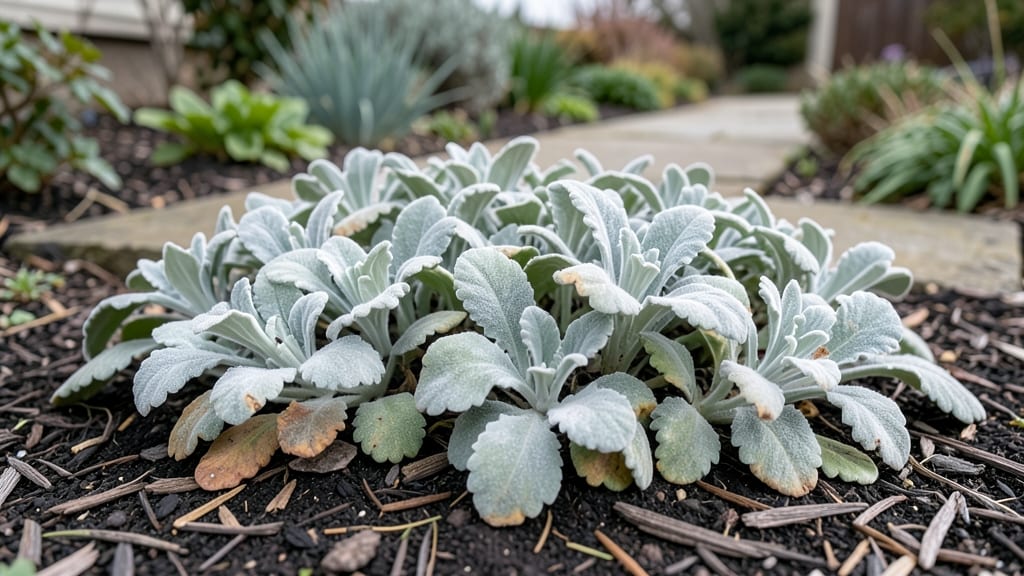
Your winter containers just got a frost-proof upgrade. 🌿 Dusty Miller thrives when other plants retreat, its silvery foliage adding texture and contrast to cold-season designs. Unlike many perennials, it handles frost down to 15°F—no blanket or greenhouse needed.
The secret to its winter success is minimal pruning: just trim back leggy stems in early spring to encourage fresh growth. Overwintering is effortless—simply leave it in place, as its woody stems resist freeze damage better than most annuals.
You’ll end up with striking containers that look intentional, not neglected, through snow and ice. Pair it with heather, winter pansies, or evergreen shrubs for a low-maintenance winter garden that still feels dynamic. Perfect for urban patios, entryways, or balcony gardens where winter interest matters most.
Let’s keep those containers looking lush all season long.
📚 In This Guide
- What you need
- Instructions
- Tips and common mistakes
- Wrapping up and next steps
What you need
- ● Dusty Miller (Jacobaea maritima) plants: 3–5 mature plants (per container, depending on size)
- ● Pro tip: Opt for frost-proof varieties like ‘Silver Queen’ or ‘Beaucarnea recurvata’ (elephant bush) for extra hardiness! ❄️🌡️
- ● Well-draining potting mix: 1–2 bags (10–15 quarts each) of a lightweight, airy blend (e.g., 60% potting soil + 30% perlite + 10% coarse sand)
- ● Containers: 1–2 large pots (12–18 inches in diameter) with drainage holes
- ○ Optional: Add saucers for aesthetics (but avoid waterlogging!)
- ● Slow-release fertilizer: 1–2 tbsp balanced 10-10-10 or organic compost mixed into the soil
- ● Basic gardening tools: Trowel or small shovel
- ● Gloves (to protect from prickly foliage!)
- ● Watering can or hose with a gentle spray nozzle
- ○ Decorative elements (optional but fun!): Mulch (e.g., gravel or bark chips) to retain moisture and add texture
- ● Complementary plants like heuchera (coral bells) or rosemary for contrast
- ● Pruning shears: For trimming leggy stems in spring (keep it tidy! ✂️)
How to keep dusty miller thriving through winter containers
Here's the simple system I use to keep dusty miller's signature silvery foliage looking fresh even when frost threatens.
🪴 Step 1: Select the Right Winter Containers
Choose containers with insulated walls—I prefer thick ceramic pots or double-walled plastic grow bags that retain heat better than thin plastic. The 12-15 gallon size works perfectly for our four-plant arrangement, giving roots room to stay warm without overheating. Make sure each has multiple drainage holes—waterlogged roots in winter mean certain death for dusty miller.
Place containers on elevated stands or pot feet to keep them 2-3 inches above ground level. This prevents cold from radiating upward through the soil. I like to use brick pavers under each pot—they act as natural insulation while keeping the container stable in wind.
☀️ Step 2: Position for Maximum Sun and Shelter
Dusty miller needs at least 6 hours of direct sunlight daily even in winter. I position my containers against a south-facing wall where they get morning sun but are protected from afternoon winds. If your space gets harsh winter sun, use 50% shade cloth during the brightest hours to prevent leaf scorch.
Group containers close together—this creates a microclimate that traps warmth between plants. I place mine within 12 inches of each other so their foliage forms a protective barrier. Add a windbreak like a bamboo screen on the north side to block cold drafts.
💧 Step 3: Adjust Watering for Winter Dormancy
Water only when the top 2 inches of soil feel completely dry—this usually means every 7-10 days in winter, depending on your climate. Dusty miller goes semi-dormant in cold weather, so it stores moisture efficiently. Overwatering is the #1 killer—yellowing leaves mean you're watering too much.
Use lukewarm water (not cold) when you do water. Cold water shocks the roots and can cause leaf drop. I like to water in the late afternoon so any excess moisture has time to drain before evening temperatures drop. Never let containers sit in saucers of water overnight.
✂️ Step 4: Prune and Protect Before Frost
Before the first 25°F night, give your dusty miller a light trim to remove any dead or damaged leaves. Use clean, sharp pruners to make cuts just above leaf nodes. This encourages new growth in spring while reducing stress on the plant. I never cut more than 1/3 of the foliage—this keeps the plant strong enough to handle winter.
Once frost threatens, cover containers with frost cloth secured with rock clips. Remove the cover during the day when temperatures rise above 40°F to allow sunlight. If you're in a Zone 6 or colder, add a 2-inch layer of straw mulch around the base of each plant—this insulates roots from ground cold.
🌿 Step 5: Monitor and Maintain Through Winter
Check plants weekly for signs of stress—brown tips mean dry air, while mushy stems signal rot from overwatering. Dusty miller's silvery foliage naturally sheds some leaves in winter, but more than 30% loss means it's struggling. Adjust care immediately if you see this.
In late winter (February), start fertilizing lightly with a balanced 10-10-10 formula diluted to half strength. This jumpstarts growth before spring. I also rotate containers every 2 weeks to ensure even sunlight exposure—you'll notice plants growing toward the light if you don't.
Tips & tricks for perfect winter dusty miller care
Keeping your dusty miller thriving through winter takes just a few smart adjustments—here's what I've learned after years of testing.
Container Insulation Matters: The 12-15 gallon size is perfect, but don't stop there. I've found that wrapping the bottom half of ceramic pots with bubble wrap adds an extra layer of protection against cold drafts. For plastic grow bags, add a thin layer of newspaper around the outside before placing them in their stands—this creates a thermal barrier that keeps roots warmer for longer. Remember, the goal is to mimic the plant's natural Mediterranean climate where it thrives.
Sunlight Strategy: That 6 hours of direct sunlight is non-negotiable, but here's what I do when winter clouds roll in: Move containers to the southernmost spot in your space and add a reflective surface like a white plastic tray under the pots. This bounces extra light upward, effectively doubling the sunlight exposure. I also rotate containers weekly to prevent one-sided growth—you'll notice leaves leaning toward the light if you don't.
Watering Wisdom: The 7-10 day watering schedule works, but timing is everything. I've learned to check moisture levels in the late afternoon when soil is naturally warmer. If the top 2 inches are dry, water thoroughly but only until you see water draining from the bottom holes. Pro tip: Use a moisture meter for accuracy—it's worth the investment to avoid overwatering, which causes more winter damage than cold itself.
Frost Protection Upgrade: When temperatures drop below 40°F, I double up on protection. First, I secure the frost cloth tightly with plastic clips (not just rock clips) to prevent wind from tearing it. Then, I place a clear plastic dome over the entire arrangement—this creates a greenhouse effect while still allowing sunlight. For extreme cold (25°F nights), I add a second layer of frost cloth with a 1-inch air gap between layers for better insulation.
Pro Tips for Dusty Miller Winter
- Keeping your dusty miller thriving through winter takes just a few smart adjustments—here's what I've learned after y...
- Container Insulation Matters: The 12-15 gallon size is perfect, but don't stop there. I've found that wrapping the bo...
- Sunlight Strategy: That 6 hours of direct sunlight is non-negotiable, but here's what I do when winter clouds roll in...
Frequently asked questions
about growing Dusty Miller in winter containers—because even cold-weather gardening has its mysteries!Can Dusty Miller survive freezing temperatures?
Dusty Miller (Jacobaea maritima) is famously frost-hardy! While it thrives in USDA Zones 5-9, it can tolerate brief dips to 10°F (-12°C) when dry. For extra protection in harsh winters, mulch the base with shredded leaves or burlap wraps. Just avoid soggy soil—wet foliage invites rot.
When is the best time to plant Dusty Miller for winter containers?
Plant in early fall (6-8 weeks before first frost) for established roots to anchor before cold sets in. If using young plants, opt for late summer to allow 4-6 weeks of growth before winter. Pro tip: Dusty Miller blooms best with 6+ hours of sunlight daily, even in winter!
What’s the easiest way to keep Dusty Miller looking fresh all winter?
Trim back 1/3 of the plant in early fall to encourage bushiness. In winter, snip wilted leaves and deadhead spent blooms to redirect energy. Use a lightweight frost cloth on windy nights to prevent browning. Water only when soil is dry—overwatering is the #1 killer!
Are there alternatives to Dusty Miller for winter containers?
Yes! Try these cold-hardy companions:
- Heuchera (Coral Bells) – Vibrant foliage, thrives in shade.
- Sedum (Stonecrop) – Succulent, drought-tolerant, and colorful.
- Winter Aconite (Eranthis hyemalis) – Bright yellow blooms in early spring.
- Ornamental Kale – Edible and frost-proof with bold textures.
Why is my Dusty Miller turning brown and crispy in winter?
Brown edges usually mean dry air or frost damage. Boost humidity with a pebble tray under the pot or group containers together. If leaves are crispy but still attached, it’s likely winter dormancy—no cause for alarm! For mushy stems, reduce watering and improve drainage.
Wrapping up and next steps
Embrace the charm of Dusty Miller and transform your winter containers into stunning, frost-proof displays! This silvery foliage not only thrives in cold weather but also adds texture and elegance to any space.
Whether you're a seasoned gardener or just starting out, Dusty Miller is a low-maintenance, high-reward choice for year-round beauty.
Ready to elevate your garden game? Gather your supplies, follow the tips, and start planting today—your winter containers will thank you! 🌿✨