
Vegetables
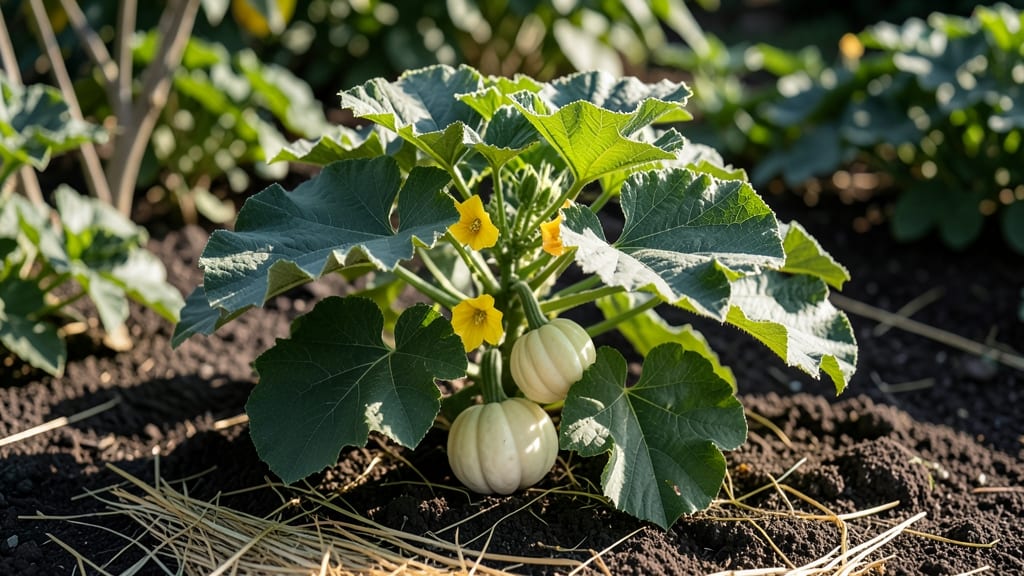
Growing Early White Bush Scallop Squash in containers changed how I garden in small spaces. 🌱 This cold-resistant variety produces sweet, tender squash without taking over the yard—perfect for balconies, patios, or even sunny windowsills where other squash would fail.
The secret to success starts with well-draining soil (mix compost with potting mix) and planting seeds 1 inch deep in 5-gallon containers or larger. Give each plant 2-3 feet of space to sprawl, and you’ll avoid crowded vines that slow production.
Just keep soil moist—not soggy—and watch for those first pale green blooms in 45-50 days.
Once the flowers appear, you’ll harvest 1-2 inch scallops every 3-4 days to keep the plant producing. Pair it with bush beans or radishes to deter pests naturally, and avoid planting near potatoes (they compete for nutrients).
With proper care, this variety thrives even in Zone 3, making it one of the most forgiving squash for cool climates.
📚 In This Guide
- What you need
- Instructions
- Tips and common mistakes
- Wrapping up and next steps
What you need
- ● Seeds: 3–5 early white bush scallop squash seeds (check seed packets for cold-hardy varieties).
- ○ Containers: 5–7 gallon pots (at least 12–18 inches deep) with drainage holes. Optional: Self-watering pots for convenience.
- ● Potting Mix: 1 bag (1–2 cubic feet) of high-quality, well-draining organic potting soil (avoid garden soil).
- ● Fertilizer: Balanced all-purpose fertilizer (10-10-10 or 5-5-5) for planting.
- ● Compost or worm castings (1 cup per pot) for nutrients.
- ● Mulch: Straw or shredded leaves (1–2 inches) to retain moisture and regulate temperature.
- ● Watering Can: With a fine rose attachment for gentle watering.
- ● Gloves & Hand Trowel: For handling soil and seeds comfortably.
- ● Cold Frame or Row Covers: To extend the growing season in cooler climates.
- ● Plant Support: Small stakes or cages (if vines need guidance).
- ● pH Test Kit: To ensure soil pH is between 6.0–7.0 (ideal for squash).
- ● Drip Irrigation System: For consistent moisture in larger setups.
Step-by-step guide to growing early white bush scallop squash in containers
This cold-hardy variety grows beautifully in containers—here’s how to cultivate it for a bountiful harvest.
🌱 Step 1: Select and Prepare Containers for Optimal Growth
Choose 5-gallon containers with drainage holes for each plant—this variety’s bush habit thrives when roots have room to spread without competition. I use black plastic pots because they absorb heat, which helps maintain soil temperatures above 55°F, the minimum this squash tolerates. If your containers lack drainage, drill ¼-inch holes along the bottom to prevent root rot.
Fill each pot ¾ full with a well-draining potting mix (avoid garden soil—it compacts and suffocates roots). Amend with compost for nutrients, but don’t overdo it—too much nitrogen delays flowering. Tap the pot gently to settle the soil, then water until moisture runs freely from the drainage holes. Let excess water drain completely before planting.
🌿 Step 2: Plant Seeds at the Right Depth and Spacing
Sow 2-3 seeds per container at a depth of 1 inch, spacing them 3 inches apart in a small circle. Press them lightly into the soil—too-deep planting slows germination because the seedling struggles to reach light. Cover with a ¼-inch layer of fine compost to protect seeds from drying out.
Place the pots in a warm, sunny spot (or under grow lights if indoors) and keep the soil consistently moist until germination. This variety germinates best at 70-80°F—if your space runs cooler, use a seedling heat mat to speed up sprouting. You’ll see first true leaves in 7-10 days; thin to the strongest seedling per pot once they’re 2 inches tall.
☀️ Step 3: Provide Full Sun and Consistent Watering
Move pots to a location with 6-8 hours of direct sunlight daily—this squash thrives in full sun but tolerates partial shade in hot climates. If growing in containers on a patio, rotate them quarter-turn weekly so plants grow upright instead of leaning toward the light. You’ll notice yellowing leaves if light is insufficient; supplement with a grow light if needed.
Water deeply when the top inch of soil feels dry—containers dry out faster than in-ground beds. Use a drip irrigation system or water at the base of the plant to avoid wetting foliage, which prevents fungal diseases like powdery mildew. Mulch with straw to retain moisture and keep soil temperatures stable.
✂️ Step 4: Fertilize and Prune for Bushier Growth
Feed plants with a balanced 10-10-10 fertilizer every 2-3 weeks once they’re 4 weeks old, but reduce nitrogen after flowering begins—too much promotes leafy growth at the expense of fruit. I switch to a low-nitrogen, high-phosphorus fertilizer (like 5-10-10) to encourage blooming and fruit set.
Pinch off early flowers if the plant looks leggy—this redirects energy to stronger stems before the main harvest. Once female flowers appear (look for tiny squash forming behind the blossom), stop pruning. Harvest scallops when they’re 2-3 inches wide for the best flavor—leaving them too long makes them tough and seedy.
🍽️ Step 5: Harvest and Extend the Season
Pick squash every 2-3 days to encourage continuous production—overripe fruit signals the plant to stop flowering. Use a sharp knife to cut stems, leaving a ½-inch stub to prevent disease entry. Store harvested scallops in the fridge for up to 1 week or freeze for longer storage.
In cooler climates, extend the season by covering pots with frost cloth on chilly nights. This variety handles light frosts (down to 28°F), but a heavy freeze will kill the plant. If your growing zone has short summers, sow a second batch in late spring for a fall harvest.
Tips & tricks for growing cold-hardy scallop squash
Real talk: Container gardening with this cold-resistant variety requires a few key adjustments to maximize your harvest.
Container Selection: Don't overlook the importance of container material. While black plastic pots work well for heat absorption, you can also use fabric grow bags that breathe better and reduce root rot risk. Just ensure they have ¼-inch drainage holes—this is non-negotiable for preventing waterlogged roots. I've found that 5-gallon containers provide the perfect balance of space and portability for this bush variety, allowing roots to spread without becoming root-bound.
Germination Environment: The 70-80°F germination range is crucial—if your space runs cooler, invest in a seedling heat mat ($15 at garden centers) to speed up sprouting. Place pots in a warm, sunny spot (or under grow lights) and maintain consistent moisture by covering with plastic wrap until germination occurs. Watch for first true leaves in 7-10 days—this is when you'll know your seeds have successfully sprouted.
Sunlight Optimization: While this variety tolerates partial shade, you'll get the best production with 6-8 hours of direct sunlight daily. For patio growers, rotate containers quarter-turn weekly to prevent lopsided growth. If you notice yellowing leaves, supplement with a grow light (LED bulbs work best) for 12-14 hours daily
Fertilizer Transition: The switch from 10-10-10 to 5-10-10 fertilizer after flowering is critical. Too much nitrogen at this stage will result in lush foliage but few squash. I recommend making this transition when you first spot female flowers (those with tiny squash forming behind the blossom). This variety responds beautifully to compost tea as a foliar spray during flowering for even better fruit set.
Pro Tips for Early White Bush Scallop Squash
- Real talk: Container gardening with this cold-resistant variety requires a few key adjustments to maximize your harvest.
- Container Selection: Don't overlook the importance of container material.
- Germination Environment: The 70-80°F germination range is crucial—if your space runs cooler, invest in a seedling heat mat ($15 at garden centers) to speed up sprouting.
Frequently asked questions
Got questions about growing or using Early White Bush Scallop Squash? Here are answers to the most common ones!
Can I grow this squash in containers?
This variety thrives in containers as long as they’re at least 5 gallons in size and have good drainage. Just ensure the pot gets 6–8 hours of sunlight daily and use a well-draining potting mix. A trellis or cage can help support vines if space is tight.
How long does it take to harvest?
Expect to harvest 50–60 days after transplanting seedlings. Check for squash when they’re 3–4 inches wide and firm to the touch. Harvesting early encourages more production—don’t wait too long, or they’ll turn tough and seedy!
What’s the best way to store harvested squash?
Store them in a cool, dry place (like a pantry) where temps stay 50–55°F. Avoid refrigeration—they’ll spoil faster! For longer storage, cure them first by placing in a warm (80–85°F) spot for 10 days to harden the skin.
Can I substitute this for zucchini in recipes?
Yes! Their mild, slightly sweet flavor makes them a great zucchini swap. Use them raw in salads, spiralized in pasta, or roasted like zucchini. Just note they’re smaller and denser, so adjust quantities as needed.
What pests should I watch for?
Keep an eye out for squash bugs, cucumber beetles, and powdery mildew. Use row covers early to deter pests and practice crop rotation. For mildew, improve airflow and avoid overhead watering. Neem oil can help if issues arise!
How cold-hardy is this variety?
This squash is more cold-tolerant than most, handling light frosts down to 25–30°F. Start seeds indoors 4–6 weeks before last frost or direct-sow after soil warms to 60°F. If temps dip unexpectedly, use row covers for extra protection.
Wrapping up and next steps
Growing early white bush scallop squash is a rewarding adventure—whether you're a seasoned gardener or a curious beginner! 🌱 This cold-resistant variety thrives in containers, making it perfect for small spaces or cooler climates.
With its quick harvest time and delicious, versatile fruit, you’ll soon be enjoying homegrown goodness in soups, salads, or roasted dishes.
Ready to take the next step? Start by gathering your supplies, choosing the right spot, and planting those seeds. Before you know it, you’ll be savoring the sweet, nutty flavor of your very own early white bush scallop squash—straight from your garden to your table!