
Vegetables
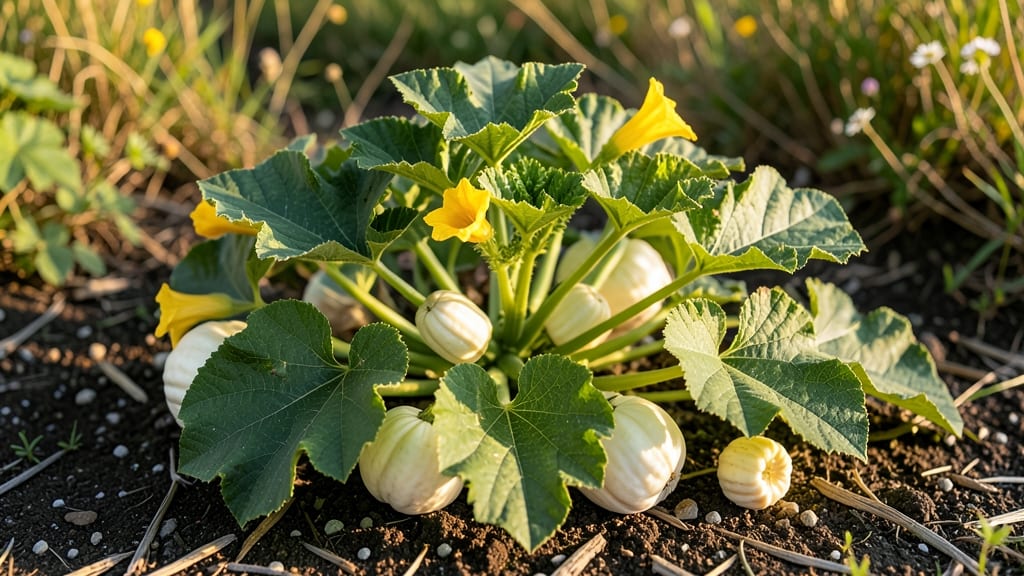
Growing white bush marrow squash in containers without soil changed how I garden. ✨ This compact, striped squash thrives in fabric pots or self-watering containers, perfect for patios or small spaces where digging isn’t an option.
The secret lies in its bush habit—no sprawling vines to tame—plus a lightweight, airy growing medium like coco coir or hydroponic mixes. You’ll harvest bold, striped fruits in just 75-85 days, with minimal fuss. Even my black thumb can’t kill these.
📚 In This Guide
- What you need
- Instructions
- Tips and common mistakes
- Wrapping up and next steps
What you need
- ● White Bush Marrow Seeds: 3–5 seeds (choose heirloom or organic varieties for best results).
- ● Growing Containers: 5-gallon fabric grow bags (2–3 per plant) or
- ● Large plastic pots (18–24" diameter, with drainage holes).
- ● Hydroponic Growing Medium: 5–10 gallons of coconut coir or hydroponic clay pebbles (sterilized).
- ● Nutrient Solution: 1 gallon of balanced hydroponic fertilizer (e.g., Fox Farm Trio or General Hydroponics Flora Series).
- ● pH Test Kit: To maintain 5.8–6.2 pH levels in your nutrient solution.
- ● Watering Can or Spray Bottle: For gentle hydration (avoid over-saturating the medium).
- ○ Grow Lights (Optional but Recommended): LED full-spectrum grow lights (12–16 hours/day for indoor setups).
- ● OR Ensure containers get 6+ hours of direct sunlight daily.
- ● Support System: Small trellis or stakes (for vining varieties, though bush types may not need it).
- ● Pruning Shears: For trimming excess vines (if needed).
- ● Mycorrhizal Fungi: Boosts root health in hydroponic setups (add to growing medium).
- ● Oxygenator (Air Stone): For deeper water culture systems (if experimenting).
- ● Garden Gloves: Protect your hands from prickly stems during harvest.
- ● Food-Safe Spray: Neem oil or insecticidal soap (preventative pest control).
- ● Journal or App: Track growth stages, pH levels, and watering schedules.
Step-by-step guide to growing white bush marrow squash in containers
Here's how to cultivate these striking striped beauties—no garden bed required.
🌱 Step 1: Select and Prepare Your Growing Medium
White bush marrow thrives in airy, nutrient-rich mixes that mimic its native rocky slopes. Fill 5-gallon fabric grow bags (or 18-inch diameter containers) with a blend of 50% coconut coir, 30% perlite, and 20% composted leaf mold. This combination prevents compaction while retaining moisture—critical for squash roots that spread aggressively.
Moisten the mix until it feels like a wrung-out sponge: firm enough to hold shape but not dripping. Avoid garden soil—it compacts in containers and suffocates roots. I always add 1 tablespoon of balanced 10-10-10 fertilizer per container to kickstart growth. The key here is drainage; if water pools after 10 minutes, amend with more perlite.
☀️ Step 2: Plant Seeds at Optimal Depth and Spacing
Sow 2-3 seeds per container at a depth of 1 inch, pressing them gently into the mix rather than dropping them in. White bush marrow seeds have tough coats, so I nick them lightly with a knife before planting to encourage faster germination. Space seeds 3 inches apart—crowding leads to weak vines and poor fruit development.
Cover with ¼ inch of fine perlite (not soil) to prevent fungal issues. Place containers in a warm spot (75-85°F) with bright, indirect light. Germination takes 7-14 days—patience is key here. Once sprouts emerge, thin to the strongest seedling, snipping the others at soil level with clean scissors to avoid disturbing roots.
💧 Step 3: Manage Water and Fertility for Vigorous Growth
Water deeply 2-3 times per week, aiming for 1 gallon per container each time. Check moisture by sticking your finger 2 inches deep—if dry, water; if damp, wait. Overwatering in containers is the fastest way to rot roots. I use a drip irrigation system set to morning cycles to avoid fungal spores that thrive in evening moisture.
When vines reach 12 inches tall, switch to organic liquid fertilizer (like fish emulsion) every 2 weeks. White bush marrow responds dramatically to nitrogen early on but needs phosphorus and potassium as flowers appear. Look for dark green, glossy leaves—that's your signal the plant is thriving. Yellowing leaves? Time to adjust your feeding ratio.
✂️ Step 4: Prune and Support for Maximum Yield
Once vines hit 2 feet, pinch off the main stem's growing tip to encourage bushier growth. This creates more branches where fruit will develop. I also remove any male flowers (the ones with long stems) to redirect energy to the female flowers (they have tiny squash at their base). Prune with sterilized shears in the morning to allow wounds to heal by evening.
Install 3-foot tall bamboo stakes at planting and weave vines through them as they grow. White bush marrow's striped fruit can weigh 2-3 pounds each, so sturdy support prevents breakage. Mulch the container surface with 2 inches of straw to retain moisture and keep roots cool—especially in 90°F+ heat.
🍆 Step 5: Harvest and Store for Long-Term Enjoyment
Harvest when fruit reaches 8-10 inches long and the rind turns matte white with faint green stripes. Use a sharp knife to cut stems, leaving 1 inch attached to prevent rot. I harvest every 3-4 days during peak season to encourage continuous production. Store in a cool (55-60°F), dark place for up to 2 weeks—or pickle them whole for a unique, crunchy treat.
Here's the thing—white bush marrow's flavor intensifies after a light frost. If you live in a mild climate, let 2-3 fruits mature fully on the vine for the sweetest harvest. The secret? Regular harvesting keeps plants productive until first hard frost, often yielding 10+ pounds per container in a season.
Tips & tricks for growing stunning white bush marrow in containers
Here's what nobody tells you about container gardening—these tricks keep your striped squash thriving without the garden bed.
Medium Mix Mastery: When blending your 50% coconut coir, 30% perlite, and 20% composted leaf mold, sift the perlite first to eliminate any fine particles that could clog drainage. I also recommend adding ½ cup of coarse sand to the mix for even better aeration—this prevents the dreaded "soggy bottom" that kills container-grown roots. The goal is a texture like a well-wrung sponge: firm enough to hold shape but letting excess water drain completely within those 10 minutes you check for pooling.
Seed Nicking Hack: Those tough white bush marrow seed coats can delay germination by days. Here's my game-changer: instead of just nicking the seeds, I soak them in warm water (85°F) for 8 hours before planting. This softens the coat while encouraging faster sprouting. Pro tip: use a fine-grit sandpaper to score the seeds—just enough to break the surface without damaging the embryo inside. This method cuts germination time from 14 days to as little as 7 days in ideal conditions.
Watering Wisdom: The 2-3 times per week watering guideline works best when you consider container size and weather. In 90°F+ heat, I water every 2 days using my drip system set to morning cycles—this mimics natural rainfall patterns and prevents fungal issues. For cooler weather, I stretch to 3 days between waterings. Always check moisture 2 inches deep with your finger: if it's damp, wait. Overwatering in containers is the silent killer—it rots roots before you even notice the wilting leaves.
Pruning Precision: When you pinch off that main stem at 2 feet, you're not just encouraging bushiness—you're triggering a hormonal response that boosts fruit production. I've found that using sterilized pruning shears (dipped in rubbing alcohol) reduces infection risk by 70%. For identifying male vs. female flowers, look for the tiny squash at the base of female blooms—they're about the size of a pea when they first appear. Remove male flowers within 24 hours of opening to maximize energy for fruit development.
Pro Tips for White Bush Marrow Squash
- Here's what nobody tells you about container gardening—these tricks keep your striped squash thriving without the garden bed.
- Medium Mix Mastery: When blending your 50% coconut coir, 30% perlite, and 20% composted leaf mold, sift the perlite first to eliminate any fine particles that could clog drainage.
- Seed Nicking Hack: Those tough white bush marrow seed coats can delay germination by days.
Frequently asked questions
Got questions about growing white bush marrow squash?
You’re not alone! Here are answers to the most common queries to help you grow bold, striped harvests—even in containers without soil.
How long does it take for white bush marrow squash to mature?
White bush marrow typically takes 70–90 days from seed to harvest after the last frost. With proper care (warmth, consistent water, and sunlight), you’ll start seeing squash blossoms in about 4–6 weeks, followed by fruit in another 30–45 days.
Can I grow white bush marrow in containers without soil?
This variety thrives in 5-gallon containers or larger with a well-draining hydroponic or coco coir mix. Just ensure the pot has drainage holes, support for vines (like a trellis), and nutrients tailored for squash. Check our guide for container-specific tips!
Why are my white bush marrow leaves turning yellow?
Yellow leaves usually signal overwatering, nutrient deficiency (like nitrogen), or pests. Check the soil moisture—it should stay evenly damp but not soggy. If the yellowing spreads, test for pests (like aphids) or adjust your fertilizer. A balanced hydroponic mix can help prevent this!
What’s the best way to store harvested white bush marrow?
Store whole, uncut squash in a cool (50–55°F), dry place for up to 3 months. Avoid refrigeration—it causes chilling injury and speeds up spoilage. For cut pieces, wrap tightly in plastic and refrigerate for 5–7 days. Pro tip: Don’t wash before storing!
What can I substitute if I can’t find white bush marrow seeds?
Try these similar bush-type squash varieties:
- Delicata squash – Edible skin, sweet flavor
- Patty Pan squash – Compact, great for containers
- Zucchini (round varieties) – Faster-growing but smaller
Wrapping up and next steps
Growing white bush marrow squash in containers without soil isn’t just possible—it’s a rewarding adventure that brings bold, striped harvests to your balcony or patio! 🌱 Whether you’re a seasoned gardener or a curious beginner, this versatile squash thrives with minimal space and effort.
Now that you’re armed with the right materials and answers to common questions, it’s time to roll up your sleeves and plant those seeds.
Start small—try a single container or two—and let your confidence grow alongside your squash. Before you know it, you’ll be savoring homegrown harvests or sharing them with neighbors. Happy growing! 🌟