
Vegetables
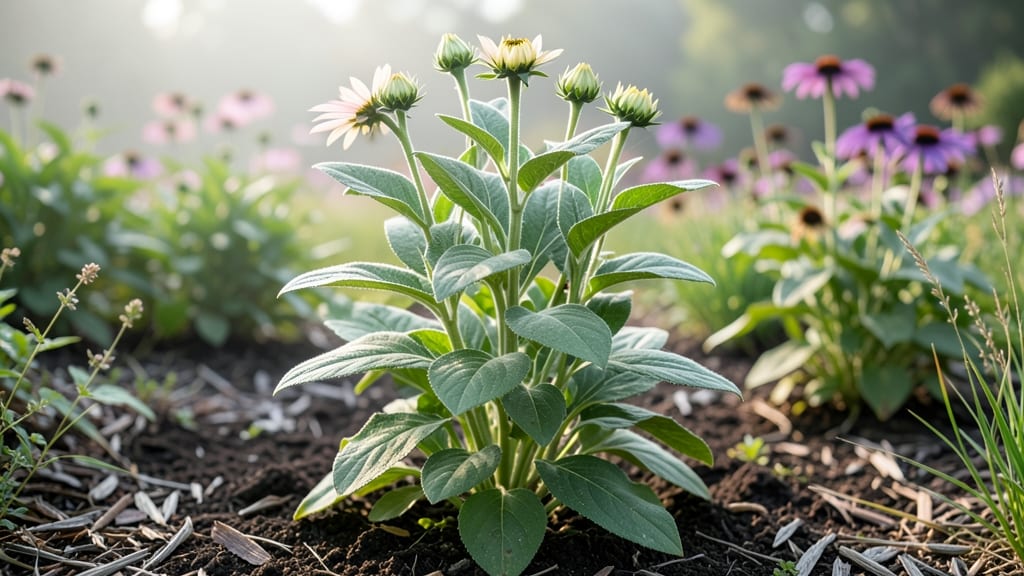
Growing Echinacea 'Green Envy' means bold purple blooms that outlast summer heat and welcome pollinators like no other. 🌿 I planted mine last spring after struggling with finicky perennials, and this one thrived where others failed—even through our Zone 5 winters.
The secret lies in its cold-hardy roots and minimal fuss care routine. This variety loves full sun to partial shade and tolerates almost any soil as long as it drains well.
My first year, I overwatered and nearly drowned the roots, but once I adjusted to 1 inch of water per week, the plants exploded with 3-4 inch blooms from June through frost. The green foliage stays lush even in drought, making it a low-maintenance superstar.
You'll get weeks of vibrant color with minimal effort—no deadheading needed, just cut back in early spring to encourage new growth. Deer and rabbits leave it alone, and it rarely gets diseases, which is more than I can say for my petunias.
The only real challenge? Keeping it from spreading too aggressively in the right conditions. Perfect for cottage gardens, pollinator-friendly borders, or even container plantings. Once established, it’s impossible to kill—just plant it, forget it, and enjoy the show.
📚 In This Guide
- What you need
- Instructions
- Tips and common mistakes
- Wrapping up and next steps
What you need
- ● Echinacea plants: Choose between seeds, nursery-grown plants, or bare-root options. For best results, opt for Echinacea purpurea (purple coneflower) or Echinacea paradoxa (yellow coneflower). Quantity: 3–5 plants for a small garden, 10+ for a bold display.
- ● Well-draining soil: Echinacea thrives in loamy, slightly acidic soil (pH 6.0–7.0). Amend heavy clay with compost or sand if needed.
- ● Sunlight: A full-sun location (6+ hours of direct sunlight daily) is non-negotiable for vibrant blooms.
- ● Watering can or hose: With a fine rose nozzle for gentle hydration.
- ● Organic mulch: 2–3 inches of shredded bark or straw to retain moisture and suppress weeds.
- ○ Fertilizer (optional but helpful): A balanced, slow-release fertilizer (10-10-10) or compost tea at planting time.
- ● Bone meal (1–2 tbsp per plant) in early spring for root health.
- ● Garden trowel or transplant spade for digging holes.
- ● Hand pruners or shears for deadheading spent blooms and shaping.
- ○ Gloves (optional but recommended) to protect hands from prickly stems.
- ● Measuring tape or ruler to ensure proper spacing (18–24 inches apart).
- ● Hardiness zones: Echinacea grows best in zones 3–9—perfect for cold-resistant gardens!
- ● Drought tolerance: Once established, echinacea is drought-tolerant, but young plants need consistent watering (1 inch per week).
- ● Pest control: Monitor for Japanese beetles or aphids; use neem oil or insecticidal soap if needed.
How to plant and maintain echinacea 'Green Envy'
This cold-hardy beauty thrives with minimal fuss—just follow these steps for vibrant blooms season after season.
🌱 Step 1: Choose the Perfect Planting Location
Echinacea 'Green Envy' thrives in full sun to partial shade, but for the boldest blooms, aim for at least 6 hours of direct sunlight daily. I always pick a spot with good air circulation to prevent fungal diseases—this variety is tough, but stagnant air invites trouble. The soil should drain well; if your garden holds water, amend with compost or sand before planting.
Watch for the sunniest, warmest corner of your garden—this is where 'Green Envy' will reward you with the most vibrant, long-lasting blooms. If your yard has heavy clay soil, consider planting in a raised bed or container where drainage is guaranteed. The key is mimicking its native prairie habitat: open, airy, and well-drained.
🪴 Step 2: Plant at the Right Depth and Spacing
Dig a hole twice as wide as the root ball but only as deep as the container. Gently remove the plant from its pot and loosen any circling roots—this prevents girdling as it establishes. Place the plant so the top of the root ball sits just below soil level; burying the crown too deep suffocates the plant, while planting too high leaves it vulnerable to drought.
Space plants 18-24 inches apart to allow airflow and prevent overcrowding. I like to arrange them in odd-numbered groupings (3, 5, or 7) for a natural, full look. Water deeply after planting to settle the soil and eliminate air pockets. You’ll know it’s right when the soil surface looks slightly compacted but still holds its shape when pressed.
☀️ Step 3: Water Deeply and Establish a Routine
Water once a week for the first month, soaking the soil to a depth of 6-8 inches. 'Green Envy' is drought-tolerant once established, but young plants need consistent moisture to develop strong roots. Check soil moisture by sticking your finger 2 inches deep—if it feels dry, it’s time to water. Overwatering is the biggest mistake; soggy soil leads to root rot.
After the first month, reduce watering to every 10-14 days, unless your area experiences extreme heat or drought. Mulch around the base with 2-3 inches of organic mulch to retain moisture and suppress weeds. The mulch should stay 2-3 inches away from the plant’s stem to prevent rot. You’ll see the difference in the plant’s resilience—healthy 'Green Envy' has deep green foliage and sturdy stems.
✂ Step 4: Prune for Longevity and More Blooms
Deadhead spent blooms in early to mid-summer by cutting back the flower head to the first set of healthy leaves. This encourages a second flush of blooms and keeps the plant looking tidy. Use clean, sharp pruners to avoid damaging the stems. I always sterilize my tools with rubbing alcohol between cuts to prevent disease spread.
In late fall, cut back the entire plant to 2-3 inches above the ground. This clears out old growth and reduces the risk of fungal diseases over winter. The plant’s deep roots store energy, so it’ll bounce back stronger in spring. Avoid pruning in early spring—wait until new growth appears to confirm the plant’s health before making cuts.
⏰ Step 5: Overwinter for Next Year’s Blooms
Echinacea 'Green Envy' is cold-hardy, but a little extra care in winter ensures robust blooms the following year. Apply a 2-3 inch layer of mulch around the base in late fall, after the ground freezes but before heavy snowfall. This protects the roots from extreme temperature fluctuations. Remove the mulch in early spring once the soil warms up to prevent rot.
Watch for signs of stress in early spring, like yellowing leaves or stunted growth. If you see these, it’s often a sign of overwatering or poor drainage. Adjust your care routine accordingly—'Green Envy' is forgiving but performs best with consistent conditions. With proper winter care, you’ll see fresh growth by late April or early May, signaling it’s ready for another season of bold, cheerful blooms.
Tips & tricks for perfect echinacea 'Green Envy' planting
These simple yet game-changing tips will help your 'Green Envy' echinacea thrive with minimal effort and maximum impact.
Location Intelligence: When selecting your sunniest spot, consider nearby structures or trees that might cast shade later in the day. I've learned the hard way that even partial afternoon shade can reduce bloom quantity—aim for that 6 hours of direct sunlight from morning through early afternoon for the boldest display. If your yard has microclimates, test a few locations before committing to one.
Planting Precision: The 18-24 inch spacing between plants isn't just about aesthetics—it's about airflow. I arrange mine in triangular patterns (not straight rows) to maximize this airflow while creating a more natural look. For container growing, use pots with drainage holes and ensure they're at least 12 inches deep to accommodate the plant's extensive root system.
Watering Wisdom: That 6-8 inch deep watering during the first month might seem excessive, but it's crucial for establishing strong roots. I use a soil probe to check moisture depth—if it comes out dry, keep watering. For established plants, watering every 10-14 days works beautifully in most climates, but adjust for your local conditions. The key is deep, infrequent watering that encourages deep root growth rather than shallow, frequent watering that promotes surface roots.
Pruning Pro Tips: When deadheading in early to mid-summer, cut back to the first set of healthy leaves rather than just removing the spent bloom. This prevents the plant from putting energy into seed production and redirects it toward more blooms. For the late fall pruning, I mark the 2-3 inch height with a piece of string tied to the stem before cutting—this gives me a visual guide and prevents over-pruning.
Pro Tips for Echinacea Green Envy
- These simple yet game-changing tips will help your 'Green Envy' echinacea thrive with minimal effort and maximum impact.
- Location Intelligence: When selecting your sunniest spot, consider nearby structures or trees that might cast shade later in the day.
- Planting Precision: The 18-24 inch spacing between plants isn't just about aesthetics—it's about airflow.
Frequently asked questions
When is the best time to plant Echinacea 'Green Envy'?
Plant in early spring or fall for optimal root establishment. Avoid extreme heat or frost—spring planting gives roots time to settle before summer, while fall planting lets them grow before winter dormancy. If transplanting, water deeply to reduce shock.
How cold-hardy is this echinacea, and does it need winter protection?
Green Envy thrives in USDA Zones 3-9 and handles winter temps down to -30°F. In harsh climates (Zone 3-4), mulch with 2-3 inches of straw or shredded leaves to insulate roots. No extra protection is needed in milder zones.
Why aren’t my Echinacea 'Green Envy plants blooming?
Blooms may lag due to over-fertilizing (too much nitrogen), crowded roots, or poor sunlight. Ensure full sun (6+ hours/day) and well-draining soil. Deadhead spent blooms to encourage reblooming, but avoid cutting back until late fall or early spring.
What pests or diseases should I watch for, and how do I treat them?
Common issues include Japanese beetles (handpick or use neem oil) and powdery mildew (improve airflow, avoid overhead watering). For fungal diseases, apply copper fungicide as a preventative. Healthy plants with good spacing resist most problems.
Can I grow Echinacea 'Green Envy in containers?
Yes! Choose a 5-gallon pot or larger with drainage holes and use well-draining potting mix. Place in full sun and water when the top inch of soil is dry. Containers dry out faster, so monitor moisture closely. Divide every 3-4 years to prevent root-bound stress.
Pro Tip:
For extra-vibrant blooms, feed with a low-nitrogen, high-phosphorus fertilizer (like 5-10-10) in early spring. Over-fertilizing leads to lush foliage but fewer flowers—balance is key!
Wrapping up and next steps
Echinacea Green Envy isn’t just a stunning addition to your garden—it’s a hardy, low-maintenance perennial that brings years of vibrant blooms and resilience to cold weather. Whether you’re a seasoned gardener or just starting, its easy care and bold beauty make it a must-have for any outdoor space. 🌿
Ready to grow your own? Start by gathering your supplies, picking the perfect spot, and diving in—your garden (and future pollinators!) will thank you. Plant a seed today, and let the blooms begin!