
Vegetables
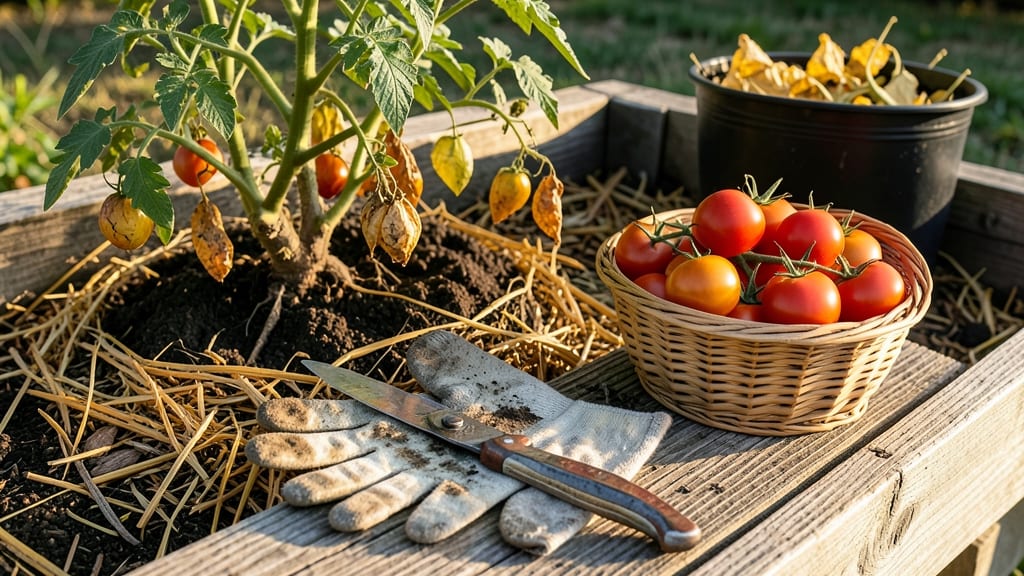
End-of-season tomatoes taste like sunshine concentrated in every bite. 🌞 The moment frost threatens, I rush to harvest what’s left—whether green, ripe, or overripe—because even imperfect fruit transforms into something magical when cooked down slowly. The secret isn’t fancy equipment; it’s timing and technique.
Green tomatoes need a week or two to ripen indoors, while overripe ones become sweetest when simmered into sauces or salsas. I’ve turned blighted fruit into jam so flavorful, neighbors ask for jars every year.
By the end of the season, you’ll have jars of sauce, bags of frozen slices, and dried tomatoes that keep until next summer. The garden beds get a final cleanup too—removing spent plants and adding compost to prep for spring.
No waste, no regrets, just flavor preserved until the next harvest. Here’s how to make the most of your last tomatoes before winter sets in.
📚 In This Guide
- What you need
- Instructions
- Tips and common mistakes
- Wrapping up and next steps
What you need
- ● 4–6 lbs ripe (but slightly firm) tomatoes – Choose heirloom, Roma, or beefsteak varieties for the best texture and flavor. Look for sun-ripened tomatoes with a deep red or golden hue.
- ● 1 large yellow onion (about 1 lb), diced
- ● 4–5 garlic cloves, minced (or 1 tsp garlic powder in a pinch)
- ● ¼ cup olive oil (extra virgin for best flavor)
- ● 1 tsp salt (adjust to taste)
- ● ½ tsp black pepper (freshly ground if possible)
- ● 1 tsp dried herbs (basil, oregano, or thyme)
- ○ 1 bay leaf (optional but adds depth)
- ● Large, heavy-bottomed pot (Dutch oven or stockpot, 6–8 quarts)
- ● Sharp chef’s knife + cutting board (for dicing tomatoes and onions)
- ● Wooden spoon or spatula (for stirring)
- ○ Fine-mesh strainer or cheesecloth (optional, for straining seeds if desired)
- ● Measuring spoons/cups (for precise seasoning)
- ● Tongs or slotted spoon (for removing bay leaves)
- ● Ladle (for serving)
- ● 1 tbsp balsamic vinegar (adds tangy sweetness)
- ● 1 tsp smoked paprika (for a subtle smoky depth)
- ● Fresh basil or thyme sprigs (add at the end for aroma)
- ● Pasta or crusty bread (to soak up every last drop!)
- ● Slow cooker or Instant Pot (for hands-off cooking)
Step-by-step guide to maximizing end-of-season tomato flavor
Here's how I transform late-season tomatoes into the sweetest, most concentrated flavors before frost.
🍅 Step 1: Harvest at Peak Ripeness
Wait until tomatoes are fully colored and slightly soft to the touch—this ensures maximum sugar development. I always harvest in the morning when temperatures are cooler, which preserves their quality. Cut stems with pruning shears to avoid damaging the plant, leaving a small portion attached to prevent disease entry.
Don't rush—even slightly underripe tomatoes will develop better flavor when cooked down slowly. For heirlooms, I let them ripen indoors in a single layer on a tray, away from direct sunlight. You'll know they're ready when the color deepens and they yield just slightly to gentle pressure.
⏰ Step 2: Prep for Cooking Down
Wash tomatoes thoroughly and remove stems and any bruised areas. I like to cut them into 1-inch chunks for even cooking. The key here is surface area—smaller pieces release their juices faster and concentrate their sweetness more effectively.
Spread the tomato pieces on a baking sheet in a single layer. Place in a 250°F oven for 30 minutes to soften slightly. This step prevents a messy pot later and helps break down the skins naturally. You'll see the edges start to blister and the flesh soften noticeably.
🔥 Step 3: Slow Cook Until Thickened
Transfer the pre-roasted tomatoes to a heavy-bottomed pot with 1/4 cup of apple cider vinegar (this preserves color and brightens flavor) and 1 tablespoon of salt. Bring to a simmer over medium-low heat, then reduce to the lowest setting possible—you want just a gentle bubble.
Stir occasionally and skim off any foam that rises to the surface. This process can take 2-3 hours, but patience pays off. You'll know it's ready when the mixture reduces to a thick, syrupy consistency that coats the back of a spoon. The aroma will be intense and sweet—like summer in a jar.
🌿 Step 4: Strain and Store Properly
Line a fine-mesh strainer with cheesecloth and pour the cooked tomatoes through. Press gently on the solids to extract every last drop of flavor. The result should be a deep red, jam-like concentrate. I transfer this to sterilized jars, leaving 1/2-inch headspace at the top.
Process the jars in a water bath for 15 minutes to ensure shelf stability. For immediate use, store in the refrigerator where it'll keep for up to 3 months. The flavor only intensifies over time—this is where the magic happens. You'll notice a caramelized depth that's impossible with fresh tomatoes.
Tips & tricks for perfect end-of-season tomato concentrate
Here's what I've learned to turn ordinary late-season tomatoes into something extraordinary.
The Ripeness Factor: Don't be fooled by color alone—press gently on the tomato. It should yield slightly but not be mushy. I've found that tomatoes harvested in the morning have more concentrated flavors because the cooler temperatures preserve their natural sugars. For heirlooms, ripening them indoors on a tray away from direct sunlight brings out their sweetness before cooking.
Pre-Roasting Secret: That 30-minute pre-roast at 250°F isn't just about softening—it's about breaking down the skins naturally. You'll notice the edges blister slightly, which helps release more juice during the cooking process. I like to spread them in a single layer so they don't steam and lose that caramelized flavor we're working toward.
Slow Cooking Strategy: The 2-3 hours of slow simmering at medium-low heat is where the magic happens. I use a heavy-bottomed pot to prevent scorching and stir occasionally to distribute heat evenly. Skimming off foam prevents bitterness from developing. The key is patience—when it reaches that syrupy consistency that coats the back of a spoon, you've got perfect tomato concentrate.
Straining Technique: For the smoothest texture, line your strainer with cheesecloth and press gently on the solids. I've learned that pressing releases those last precious drops of flavor. The result should be a deep red jam-like consistency that's perfect for sauces, soups, or even as a topping for grilled meats.
Pro Tips for End Of Season Tomatoes
- Here's what I've learned to turn ordinary late-season tomatoes into something extraordinary.
- The Ripeness Factor: Don't be fooled by color alone—press gently on the tomato.
- Pre-Roasting Secret: That 30-minute pre-roast at 250°F isn't just about softening—it's about breaking down the skins naturally.
Frequently asked questions
What exactly are "end of season" tomatoes?
These are tomatoes harvested late in the growing season when vines are stressed by cooler temps or shorter days. The flavors concentrate—sweeter, richer, and more complex—especially when cooked slowly. Think of them as nature’s way of packing extra flavor before winter!
When is the best time to harvest end-of-season tomatoes?
Harvest when tomatoes are fully colored but still firm (they’ll soften after picking). In cooler climates, this might be September or October. Watch for frost warnings—pick before temps drop below 50°F (10°C) to preserve flavor. Pro tip: Morning harvests yield juicier fruit!
Can I still use tomatoes that are overripe or slightly soft?
Overripe tomatoes are perfect for sauces, soups, or roasting—they’ll break down beautifully. For firmness, peel and core them first. If mold appears, cut it out (and discard the rest). Fun fact: Blotchy skin often means sweeter flesh!
What’s the best way to store end-of-season tomatoes?
Store at room temp (not the fridge!) for up to a week. For longer storage, ferment them into salsa or sauce, or freeze peeled/cored halves in a single layer before bagging. Warning: Cold temps destroy their delicate flavors—keep them out of the crisper drawer!
What if my tomatoes don’t taste as sweet as expected?
Flavor depends on variety, soil, and weather. Try cooking them down to concentrate sugars (e.g., slow-roasted with olive oil and garlic). If they’re bland, check for overwatering or nitrogen-heavy fertilizer—balance is key! Try this: Pair with basil or a splash of balsamic for extra depth.
Wrapping up and next steps
End-of-season tomatoes may seem like a challenge, but with slow cooking, they transform into rich, sweet, and deeply flavorful dishes that rival peak-season produce.
Whether you’re simmering them into sauces, roasting them for pasta, or blending them into soups, the key is patience—letting their natural sugars caramelize for that unmatched depth of taste. 🍅✨
So don’t let the last tomatoes of the season go to waste! Grab your slow cooker or stove, follow the tips you’ve learned, and turn them into something extraordinary. Next up? Experiment with a small batch—you might just discover your new favorite way to savor them!