
Vegetables
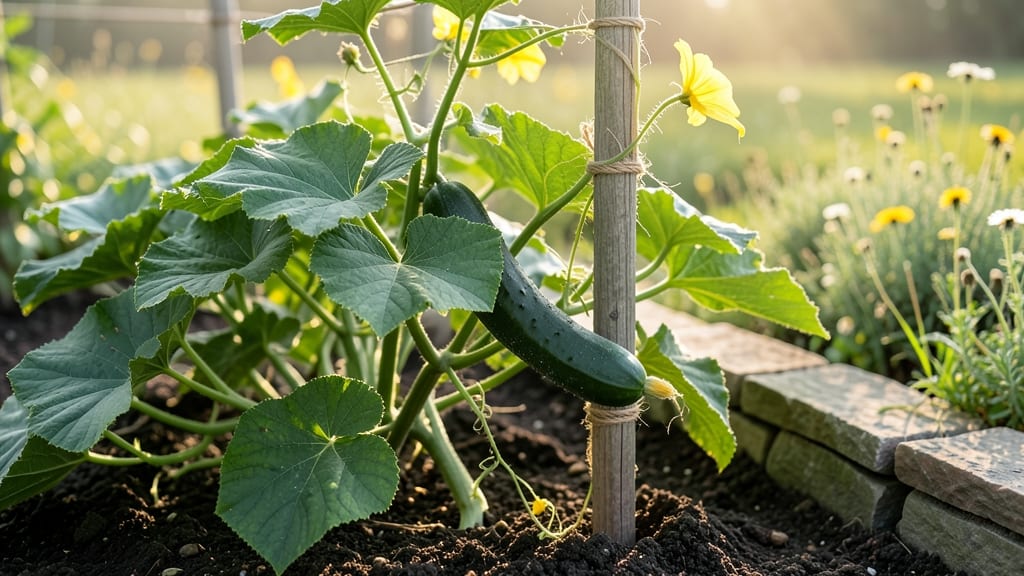
Growing English cucumbers seedless transforms your balcony into a productive oasis. 🌱 These crisp, sweet varieties thrive in containers, producing 10-15 fruits per plant—far more than you'd expect from their compact size. The secret lies in proper spacing, consistent watering, and a few pruning tricks that encourage bushier growth.
Start with well-draining potting mix and a 5-gallon container per plant. English cucumbers need 6-8 hours of sunlight daily, so south-facing windows or grow lights work best. Keep soil consistently moist (not soggy) and fertilize lightly every 2 weeks with balanced organic fertilizer. The key to seedless success?
Hand-pollinate flowers with a small brush if bees are scarce. By mid-summer, you'll harvest tender, 6-8 inch fruits every 3-4 days. The plants stay productive for 6-8 weeks with proper care, and the flavor rivals store-bought varieties—without the seeds.
Even in small spaces, you'll get a harvest that puts traditional cucumbers to shame. For cooler climates, extend the season with row covers or grow them indoors under lights. Troubleshoot poor fruit set by ensuring proper pollination and consistent warmth (above 60°F).
With these techniques, you'll enjoy homegrown cucumbers that taste like summer, no matter your space constraints.
📚 In This Guide
- What you need
- Instructions
- Tips and common mistakes
- Wrapping up and next steps
What you need
- ● Seedless English cucumber seeds: 2–3 seeds per container (choose varieties like 'Burpless Tasty Green' or 'Socrates').
- ● Containers: 5-gallon pots or fabric grow bags (at least 12" deep) for each plant.
- ● Potting mix: Well-draining, organic mix (e.g., 60% coco coir, 30% perlite, 10% compost). Quantity: 1 cubic yard for 10+ plants.
- ● Trellis or cage: 4–6 ft tall (bamboo stakes or A-frame trellises work great).
- ● Fertilizer: Balanced liquid fertilizer (10-10-10) or organic options like fish emulsion.
- ● Watering can or hose: With a gentle spray nozzle for hydration.
- ● Pruning shears (for trimming vines).
- ● pH test kit (ideal range: 6.0–6.8).
- ● Row covers (to protect from pests).
- ● Grow lights (if indoors, 12–14 hours/day).
- ● Sunny spot (6+ hours of direct light daily).
- ● Warm soil (60°F+ for germination).
- ● Patience! Seedless cucumbers take 50–70 days to harvest.
Step-by-Step instructions for growing seedless English cucumbers in containers
Here’s how to coax those crisp, seedless cucumbers into your small space without compromise.
🌱 Step 1: Select the Right Containers and Prepare Soil
Choose large containers—at least 12 inches deep and 18 inches wide—to accommodate sprawling vines. I use fabric grow bags because they allow roots to breathe and prevent soil compaction. Fill each with high-quality potting mix (never garden soil—it compacts and invites disease). Mix in 2-3 inches of compost to boost fertility and improve drainage.
Moisten the mix until it’s damp but not soggy—think of a wrung-out sponge. Press it down lightly so the surface is firm but not packed. Seedless English cucumbers need rich, well-draining soil to thrive, and this ensures their roots won’t suffocate. If your mix feels too dense, add 1 part perlite to 3 parts soil to loosen it up.
🌿 Step 2: Plant and Support the Vines
Sow 2-3 seeds per container (they germinate quickly, so you’ll thin later) about 1 inch deep. Space them 6 inches apart to give each plant room to grow. Once seedlings emerge, keep only the strongest one—this prevents competition and ensures a single, vigorous plant. I use a small hand trowel to carefully remove extras, leaving the healthiest stem standing.
Install a trellis or sturdy cage immediately after planting. Seedless English cucumbers are heavy producers, and without support, vines will sprawl everywhere. I like 5-foot tall bamboo trellises because they’re sturdy and blend into the garden. Train the main vine along the trellis as it grows—this encourages upward growth and keeps fruit off the ground, where rot lurks.
☀️ Step 3: Provide Light, Water, and Heat
Place your containers in a spot that gets full sun (6-8 hours daily)—seedless English cucumbers are sun-hungry and won’t produce well in shade. If you’re growing in partial shade, expect smaller fruit and lower yields. I supplement with a grow light for 14-16 hours a day in early spring or late summer when sunlight is scarce.
Water deeply 2-3 times per week, ensuring the top 2 inches of soil stay consistently moist but not waterlogged. Seedless varieties are sensitive to drought, so I check moisture by sticking my finger into the soil—if it’s dry past my first knuckle, it’s time to water. Mulch with 2 inches of straw to retain moisture and keep roots cool. Avoid wetting the leaves when watering—this reduces the risk of powdery mildew, a common enemy of cucumbers.
✂️ Step 4: Prune and Harvest for Maximum Yield
Once the main vine reaches the top of the trellis, pinch off the tip to encourage bushier growth. This redirects energy into producing more flowers and fruit instead of climbing higher. I also remove any yellow or diseased leaves as soon as I spot them—this keeps air circulating and prevents rot from spreading.
Harvest every 2-3 days when cucumbers reach 6-8 inches long—they grow fast, and waiting too long makes them bitter. Use sharp pruning shears to cut the fruit cleanly from the vine, leaving a small stem attached. Regular harvesting stimulates more production, so don’t skip this step. Store harvested cucumbers in the fridge for up to 5 days to keep them crisp.
🌿 Step 5: Extend the Season with Care
To keep producing through summer’s heat, shade cloth becomes your best friend. When temperatures rise above 90°F, drape 30% shade cloth over the plants for 2-4 hours in the afternoon. This prevents sunscald and keeps fruit from turning bitter. I also reduce watering slightly in extreme heat—soaked soil can lead to root rot when temps spike.
If frost threatens in fall, bring containers indoors to a sunny spot like a garage or porch. Seedless English cucumbers can tolerate light frosts if protected, but a hard freeze will kill them. Harvest any remaining fruit before the first frost, and compost the vines—unless you’re saving seeds (though seedless varieties require hand-pollination for fruit set).
Tips & tricks for growing seedless English cucumbers in containers
These insider tricks will help you maximize yield and avoid common pitfalls with your container-grown cucumbers.
Soil Preparation: The secret to thriving seedless English cucumbers lies in that initial soil mix. After adding your 2-3 inches of compost, I recommend incorporating a handful of worm castings into each container. These provide a gentle, nutrient-rich boost that supports root development. The key is to avoid over-amending—too much compost can create soggy soil that suffocates roots. Think of it as a balanced diet for your plants, not a feast.
Thinning Strategy: When those first seedlings emerge in Step 2, resist the urge to thin too aggressively. Wait until you can clearly see the strongest stem—usually when they're about 2 inches tall. The strongest plant will have a thicker stem and more vibrant leaves. I use my thumb to gently pinch the weaker stems at soil level, leaving the healthiest one standing. This minimizes stress on the remaining plant and gives it room to grow.
Light Optimization: While the instructions call for 6-8 hours of direct sunlight, I've found that positioning containers near a south-facing window can actually provide more consistent light than outdoor spots. If you're supplementing with grow lights, place them just 6 inches above the plants during the 14-16 hour daily period. Too high, and the light becomes ineffective; too low, and you risk burning the leaves. I set a timer to automatically turn lights on at 6am and off at 8pm for consistency.
Harvest Timing: The 2-3 day harvest window is crucial for maintaining quality. I've learned to watch for subtle color changes—when cucumbers develop a slight yellow tint at the end, that's your cue to harvest. Waiting until they reach 8 inches can make them seedy and bitter, even in seedless varieties. Use your pruning shears to make clean cuts, leaving about 1/4 inch of stem attached. This prevents damage to the vine and encourages more fruit production.
Pro Tips for English Cucumber Seedless
- These insider tricks will help you maximize yield and avoid common pitfalls with your container-grown cucumbers.
- Soil Preparation: The secret to thriving seedless English cucumbers lies in that initial soil mix. After adding your ...
- Thinning Strategy: When those first seedlings emerge in Step 2, resist the urge to thin too aggressively. Wait until ...
Frequently asked questions
What’s the best time to plant English cucumber seeds?
Plant seedless English cucumber seeds after the last frost when soil temps hit at least 60°F (15°C). For small spaces, start indoors 3–4 weeks before transplanting (mid-to-late spring in most zones). If growing in containers, ensure they’re at least 12–18 inches deep and placed in full sun (6+ hours/day).
Can I grow seedless English cucumbers vertically?
These cucumbers are perfect for vertical gardening—use trellises, cages, or stakes to save space. Train vines to climb early to prevent sprawling and improve airflow (reducing pests). Just ensure your support structure is sturdy—English cucumbers can grow 6+ feet long!
How long does it take for seedless English cucumbers to mature?
From seed to harvest, expect 50–65 days for most varieties. If transplanting seedlings, reduce this to 45–55 days. Check for dark green, firm cucumbers (6–8 inches long)—pick them frequently to encourage more production!
Why aren’t my seedless cucumbers growing? Troubleshooting tips.
No flowers?
Check for adequate sunlight (6+ hours/day) and warm soil (70°F+). Hand-pollinate if needed (use a small brush to transfer pollen).
Yellow leaves?
Overwatering or poor drainage? Let soil dry slightly between waterings. Seedless varieties need consistent moisture but not soggy roots.
Bitter taste?
Cucumbers left too long on the vine develop bitterness. Harvest young and often (every 2–3 days).
What’s a good alternative if I can’t grow English cucumbers?
Try these space-saving, seedless-friendly alternatives:
- Bush Champion (compact, high-yielding)
- Suyo Long (miniature, great for containers)
- Diva (parthenocarpic—no pollination needed!)
Wrapping up and next steps
Growing English cucumber seedless varieties is a game-changer for small spaces—packing bold flavor and productivity into limited real estate! 🌱 Whether you’re a balcony gardener or a container enthusiast, these tips and recipes prove that big harvests start with smart planning and a little creativity.
Your garden (and taste buds!) will thank you.
Ready to dive in? Start small:
- Pick a seedless variety that fits your space.
- Grab your trellis, soil, and seeds—you’ve got this!
- Try the vertical slice recipe or share your harvest with friends.