
Vegetables
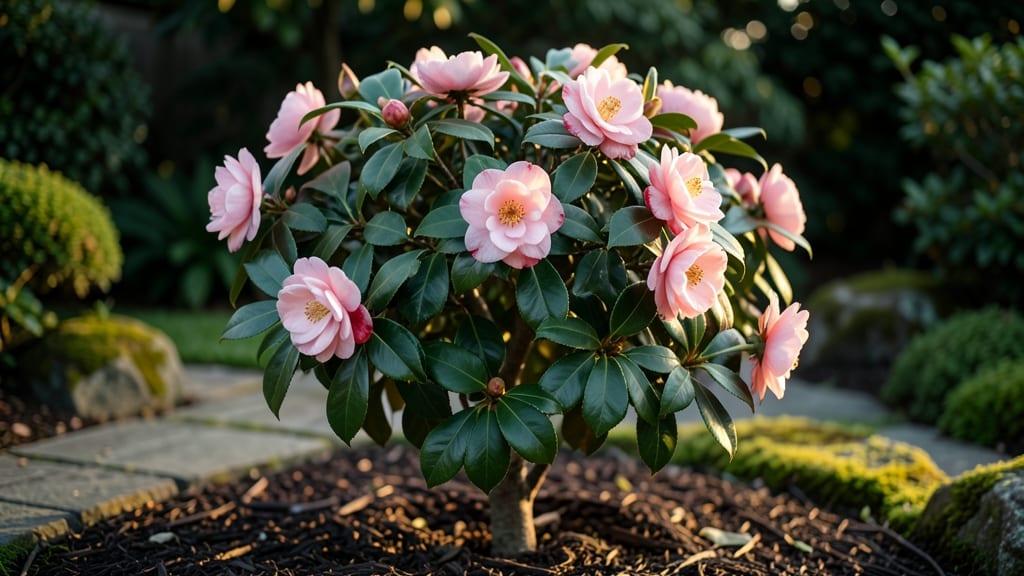
Filoli Gardens’ historic landscape designs prove beauty and history can grow together in your own yard. 🌿 The Bay Area’s iconic estate blends formal gardens with native plantings, creating a timeless aesthetic that feels both grand and welcoming.
Their layered plantings—from towering camellias to delicate ferns—show how structure and softness can coexist in any garden.
The secret lies in thematic cohesion: pathways frame views, water features add movement, and seasonal displays keep interest alive year-round. Filoli’s designers used climate-smart plant choices—drought-tolerant natives mixed with classic ornamentals—to create a garden that thrives despite the Bay Area’s microclimates.
You can adapt these principles to any space, whether you’re working with a small urban plot or a sprawling backyard.
Start with a focal point—perhaps a stone bench, a sculptural tree, or a simple fountain—then build around it with plants that offer texture, color, and height. Their use of lavender hedges, olive trees, and manzanita proves that historic charm doesn’t require high-maintenance plants.
Even in small yards, you can create that same sense of intentional beauty by repeating shapes, colors, and materials.
For Bay Area gardeners, the takeaway is clear: history and practicality can grow side by side. Filoli’s designs remind us that a garden is more than plants—it’s a story told through light, space, and the careful selection of what to include (and what to leave out).
Visit for inspiration, then bring a piece of its elegance home.
📚 In This Guide
- What you need
- Instructions
- Tips and common mistakes
- Wrapping up and next steps
What you need
- ● Perennials & Shrubs: 10-15 Hydrangea macrophylla (Oakleaf or Endless Summer varieties)
- ● 8-10 Rhododendron or Azalea (Bay Area-friendly species like Rhododendron 'PJM')
- ● 6-8 Boxwood (Buxus sempervirens) or Ilex (Holly) for structured hedges
- ● 5-7 Lavender (Lavandula) or Rosemary for fragrant accents
- ● Ornamental Grasses: 3-5 Fountain Grass (Pennisetum) or Feather Reed Grass (Calamagrostis)
- ● Seasonal Flowers: 20-30 Peony or Daylily bulbs for spring blooms
- ● 15-20 Dahlias or Roses for summer color
- ● 10-12 Chrysanthemum or Goldenrod for autumn interest
- ● Mulch: 2-3 bags of wood chip mulch (for moisture retention and weed suppression)
- ○ Gravel or Stone: 10-15 bags of decorative river rock or flagstone for pathways (optional but classic for Filoli-style gardens)
- ● Essential: Garden trowel (for planting)
- ● Pruners (bypass or anvil type)
- ● Garden fork (for amending soil)
- ● Wheelbarrow (for transporting materials)
- ● Hose with adjustable nozzle (for watering)
- ○ Optional (but helpful): Soil pH tester (Bay Area soil can be acidic—aim for 5.5-6.5 for rhododendrons)
- ● Edging tool (for crisp, Filoli-style garden beds)
- ● Knee pads (for comfort during planting)
- ● String & stakes (for marking out garden layouts)
- ● ✅ Site Assessment: Test sunlight exposure (Filoli gardens thrive in partial shade to full sun)
- ● ✅ Soil Prep: Amend clay-heavy Bay Area soil with compost or peat moss for better drainage
- ● ✅ Permits (if applicable): Check local Bay Area regulations for landscaping permits if altering yard drainage or structures
- ● ✅ Water Access: Ensure a reliable water source for new plantings (drip irrigation is ideal)
Instructions for recreating Filoli gardens' historic landscape aesthetics in your yard
Transform your Bay Area yard into a historic garden inspired by Filoli's iconic designs—here's how to bring those timeless elements to life.
🌿 Step 1: Establish the Foundation with Classic Planting Layouts
Filoli's gardens rely on structured planting beds with clear geometric shapes—think rectangular parterres and symmetrical borders. Start by marking your space with 12-inch wide gravel paths separating beds, just as the historic estate does. Use a string line and stakes to create perfectly straight edges, then fill the paths with crushed granite for durability and a refined look.
For the beds themselves, maintain a 3-foot width for formal borders, with plants arranged in staggered rows. This creates that signature layered effect seen in Filoli's roses and perennials. I like to sketch my design first—Filoli's gardens often feature central focal points like topiaries or urns, so plan your composition around one dominant feature.
☀️ Step 2: Select Historic Plant Varieties for Authentic Beauty
Filoli's gardens feature 19th-century cultivars that thrive in our Bay Area climate. For roses, opt for David Austin English roses like 'Gertrude Jekyll' or 'Munstead Wood'—these heirloom varieties produce abundant blooms with old-fashioned fragrance. Pair them with lavender and rosemary for that signature Mediterranean influence.
For structure, incorporate ornamental grasses like Pennisetum or Fountain Grass, which add movement and texture. Filoli's borders often include hydrangeas and peony for seasonal color impact. I recommend visiting local specialty nurseries—they often carry historic varieties that may be harder to find at big-box stores.
✂️ Step 3: Implement Formal Pruning and Maintenance Techniques
Filoli's gardens maintain their refined look through structured pruning performed at specific times. Roses should be pruned in late winter to encourage strong new growth, while hydrangeas benefit from summer pruning to shape their blooms. Use sharp bypass pruners to make clean cuts just above outward-facing buds.
For topiaries, which are a hallmark of historic gardens, start with boxwood or yew plants. Train them using wire cages for support, then use hedge shears to create geometric shapes. The key is consistency—Filoli's topiaries are meticulously maintained, so schedule regular trimming every 4-6 weeks during the growing season.
🪴 Step 4: Incorporate Historic Hardscape Elements
No Filoli-inspired garden is complete without classic hardscape features. Install wrought-iron benches or stone seats along pathways to create inviting resting spots. For focal points, place terracotta urns or bronze statues at strategic intervals—these elements were staples in Victorian-era gardens.
Add architectural interest with arborvitae hedges trained into formal shapes. These evergreens provide year-round structure and frame views beautifully. I recommend using 1-inch thick landscape fabric beneath pathways to suppress weeds—Filoli's gardens maintain their pristine appearance through meticulous weed control.
💧 Step 5: Establish a Sustainable Watering System
Filoli's gardens thrive on drip irrigation systems that deliver water directly to plant roots. Install ¼-inch poly tubing along bed edges with emitters spaced 12 inches apart. This method conserves water while keeping foliage dry, reducing disease risk—a critical consideration in our humid Bay Area summers.
Program your irrigation controller for early morning watering to minimize evaporation. Historic gardens like Filoli's often feature ornamental fountains or ponds—if you include water features, use recirculating systems to conserve water. Mulch beds with 2-3 inches of wood chips to retain moisture and suppress weeds, just as the estate's gardens do.
Tips & tricks for perfect Filoli-inspired garden designs
Transforming your yard into a historic garden requires precision—here's how to elevate your Filoli-inspired design with professional techniques that make all the difference.
Precision in Layout: When marking your 12-inch wide gravel paths (Step 1), use a laser level instead of just a string line for perfectly straight edges. I learned this the hard way after spending hours correcting uneven paths. For larger gardens, consider using batter boards to maintain consistent elevation—Filoli's paths have subtle slopes for drainage. The 3-foot width for formal borders isn't just aesthetic; it creates the ideal balance between plant mass and walkway accessibility.
Plant Selection Strategy: For authentic historic beauty, source your David Austin English roses and peony from nurseries specializing in heirloom varieties (Step 2). These plants often require 2-3 years to reach their full potential, so start with established specimens if you want immediate impact. Pair your lavender and rosemary in groups of 3-5 plants for that signature Mediterranean effect—odd numbers create more natural-looking clusters. Pro tip: Plant hydrangeas near patio areas where their dramatic blooms will be most appreciated.
Maintenance Consistency: The 4-6 week topiary trimming schedule (Step 3) is non-negotiable for that polished look. Use a topiary shears guide to maintain uniform shapes—Filoli's topiaries often feature spherical, conical, and pyramidal forms. For roses, prune in late winter when the plant is still dormant, making cuts at a 45-degree angle just above an outward-facing bud. This technique encourages stronger growth and more abundant blooms. I recommend scheduling your pruning sessions during overcast days to reduce stress on newly cut plants.
Hardscape Integration: When placing wrought-iron benches or terracotta urns (Step 4), follow the rule of thirds for visual balance. Position focal points at one-third intervals along pathways rather than clustering them all in one area. For pathways, use crushed granite with ½-inch particle size—it provides better drainage than larger gravel while maintaining that refined appearance. The 1-inch thick landscape fabric should extend 6 inches beyond your pathway edges to effectively suppress weeds without smothering plant roots.
Pro Tips for Filoli Gardens Bay Area
- Transforming your yard into a historic garden requires precision—here's how to elevate your Filoli-inspired design with professional techniques that make all the difference.
- Precision in Layout: When marking your 12-inch wide gravel paths (Step 1), use a laser level instead of just a string line for perfectly straight edges.
- Plant Selection Strategy: For authentic historic beauty, source your David Austin English roses and peony from nurseries specializing in heirloom varieties (Step 2).
Frequently asked questions
Planning a historic-inspired garden like Filoli’s in the Bay Area? Here are answers to common questions to help you get started—whether you're a beginner or a seasoned gardener!
What are the best plants to mimic Filoli’s historic garden style?
Filoli’s gardens feature classic Aristolochia californica (California pipevine), Ceanothus (California lilac), and Quercus agrifolia (coast live oak). For a Bay Area-friendly look, pair these with native perennials like Eschscholzia californica (California poppy) and Lupinus (lupine). Local nurseries can help source these!
When is the best time to plant a historic-style garden?
For the Bay Area’s mild climate, fall (September–November) is ideal—cooler temps reduce stress on plants, and winter rains help roots establish. Spring (February–April) also works for perennials and shrubs. Avoid summer heat, which can shock newly planted specimens.
How much does it cost to recreate a Filoli-inspired garden?
Costs vary widely! A small, low-maintenance native garden may start at $500–$2,000 (plants + soil prep), while a full historic-style redesign with hardscaping (paths, fountains) can exceed $10,000+. Prioritize native plants to save on water and upkeep.
Are there alternatives to Filoli’s formal garden style for smaller yards?
Opt for a cottage garden (mixed heights, wildflowers) or a modern native design with clean lines. Use containers for climbing vines (Clematis) or shrubs (Rhododendron) to save space. Vertical gardens also maximize impact!
How do I keep pests away from my historic-style garden?
Filoli’s gardens thrive with natural pest control—introduce ladybugs (for aphids) and predatory wasps (for caterpillars). Use neem oil or soapy water sprays for mild infestations. Avoid chemicals; they harm pollinators like bees, which Filoli’s gardens rely on!
Wrapping up and next steps
Filoli Gardens in the Bay Area isn’t just a historic treasure—it’s a living classroom for transforming your own outdoor space into a lush, intentional retreat.
From heirloom roses to sustainable vegetable plots, its timeless designs prove that beauty and function can grow side by side. Let these ideas inspire you to start small: sketch a corner of your yard, research native plants, or even visit Filoli for a firsthand dose of inspiration! 🌿
Ready to dig in? Grab your gardening gloves and turn your vision into reality—one season at a time.