
Vegetables
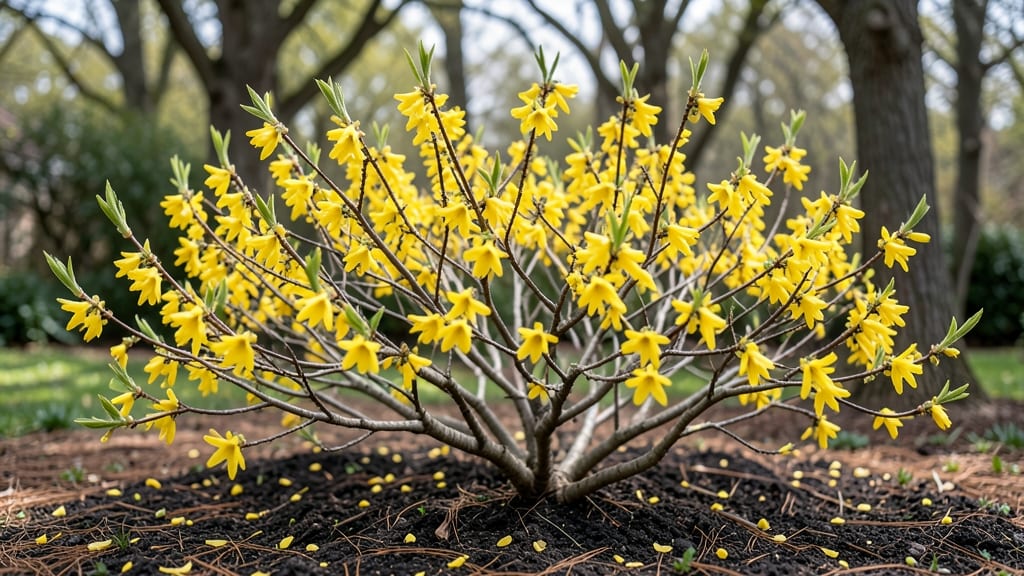
Forsythia shrubs throw a burst of sunshine through winter's grayest days—that golden glow proves even the toughest winters can't stop them. 🌟 I've watched mine stand tall through snow and ice, their bare branches waiting patiently for spring's cue.
The secret isn't just their hardiness; it's knowing how to prep them for the cold so they explode with blooms come March.
Winter care starts with pruning after blooms fade—never in fall, or you'll lose next year's flowers. A thick layer of mulch (3-4 inches) around the base insulates roots from freeze-thaw cycles, while wrapping young stems in burlap protects tender bark from cracking winds.
My oldest forsythia, planted 15 years ago, still thrives because I've never skipped this step.
You'll know winter's been kind when new buds form along last year's growth by late winter. Look for plump, green buds—these mean healthy wood ready to burst into color.
If you spot brown, mushy stems, that's winter burn, but don't worry: prune it out in spring and the plant will bounce back stronger.
This shrub's winter resilience makes it the perfect low-maintenance star for sunny borders. Whether you're in zone 5 or 8, the same care rules apply—just adjust mulch thickness for your climate. By spring, your forsythia will reward you with weeks of cheerful blooms before most gardens even think about color.
📚 In This Guide
- What you need
- Instructions
- Tips and common mistakes
- Wrapping up and next steps
What you need
- ● Pruning shears – Sharp, clean, and disinfected (70% isopropyl alcohol works great).
- ● Garden gloves – Heavy-duty to protect your hands from thorns and cold.
- ● Mulch (2-3 inches) – Use organic mulch like shredded bark or straw to insulate roots.
- ● Watering can or hose – For deep watering (avoid freezing temps!).
- ● Fertilizer (balanced, 10-10-10 or slow-release) – A handful per plant in early spring.
- ● Loppers – For thicker branches (if your forsythia is mature).
- ● Garden fork – To gently aerate soil around the base if compacted.
- ● Burlap or frost cloth – Lightweight cover for young or tender plants in harsh freezes.
- ● Plant food with iron – Helps prevent yellowing leaves if soil is deficient.
- ● Stakes or supports – If your forsythia is leggy, light stakes can help shape it.
How to care for forsythia during winter’s chill
Winter’s stark branches don’t have to mean dull days—forsythia’s golden promise waits just beneath the frost.
🌿 Step 1: Prune for Next Year’s Blooms
Prune forsythia immediately after flowering—never in late winter or early spring. This shrub blooms on old wood, so cutting back now removes next year’s flower buds. Use clean, sharp pruners to cut just above a bud or branch junction, making cuts at a 45-degree angle to prevent water pooling.
Remove any dead, crossing, or weak branches first. Then thin out the center to improve airflow and sunlight penetration. You’ll see a more open, bushier shape that lets light reach all branches. I like to shape mine into a loose vase form—this encourages blooms along the entire length of the stems.
☀️ Step 2: Protect Tender New Growth
Forsythia is hardy to USDA Zone 5, but late-winter thaws followed by hard freezes can damage tender new growth. If your forsythia is in Zone 6 or colder, wrap the base with burlap or frost cloth once temperatures dip below 20°F for extended periods. Secure it loosely—too tight, and you’ll restrict airflow.
Watch for ice encasement on branches after heavy snow or freezing rain. Gently tap branches to dislodge ice buildup—never break it off, as this can snap brittle wood. A light dusting of mulch around the base (2-3 inches deep) helps insulate roots from extreme cold snaps.
⏰ Step 3: Monitor for Winter Stress Signs
Healthy forsythia stays dormant but alive through winter. Look for brown, mushy stems or peeling bark—signs of winter burn or sunscald. These issues often appear on the south or west-facing sides of the shrub, where afternoon sun hits after a cold night. If you spot this, apply a light layer of white latex paint to the exposed side to reflect sunlight.
Check for animal damage too—deer and rabbits sometimes nibble on forsythia’s bark in winter. Wrap the lower trunk with wire mesh or tree guards if you’ve had issues. A quick once-over every 2-3 weeks during thaws catches problems before they worsen.
💧 Step 4: Adjust Watering for Dormancy
Forsythia needs far less water in winter—only water if the ground is bone-dry during an extended thaw. Overwatering now encourages root rot. Stick your finger 2 inches into the soil; if it feels dry, give a deep watering. If it’s still damp, wait.
Snow acts as natural insulation and moisture, so don’t shovel it away unless it’s heavy and compacted (which can smother branches). A light layer of snow actually helps regulate soil temperature. I only remove snow if it’s over 6 inches deep and threatening to break branches.
✂️ Step 5: Plan for Early Spring Prep
Start scouting for aphids or scale insects in late winter—they often hide under buds waiting for warm weather. Spray dormant oil (if temps stay above 40°F) to smother overwintering pests. This is also the time to test soil pH if your forsythia looks lackluster—ideal range is 6.0-7.0.
Mark your calendar for late February or early March to apply a balanced fertilizer (10-10-10) once new growth appears. A light feeding now jumpstarts the season. Forsythia blooms early, so don’t skip this step—it ensures vibrant color next year.
Tips & tricks for perfect forsythia care in winter
Here's what I've learned after years of keeping forsythia blooming through even the harshest winters.
Timing is Everything: The most critical time for pruning is right after flowering—never delay. I've seen gardeners wait until late winter and end up with no blooms the following spring. That's because forsythia blooms on old wood, and cutting back too late removes next year's flower buds before they form. Mark your calendar for right after those cheerful yellow flowers fade.
Cold Protection Hacks: When wrapping your forsythia for protection against temperatures below 20°F, use materials that breathe—like burlap or frost cloth. I've tried plastic wraps in the past, and they actually trap moisture, leading to rot. Loosen the wrap slightly if you notice condensation forming inside. And remember, the goal is insulation, not suffocation.
Snow Management: Don't be too quick to shovel snow off your forsythia branches. A light layer actually provides insulation and helps regulate soil temperature. Only remove snow if it's over 6 inches deep or heavily compacted. I use a broom to gently sweep snow off branches—never break ice buildup, as this can damage brittle winter wood. A gentle tap is all it takes to dislodge most accumulation.
Winter Stress Indicators: Pay special attention to the south and west sides of your forsythia during winter. These areas are most vulnerable to sunscald when daytime temperatures rise after cold nights. If you notice peeling bark or brown, mushy stems, apply a light layer of white latex paint to reflect sunlight. I've used this trick on my Zone 6 forsythia and seen dramatic improvement in spring.
Pro Tips for Forsythia In Winter
- Here's what I've learned after years of keeping forsythia blooming through even the harshest winters.
- Timing is Everything: The most critical time for pruning is right after flowering—never delay. I've seen gardeners wa...
- Cold Protection Hacks: When wrapping your forsythia for protection against temperatures below 20°F, use materials tha...
Frequently asked questions
Got questions about keeping your forsythia thriving—or just wondering how to make the most of its winter charm? Here are some of the most common queries, answered for you!
Does forsythia lose all its leaves in winter?
Yes! Forsythia is deciduous, meaning it sheds leaves in fall and remains dormant until spring. Don’t worry—this is normal! The bare branches are actually a great time to prune (just wait until late winter or early spring). The bright yellow blooms will return in early spring, often before most trees leaf out.
Can forsythia survive heavy frost or snow?
Forsythia is one of the hardiest shrubs, tolerating temperatures as low as -20°F (-29°C). Snow can even protect the roots from extreme cold. Just ensure it’s planted in well-draining soil and avoid overwatering before winter—wet soil can freeze and damage roots. Mulch lightly (2-3 inches) to insulate the base.
When is the best time to prune forsythia in winter?
The ideal time is late winter or early spring, just before new growth begins (usually February to March in most climates). Prune to shape the shrub, remove dead or crossing branches, and encourage thicker blooms. Avoid heavy pruning in fall—it can stimulate tender growth that won’t survive winter.
What if my forsythia isn’t blooming? Can I fix it?
Several factors can reduce blooms, but most are fixable! Over-fertilizing (especially with high nitrogen) can lead to leafy growth over flowers—use a balanced 10-10-10 fertilizer instead. Prune too late (after blooming) or too aggressively? That can also cut back next year’s flowers. Lastly, ensure it gets 6+ hours of sunlight—shady spots may result in fewer blooms.
Are there winter alternatives to forsythia for color?
If you love winter interest but want variety, consider these cold-hardy options:
- Winter Jasmine: Bright yellow blooms in late winter/early spring, evergreen foliage.
- Mahonia: Stunning yellow flowers in winter, followed by edible berries.
- Hellebores (Lenten Rose): Flowers in late winter/early spring, thrives in shade.
- Dwarf Lilac: Fragrant blooms in late winter, compact size for small gardens.
Wrapping up and next steps
Forsythia in winter isn’t just a splash of color—it’s a bold reminder that beauty thrives even in the coldest months. Whether you’re admiring its golden blooms or planning to grow your own, this hardy shrub proves that resilience and charm go hand in hand. 🌸❄️
Ready to bring more joy to your winter landscape? Start small: plant a single forsythia, prune with confidence, or simply snap a photo of its vibrant display to share with fellow plant lovers.
Every step you take—whether in your garden or on your balcony—helps turn dull winter days into moments of natural wonder.