
Vegetables
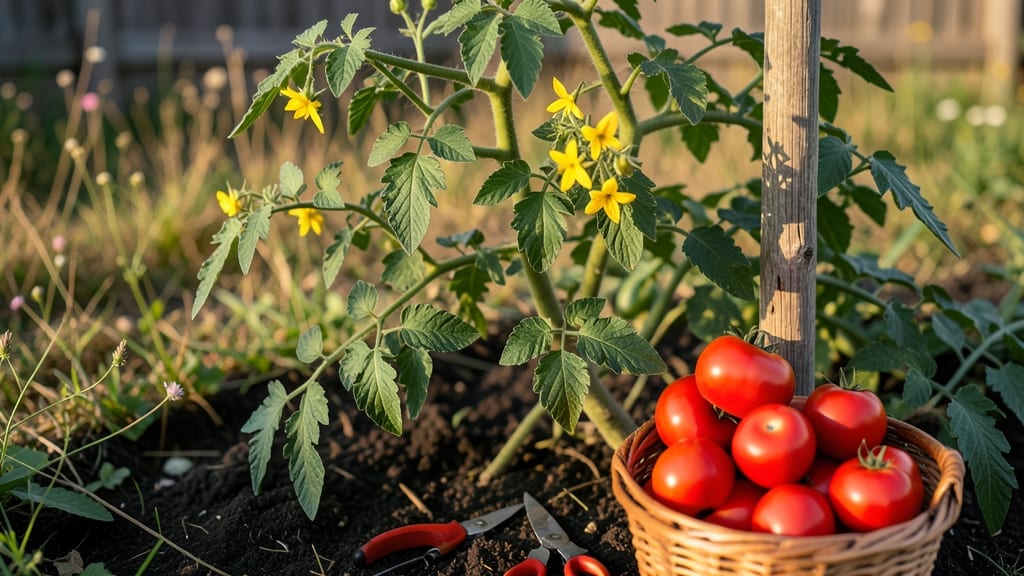
When you're craving Fourth of July Tomato flavor by Independence Day, timing is everything. 🌱 These vibrant, striped beauties ripen just in time for summer celebrations, but they need a head start—plant seeds 60-80 days before your last frost for a July harvest that rivals any grocery store tomato.
The secret to their success? A sunny spot with well-draining soil and consistent watering. I learned the hard way that drought stress turns their patriotic stripes into cracked, bland fruit. These medium-sized tomatoes are perfect for slicing, salads, or homemade salsa—just like their name promises.
You'll know they're ready when the red and white stripes deepen and the fruit gives slightly at the stem. One bite, and you'll understand why gardeners plant them every year. The flavor is sweet, juicy, and packed with summer nostalgia.
For hot climates, consider shade cloth to prevent sunscald, and watch for early signs of blight. With the right care, you'll have a harvest that's as reliable as it is delicious—just in time for your July cookouts.
📚 In This Guide
- What you need
- Instructions
- Tips and common mistakes
- Wrapping up and next steps
What you need
- ● 4 large ripe tomatoes (about 1.5 lbs / 700g), preferably red and juicy (like Roma or vine-ripened)
- ● 1 small white onion (about ½ cup / 75g, finely diced)
- ● 1 jalapeño or serrano pepper (seeds removed for mild heat, or keep them for spice lovers!)
- ● ½ cup fresh cilantro (packed, stems removed)
- ● ¼ cup red onion (thinly sliced for garnish)
- ● 2 tbsp lime juice (freshly squeezed for brightness!)
- ● 1 tbsp apple cider vinegar (for tangy depth)
- ● 1 tsp salt (or to taste)
- ○ ½ tsp ground cumin (optional but adds warmth)
- ● 1 cup fresh white corn kernels (or frozen, thawed—think patriotic colors!)
- ● Sharp chef’s knife and cutting board
- ● Mixing bowl (medium or large)
- ● Wooden spoon or spatula
- ● Measuring cups and spoons
- ○ Blender or food processor (optional, for chunky or smooth texture)
- ● Serving bowl or dish (preferably red/white striped for extra flair!)
- ● Crumbled feta or cotija cheese (for a creamy contrast)
- ● Diced avocado (adds richness)
- ● Toasted pumpkin seeds (for crunch)
- ● Fresh mint leaves (garnish for a fresh twist)
- ● Wooden skewers (for serving with grilled veggies or chips)
Step-by-Step instructions for growing patriotic tomatoes
Celebrate the season with a garden that pops—these red-and-white tomatoes are perfect for summer salsa.
🌱 Step 1: Select and Prepare Your Tomato Varieties
Choose a red heirloom (like 'Brandywine' or 'Cherry') and a white variety (such as 'White Queen' or 'White Beauty') for your patriotic display. These pair beautifully in salsa and add striking color to your garden. Plant them in full sun—at least 6-8 hours daily—where they’ll thrive through the summer heat.
Start seeds indoors 6-8 weeks before your last frost or buy sturdy transplants from a nursery. If starting from seed, use biodegradable pots (like peat or coconut fiber) to avoid disturbing roots when transplanting. The key is to give them a strong start before the real fun begins in the garden.
🪴 Step 2: Plant in Rich, Well-Draining Soil
Tomatoes love nutrient-rich soil with a pH between 6.0 and 6.8. Mix 2-3 inches of compost into the top 12 inches of soil before planting. If your soil drains poorly, add a 50/50 blend of potting mix and native soil to improve aeration. Amend the soil with aged manure or worm castings for extra fertility—this ensures your tomatoes have the energy to produce fruit all season.
Plant your red and white varieties 18-24 inches apart in rows spaced 3 feet apart. Bury the stem partway up the trunk (up to 1/3 of the plant’s height) to encourage deeper root growth. This simple trick helps stabilize the plant and prevents toppling later in the season. Water deeply right after planting to settle the soil around the roots.
☀️ Step 3: Support and Maintain for Maximum Yield
Install sturdy cages or stakes (at least 5-6 feet tall) when you plant to support the vines as they grow. Tomatoes can get top-heavy, so securing them early prevents broken stems. Prune suckers (the small shoots that form in the joint between the stem and branches) weekly to redirect energy to fruit production. You’ll know you’re doing it right when you see plump, colorful tomatoes forming instead of leafy vines.
Water at the base of the plant (not overhead) to prevent disease, and aim for 1-1.5 inches of water per week. Let the top inch of soil dry out between waterings—this encourages deep root growth and prevents blossom-end rot. Mulch with straw or shredded leaves to retain moisture and keep soil temperatures steady.
✂️ Step 4: Harvest at Peak Ripeness for Best Flavor
Harvest your red tomatoes when they’re fully colored and slightly soft to the touch. For white tomatoes, wait until they’re pale and firm—some varieties (like 'White Queen') turn a creamy yellow when ripe. Pick in the morning when the fruit is coolest to preserve flavor and texture. Use pruning shears or a sharp knife to avoid damaging the vine.
Store harvested tomatoes at room temperature (not in the fridge) until ready to use. For salsa, chop the red and white tomatoes separately before mixing—this keeps the colors vibrant and distinct. The contrast of the two varieties makes your Fourth of July dishes look as festive as they taste!
Tips & tricks for perfect patriotic tomatoes
A few simple tricks will help your red-and-white tomato garden shine brighter than a fireworks display.
Sunlight Strategy: The 6-8 hours of daily full sun in Step 1 is non-negotiable for vibrant colors. If your garden gets afternoon shade, position your plants to catch morning sun instead—it's more intense and helps prevent sunburn on the fruit. I've seen white varieties turn pale when they don't get enough direct sunlight, so don't skimp on this step!
Soil Secret: When amending your soil in Step 2, test the pH first if possible. Most garden centers offer cheap test kits, and tomatoes are particularly sensitive to pH levels outside 6.0-6.8. If your soil tests too acidic, add crushed limestone; if too alkaline, work in peat moss. This small step makes a huge difference in flavor and disease resistance.
Support System: Don't wait until your plants are toppling to install those 5-6 foot tall cages in Step 3. Set them up at planting time and gently weave the stems through as they grow. This prevents stem damage and gives you more control over plant shape. I've seen tomatoes grow so heavy they snap their own stems when support comes too late.
Harvest Hack: For that perfect Fourth of July presentation, harvest your red tomatoes when they're fully colored but still firm—this ensures they'll hold their shape when chopped for salsa. With white varieties, look for that creamy yellow tint as their final indicator of ripeness. Morning harvesting preserves their crisp texture and vibrant colors for your patriotic dishes.
Pro Tips for Fourth Of July Tomato
- A few simple tricks will help your red-and-white tomato garden shine brighter than a fireworks display.
- Sunlight Strategy: The 6-8 hours of daily full sun in Step 1 is non-negotiable for vibrant colors.
- Soil Secret: When amending your soil in Step 2, test the pH first if possible.
Frequently asked questions
Got questions about making the perfect Fourth of July Tomato? You’re not alone! Here are some answers to the most common queries—because your BBQ deserves a showstopper salsa as bold as the fireworks.
What’s the best way to balance the red and white layers in the salsa?
The key is layering! Start with a base of finely diced tomatoes (red) for the bulk, then add thinly sliced white onions or pickled jalapeños (white) as garnish. For a striped effect, use a piping bag with two contrasting colors—or simply arrange them in concentric circles on top. Pro tip: Let the salsa chill for 10 minutes before serving so the layers stay distinct.
How long can I prep the salsa ahead of time?
You can assemble the salsa up to 24 hours ahead if stored in an airtight container in the fridge. However, add fresh lime juice and cilantro just before serving to preserve brightness. For the white "stars," pickled onions or thinly sliced radishes hold up best overnight. Note: Avoid pre-mixing the red and white layers too early—they’ll blend!
Can I substitute ingredients if I don’t have white onions or jalapeños?
Swap white onions for pickled red onions (soaked in vinegar for 30+ mins) or thinly sliced cucumbers (peeled) for a crisp contrast. For white heat, try shredded cabbage or radishes. Just adjust acidity—add a splash of lime or vinegar to balance.
Is this salsa safe to serve at a potluck with kids?
Yes, but with a few tweaks! Skip raw onions or jalapeños if kids are sensitive, and use cooked white onions (sautéed until soft) or diced avocado for creaminess. Always label it as "mild" to avoid surprises. For extra safety, boil the salsa for 5 minutes before chilling if using raw ingredients.
Why did my salsa turn watery after refrigerating?
Tomatoes release liquid when chilled—it’s normal! Drain excess moisture by placing the salsa in a colander lined with paper towels for 10–15 minutes. For a thicker texture, stir in 1 tsp cornstarch or chia seeds mixed with water. Pro move: Use roma tomatoes (fewer seeds = less juice).
How can I make the red and white patterns pop on the plate?
Use a cookie scoop or ring mold to create neat circles of salsa, then pipe white elements (like pickled jalapeño ribbons) on top. For a flag-inspired look, arrange thin tomato slices in horizontal stripes and top with crumbled cotija cheese or white beans. Garnish with fresh cilantro for color!
Wrapping up and next steps
Celebrate Independence Day with a burst of flavor by making your own Fourth of July Tomato salsa—quick, fresh, and packed with patriotic charm! 🎆 This recipe proves that homemade goodness can be both easy and impressive, perfect for picnics, grilling, or snacking.
Whether you’re a seasoned cook or a kitchen newbie, this dish is your ticket to summer fun without the fuss.
Ready to elevate your BBQ spread? Grab your tomatoes, fire up the blender, and get salsa-making! Try it today—your taste buds (and guests) will thank you!