
Vegetables
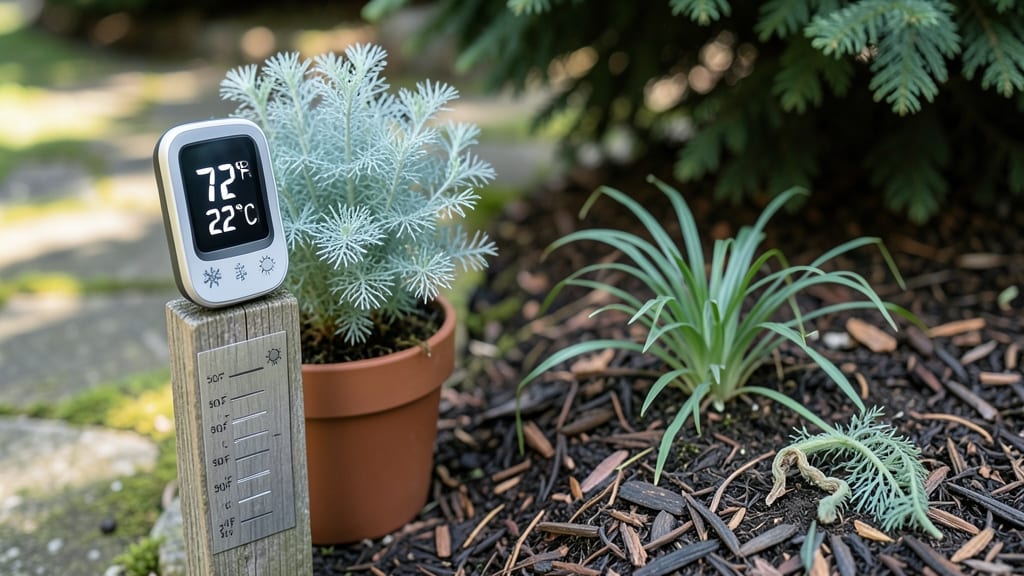
The foxtail fern’s remarkable temperature tolerance makes it a standout cold-hardy perennial—unlike most tropical plants that bolt at the first frost. ✨ This hardy gem thrives in zones 5 through 11 with minimal fuss, turning even the toughest climates into a lush, low-maintenance green haven.
The secret to its resilience lies in its native habitat: dry, rocky slopes where winter winds howl and summer sun beats down. In colder zones, it tucks into dormancy like a well-wrapped blanket, only to unfurl fresh fronds when spring arrives.
Even in heat waves, it stays crisp—no wilting, no browning—if you give it afternoon shade. Watch for stress signals like crispy frond tips (a cry for humidity) or limp growth (too much water).
A thick layer of mulch keeps roots cozy in winter and cool in summer, while occasional misting mimics its natural misty mountain home. With these tweaks, your foxtail stays lush year-round. Here’s the kicker: this plant doesn’t just survive extremes—it thrives in them.
Unlike finicky tropicals, foxtail ferns bounce back from neglect, drought, and even light freezes. The only true enemy is standing water, which causes root rot faster than a summer storm. A well-draining soil mix and occasional pruning keep it looking fresh without extra fuss.
For gardeners in zones 5-7, winter care is minimal: just a dusting of mulch and a spot near the foundation where snow drifts naturally. In zones 8-11, focus on afternoon shade and consistent moisture during dry spells. The result? A perennial that outlasts seasonal trends—and your neighbors’ envy.
📚 In This Guide
- What you need
- Instructions
- Tips and common mistakes
- Wrapping up and next steps
What you need
- ● Foxtail fern plants: 3–5 healthy specimens (potted or bare-root) for testing.
- ● Thermometer: Digital soil thermometer (range: 20°F to 120°F; accuracy: ±1°F).
- ● Growing containers: 2–3 pots (10–12 inches deep) with drainage holes (terracotta or plastic).
- ● Well-draining potting mix: 3–5 gallons of a blend (60% peat/coir, 30% perlite, 10% compost).
- ● Mulch: 1–2 inches of straw or shredded bark to insulate roots.
- ● Watering can or hose: With a gentle spray nozzle for hydration.
- ● Frost cloth or row cover: Lightweight (30–40g/m²) for cold protection.
- ○ Heat lamp or space heater (optional): For controlled warmth tests (use safely, 2–3 feet from plants).
- ● Journal/notebook: To log temperature readings and plant responses.
- ● Humidity tray or pebble tray to maintain moisture in dry conditions.
- ● Grow lights (LED, full-spectrum) for indoor temperature experiments.
- ● pH test kit (ideal range: 6.0–7.0) to ensure soil health.
- ● Pruning shears for trimming dead fronds post-test.
Understanding foxtail fern temperature tolerance: a year-round guide
This resilient fern thrives in diverse climates—here’s how to leverage its cold-hardiness for lush, low-maintenance growth.
🌱 Step 1: Identify Your Climate Zone and Planting Conditions
Foxtail ferns (Asparagus densiflorus) handle USDA Zones 7-11, making them adaptable to both cold winters and hot summers. In Zones 7-9, they’re perennial and return reliably each year, while in Zones 10-11, they thrive as evergreens with minimal care. For coldest regions (Zone 6), treat them as annuals or grow them in containers to move indoors during frost.
Here’s the thing—this fern loves partial shade (3-6 hours of morning sun) but tolerates full shade in hotter climates. In cooler zones, a south-facing spot with afternoon shade prevents winter burn. Watch for crispy leaf edges in winter—this signals too much direct sunlight.
☀️ Step 2: Adjust Care for Seasonal Temperature Shifts
Spring is when foxtail ferns wake up. Once soil temperatures hit 50°F, they’ll sprout new growth. Water lightly to keep soil evenly moist but not soggy—overwatering in cool soil leads to root rot. Mulch with 2-3 inches of organic matter (like shredded bark) to insulate roots from temperature swings.
Summer heat? This fern’s drought-tolerant once established, but water weekly during dry spells to maintain 60-70°F soil temps. If leaves yellow, it’s thirsty; if they brown, it’s too hot. In Zones 10-11, provide afternoon shade to prevent leaf scorch.
❄️ Step 3: Winterize for Cold-Climate Survival
In Zones 7-9, foxtail ferns handle 10-15°F without protection, but a 3-inch mulch layer (like straw or pine needles) keeps roots above 20°F—critical for spring regrowth. In Zone 6, dig up container-grown plants and store them in a garage or unheated shed at 35-45°F until spring.
Real talk: If you see blackened foliage in winter, don’t panic—it’s normal. The plant’s underground rhizomes stay alive, and new fronds emerge once soil warms to 45°F. Prune dead fronds in early spring to encourage fresh growth.
🌿 Step 4: Monitor and Adapt to Microclimates
Foxtail ferns adjust to microclimates—notice where they thrive best in your yard. Near foundations or brick walls? Warmer microclimates let them grow in Zone 6 gardens where open areas fail. Conversely, if they struggle in a windy spot, move them to a sheltered area where temps stay 10°F warmer.
This is the moment that matters: If your fern’s growth slows in summer, it’s likely too hot. In Zones 9-11, provide afternoon shade or a light shade cloth (30-50% coverage) to protect leaves. Watch for curled fronds—this is your cue to adjust shade or water more frequently.
⏰ Step 5: Plan for Long-Term Temperature Resilience
For perennial foxtail ferns, divide clumps every 3-4 years in early spring. This rejuvenates growth and prevents overcrowding, which weakens cold tolerance. Choose a 50-60°F day for transplanting—roots establish best in mild soil temps.
I’ve found that container-grown ferns in cold climates outperform in-ground plants. Use 12-inch pots with drainage and move them to a protected porch or garage before 25°F temps. This simple trick extends their lifespan by years.
Tips & tricks for perfect foxtail fern growth in any climate
Took me years to figure out how to keep these ferns thriving through every season—here are the secrets that make all the difference.
Zone-Specific Microclimate Mastery: In Zones 7-9, position your fern where it gets morning sun but afternoon shade—this prevents winter burn while keeping summer temps ideal. I've noticed that south-facing spots work best because they capture gentle morning warmth without the harsh afternoon heat. For Zones 10-11, focus on afternoon shade protection instead, as those intense summer rays can scorch even the hardiest ferns.
Soil Temperature Secret: The 50°F soil temperature threshold in Step 2 is your green light for spring planting—this is when roots become active. I use a soil thermometer to check before transplanting, especially in cooler zones. Pro tip: If your soil runs cold, add a 3-inch layer of compost first—it warms up faster and gives roots a head start. This makes a huge difference in northern gardens where spring arrives late.
Winter Survival Hack: That 3-inch mulch layer mentioned in Step 3 isn't just decoration—it's insulation. I've seen ferns survive -5°F with proper mulching, though they'll look dormant. The key is keeping roots above 20°F. For container plants in Zone 6, I move them to an unheated garage at 35-45°F—this simple move saves them every winter. The trick is timing: move them before the first 25°F frost hits.
Summer Heat Rescue Strategy: When your fern's leaves start curling in summer heat, it's telling you to act fast. In Zones 9-11, I've had success with 30-50% shade cloth—it filters enough light while keeping temps down. For watering, I've learned to check soil moisture at 60-70°F rather than just following a schedule. A quick soil probe test before watering prevents both underwatering and overwatering during heatwaves.
Pro Tips for Foxtail Fern Temperature Tolerance
- Took me years to figure out how to keep these ferns thriving through every season—here are the secrets that make all the difference.
- Zone-Specific Microclimate Mastery: In Zones 7-9, position your fern where it gets morning sun but afternoon shade—this prevents winter burn while keeping summer temps ideal.
- Soil Temperature Secret: The 50°F soil temperature threshold in Step 2 is your green light for spring planting—this is when roots become active.
Frequently asked questions
about foxtail fern temperature tolerance—because even cold-hardy plants need a little extra care! Here are answers to the most common questions to help you keep your foxtail fern thriving in any season.What’s the ideal temperature range for foxtail fern growth?
The foxtail fern thrives in USDA Hardiness Zones 5-10, tolerating temperatures between 10°F (-12°C) and 95°F (35°C). While it handles cold snaps, prolonged exposure to below 0°F (-18°C) may cause leaf damage. In hot climates, provide afternoon shade to prevent stress.
Can foxtail ferns survive winter in colder climates?
Foxtail ferns are perennial and cold-hardy, making them perfect for winter gardens. Mulch the base with 2-3 inches of organic matter (like straw or leaves) to insulate roots. In extreme cold (below -10°F/-23°C), a light frost cloth can offer extra protection until spring.
How do I revive a foxtail fern after a freeze?
If your fern looks wilted after cold weather, don’t panic! Trim any blackened or mushy leaves with clean scissors, then water lightly to encourage regrowth. New fronds should emerge as temperatures warm. Avoid fertilizing until you see fresh growth—patience is key!
Are there temperature-sensitive alternatives to foxtail ferns?
If you need a low-maintenance, cold-tolerant ornamental grass, consider these alternatives:
- Miscanthus sinensis (hardy to Zone 5, thrives in heat)
- Carex oshimensis (sedge grass, Zone 5-9, shade-tolerant)
- Pennisetum alopecuroides (fountain grass, Zone 5-11, drought-resistant)
Why did my foxtail fern turn brown in summer heat?
Brown tips or fronds often signal heat stress or underwatering. Increase watering slightly (keep soil evenly moist but not soggy) and move the plant to a spot with morning sun and afternoon shade. Avoid fertilizing during extreme heat—focus on hydration first!
Wrapping up and next steps
The foxtail fern proves to be a resilient, cold-hardy perennial that thrives in diverse climates—from chilly winters to warm summers—making it a fantastic low-maintenance choice for year-round greenery. Whether you're a seasoned gardener or just starting out, its adaptability and striking appearance make it a standout addition to any landscape.
Ready to elevate your garden? Start by selecting the right variety for your zone and give these hardy plants the care they deserve!
Next steps:
- 🌱 Pick your spot—sunny or shaded areas both work!
- 💧 Water wisely and watch them flourish.