
Vegetables
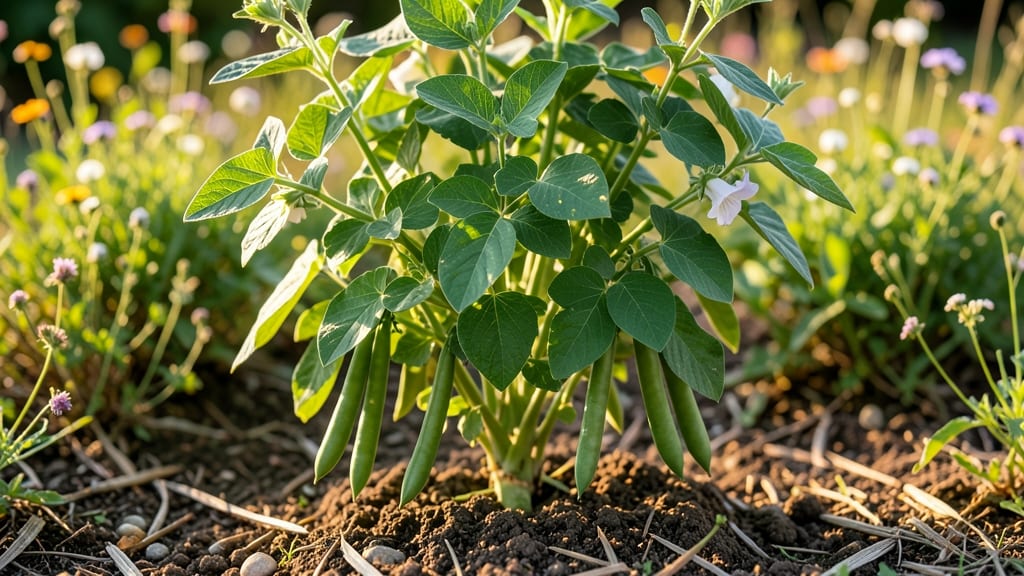
Growing French horticultural beans like 'Mascotte' means fresh, tender pods straight from your garden for months—even in cooler climates. 🌱 These cold-hardy perennials thrive where other beans fail, producing sweet, flavorful harvests from early summer through fall.
I planted my first patch last spring and was stunned when they kept producing well into October, long after my annual beans had given up.
These beans aren’t your typical annuals—they return year after year, forming sturdy vines that climb trellises or sprawl attractively in the garden. The secret to their success lies in rich, well-draining soil with plenty of organic matter, and a sunny spot with at least 6 hours of sunlight daily.
Unlike delicate annual beans, French horticultural varieties handle cooler temperatures and even light frosts, making them perfect for gardeners in zones 3-8.
You’ll harvest tender, stringless pods that taste freshest when picked young—think snap peas but with a bean’s texture. The plants are surprisingly low-maintenance: water consistently but avoid soggy soil, and fertilize lightly with compost in early spring.
With proper care, a single plant can produce pounds of beans over the season, and the vines even improve soil health by fixing nitrogen.
Here’s the best part: these beans adapt to containers, raised beds, or in-ground plantings, making them ideal for small spaces or urban gardens. Whether you’re growing 'Aquadulce Claudia' for its sweet flavor or 'Mascotte' for its cold tolerance, you’ll enjoy a harvest that keeps giving—no replanting required.
Let’s get those seeds in the ground!
📚 In This Guide
- What you need
- Instructions
- Tips and common mistakes
- Wrapping up and next steps
What you need
- ● Seeds: 50–100 French horticultural bean seeds (perennial varieties like Lathyrus odoratus or Vicia faba for cold resilience). Choose heirloom or organic seeds for best results.
- ● Well-draining soil: 1–2 cubic yards of loamy, slightly acidic soil (pH 6.0–7.0). Amend with compost if your soil is heavy clay or sandy.
- ● Sunlight: A full-sun location (6+ hours of direct sunlight daily). Partial shade works for cooler climates.
- ● Water: Consistent moisture (1–2 inches per week). Drip irrigation or soaker hoses are ideal.
- ● Trellis or support: 4–6 ft tall stakes, cages, or wire mesh (perennial varieties may need vertical support to climb).
- ● Garden trowel or transplanting tool for sowing seeds.
- ● Pruners (for trimming vines or deadheading spent blooms).
- ○ Gloves (optional but helpful for handling thorny varieties like Vicia).
- ● Mulch (straw or shredded leaves) to retain moisture and suppress weeds.
- ● Fertilizer: Balanced organic fertilizer (5-5-5 NPK) or compost tea for nutrient boosts.
- ● Row covers: Lightweight fabric to protect young plants from late frosts.
- ● Pest deterrents: Neem oil or companion plants (e.g., marigolds) to repel aphids or bean beetles.
- ● Harvest basket: A breathable mesh bag to keep freshly picked beans fresh.
Step-by-Step instructions for growing French horticultural beans
Let’s get these cold-hardy perennials thriving—here’s my battle-tested method for planting and maintaining them.
🌱 Step 1: Choose the Right Location and Prepare the Soil
French horticultural beans thrive in full sun with at least 6-8 hours of direct light daily. Pick a spot sheltered from strong winds, as their tall vines can topple easily. I always test the soil pH first—these beans prefer 6.0-7.0. If your soil is too acidic, mix in 2-3 pounds of lime per 100 square feet and work it in 2 weeks before planting.
Loosen the soil to a depth of 12 inches using a garden fork to break up compaction. Amend with 2-3 inches of well-aged compost to improve drainage and fertility. The goal is loose, crumbly soil that holds moisture without becoming soggy. A quick squeeze should leave the soil slightly damp but not clinging to your fingers.
🌱 Step 2: Plant Seeds at the Correct Depth and Spacing
Sow seeds ½ inch deep in early spring, about 2 weeks before your last frost date. French horticultural beans are cold-hardy, but they germinate best in 55-65°F soil. Space seeds 4-6 inches apart in rows 18-24 inches apart to allow for vigorous vine growth. I plant 4-5 seeds per foot to ensure strong stands, then thin to the healthiest plants once they reach 3-4 inches tall.
Water gently after planting to settle the soil around the seeds. Avoid overwatering—soggy soil can cause seeds to rot before they sprout. Instead, keep the soil consistently moist but not waterlogged until germination, which typically occurs in 7-14 days. If your area has cool nights, a lightweight row cover speeds up germination.
☀️ Step 3: Provide Support and Maintain Consistent Care
As vines grow, install 5-6 foot tall trellises or stakes to support their weight. I use bamboo stakes tied with soft twine to avoid damaging the stems. Train vines gently as they grow to encourage upward growth and improve air circulation, which reduces disease risk. Prune any leggy or weak growth early to focus energy on strong, productive vines.
Water deeply 1-2 times per week, aiming for 1-1.5 inches of water per session. Let the top 1-2 inches of soil dry out between waterings to prevent fungal issues. Mulch with 2-3 inches of straw or shredded leaves to retain moisture and suppress weeds. Fertilize lightly with a balanced 10-10-10 fertilizer at planting and again when flowers appear, but avoid over-fertilizing—these beans prefer leaner soil.
✂️ Step 4: Harvest and Prune for Year-Round Productivity
Start harvesting when pods reach 4-5 inches long and are firm but tender. Pick consistently to encourage more production—overripe pods toughen and reduce future yields. I harvest every 2-3 days during peak season to keep plants productive. Use sharp scissors or pruners to cut pods cleanly without damaging the vine.
After the first harvest, prune back one-third of the plant’s height to stimulate new growth. This keeps French horticultural beans producing well into fall and even overwintering in mild climates. In colder regions, cut back to 6 inches tall before the first frost, then mulch heavily with 4-6 inches of straw to protect roots through winter.
⏰ Step 5: Overwinter and Renew for Next Season
In zones 5-8, French horticultural beans often survive winter with proper care. After the first hard frost, cut back dead foliage but leave stems intact. Add 4-6 inches of mulch around the base to insulate roots. In spring, remove mulch and fertilize lightly with compost or a balanced fertilizer to revive growth.
If your climate is colder, dig up tubers in late fall, store them in sandy soil in a cool, dark place at 35-40°F, and replant in early spring. This method ensures you can grow these perennials for 5-10 years with minimal effort. Renew plants every few years by dividing clumps in early spring to maintain vigor.
Tips & tricks for perfect French horticultural bean growth
These battle-tested strategies will help you avoid common pitfalls and maximize your harvest with these resilient perennials.
Soil Preparation Secret: The 12-inch deep soil loosening in Step 1 isn't just about breaking up compaction—it's about creating an oxygen-rich environment for those deep tuberous roots. I've found that adding a handful of coarse sand to the 2-3 inches of compost helps improve drainage even further, especially in clay-heavy soils. The "squeeze test" for moisture is your best friend here: soil should hold together slightly but crumble when you press it between fingers.
Germination Game-Changer: When planting seeds ½ inch deep in Step 2, I always pre-soak them for 6-8 hours in warm water before planting. This jumpstarts the germination process, especially important if your soil temperature hovers at the lower end of that 55-65°F range. The lightweight row cover isn't just for cold nights—it also creates a microclimate that retains moisture better, which is crucial during those critical first 7-14 days of germination.
Support System Strategy: For the 5-6 foot tall trellises mentioned in Step 3, I recommend using a combination of bamboo stakes and soft twine, but here's the pro move: install your trellis framework BEFORE the vines get too tall. Once they reach 2-3 feet, gently weave the vines through the structure rather than trying to attach them later—this prevents stem damage. The twine should be loose enough to allow natural vine movement while still providing support.
Harvest Timing Tip: Those 4-5 inch pods in Step 4 are perfect when they snap easily but don't split open when you touch them. I've learned to harvest in the morning when the pods are most crisp and firm. The 2-3 day harvesting frequency is non-negotiable—waiting longer than 3 days between harvests lets the plant get stressed, which reduces future production. Use clean, sharp pruners to avoid tearing the vines, which can introduce disease.
Pro Tips for French Horticultural Beans
- These battle-tested strategies will help you avoid common pitfalls and maximize your harvest with these resilient perennials.
- Soil Preparation Secret: The 12-inch deep soil loosening in Step 1 isn't just about breaking up compaction—it's about creating an oxygen-rich environment for those deep tuberous roots.
- Germination Game-Changer: When planting seeds ½ inch deep in Step 2, I always pre-soak them for 6-8 hours in warm water before planting.
Frequently asked questions
What’s the difference between French horticultural beans and common bush beans?
French horticultural beans (like Phaseolus coccineus) are perennial vining beans that thrive in cooler climates, while bush beans (Phaseolus vulgaris) are annual and prefer warmer soil. Horticultural beans produce edible pods (like snap peas) and are cold-hardy down to 10°F (-12°C), making them ideal for year-round harvests in mild zones!
How long does it take for French horticultural beans to mature?
Expect 60–90 days from planting to first harvest, depending on your climate. In cooler regions, they may take longer, but their perennial nature means they’ll regrow each year! Start seeds indoors 4–6 weeks before the last frost or direct-sow after soil warms to 50°F (10°C) for best results.
Can I grow French horticultural beans in containers?
Use a large container (at least 12–18 inches deep) with well-draining soil and a trellis for vining varieties. Ensure the pot has drainage holes and place it in a sunny spot (6+ hours of light daily). Container-grown beans may need more frequent watering since soil dries out faster.
What pests should I watch for, and how do I prevent them?
Common pests include bean beetles, aphids, and Japanese beetles. Preventative tips:
- Use row covers early in the season to deter flying insects.
- Plant companion plants like marigolds or nasturtiums to repel pests.
- Handpick beetles or spray with neem oil for organic control.
- Remove yellowing leaves promptly to reduce egg-laying sites.
Will French horticultural beans survive winter in cold climates?
Yes! These beans are one of the hardiest perennial vegetables, tolerating down to -10°F (-23°C) with proper care. Winter prep tips:
- Mulch heavily with straw or leaves (4–6 inches) after the first frost.
- Cut back vines to 6–12 inches tall in late fall to protect the crown.
- Avoid fertilizing in fall—let the plant harden off naturally.
Pro Tip: Harvesting for Regrowth
To encourage continuous production, pick pods frequently (every 2–3 days) when young and tender. Over-mature pods become woody, reducing future yields. Bonus: Save seeds from your healthiest plants for next year’s garden!
Wrapping up and next steps
French horticultural beans—like haricots verts and fil d’Angle—are a gardener’s dream, offering year-round harvests with minimal fuss. Their cold-hardy nature and adaptability make them perfect for both novice and seasoned growers, turning even small spaces into a bountiful garden.
Whether you’re aiming for elegant green pods or nutrient-packed meals, these perennials deliver flavor and sustainability.
Ready to grow your own? Start small with a few plants, experiment with varieties, and watch your garden thrive! 🌱 For even better results, share your progress with fellow gardeners or explore local seed swaps to expand your collection. The harvest is just a season away!