
Vegetables
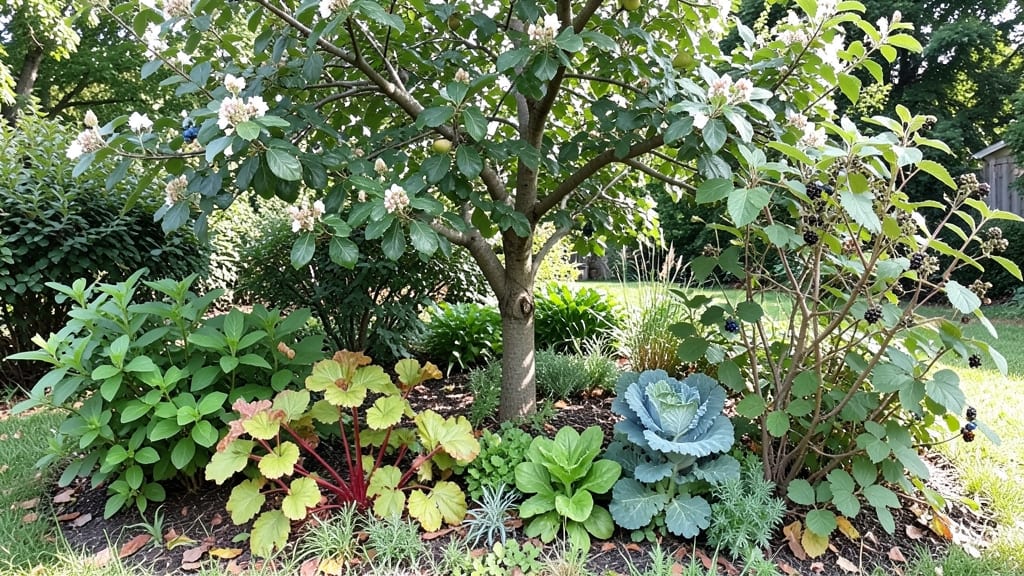
Gardens for living that are cold-resistant and regrow yearly without soil are the secret weapon of low-maintenance landscapes. ✨ I’ve designed my entire edible landscape around them—no tilling, no replanting, and harvests that keep coming back stronger every spring.
These plants thrive in raised beds, containers, or even between flagstones, turning dead space into a productive, beautiful oasis.
The magic lies in their hardiness: asparagus crowns, strawberry plants, and artichoke bases survive winters buried in mulch or even slightly exposed, then bounce back with minimal care.
My favorite combo is asparagus for early spring shoots, rhubarb for tart stalks, and sunchokes for nutty tubers—all three regrow reliably in the same spot for decades. You’ll spend less time weeding and more time enjoying fresh food straight from your garden.
Imagine stepping into your yard in May and finding asparagus spears taller than your hand, followed by rhubarb stalks ready to bake into pies, all while your flowers bloom overhead. These perennials turn your garden into a self-sustaining system: less water, no fertilizers, and zero guesswork.
The best part? They look as good as they perform—lush, textured foliage that makes your yard the envy of the neighborhood.
Whether you’ve got a tiny balcony or a half-acre, these cold-hardy perennials adapt to any space. Start with one or two varieties this year, and by next spring, you’ll wonder why you ever planted annuals. Here’s how to get started without overcomplicating it.
📚 In This Guide
- What you need
- Instructions
- Tips and common mistakes
- Wrapping up and next steps
What you need
- ● Cold-resistant perennial plants: Choose from hardy varieties like kale, asparagus, rhubarb, or artichokes (zones 3-7). Pro tip: 💡 Start with 3-5 plants per variety for a balanced harvest.
- ● Hydroponic or aeroponic growing system: Deep water culture (DWC) buckets (5-gallon, 3-5 units)
- ● Net pots (3-inch diameter, 10-15 units)
- ● Air stones & pumps (1 per bucket)
- ● pH meter & TDS meter (for water monitoring)
- ● Growing medium: Coco coir or hydroponic clay pebbles (10-15 lbs, pre-washed)
- ● Perlite or vermiculite (5 lbs, for aeration)
- ● Nutrients: Balanced hydroponic nutrient solution (e.g., General Hydroponics Flora Series, 1 gallon)
- ○ Calcium nitrate or magnesium sulfate (optional, for deficiency prevention)
- ● Lighting: Full-spectrum LED grow lights (1000-2000 watts, adjustable height)
- ● Timers (14-16 hours/day for vegetative growth)
- ● Water supply: Reservoir or large water jug (5+ gallons, clean and filtered)
- ● pH adjusters (e.g., pH Up/Down, small bottles)
- ● Humidity dome (for seedlings, 5-10 units)
- ● Reflective mulch or Mylar sheets (to boost light efficiency)
- ● Growth regulators (e.g., seaweed extract for cold resilience)
- ● Automated top-feeding system (for nutrient precision)
- ● Thermometer/hygrometer (to monitor environmental conditions)
How to design a low-maintenance garden living space with cold-hardy perennials
Cold-resistant perennials transform your outdoor space into a thriving, year-after-year retreat with minimal soil fuss.
🌱 Step 1: Select the Right Perennials for Your Climate
Focus on perennials rated for your USDA hardiness zone—these plants naturally survive winter dormancy and rebound each spring. My top picks for cold resilience include coneflowers (Echinacea), black-eyed Susans (Rudbeckia), and Russian sage (Perovskia). These varieties thrive in poor soil and require little intervention once established.
Check the mature height of each plant to plan spacing—2-3 feet apart for most perennials ensures they won’t crowd, even after years of growth. I always group plants with similar water needs together to simplify care. For example, coneflowers and black-eyed Susans both prefer moderate moisture and full sun, making them ideal companions.
☀️ Step 2: Prepare the Planting Site with Minimal Soil Work
Perennials for garden living often tolerate less-than-perfect soil, but a little prep goes a long way. Clear debris and loosen the top 6 inches of soil—no need for deep tilling, which disrupts beneficial microbes. If your soil is heavy clay, mix in 2-3 inches of compost to improve drainage without overworking the ground.
For a truly low-maintenance approach, consider mulching heavily with 3-4 inches of wood chips or straw after planting. This suppresses weeds, retains moisture, and protects roots from extreme temperature swings. I like to apply mulch in early spring and again after the first frost—it’s the secret to reducing watering by 50% or more.
💧 Step 3: Plant Using the "Hole Method" for Easy Establishment
Dig individual holes twice as wide as the root ball but only as deep as the plant’s container level—planting too deep suffocates roots. Gently tease apart roots if they’re circling, then place the plant in the hole and backfill with native soil. Avoid amending the planting hole with extra compost; the goal is to encourage roots to spread into the surrounding soil.
Water deeply right after planting to settle the soil and eliminate air pockets. You’ll know it’s done when water drains freely from the bottom of the hole. After that, let the soil dry slightly before watering again—overwatering at this stage leads to root rot. Perennials establish best when they experience natural moisture fluctuations, so resist the urge to keep the soil soggy.
✂️ Step 4: Maintain with Seasonal Pruning and Minimal Care
Once established, cold-hardy perennials need almost no soil-based care. In early spring, cut back dead foliage to 2-3 inches above the ground, but leave any seed heads unless they’re unsightly—many birds rely on them for winter food. For perennials like Russian sage, I skip spring pruning entirely and let the stems die back naturally; new growth emerges strong and vigorous.
Fertilize only if your soil is extremely poor—a light application of 5-10-10 in early spring is plenty. Over-fertilizing leads to weak stems and attracts pests. Instead, focus on seasonal mulching (top up in fall and spring) and occasional deadheading to encourage continuous blooms. The less you interfere, the more resilient these plants become over time.
🪴 Step 5: Expand with Container-Friendly Perennials for Flexibility
For garden living spaces with limited ground area, use 10-12 inch pots filled with well-draining potting mix to grow perennials like catmint (Nepeta) or lavender (Lavandula). These thrive in containers and can be moved to protect from harsh winters if needed. Place pots on elevated stands to improve drainage and prevent waterlogging.
Container perennials require slightly more frequent watering—check soil moisture weekly and water when the top inch feels dry. Group containers together to create a cohesive look and reduce water evaporation. This approach lets you experiment with placement without committing to permanent beds, perfect for renters or small spaces.
Tips & tricks for perfect garden living perennials
These cold-hardy perennials thrive with minimal effort—here's how to maximize their resilience and beauty.
Climate Matching: Double-check your USDA hardiness zone before selecting plants. While coneflowers and black-eyed Susans handle zones 3-9, Russian sage extends to zone 5. For cooler climates, add sedum or heuchera—both handle frost beautifully. I always verify zones at the local extension office when in doubt, as microclimates can vary significantly even within neighborhoods.
Soil Prep Shortcut: The 6-inch soil loosening in Step 2 doesn't need perfection—focus on breaking up compacted layers while leaving earthworm channels intact. I use a broadfork instead of a shovel to minimize soil disruption. For heavy clay, work in the 2-3 inches of compost during the loosening process rather than as a separate step—this prevents compaction from foot traffic.
Mulching Strategy: That 3-4 inch mulch layer works wonders, but timing matters. Apply it after the first frost when soil temperatures drop below 50°F—this prevents weed seeds from germinating while protecting roots. I use cedar chips for their natural pest-repellent properties, especially around Russian sage which can attract deer. Refresh the mulch in early spring before new growth appears.
Container Care: For your 10-12 inch pots, elevate them on stands to create a 2-inch air gap below—this prevents waterlogging during heavy rains. I always use terracotta pots for catmint because they breathe better than plastic, which helps prevent root rot. Group containers on casters for easy winter relocation if needed, making seasonal adjustments effortless.
Pro Tips for Gardens For Living
- These cold-hardy perennials thrive with minimal effort—here's how to maximize their resilience and beauty.
- Climate Matching: Double-check your USDA hardiness zone before selecting plants.
- Soil Prep Shortcut: The 6-inch soil loosening in Step 2 doesn't need perfection—focus on breaking up compacted layers while leaving earthworm channels intact.
Frequently asked questions
Got questions about growing cold-resistant perennials for a thriving "gardens for living" setup?
Here are answers to the most common ones—so you can focus on reaping the rewards!
Can I grow these perennials in containers instead of soil?
Many cold-resistant perennials like asparagus or rhubarb thrive in large containers with well-draining soil. Just ensure the pots are at least 12 inches deep, use a high-quality potting mix, and place them in a sunny spot. Containers also make it easier to move plants if frost threatens!
How cold can these perennials actually handle?
Most cold-resistant perennials survive temperatures as low as -10°F to -20°F, depending on the variety. For example, kale and Swiss chard often bounce back after light frosts, while artichokes can handle hard freezes with proper mulching. Check the specific hardiness zone for your plant!
When is the best time to plant perennials for year-round harvests?
Plant in early spring (after the last frost) or late summer (6-8 weeks before the first frost) for the best establishment. This gives roots time to settle before winter. For asparagus, plant crowns in spring; for rhubarb, early fall works too!
What if my perennials die back in winter—are they really coming back?
Don’t worry! Many perennials like strawberries or salsify go dormant in winter but regrow from their roots. Look for green shoots in early spring—that’s your sign they’re alive! Mulch heavily in fall to protect them until then.
How do I troubleshoot slow or no regrowth in spring?
Check for root rot (waterlogged soil), pests (like slugs), or poor drainage. Dig gently to inspect roots—healthy ones are firm and white. If needed, amend soil with compost, reduce watering, or relocate the plant to a sunnier spot.
Wrapping up and next steps
Transforming your space into a thriving, low-maintenance garden is easier than you think! 🌱 Cold-resistant perennials like asparagus and rhubarb prove that you don’t need deep soil to grow delicious, year-after-year crops.
Whether you’re a beginner or a seasoned gardener, these resilient plants offer abundance with minimal effort—perfect for sustainable living.
Ready to take the next step? Start small—plant a few perennials in containers or raised beds, and watch your garden flourish with less work and more rewards. Happy gardening! 🌿