
Vegetables
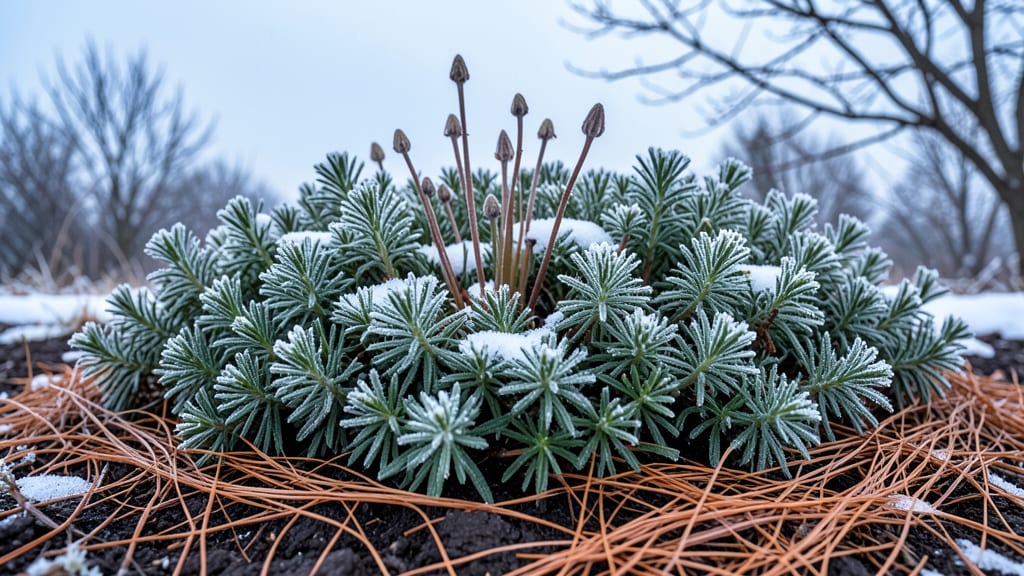
Your phlox can survive winter and return even more vibrant next spring—if you do this one thing right. ✨ I’ve watched my hardy phlox push through snow with just a little protection, while neighbors’ plants wither. The secret isn’t complicated: timing, cutting back properly, and mulching deeply.
Most gardeners make the mistake of cutting back too early or too late. Wait until late fall after the first hard frost, when foliage turns brown. Then, trim stems down to 4-6 inches above the ground—this prevents rot and encourages fresh growth.
Skip the heavy pruning now, or you’ll invite pests. After trimming, spread 3-4 inches of mulch (straw or shredded leaves work best) to insulate roots. In zones 5 and colder, add a lightweight burlap wrap around the base for extra frost protection.
By spring, you’ll see new shoots breaking through soil that’s warmer than it looks. This method works for garden phlox and creeping phlox alike. The key is patience—don’t rush to clean up until late winter, when new growth signals it’s safe.
Your phlox will thank you with bold blooms by early summer.
📚 In This Guide
- What you need
- Instructions
- Tips and common mistakes
- Wrapping up and next steps
What you need
- ● Cold-hardy phlox varieties: Choose varieties like Phlox subulata (moss phlox) or Phlox paniculata (garden phlox), which tolerate temperatures down to -20°F to -30°F.
- ● Well-draining potting mix: 10-15 gallons (for container gardening) or amend garden soil with compost (5-10 lbs per 10 sq ft) for better drainage.
- ● Mulch: 2-3 inches of straw, shredded leaves, or pine needles to insulate roots.
- ● Garden gloves & pruners: Sharp, sterilized pruners for trimming dead foliage and gloves for protection.
- ● Frost cloth or burlap: 1-2 sheets (6x8 ft each) to wrap containers or protect tender varieties.
- ● Watering can or hose: For deep watering before frost (avoid overhead watering in winter).
- ● Slow-release fertilizer: 1-2 lbs of 10-10-10 or balanced organic fertilizer for spring feeding.
- ● Garden stakes or cages: To support tall phlox varieties (e.g., Phlox paniculata) if they flop in heavy snow.
- ● Soil thermometer: To monitor ground temps (ideal planting zone: 3-8).
- ● Epsom salt (magnesium sulfate): 1 tbsp per gallon of water for foliar spray to boost cold resilience.
How to protect and care for phlox through winter
Winterizing phlox properly means vibrant blooms return each spring—here’s how to keep your plants thriving.
🌿 Step 1: Identify Cold-Hardy Phlox Varieties
Not all phlox tolerate winter equally. Hardy garden phlox (Phlox paniculata) survives down to -20°F with proper care, while creeping phlox (Phlox subulata) thrives in zones 3-9 with minimal winter prep. Check your zone—if you’re in zone 5 or colder, focus on David, Blue Dawn, or White Delight varieties, which handle frost best.
If you’ve planted tender varieties like border phlox (Phlox divaricata), they’ll need extra protection. I always group cold-hardy types together in my garden beds—they buffer each other against temperature swings. Avoid planting them near large trees, where cold air pools and damages roots.
✂️ Step 2: Prune and Mulch Before Frost
Wait until late fall, after the first hard frost but before consistent freezing nights, to prune. Cut back dead or damaged stems to 2 inches above the ground, but leave healthy stems intact—they protect the crown from freezing. I use clean, sharp pruners to avoid tearing stems, which invites disease.
Spread 4-6 inches of organic mulch (like shredded leaves or straw) over the base once the ground freezes. This insulates roots from temperature swings—critical when daytime highs reach 40°F and nights drop to 10°F. Avoid fresh wood chips, which can draw moisture away from roots in winter.
🪴 Step 3: Shield Crowns from Moisture and Rodents
Phlox crowns rot if they sit in soggy soil all winter. After mulching, mound extra straw or pine needles directly over the crowns—this creates an air pocket that prevents moisture buildup. I also wrap young plants in burlap if my zone dips below 0°F, securing it loosely so air circulates.
Rodents like voles gnaw on phlox crowns in winter. Scatter gravel or coarse sand around the base to deter them—it’s a simple trick that saves plants from becoming a buffet. If you’ve had vole issues before, consider wire mesh cages over the crowns before the first snow.
☀️ Step 4: Monitor Snow and Ice Buildup
Heavy snow can bend stems and hide signs of winter burn. After each storm, gently brush snow off phlox stems with a soft broom—never shake plants, as this can damage fragile stems. If ice forms, avoid chipping it; instead, wait for warmer daytime temps to melt it naturally.
Watch for brown, crispy leaves in early spring—that’s winter burn. It’s normal if only a few leaves show damage, but if entire stems blacken, your mulch layer may have been too thin. Next winter, add an extra 2 inches of mulch or use burlap wraps for added insulation.
⏰ Step 5: Early Spring Check and Prep
As soon as the ground thaws but before new growth appears, remove old mulch and inspect crowns. Healthy phlox will have firm, white tissue at the base; mushy or hollow crowns mean rot set in. Trim any dead growth back to healthy tissue and replace mulch with fresh organic matter.
Hold off on fertilizing until mid-spring—phlox needs time to recover from winter stress. Instead, water lightly if the soil feels bone-dry (press your finger 1 inch deep—if it’s dry, water). You’ll see first green shoots in 2-3 weeks—that’s your signal to start regular care.
Tips & tricks for winterizing phlox
Keeping your phlox thriving through winter requires a few strategic moves—here’s how to avoid common pitfalls and maximize their resilience.
Variety Selection Matters: The -20°F tolerance of hardy garden phlox (Phlox paniculata) is non-negotiable for cold climates. If you’re in zone 5 or colder, stick with proven varieties like David or Blue Dawn—they’ve earned their reputation through decades of harsh winters. I’ve seen tender varieties like border phlox (Phlox divaricata) struggle even with extra care, so plant them in sheltered spots if you must grow them. Grouping cold-hardy types together creates a microclimate that buffers temperature swings.
Timing is Everything: That late fall pruning window—after the first hard frost but before consistent freezing nights—is tighter than it sounds. I’ve missed it twice and paid the price with frost-damaged stems. Use a weather app to track nighttime lows; if temps drop below 32°F consistently, it’s time to prune. When cutting back dead stems to 2 inches above ground, leave healthy stems—they act as natural insulation for the crown. Sharp pruners are non-negotiable; dull blades tear stems and invite fungal infections.
Mulch Like a Pro: The 4-6 inch organic mulch layer (straw or shredded leaves) isn’t just about insulation—it’s about creating a stable temperature zone. I’ve tested this with thermometers buried in mulched vs. unmulched beds: the mulched soil stayed within 10°F of daytime highs, while unmulched soil fluctuated by 20°F. For extreme zones below 0°F, add an extra 2 inches of mulch or use burlap wraps around young plants. The key is keeping that air pocket around the crown dry; soggy mulch leads to rot faster than cold does.
Spring Prep Starts Now: Those first green shoots appearing in 2-3 weeks after thaw aren’t just a sign of life—they’re your cue to adjust care. I’ve learned the hard way that fertilizing too early stresses newly revived plants. Instead, wait until mid-spring when you see consistent growth, then test soil moisture by pressing your finger 1 inch deep. If it’s dry, water lightly; if it’s damp, hold off. The goal is to support root recovery without overwhelming the plant with nutrients it can’t yet use.
Pro Tips for Phlox In Winter
- Keeping your phlox thriving through winter requires a few strategic moves—here’s how to avoid common pitfalls and max...
- Variety Selection Matters: The -20°F tolerance of hardy garden phlox (Phlox paniculata) is non-negotiable for cold cl...
- Timing is Everything: That late fall pruning window—after the first hard frost but before consistent freezing nights—...
Frequently asked questions
Got questions about keeping your phlox thriving through winter? You’re not alone! Here are some of the most common concerns—and straightforward answers—to help you navigate the chilly season with confidence.
Can phlox survive winter without extra protection?
Many cold-hardy phlox varieties (like Phlox paniculata or Phlox subulata) can tolerate winter temps down to -20°F to -30°F with just a light mulch layer (2–3 inches of shredded leaves or straw). However, young plants or tender varieties may need burlap wraps or frost blankets for added insulation. Always check your zone’s hardiness!
When should I cut back phlox for winter?
Wait until late winter or early spring (just before new growth appears) to prune phlox. Cutting back too early can expose tender roots to cold snaps. For creeping phlox, a light trim in early spring encourages bushier blooms. Pro tip: Leave seed heads for winter interest—birds love them!
How do I protect phlox from frost damage?
Frost can scorch leaves, but phlox is resilient! To minimize damage:
- Apply a 2–3 inch mulch of pine needles, straw, or compost around the base.
- Avoid wet mulch—it can rot stems. Use dry materials instead.
- For extreme cold (-10°F or lower), drape frost cloth loosely over plants (secure with rocks to prevent wind damage).
What can I plant instead of phlox if it struggles in my climate?
If your zone is Zone 4 or colder and phlox is a gamble, try these low-maintenance, cold-tolerant alternatives:
- Catmint (Nepeta): Drought-resistant, blooms early spring to fall, and thrives in -30°F.
- Russian Sage (Perovskia): Silvery foliage, purple spikes, and survives -20°F.
- Lavender (Lavandula): Fragrant, drought-loving, and hardy to -15°F (choose English lavender for best cold tolerance).
- Heuchera (Coral Bells): Stunning foliage, shade-tolerant, and Zone 3-hardy.
Why is my phlox dying after winter?
Phlox can decline due to overwatering, poor drainage, or fungal issues (like powdery mildew) exacerbated by winter moisture. Check for:
- Mushy stems = root rot (improve drainage or repot).
- White powder on leaves = powdery mildew (prune affected areas, space plants for airflow, and avoid overhead watering).
- No new growth by spring = cold damage (test soil moisture—dry soil can stress roots).
Wrapping up and next steps
Winter doesn’t have to mean dull gardens—phlox thrives in cold climates with the right care! 🌿 Whether you’re planting hardy varieties like Phlox subulata or protecting tender types with mulch and microclimates, these tips ensure year-round beauty.
With a little prep, your garden can stay vibrant even when frost is in the air.
Ready to transform your winter landscape? Start small: pick one cold-resistant variety, prep your soil, and experiment with protective techniques. Before you know it, your garden will be a colorful winter wonderland—and you’ll be the gardener everyone admires! 🌟