
Vegetables
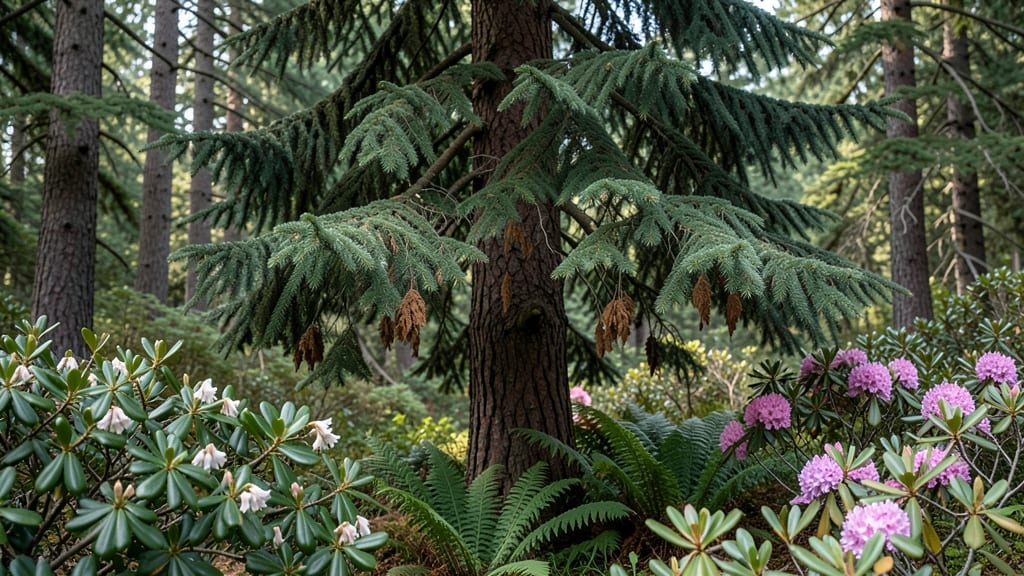
Victoria BC’s maritime climate turns traditional gardening on its head—but that’s exactly why container gardening here is a game-changer. 🌿 The salty breezes, cool summers, and damp winters make in-ground planting tricky, but raised beds and pots let you grow thriving vegetables, herbs, and flowers without fighting the elements.
I’ve been growing this way for years, and my balcony now produces more than my neighbor’s backyard plot.
The secret isn’t fancy setups—it’s matching plants to microclimates. Coastal Victoria’s mild winters mean you can start cool-season crops like kale and peas in early spring, while summer’s brief heatwave is perfect for tomatoes and peppers in containers.
Native plants like salal and sword fern also thrive in pots, adding local beauty without the maintenance. Plus, containers let you move plants to shelter during windstorms, which happen more often than you’d think.
By summer, you’ll have vibrant, productive containers that outperform many in-ground gardens. Imagine snipping fresh basil for pesto in June, harvesting cherry tomatoes in July, and enjoying fall blooms from hardy mums—all while dodging Victoria’s infamous slugs and soil compaction.
The best part? You can start small with just a few pots and expand as you learn what grows best in your exact spot.
Whether you’re renting a downtown condo or have a seaside lot, this approach works—no yard required. I’ll show you how to pick the right containers, choose climate-smart plants, and keep everything lush despite the rain. Let’s make the most of Victoria’s unique growing conditions!
📚 In This Guide
- What you need
- Instructions
- Tips and common mistakes
- Wrapping up and next steps
What you need
- ● Containers: 3-5 10-12 inch diameter pots (for compact veggies like lettuce, herbs, or radishes)
- ● 1-2 14-18 inch diameter pots (for larger plants like kale, Swiss chard, or dwarf tomatoes)
- ○ Self-watering or fabric grow bags (optional but helpful for moisture control)
- ● Soil: High-quality potting mix (avoid garden soil—it compacts and drains poorly)
- ● Compost or worm castings (1 part compost per 4 parts potting mix for nutrients)
- ● Slow-release fertilizer (e.g., Osmocote or fish emulsion)
- ● Cold-Hardy Seeds/Plants: Seeds: Lettuce, spinach, radishes, peas, kale, Swiss chard, or hardy herbs (parsley, cilantro)
- ● Seedlings: Transplants of cabbage, broccoli, or dwarf varieties of tomatoes/peppers (if starting later)
- ● Tools: Trowel or small hand shovel
- ● Gloves (to protect from soil and cold)
- ● Watering can with a rose nozzle (for gentle watering)
- ● Container feet or casters (to protect decks/patios and improve mobility)
- ● Heat mats or frost blankets (for early/late-season protection)
- ● Drip irrigation kit (for hands-off watering in Victoria’s windy conditions)
- ● Mulch (straw or shredded bark) (to retain moisture and insulate roots)
- ● Plant markers or labels (to track varieties in small spaces)
Cold-climate container gardening: step-by-step for Victoria BC
Victoria’s chilly, damp climate makes container gardening your secret weapon—let’s turn those small spaces into thriving, frost-resistant edens.
🪴 Step 1: Choose the Right Containers and Drainage
Select containers with at least 12-inch depth for root growth and multiple drainage holes—Victoria’s rainy winters demand this. I swear by unglazed ceramic pots because they breathe and prevent soggy roots, but any material works as long as it drains. Line the bottom with 1-2 inches of gravel to create an air pocket and prevent waterlogging.
Place pots on elevated stands or feet to keep roots away from standing water. You’ll notice containers without proper drainage develop yellowing leaves and root rot within weeks—trust me, it’s a heartbreaker. For extra insulation in winter, wrap the bottoms with reflective bubble wrap to shield roots from cold ground temperatures.
🌱 Step 2: Use Cold-Hardy Soil and Amendments
Fill containers with a mix of 50% high-quality potting soil, 30% compost, and 20% perlite or vermiculite to improve drainage. Victoria’s acidic soil can stunt growth, so add a handful of lime if you’re growing veggies like kale or cabbage. I like to pre-warm the soil mix by setting it in the sun for a day before planting—this jumpstarts root growth in cooler spring months.
Add a slow-release fertilizer like osmocote at planting time to feed plants through Victoria’s short growing season. The key here is to avoid garden soil—it compacts in containers and invites fungus gnats. You’ll see stronger, more resilient plants when the roots have room to breathe and access nutrients consistently.
☀️ Step 3: Select Frost-Tolerant Plants for Containers
Choose cold-hardy varieties like kale, Swiss chard, broccoli, and dwarf apple trees that thrive in Victoria’s USDA Zone 7b-8a. For flowers, opt for pansies, sweet alyssum, and forget-me-nots, which bloom even in cooler temperatures. I always plant 3-5 plants per 12-inch container to maximize space without overcrowding.
Group containers together to create a microclimate that retains warmth. You’ll notice plants in isolated pots struggle more with temperature swings. For extra protection, cover tender seedlings with frost cloth during late spring frosts—it’s a game-changer for extending your growing season.
💧 Step 4: Master Watering in Victoria’s Rainy Climate
Water containers deeply every 2-3 days until water runs out the drainage holes, but check first—Victoria’s frequent rain can drown roots faster than you think. I test moisture by sticking my finger 1 inch into the soil: if it’s damp, wait another day. Overwatering is the #1 killer of container plants here, so never let pots sit in saucers of standing water.
In winter, reduce watering to once a week unless it’s been unusually dry. Mulch the soil surface with 2 inches of straw or shredded bark to slow evaporation and protect roots from freezing. You’ll see healthier plants with fewer pests when the soil stays consistently moist but never soggy.
✂️ Step 5: Protect and Maintain Through Victoria’s Seasons
Move containers to a south-facing spot for maximum winter sun, which is crucial in Victoria’s gray skies. In late fall, wrap pots with burlap or frost blankets and group them closely together to trap heat. I’ve kept dwarf fruit trees alive through winter this way—something I never thought possible in this climate.
Fertilize lightly every 4-6 weeks with a balanced organic fertilizer to keep plants fed without burning roots. Prune dead or yellowing leaves regularly to encourage new growth. By following these steps, you’ll enjoy a productive container garden year-round, even in Victoria’s challenging climate.
Tips & tricks for perfect cold-climate container gardening in Victoria BC
Victoria’s unique climate demands some clever tricks to make your container garden thrive—here’s what I’ve learned after years of battling the damp and cool conditions.
Container Material Wisdom: While unglazed ceramic pots are my top pick for their breathability, don’t overlook fabric grow bags for their excellent drainage and aeration. If using plastic containers, make sure they have those essential drainage holes—Victoria’s frequent rain will turn them into soggy disasters if they don’t. I’ve also found that terracotta pots work well for Mediterranean herbs like rosemary and thyme, which actually prefer the drier conditions they create. The key is matching the plant’s needs to the container’s characteristics.
Soil Mixing Secret: That 50-30-20 soil mix is gold for Victoria’s conditions, but here’s the pro move: add a handful of worm castings to the compost portion. They improve soil structure and provide gentle, consistent nutrients that plants love. For extra frost protection in winter, mix in 1 cup of coconut coir per 12-inch container—it holds moisture while insulating roots. I’ve seen plants survive Victoria’s cold snaps that would otherwise struggle.
Plant Spacing Hack: When planting 3-5 plants per 12-inch container, arrange them in a triangular pattern rather than a circle. This creates better airflow between plants, which is crucial for preventing fungal diseases in Victoria’s damp climate. For leafy greens like kale and Swiss chard, plant them closer together (about 6 inches apart) since they’ll fill out vertically. For bushier plants like pansies, give them about 8 inches of space to prevent competition.
Winter Survival Strategy: That south-facing spot is non-negotiable in winter, but here’s the extra trick: place containers on black plastic trays to absorb and radiate heat during the day. At night, cover the trays with clear plastic sheeting to create a mini greenhouse effect—this can add 5-10°F of protection during cold snaps. I’ve kept my dwarf apple trees alive through winters that would otherwise kill them with this simple setup.
Pro Tips for Gardens Of Victoria Bc
- Victoria’s unique climate demands some clever tricks to make your container garden thrive—here’s what I’ve learned after years of battling the damp and cool conditions.
- Container Material Wisdom: While unglazed ceramic pots are my top pick for their breathability, don’t overlook fabric grow bags for their excellent drainage and aeration.
- Soil Mixing Secret: That 50-30-20 soil mix is gold for Victoria’s conditions, but here’s the pro move: add a handful of worm castings to the compost portion.
Frequently asked questions
How do I protect my container plants from Victoria’s late spring frosts?
Victoria’s May frost risk is real! Use frost cloths or row covers for tender plants (like tomatoes or peppers) until mid-May. Place containers near south-facing walls to soak up warmth. For extra protection, group pots tightly to share heat.
What are the best cold-hardy veggies for containers in Victoria?
Start with kale, spinach, lettuce, and peas—they thrive in cooler temps (down to 25°F/-4°C). For summer, try zucchini, bush beans, and radishes. Pro tip: Swiss chard is a Victoria favorite—it’s beet-family tough!
Can I grow vegetables in small balconies or patios in Victoria?
Opt for compact varieties like bush beans, dwarf tomatoes, or cherry peppers. Use vertical planters (like trellises) for peas or pole beans to save space. A 5-gallon pot works for herbs; 10+ gallons for veggies.
How often should I water container gardens in Victoria’s damp climate?
Even with rain, containers dry out faster than ground soil. Water every 2–3 days in summer (check soil depth—if top 1" is dry, it’s time). In winter, reduce to once a week unless pots are wind-exposed. Drip irrigation helps avoid overwatering.
What pests should I watch for in Victoria’s coastal container gardens?
Victoria’s mild winters mean aphids, slugs, and spider mites are common. Use neem oil for aphids, copper tape for slugs, and hose-downs for mites. Ladybugs (buy them!) are your best pest-control allies.
Can I reuse last year’s container soil?
Not without prep! Sterilize soil by baking it at 200°F (93°C) for 30 mins or mix in fresh compost (20%). Replace all soil if you had pests/diseases. Perlite or vermiculite improves drainage—critical in Victoria’s rainy spells!
Wrapping up and next steps
Victoria, BC’s mild yet unpredictable coastal climate makes container gardening a smart choice for growing veggies year-round! From frost-hardy greens to sun-loving tomatoes, you’ve got the tools to turn even a tiny balcony into a thriving harvest. 🌱
Ready to dig in? Start small—pick one or two plants, experiment with microgreens, or join a local gardening group for tips. Every seed planted is a step toward fresher meals and a greener Victoria! What will you grow first?