
Vegetables
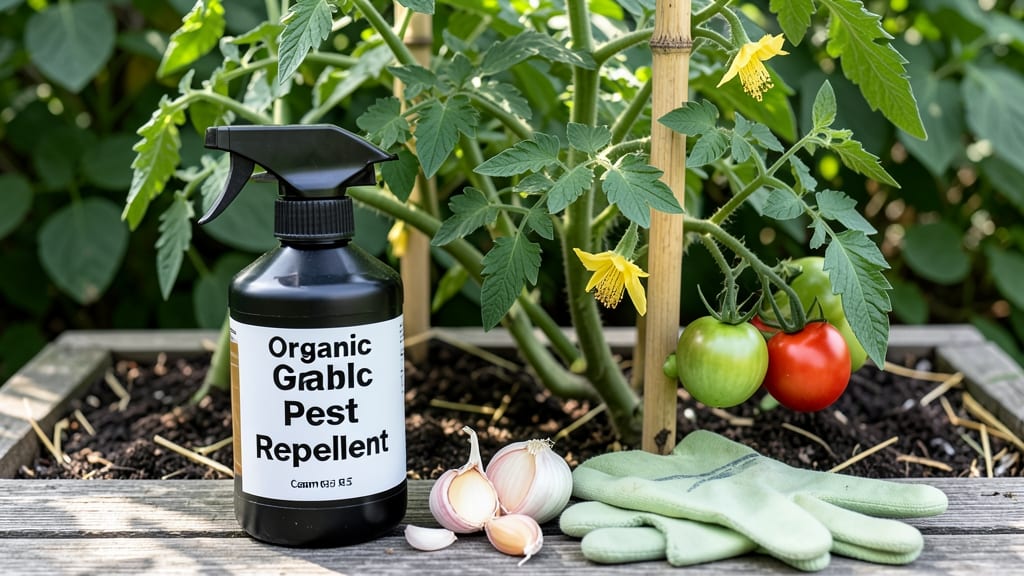
A single spray transforms your tomatoes from good to extraordinary. 🌱 This garlic spray isn’t just about pest control—it’s a flavor booster that makes homegrown tomatoes taste like they came from a farmer’s market.
The secret lies in its dual action: repelling insects while adding subtle garlic notes to the fruit itself.
You’ll need just three ingredients: garlic, water, and a carrier oil like vegetable or olive oil. The process takes less than 10 minutes, and you’ll use it every 7-10 days during the growing season.
It works against aphids, whiteflies, and even early signs of fungal diseases, but the real magic happens in the flavor department.
Your tomatoes will develop deeper, richer taste profiles—sweeter, more complex, and impossible to resist. The spray is safe for plants once fully dried, but always test a small leaf first. Store leftovers in the fridge for up to 2 weeks, shaking before each use.
This method outperforms store-bought sprays by being non-toxic, budget-friendly, and versatile—use it on peppers, herbs, and even roses. The best part? You’ll never want to go back to plain water sprays again.
📚 In This Guide
- What you need
- Instructions
- Tips and common mistakes
- Wrapping up and next steps
What you need
- ● Garlic: 1 head (about 6–8 cloves) – fresh, unpeeled, and organic if possible
- ● Water: 1 quart (32 oz) – filtered or distilled for best results
- ○ Alcohol (optional but recommended): 1 tbsp vodka or rubbing alcohol (70% or higher) – acts as a natural preservative
- ● Spray bottle: 16–32 oz glass or food-grade plastic – amber or dark-colored bottles protect from light
- ● Blender or mortar & pestle: – for crushing garlic into a fine paste
- ● Fine-mesh strainer or cheesecloth: – to filter out garlic bits
- ○ Funnel (optional): – for easy pouring into the spray bottle
- ● Clean workspace: – preferably outdoors or in a well-ventilated area
- ● Knife & cutting board: – for peeling garlic
- ● Measuring cup/spoon: – for precise liquid and alcohol ratios
- ○ Food-safe storage container (optional): – for storing unused spray if needed
- ○ Gloves (optional): – if you’re sensitive to garlic’s pungency
Step-by-step instructions for making garlic spray for tomatoes
Here's how to craft a potent, garden-safe garlic spray that boosts tomato flavor while keeping pests at bay.
🌱 Step 1: Harvest and Prepare Fresh Garlic
Select 3-4 cloves of fresh garlic—the more potent the better. Peel the cloves and chop them finely, aiming for pieces no larger than 1/8 inch. I like to use a garlic press for this step because it ensures even, fine mincing that releases maximum allicin, the compound that gives garlic its pest-repelling power and flavor-boosting properties.
Place the chopped garlic in a quart-sized mason jar and cover it with 1 cup of cold, filtered water. Let it steep at room temperature for 24 hours. You'll notice the water turns cloudy and develops a strong garlic aroma—this is your signal the allicin is activating. Avoid using hot water, as it deactivates the beneficial compounds.
💧 Step 2: Strain and Mix With Carrier Oil
After 24 hours, strain the garlic-infused water through a fine-mesh sieve or cheesecloth into a clean bowl. Discard the garlic solids. To this strained liquid, add 1 tablespoon of vegetable oil (like canola or olive oil) and 1 teaspoon of liquid dish soap. The oil helps the spray adhere to tomato leaves, while the soap acts as an emulsifier to blend the oil and water.
Mix thoroughly with a whisk or spoon until the solution is uniform. The mixture should have a milky appearance with a faint garlic scent. Transfer the spray to a spray bottle with a fine mist nozzle for easy application. This solution will keep in the refrigerator for up to 1 week, so make fresh batches regularly for maximum effectiveness.
☀️ Step 3: Apply to Tomato Plants at Critical Times
Spray your tomato plants with the garlic mixture early in the morning or late in the evening to avoid burning leaves in direct sunlight. Focus on the undersides of leaves, where pests like aphids and spider mites often hide. Apply until the foliage is lightly coated but not dripping wet—this ensures even coverage without creating conditions for fungal growth.
Reapply every 7-10 days or after heavy rain. You'll notice a few key changes: first, the tomato plants develop a stronger, more complex flavor; second, you'll see fewer signs of pest damage like chewed leaves or webbing. For best results, alternate garlic spray with neem oil spray to prevent pests from building resistance to either treatment.
✂️ Step 4: Monitor and Adjust for Maximum Effectiveness
After the first application, watch your tomato plants closely for 24 hours. If you notice any signs of leaf burn—yellowing edges or wilting—dilute the spray with more water (1 part spray to 2 parts water) for subsequent applications. This is especially important if your garden experiences high temperatures or intense sunlight.
Increase the frequency of applications if you see new pest activity. For example, if aphids return within a week, spray again immediately. The garlic spray works best as a preventative measure, so consistent application is key. You'll know it's working when your tomatoes develop a richer, more intense flavor—often described as sweeter and more aromatic than untreated plants.
Tips & tricks for perfect garlic spray application
Here's what nobody tells you about making this spray work its magic—these details make all the difference between good and exceptional results.
Steeping Secret: The 24-hour steeping time isn't just about flavor—it's about activating allicin, the compound that repels pests and enhances tomato flavor. Place your mason jar in a cool, dark spot (like a pantry) where the temperature stays consistent. If your kitchen gets warm, the allicin activates too quickly and can break down, reducing effectiveness. I've found that a temperature between 65-70°F works best for complete allicin development.
Straining Technique: When you strain the garlic-infused water in Step 2, don't rush it—press the garlic solids gently but firmly against the sieve or cheesecloth to extract every last drop of that potent liquid. The more concentrated your garlic base, the more effective your spray will be. I like to use a wooden spoon to press the solids, as it gives me better control than my fingers. This extra step ensures you're getting maximum pest-repelling power and flavor enhancement.
Application Timing: The early morning or late evening application window exists for a reason—it prevents leaf burn from sunlight. But here's the thing: if you must spray during the day, choose a cloudy day or spray only on the undersides of leaves where sunlight won't hit directly. I've seen gardeners accidentally burn their plants by spraying at midday, which defeats the whole purpose. The key is to keep the leaves moist but not saturated, especially in hot climates where evaporation happens quickly.
Storage Wisdom: While the spray keeps for up to 1 week in the refrigerator, I've noticed the potency actually peaks around day 3-4. After that, the garlic flavor starts to mellow. For maximum effectiveness, make fresh batches every 4-5 days. Also, always store the spray in its original spray bottle—glass containers can cause the oil to separate more quickly, making application uneven. The spray bottle's fine mist nozzle helps distribute the mixture evenly without clogging.
Pro Tips for Garlic Spray For Tomatoes
- Here's what nobody tells you about making this spray work its magic—these details make all the difference between goo...
- Steeping Secret: The 24-hour steeping time isn't just about flavor—it's about activating allicin, the compound that r...
- Straining Technique: When you strain the garlic-infused water in Step 2, don't rush it—press the garlic solids gently...
Frequently asked questions
Got questions about garlic spray for tomatoes? You’re not alone! Here are some of the most common queries—and their answers—to help you master this flavor-boosting trick like a pro.
How often should I spray garlic spray on my tomato plants?
Apply garlic spray every 7–10 days during the growing season (spring to early fall). For best results, start when plants are young and continue until harvest. Avoid spraying right before rain or heavy watering to let the mixture absorb. Consistency is key—think of it like giving your tomatoes a delicious vitamin shot!
How soon after applying garlic spray can I harvest my tomatoes?
Wait at least 24–48 hours before harvesting after a garlic spray application. This gives the mixture time to settle without lingering on the fruit. If you’re spraying late in the season, stop applications 2 weeks before harvest to avoid any residual taste. Patience pays off with sweeter, more flavorful tomatoes!
Can I use garlic spray on other vegetables besides tomatoes?
Garlic spray works wonders on peppers, cucumbers, eggplants, and even herbs like basil or parsley. Just adjust the dilution—use a 1:1 ratio (1 part garlic juice to 1 part water) for delicate plants and 1:2 (stronger) for heartier veggies. It’s a natural pest deterrent and flavor enhancer—win-win!
What should I do if my tomatoes taste too strong or bitter after spraying?
Overdoing garlic spray can sometimes make tomatoes taste too intense. To fix this, reduce the concentration (try 1 part garlic juice to 3 parts water) or space applications farther apart (every 2 weeks instead of weekly). If the issue persists, rinse the tomatoes thoroughly with water before eating. Balance is everything—like seasoning a perfect dish!
Are there alternatives to garlic spray for tomato flavor?
Yes! If garlic isn’t your thing, try these natural boosters:
- Herb sprays: Basil, oregano, or thyme infusions add depth.
- Fish emulsion: A nutrient-rich fertilizer that enhances sweetness.
- Compost tea: Packed with microbes to improve flavor and health.
- Coffee grounds: Sprinkle around plants to deter pests and add nitrogen.
Wrapping up and next steps
Transforming your tomato harvest with a simple garlic spray is easier—and more rewarding—than you might think! This natural, flavor-packed solution not only boosts taste but also deters pests and strengthens your plants.
Whether you're a seasoned gardener or just starting out, this recipe is your secret weapon for a bountiful, delicious crop. 🌱✨
Ready to elevate your garden game? Grab your garlic, spray bottle, and a little enthusiasm—then get spraying! Your tomatoes (and taste buds) will thank you. What are you waiting for? Try it this season!