
Vegetables
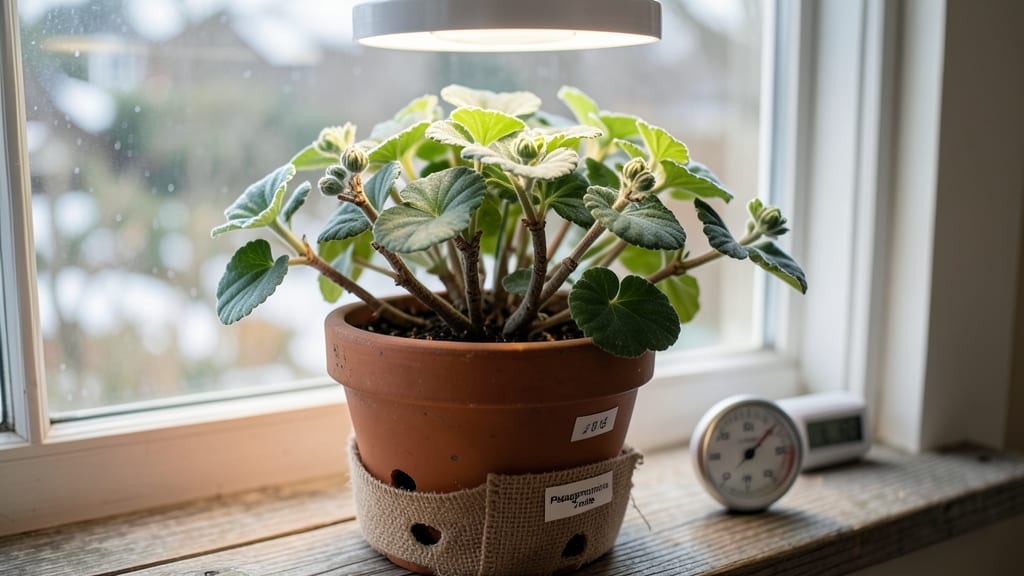
Your geraniums can survive the geranium during winter—here’s how to revive them for next year’s blooms. 🌱 I’ve brought mine through three winters with just a few simple steps, and they always bounce back with vibrant color by spring.
First, know your geranium type: tender varieties (like those in pots) need indoor shelter, while hardy zone 5-7 plants can stay outside with protection. My potted geraniums thrive on a sunny windowsill through winter, while outdoor plants get a thick mulch layer to insulate roots.
Prune back leggy growth in early spring, and adjust watering—indoor plants need less, while outdoor ones stay dormant. The key is consistency: no sudden temperature swings or soggy soil, which causes rot. Works for balcony planters, garden beds, or even container gardens. Let’s keep those blooms coming!
📚 In This Guide
- What you need
- Instructions
- Tips and common mistakes
- Wrapping up and next steps
What you need
- ● Geranium plants: Hardy varieties like Pelargonium zonale or Pelargonium peltatum (avoid tender tropical types).
- ● Containers: 1–2 sturdy pots per plant (10–12 inches in diameter) with drainage holes, or a cold frame if outdoors.
- ● Potting mix: 1–2 bags of well-draining, peat-based or cactus/succulent mix (avoid heavy garden soil).
- ● Mulch: 1–2 bags of straw, pine needles, or shredded leaves (for outdoor protection).
- ● Pruning shears: Sharp, clean pair to trim back foliage by ⅓.
- ● Fertilizer: Balanced, slow-release granules (5–10–5 ratio) or liquid fertilizer diluted to half-strength.
- ● Watering can or hose: With a gentle spray nozzle for hydration.
- ● Grow lights: LED bulbs (6–12 inches above plants) for indoor setups with limited sunlight.
- ● Thermometer: To monitor indoor temps (ideal: 45–55°F).
- ● Insecticidal soap: For treating aphids or spider mites (common winter pests).
- ● Burlap or frost cloth: To wrap pots if temps drop below 20°F.
- ● Humidity tray: A shallow tray with pebbles and water to boost moisture in dry indoor air.
How to overwinter geraniums for next season's blooms
Here's how I keep my geraniums thriving through winter—no fancy equipment, just smart care.
🪴 Step 1: Prepare Geraniums for Indoor Transition
Start by examining each plant for healthy stems and leaves. Trim back any leggy growth or damaged foliage with clean scissors, cutting just above a leaf node. This encourages fresh growth and prevents disease when you bring them inside. I like to do this in early fall, about 6 weeks before frost, when nights start dropping below 50°F.
Remove geraniums from pots and gently loosen the roots if they're root-bound. This prevents shock later. Place them in clean pots with fresh potting mix—the same type you used in spring, but amended with a little perlite for better drainage. Water lightly before moving indoors, but don't soak the roots. You want them slightly moist, not soggy.
☀️ Step 2: Create Ideal Indoor Light and Temperature
Geraniums need bright light to survive winter, but most homes don't have enough natural light. Position them near a south-facing window where they'll get at least 6 hours of indirect light daily. If your windows are dim, supplement with a grow light for 12-14 hours per day. I use a simple LED bulb on a timer—it keeps them from stretching out and getting weak.
Keep temperatures between 60-70°F during the day and 55-60°F at night. Avoid drafts, radiators, or sudden temperature swings. If leaves start yellowing or dropping, it's usually a sign of too much heat or dry air. A humidifier nearby helps, but don't overdo it—geraniums prefer slightly dry conditions.
💧 Step 3: Adjust Watering for Dormancy-Like Care
Winter watering is the trickiest part. Reduce watering by half compared to summer—geraniums go into a natural semi-dormant state. Water only when the top inch of soil feels dry, usually every 10-14 days. Overwatering is the #1 killer of overwintering geraniums, so I always check with my finger before watering.
Use room-temperature water and water at the base of the plant, avoiding the leaves. This prevents fungal diseases like powdery mildew, which love the dry indoor air. If you notice leaves wilting slightly, it's often a sign they need water—but if they stay wilted for more than a day, you might be overwatering.
✂️ Step 4: Prune and Fertilize for Spring Revival
In late winter (around February), give your geraniums a hard prune—cut back all stems to about 2-3 inches from the base. This might sound drastic, but it encourages bushier, stronger growth. I use sharp scissors and make clean cuts at a 45-degree angle just above a leaf node. Discard the pruned stems—don't compost them if they're diseased.
After pruning, switch to a balanced liquid fertilizer (like 10-10-10) diluted to half strength. Start fertilizing every 4-6 weeks in early spring, as new growth appears. This jumpstarts their metabolism after dormancy. Watch for new leaves—when they're bright green and firm, your geraniums are ready to move back outside.
⏰ Step 5: Acclimate and Replant Outdoors
About 2 weeks before your last frost date, start hardening off your geraniums. Move them outside for 1-2 hours daily, gradually increasing their time outdoors. Choose a sheltered spot like a porch or garage to protect them from wind and cold snaps. This slows down the shock of sudden temperature changes.
Once nighttime temperatures stay above 50°F consistently, replant your geraniums in the garden. I like to do this in early May in most climates. Choose a sunny spot with well-draining soil, and water deeply after planting. Within a few weeks, you'll see fresh growth—and by summer, those familiar blooms will return.
Tips & tricks for perfect geranium revival through winter
Here's what nobody tells you about keeping your geraniums alive and thriving when winter hits—these are the secrets that'll save your plants from the cold.
Timing is Everything: That 6-week window before frost is your golden opportunity to prep your geraniums. I learned this the hard way after bringing mine in too late one year—they struggled all winter and barely recovered. Mark your calendar now: count back 6 weeks from your average first frost date. This gives your plants time to adjust gradually to indoor conditions without shock.
Light Strategy: The 12-14 hours of grow light isn't just about extra light—it's about mimicking summer daylight. I use a simple LED bulb on a timer because geraniums need that consistent light cycle to stay healthy. If you notice them stretching toward the light (called "etiolation"), they're begging for more. Rotate your plants weekly so all sides get even exposure—this prevents lopsided growth.
Watering Wisdom: That top inch dry rule is non-negotiable in winter. I can't stress this enough: overwatering is what kills most overwintering geraniums. Use your finger to check—if the soil feels damp just below the surface, wait another day. The 10-14 day watering schedule might seem long, but remember, geraniums are semi-dormant in winter. They don't need as much water, and soggy soil leads to root rot faster than you'd think.
Pruning Preparation: When you do that hard prune in February, don't throw away those cuttings! Place them in a glass of water near a sunny window—many will root and give you free baby geraniums for next year. Just be patient; it might take 4-6 weeks. This is also a great time to sterilize your pruning shears with rubbing alcohol to prevent spreading any diseases that might have been hiding in your plants over winter.
Pro Tips for Geranium During Winter
- Here's what nobody tells you about keeping your geraniums alive and thriving when winter hits—these are the secrets t...
- Timing is Everything: That 6-week window before frost is your golden opportunity to prep your geraniums. I learned th...
- Light Strategy: The 12-14 hours of grow light isn't just about extra light—it's about mimicking summer daylight. I us...
Frequently asked questions
Got questions about keeping your geraniums thriving through winter? You’re not alone!
Here are some of the most common concerns—and easy solutions—to help your plants survive the cold months with minimal fuss.
Can geraniums survive frost, or do I need to bring them indoors?
Most geraniums (especially Pelargonium varieties) are not frost-tolerant—they’ll die if temps drop below 25°F (-4°C). For outdoor plants, move them to a sheltered spot (like a garage or under eaves) or dig up pots and store them indoors in a cool, dry place. Hardy geraniums (like Cranesbill) can handle light frost but still need protection.
When is the best time to bring geraniums inside for winter?
Wait until the first frost (usually late fall) to avoid shocking the plants. Trim back leggy stems by ⅓ to reduce stress, and let the soil dry slightly before storing. If you move them too early, they may start growing indoors—not ideal for dormancy! Aim for October–November in most climates.
How do I store geraniums over winter without them dying?
Store them in a cool (40–50°F / 4–10°C), dark, and dry spot (like a basement or unheated garage). Place pots on a tray to catch excess moisture, and water sparingly—only enough to prevent the soil from drying out completely. Check them monthly for rot or pests!
Can I keep geraniums in pots indoors over winter?
Yes! If space allows, place them near a bright window (south-facing is best) or under grow lights. Reduce watering to once every 2–3 weeks, and avoid fertilizing until spring. Watch for spider mites—dry indoor air loves them! If leaves yellow, it’s often overwatering.
What’s the best way to revive geraniums after winter storage?
In early spring (March–April), repot if roots are crowded, trim dead growth, and gradually reintroduce water. Place them in indirect sunlight for a week to avoid sunburn. Once outdoors, harden them off (acclimate to sun/wind) before planting—sudden exposure can shock them!
Are there frost-hardy geranium alternatives for winter color?
If you love geraniums but hate winter fuss, try hardy geraniums like Geranium macrorrhizum (creeping geranium) or Geranium sanguineum, which tolerate down to 0°F (-18°C) with mulch. For pots, heuchera or hebe offer winter interest with less drama!
Wrapping up and next steps
Caring for geraniums during winter doesn’t have to be a challenge—with the right strategies, you can keep them thriving and ready to burst into color when spring arrives! 🌱 Whether you’re bringing them indoors, protecting them from frost, or adjusting their care routine, your efforts will pay off in vibrant blooms and lush foliage. Now’s the perfect time to act: assess your plants, gather supplies, and implement the steps that work best for your climate.
Ready to give your geraniums the winter love they deserve? Start today! Pick one tip from this guide—like moving them indoors or insulating pots—and watch your hard work transform into a stunning spring display. Happy gardening! 🌸