
Vegetables
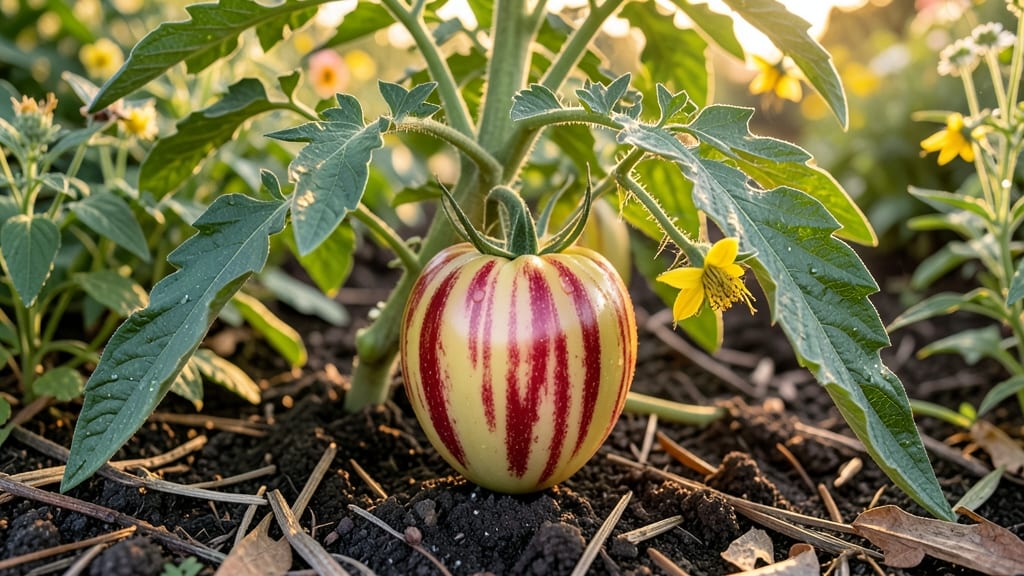
Growing German Striped heirloom tomatoes transforms your garden into a work of art. 🌱 These striking striped beauties aren't just pretty—they pack a sweet, tangy flavor that keeps you reaching for seconds. My first harvest had me questioning why I'd never grown them before.
The secret to their success lies in rich, well-draining soil and consistent moisture—never let them dry out. Plant after your last frost when soil reaches 60°F, spacing plants 24-36 inches apart to give them room to sprawl.
They thrive in full sun (6-8 hours daily) and love a little extra calcium to prevent blossom-end rot. You'll start seeing fruit in 70-80 days, with clusters of 1-2 pound tomatoes sporting their signature striped pattern. The flavor improves as they ripen, so wait for full color before picking.
A simple pruning routine keeps plants focused on fruit production rather than leaf growth. Works beautifully in containers (5-gallon pots) or in-ground beds—just adjust spacing. The real magic happens when you slice into one for the first time, revealing that marbled interior and burst of flavor.
Here's how to grow them like a pro!
📚 In This Guide
- What you need
- Instructions
- Tips and common mistakes
- Wrapping up and next steps
What you need
- ● Seeds: 3–5 German Striped Heirloom Tomato seeds (or 1–2 plants if buying transplants).
- ● Containers or Garden Space: 5-gallon pots (1 per plant) or
- ● Well-draining soil in a raised bed or in-ground plot (6+ ft apart for spacing).
- ● Potting Mix: High-quality, organic tomato soil blend (avoid garden soil—it’s too dense!).
- ● Fertilizer: Balanced organic fertilizer (e.g., 5-5-5 or compost tea) and tomato-specific food (high in potassium).
- ● Support: 6–8 ft tall cage or trellis (stakes alone won’t cut it—these tomatoes get heavy!).
- ● Watering Can or Hose: With a gentle spray nozzle (drip irrigation is ideal).
- ● Mulch: Straw or shredded leaves (to retain moisture and deter weeds).
- ● Pruning Shears: Sharp, sterilized shears for trimming suckers and dead leaves.
- ● pH Test Kit: To ensure soil pH is between 6.0–6.8 (tomatoes are picky!).
- ● Sunlight: 6–8+ hours of full sun daily (no shade-loving shortcuts here!).
- ● Patience: 70–90 days until harvest (timing varies by climate).
- ● Grow Lights: For indoor starts or cloudy climates.
- ● Row Covers: To protect seedlings from pests or late frosts.
- ● Fish Emulsion or Seaweed Extract: For a nutrient boost during flowering.
- ● Tomato Cage Extender: If your plants outgrow their support.
- ● Journal: To track growth, watering, and fertilizer schedules.
Step-by-step guide to growing german striped heirloom tomatoes
This striking heirloom rewards patience with bold flavors and dramatic striped fruit—here's how to grow it like a pro.
🌱 Step 1: Start Seeds Indoors for Strong Transplants
Begin seeds 8-10 weeks before your last frost date in biodegradable seed pots filled with sterile seed-starting mix. German Stripeds germinate best at 75-85°F, so use a heat mat if your home runs cooler. Plant seeds ¼ inch deep—any deeper delays germination as the seedling struggles to reach light.
Cover pots with plastic wrap to retain moisture and warmth, then place under grow lights (not just a window) for 14-16 hours daily. You'll see cotyledons (first true leaves) in 7-10 days. Once seedlings emerge, remove the plastic immediately—trapped moisture invites damping-off, which kills young plants overnight.
☀️ Step 2: Harden Off and Transplant After Frost
Two weeks before transplanting, start hardening off seedlings by moving them outdoors for 1-2 hours daily in a sheltered spot. Gradually increase exposure over 10-14 days, ending with full sun. German Stripeds need full sun (6+ hours daily)—plant in a location with south or southwest exposure for best results.
Transplant after soil reaches 60°F and all frost risk has passed. Bury seedlings deeper than usual—up to the first set of true leaves—to encourage strong root development. Space plants 24-36 inches apart in rows 3 feet apart to allow for their indeterminate growth habit and prevent disease spread.
💧 Step 3: Support and Water for Maximum Yield
Install sturdy cages or trellises immediately after transplanting—German Stripeds grow 6-8 feet tall and need support to prevent sprawling. Use galvanized wire cages (at least 5 feet tall) or heavy-duty stakes with twine. Prune suckers (side shoots) regularly to direct energy into fruit production.
Water deeply 1-2 times weekly, aiming for 1-1.5 inches per week. Keep soil consistently moist but never soggy—German Stripeds are prone to blossom end rot if calcium uptake is disrupted by uneven moisture. Mulch with 2-3 inches of straw to retain soil moisture and suppress weeds.
✂️ Step 4: Prune and Fertilize for Peak Production
Pinch off the first flower clusters when the plant reaches 3 feet tall to encourage stronger stem development. Once established, remove suckers (shoots in the leaf axils) to improve airflow and reduce disease risk. German Stripeds benefit from side-shooting—allow 2-3 main stems per plant for balanced growth.
Fertilize every 2-3 weeks with a balanced organic fertilizer (10-10-10 or similar) once flowers appear. Reduce nitrogen after fruiting begins—too much greenery at this stage diverts energy from fruit development. Watch for yellowing lower leaves, a sign of over-fertilization or poor drainage.
🍅 Step 5: Harvest and Preserve the Striped Beauty
German Striped tomatoes ripen 70-85 days after transplanting, starting with green shoulders that turn pink and finally deep red with bold yellow stripes. Harvest when fruit is fully colored but still slightly firm—overripe tomatoes lose flavor and texture quickly. Twist gently at the stem to avoid damaging the plant.
Store ripe tomatoes at room temperature (not the fridge) for best flavor. Preserve extras by slicing and drying, making sauce, or fermenting—their unique striped pattern makes them a stunning addition to any pantry. Save seeds from the best fruits for next year’s garden by fermenting and drying them properly.
Tips & tricks for perfect german striped heirloom tomato cultivation
These game-changing insights will help you coax the most dramatic striped tomatoes from your garden—without the common pitfalls.
Germination Temperature: The 75-85°F range is non-negotiable for German Striped seeds. If your home runs cooler, invest in a heat mat—cold soil delays germination by days, and impatient gardeners often give up too soon. Pro tip: Place seeds on a heating pad set to low under your seed tray for consistent warmth.
Lighting Strategy: Those 14-16 hours of grow light daily aren't just numbers—they're the difference between leggy, weak seedlings and stocky, vibrant plants. Use full-spectrum LED grow lights positioned 2-3 inches above seedlings. Rotate trays daily so all sides get even light exposure, preventing plants from leaning toward the window.
Transplanting Depth: Burying seedlings up to their first true leaves might seem counterintuitive, but this buried stem grows roots along its length, creating a stronger plant. When transplanting, make a deep hole and gently straighten the stem as you lower it—no kinks! The extra root mass translates directly to bigger, striped tomatoes later in the season.
Blossom End Rot Prevention: The 1-1.5 inches of water weekly isn't just about keeping soil moist—it's about consistency. Use a rain gauge to measure accurately, and water at the base (not overhead) to prevent fungal diseases. For extra insurance, add crushed eggshells to planting holes before transplanting—the calcium helps prevent that unsightly blossom end rot that ruins so many heirlooms.
Pro Tips for German Striped Heirloom Tomato
- These game-changing insights will help you coax the most dramatic striped tomatoes from your garden—without the commo...
- Germination Temperature: The 75-85°F range is non-negotiable for German Striped seeds. If your home runs cooler, inve...
- Lighting Strategy: Those 14-16 hours of grow light daily aren't just numbers—they're the difference between leggy, we...
Frequently asked questions
Got questions about growing or enjoying German Striped Heirloom Tomatoes? You’re not alone! Here are answers to the most common queries—from planting to troubleshooting—so you can savor these striped beauties with confidence.
When is the best time to plant German Striped Heirloom Tomatoes?
Plant seeds indoors 6–8 weeks before your last frost date (typically March–April in most U.S. zones). Transplant seedlings outdoors after soil warms to 55°F+ and nighttime temps stay above 50°F. For cooler climates, use row covers or start later to avoid blossom-end rot.
How do I tell if my German Striped Tomatoes are ripe?
Look for a deep, consistent red color with no green (even the stripes should fade to rich red). The tomato should yield slightly to gentle pressure and smell sweet at the stem. Pro tip: If birds are snacking first, harvest when half-ripe and ripen indoors!
Why are my German Striped Tomatoes cracking?
Cracking usually means uneven watering—soak soil deeply 1–2 times/week (1–2 inches of water) and mulch to retain moisture. Avoid overhead watering, which swells fruit too fast. For extra insurance, prune lower leaves to improve airflow and reduce humidity.
Can I substitute German Striped Tomatoes in recipes?
Their sweet, meaty texture makes them ideal for slicing, salads, or sauces. Swap 1:1 for other heirlooms like Brandywine or Cherokee Purple. For raw dishes, their bold flavor shines—try them in caprese skewers or striped tomato bruschetta!
Are German Striped Tomatoes disease-resistant?
Not highly resistant, but their thick skin helps reduce cracking and some rot. To prevent issues: rotate crops yearly, use disease-free seeds, and space plants 2–3 feet apart for airflow. Caution: Watch for early blight—remove affected leaves immediately!
How should I store unripe German Striped Tomatoes?
Store at room temperature (60–70°F) in a paper bag with a banana or apple to speed ripening. Avoid refrigeration until fully ripe—it dulls flavor and texture. For long-term storage, freeze peeled, chopped tomatoes in sauces or purees.
Wrapping up and next steps
There you have it—the German Striped Heirloom Tomato is more than just a feast for the eyes; it’s a burst of flavor, history, and versatility in every slice!
Whether you’re growing your own or savoring one fresh from the farmers' market, this striped gem adds a touch of je ne sais quoi to any dish. 🌱✨
Ready to take your culinary (or gardening!) skills to the next level? Start experimenting—grow your own, try a new recipe, or share the love by gifting these beauties to fellow foodies. Your taste buds (and your garden) will thank you!