
Vegetables
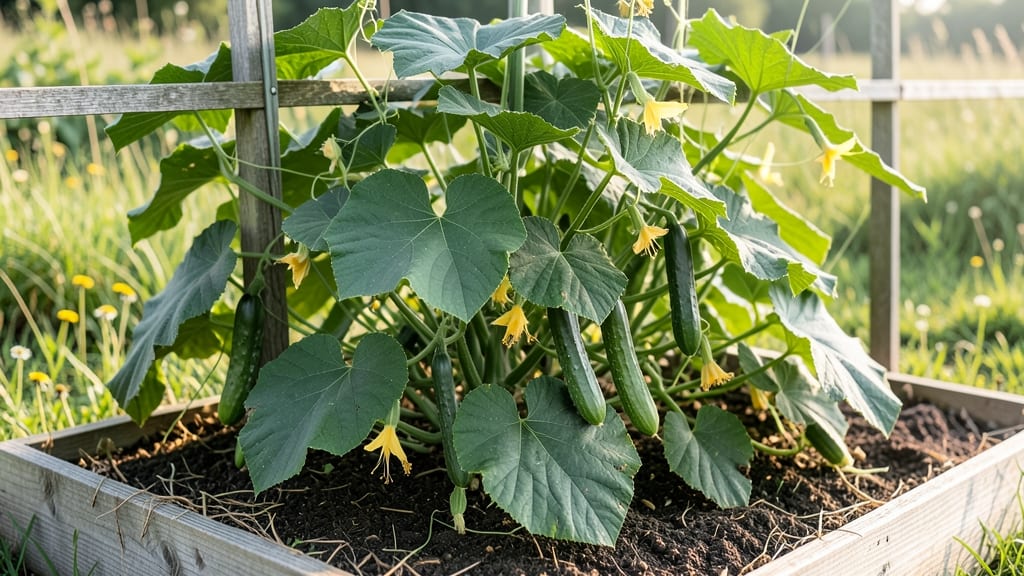
Growing Giant Russian cucumbers in containers is how I discovered that bold striped harvests don't require a backyard—just a sunny spot and the right technique. These cucumbers aren't just pretty with their zebra stripes; they grow up to 3 feet long, making them the showstopper of any summer garden.
The secret lies in their love for warmth and vertical space, which means even small patios can produce bushels of these unique cucumbers.
Start with a 5-gallon container or larger, filled with well-draining potting mix rich in compost. Plant seeds 1 inch deep after the last frost when soil reaches 60°F, and keep them in a warm spot until sprouts appear.
These cucumbers thrive in full sun (6+ hours daily) and need consistent moisture—think of them like thirsty teenagers who can't handle neglect. A trellis or sturdy cage keeps vines off the ground, preventing disease and making harvesting easier.
By midsummer, you'll be snipping 12-inch cucumbers straight from the vine, their stripes more dramatic in person than in photos. The key to success? Hand-pollination (gentle shaking helps) and regular pruning to encourage airflow.
Even in containers, a single plant can yield 10-20 pounds of cucumbers, enough to share with neighbors or freeze for winter. The first bite is always a surprise—crisp, sweet, and packed with flavor that store-bought can't match.
For those in cooler climates, extend the season with row covers or grow them indoors near a sunny window until outdoor temps warm up. Pair them with beans or radishes to improve soil health, and watch out for powdery mildew—circulation is your best defense.
With these tips, you'll go from container to harvest faster than you think, and every striped cucumber will feel like a victory.
📚 In This Guide
- What you need
- Instructions
- Tips and common mistakes
- Wrapping up and next steps
What you need
- ● Giant Russian cucumber seeds (e.g., ‘Russian Ribbon’ or ‘Russian Giant’ varieties) – 3-5 seeds per container (thin to 1-2 plants).
- ● Large containers – 5-gallon buckets or fabric grow bags (24"+ deep) with drainage holes. Pro tip: 💡 Use 2-3 containers per plant for sprawling vines!
- ● High-quality potting mix – 10-12 quarts per container. Opt for a lightweight, well-draining blend (e.g., 60% potting soil + 30% compost + 10% perlite).
- ● Organic fertilizer – Balanced 10-10-10 or compost tea (follow label for dilution). 🌡️ Feed every 2-3 weeks once vines start flowering.
- ● Trellis or sturdy stakes – 6-8 ft tall (bamboo or metal cages work great).
- ● Mulch – Straw or shredded leaves (2-3 inches thick) to retain moisture.
- ● Drip irrigation or watering can – Consistent moisture is key!
- ● Pruning shears – For trimming vines and removing suckers.
- ● Gloves & sun hat – ☀️ Protect yourself while working in the heat!
- ○ Row cover or shade cloth (optional) – 30-50% shade for hot climates.
- ○ Epsom salt (optional) – 1 tbsp per gallon of water monthly for magnesium boost.
- ○ Compost or worm castings (optional) – Mix into soil for extra nutrients.
Step-by-step instructions for growing Giant Russian cucumbers in containers
Here's how I grow bold, striped cucumbers that thrive in limited space with minimal fuss.
🌱 Step 1: Select and Prepare the Right Container
Choose a container that's at least 18 inches deep and 12 inches wide—Giant Russian cucumbers need room to sprawl. I use a 5-gallon fabric grow bag because it drains well and prevents root circling. Make sure it has drainage holes; if not, drill them yourself. Fill the container with high-quality potting mix mixed with 20% compost for nutrients. This ensures your cucumbers have the space to develop their massive vines.
Before planting, soak the container with water until it drains freely from the bottom. This pre-moistening helps establish roots quickly. I like to add a handful of slow-release fertilizer mixed into the top inch of soil—this gives the plants a nutrient boost right when they need it most.
☀️ Step 2: Plant Seeds or Transplants at the Right Time
Start seeds indoors 4-6 weeks before your last frost date if your climate is cool, or sow directly in the container after all danger of frost has passed. Giant Russian cucumbers thrive in warm soil—wait until soil temperatures reach at least 65°F before planting. Plant 3-4 seeds per container, burying them 1 inch deep in the soil. If using transplants, space them 6 inches apart to avoid overcrowding.
After planting, water gently but thoroughly to settle the soil around the seeds or roots. Keep the soil consistently moist, but not soggy—cucumbers hate waterlogged roots. Place the container in a sunny spot where it will receive at least 6-8 hours of direct sunlight daily. If your space is shady, supplement with a grow light to ensure strong, healthy growth.
💧 Step 3: Train Vines and Provide Support Early
Giant Russian cucumbers are vigorous climbers, so install a trellis, cage, or strong stakes as soon as you see the first true leaves. I use a 5-foot tall tomato cage because it gives the vines plenty of vertical space to sprawl. Gently tie the main stem to the support with soft plant ties or old fabric strips—this prevents the vines from snapping in wind or heavy fruit.
Prune any side shoots that form below the first 6 inches of the main vine to encourage upward growth. This isn’t just about aesthetics—it directs the plant’s energy into producing longer, straighter vines with more fruit. Water at the base of the plant in the morning to keep foliage dry, which helps prevent fungal diseases like powdery mildew.
✂️ Step 4: Harvest and Maintain for Maximum Yield
Harvest cucumbers when they reach 10-12 inches long and have developed their bold stripes—this ensures they’re at peak flavor and texture. Use a sharp pair of pruning shears or your fingers to twist the fruit gently from the vine. Cutting can damage the plant, so avoid using scissors too close to the stem. Harvesting regularly encourages the plant to produce more fruit, so check the vines every 2-3 days during peak production.
Fertilize every 3-4 weeks with a balanced liquid fertilizer diluted to half strength. Over-fertilizing can lead to excessive leaf growth at the expense of fruit production. If you notice yellowing leaves, it’s a sign of nitrogen deficiency—add a small handful of compost to the soil surface and water it in. Keep the container well-watered, especially during hot weather, as cucumbers need consistent moisture to develop their signature size and flavor.
Tips & tricks for growing bold striped Giant Russian cucumbers
These practical insights will help you coax those massive, flavorful cucumbers from your container garden with confidence.
Container Depth Matters: The 18-inch minimum depth requirement isn't arbitrary—Giant Russian cucumbers develop sprawling root systems that need room to establish. I've seen containers that looked "big enough" fail when roots hit the bottom too soon. If you're working with shallower pots, consider nesting two containers or using a deep fabric grow bag that allows roots to expand downward without restriction.
Soil Temperature Secret: That 65°F soil temperature threshold is non-negotiable for germination and early growth. I've learned the hard way that cooler soil delays everything—seeds take longer to sprout, roots grow slower, and plants become more susceptible to disease. Use a soil thermometer to verify temperature before planting, especially in spring or fall. If your soil runs cold, consider using black plastic mulch to absorb and retain heat.
Support System Strategy: Installing your trellis or cage at the first sign of true leaves (not cotyledons) gives vines the vertical space they need to develop their signature length. I've seen plants struggle when support comes too late—they become top-heavy and prone to breaking under the weight of those 12-inch cucumbers. Use soft plant ties that won't damage stems as vines grow thicker, and always tie at the base of new growth to encourage upward expansion.
Harvest Timing Precision: The 10-12 inch size window is critical for both flavor and texture. Waiting too long results in seedy, bitter cucumbers, while harvesting too early means missing the peak of that bold striped pattern. I've found that checking vines every 2-3 days during peak production (typically late afternoon) gives me the best balance—cucumbers grow fastest in warm conditions, so morning harvests might find them already overgrown.
Pro Tips for Giant Russian Cucumber
- These practical insights will help you coax those massive, flavorful cucumbers from your container garden with confid...
- Container Depth Matters: The 18-inch minimum depth requirement isn't arbitrary—Giant Russian cucumbers develop sprawl...
- Soil Temperature Secret: That 65°F soil temperature threshold is non-negotiable for germination and early growth. I'v...
Frequently asked questions
Got questions about growing giant Russian cucumbers?
You’re not alone! Here are answers to the most common queries—from container setup to troubleshooting—so you can crush your harvest with confidence.
Can I grow giant Russian cucumbers in containers?
These vines thrive in containers as long as the pot is at least 5 gallons (bigger is better for bold striped cucumbers). Use a well-draining mix with compost, and add a trellis or cage to save space. Just ensure the container has drainage holes to prevent root rot. Pro tip: Place pots in a sunny spot (6+ hours of light) and rotate them occasionally for even growth!
How long does it take for giant Russian cucumbers to mature?
From seed to harvest, count on 50–70 days for these giants to reach their full, striped glory. Start seeds indoors 4–6 weeks before your last frost (or direct-sow after soil warms to 60°F+). Female flowers appear first—look for tiny cucumbers 1–2 inches long to pick for maximum size potential. Patience pays off with 12–18-inch monsters!
What’s the difference between giant Russian cucumbers and regular cucumbers?
Giant Russian cucumbers are heirloom varieties prized for their bold stripes, massive size, and sweet, less bitter taste. Unlike slicing cucumbers (like ‘Straight Eight’), they’re not bred for uniformity—expect lopsided, 1–2 lb monsters with thick, tender skin. They’re perfect for pickling, spiralizing, or slicing into giant "cucumber sandwiches"!
Why aren’t my giant Russian cucumbers growing? Troubleshooting tips.
Common issues and fixes:
- Slow growth: Check sunlight (they need full sun) and soil moisture (keep it consistently damp, not soggy).
- Yellow leaves: Overwatering or nutrient deficiency. Let soil dry slightly between waterings and add balanced fertilizer (10-10-10).
- No fruit: These cucumbers are parthenocarpic (self-pollinating), but poor pollination can still happen. Gently shake vines or hand-pollinate with a paintbrush.
- Powdery mildew: Improve airflow, avoid wetting leaves, and spray with neem oil if needed.
Can I save seeds from giant Russian cucumbers?
Yes! These are open-pollinated, so you can save seeds for next year. Scoop out seeds from a fully ripe cucumber, ferment them in water for 3–5 days (this removes bad seeds), then rinse, dry, and store in a cool, dark place. Label them well—giant Russian cucumbers are not hybrid, so your harvest will stay true!
Wrapping up and next steps
Growing giant Russian cucumbers in containers is a rewarding adventure—packed with flavor, visual appeal, and surprisingly easy care! 🌱 Whether you’re a seasoned gardener or a curious beginner, these bold-striped beauties prove that big harvests don’t need big spaces.
With the right setup, patience, and a dash of creativity, you’ll soon be savoring homegrown cucumbers that steal the show.
Ready to dive deeper? Start small: Try one container this season, experiment with trellises, and track your progress. Before you know it, you’ll be sharing your monster-sized cucumbers with neighbors—and maybe even expanding your garden empire! 🌟