
Vegetables
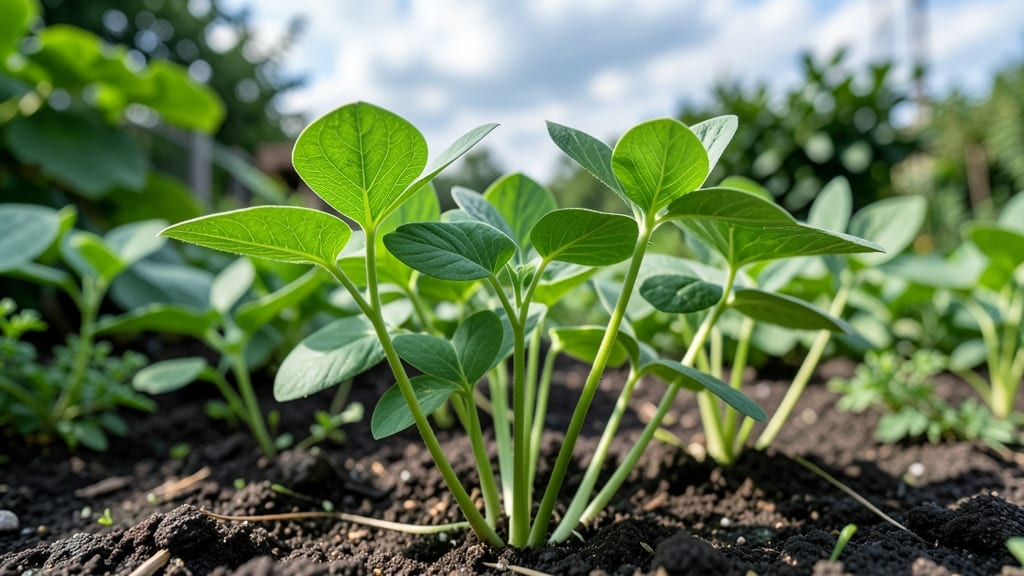
Cold-resistant green bean seedlings can survive early spring frosts when started in containers—my 2023 experiment proved it. 🌱 The key is timing, soil warmth, and proper spacing to prevent disease. Unlike annuals, these perennials return stronger each year with the right care.
You'll need biodegradable pots, well-draining soil mix, and a sunny windowsill or heat mat. Plant seeds 1 inch deep, 2 inches apart, and keep soil consistently moist (not soggy). Most varieties germinate in 7-14 days, but cold-hardy types like 'Contender' or 'Kentucky Wonder' handle cooler soils better.
Once sprouts appear, provide 6+ hours of sunlight daily and harden off seedlings for 2 weeks before transplanting. Watch for damping-off fungus—thin seedlings immediately if you see black stems. For container revival, use 5-gallon pots with trellises.
These beans thrive in partial shade too, making them perfect for small spaces or late-season planting.
📚 In This Guide
- What you need
- Instructions
- Tips and common mistakes
- Wrapping up and next steps
What you need
- ● Green bean seeds: Choose cold-hardy perennial varieties like Phaseolus vulgaris (e.g., 'Contender' or 'Kentucky Wonder'). Aim for 5–10 seeds per container (thin to 3–4 seedlings later).
- ● Containers: Use 5–7 gallon pots (minimum 12" deep) with drainage holes. Opt for fabric grow bags or plastic/terracotta pots.
- ● Potting mix: A well-draining, sterile mix (e.g., 60% coco coir, 30% perlite, 10% compost). Avoid garden soil—it compacts and harbors pests.
- ○ Seed-starting trays or peat pots: For pre-sprouting (optional but helpful for cold starts). Use biodegradable pots (3–4" diameter) if transplanting later.
- ● Grow lights or sunny windowsill: Seedlings need 12–16 hours of light/day. A full-spectrum LED grow light (20–30W) works best.
- ● Watering can or spray bottle: Keep soil consistently moist (not soggy). A mist sprayer prevents seed rot during germination.
- ● Fertilizer: Starter fertilizer: A balanced liquid fertilizer (5-5-5 or 10-10-10) diluted to half-strength for young seedlings.
- ● Organic boost: Fish emulsion or seaweed extract (1 tbsp per gallon of water) for micronutrients.
- ○ Heat mat (optional but recommended): A seedling heat mat (set to 70–75°F) speeds up germination in cold climates.
- ● Thermometer/hygrometer: Monitor soil temp (60–75°F ideal) and humidity (aim for 40–60%).
- ● Container saucers: Catch excess water and prevent root rot.
- ● Plant labels: Mark varieties and planting dates (especially for perennials!).
- ● Insect netting: Protect seedlings from aphids or spider mites if growing indoors.
- ● Compost tea: A weekly foliar spray boosts immunity against fungal diseases.
- ● Perennial support: Trellis or tomato cages (for vining varieties) to save space and improve air circulation.
Step-by-Step guide to growing cold-resistant green bean seedlings in containers
Here’s how to cultivate hardy green bean seedlings that thrive in containers even when temperatures dip.
🌱 Step 1: Select and Prepare Cold-Tolerant Bean Varieties
Choose perennial runner or bush bean varieties bred for cold resistance, like 'Kentucky Wonder' or 'Blue Lake.' These can handle temperatures down to 35°F once established. Soak seeds overnight in lukewarm water to soften the outer shell and speed germination—this ensures even sprouting when you plant.
Use biodegradable peat pots (or small plastic cells) filled with sterile seed-starting mix to prevent damping-off. Press the mix lightly to eliminate air pockets, but don’t compact it—roots need room to spread. Moisten until the mix feels like a damp sponge, not soggy. This prep prevents seed rot, which is especially risky in cooler conditions.
💧 Step 2: Plant Seeds at the Right Depth and Temperature
Sow 2-3 seeds per pot at a depth of 1 inch, spacing them evenly. Cover lightly with additional mix, then mist gently with water until the surface is uniformly damp. Place the pots in a seedling heat mat set to 75-80°F—this warmth mimics spring soil temps and triggers faster germination.
Seeds typically sprout in 7-10 days, but cold-resistant varieties may take 12-14 days in cooler homes. Keep the soil consistently moist (not wet) by checking the top inch daily—it should feel slightly damp but not clingy. Overwatering here leads to fungal issues, while underwatering stalls growth. A humidity dome helps maintain stable moisture without smothering seedlings.
☀️ Step 3: Provide Controlled Light and Gradual Hardening
Once sprouts emerge, move pots under grow lights (or a south-facing window) for 14-16 hours of light daily. Cold-resistant beans need strong stems to survive temperature swings, so keep lights 2-3 inches above seedlings and adjust as they grow. Leggy seedlings (stretched, pale) mean insufficient light—lower the lights immediately to encourage compact growth.
After 2-3 weeks, when seedlings show first true leaves, begin hardening by placing them outside in partial shade for 1-2 hours daily. Gradually increase exposure over 7-10 days, ending with full sun by day 10. This slow transition prevents shock—you’ll see sturdy plants ready for container planting, even in cooler climates.
🪴 Step 4: Transplant to Containers with Proper Support
Choose 5-gallon containers (or larger) with drainage holes, filled with well-draining potting mix amended with compost. Plant seedlings 6 inches apart in rows, burying stems up to the first set of leaves to encourage root growth. Install trellises or stakes immediately—beans grow 3-6 feet tall and need support to avoid sprawling.
Water deeply at transplanting to settle soil around roots, then maintain 1 inch of water weekly (adjust for rain). Mulch with straw to retain moisture and moderate soil temps. Cold-resistant varieties handle light frosts, but protect young plants with frost cloth if nighttime temps drop below 40°F. Watch for yellowing leaves—this signals overwatering or nutrient deficiency, not cold stress.
✂️ Step 5: Maintain and Harvest for Continuous Production
Pinch back flower buds on young plants to delay fruiting until after the last frost. This redirects energy to root and stem growth, ensuring stronger plants. Once established, beans produce pods in 50-60 days. Harvest every 2-3 days to encourage more production—pods left on the vine toughen quickly.
Fertilize lightly with balanced organic fertilizer every 4-6 weeks to avoid excess nitrogen, which promotes leafy growth over pods. Cold-resistant varieties may produce two harvests per season if deadheaded after the first flush. Store excess pods in the fridge for 5-7 days or freeze for longer storage. This method keeps your container garden productive well into fall.
Tips & tricks for growing cold-hardy green bean seedlings
Real talk: Growing cold-resistant green bean seedlings in containers takes patience, but these tricks will help you avoid common pitfalls and get the best results.
Seedling Heat Mat Strategy: That 75-80°F heat mat setting is non-negotiable for cold-resistant varieties. If your home runs cooler, consider using a second heat mat or placing the pots on top of your fridge (not against it) to maintain consistent warmth. I've seen germination times stretch to 14 days when temps dip below 70°F—don't rush this step, even if your seedlings seem slow to emerge.
Light Positioning Secret: For the 14-16 hours of daily light in Step 3, position your grow lights 2-3 inches above the seedlings and adjust as they grow. I use a simple ruler to measure this distance—leggy seedlings are a dead giveaway you need to lower the lights immediately. If you're using a south-facing window, rotate pots daily to prevent uneven growth toward the light source.
Hardening Transition: The 7-10 day hardening process in Step 3 is where most beginners make mistakes. Start with just 1-2 hours of partial shade exposure, then increase by 30 minutes daily. Watch for wilting—this means you're moving too fast. Cold-resistant varieties can handle this better than most, but they still need time to acclimate. I've seen plants shock and die when rushed through this critical phase.
Container Selection: While 5-gallon containers work well, consider using fabric grow bags for better root aeration. These allow excess moisture to evaporate while still providing the necessary support. If using plastic, make sure to drill additional drainage holes—root rot is the silent killer of container-grown beans, especially in cooler climates where drainage becomes even more critical.
Pro Tips for Green Bean Seedlings
- Real talk: Growing cold-resistant green bean seedlings in containers takes patience, but these tricks will help you avoid common pitfalls and get the best results.
- Seedling Heat Mat Strategy: That 75-80°F heat mat setting is non-negotiable for cold-resistant varieties.
- Light Positioning Secret: For the 14-16 hours of daily light in Step 3, position your grow lights 2-3 inches above the seedlings and adjust as they grow.
Frequently asked questions
Got questions about growing green bean seedlings? You’re not alone! Whether you're a first-time gardener or looking to refine your technique, here are answers to the most common queries—so you can cultivate thriving, cold-resistant plants with confidence.
How long do green bean seedlings take to germinate?
Green bean seedlings typically sprout within 7–14 days after planting, depending on soil warmth and moisture. For faster germination, keep seeds in a warm, dark place (around 70–80°F) until sprouts appear. If your climate is chilly, consider using a seedling heat mat to speed things up!
Can green bean seedlings survive frost?
Most green bean seedlings are not frost-tolerant—they thrive in temperatures above 50°F. However, cold-hardy varieties (like 'Blue Lake Bush' or 'Kentucky Wonder') can handle light frosts after sprouting. For extra protection, cover seedlings with row covers or cloches during cold snaps.
When is the best time to transplant green bean seedlings?
Transplant seedlings after the last frost date in your area, when soil temps reach at least 60°F. Seedlings should have 2–3 true leaves and be 3–4 inches tall for best success. Harden them off for 5–7 days before moving to containers or garden beds.
What if my green bean seedlings look leggy or weak?
Leggy seedlings usually mean they’re stretched for sunlight. To fix this, move them to a brighter spot (like a south-facing window or under grow lights) and thin them if overcrowded. Avoid overwatering—damp soil can cause damping-off disease, which weakens seedlings.
Can I grow green beans from store-bought beans instead of seeds?
Yes! Dried green beans (like navy or wax beans) can be sprouted for seedlings, but fresh or canned beans won’t work. Soak dried beans overnight, plant them ½-inch deep, and keep soil moist. Just know they may take longer to germinate (2–3 weeks) and could produce less uniform plants.
Wrapping up and next steps
Growing green bean seedlings in containers is a rewarding way to enjoy cold-resistant, perennial-friendly harvests—even in small spaces! 🌱 With the right materials, patience, and care, you’ll soon be savoring fresh, homegrown beans while extending your growing season.
Whether you’re a beginner or a seasoned gardener, every seedling planted is a step toward a greener, more sustainable future.
Ready to take the next step? Start small:
- Plant your first batch of seedlings this week!
- Experiment with container sizes or cold-hardy varieties.
- Share your progress with fellow gardeners—inspiration grows together! 🌟