
Vegetables
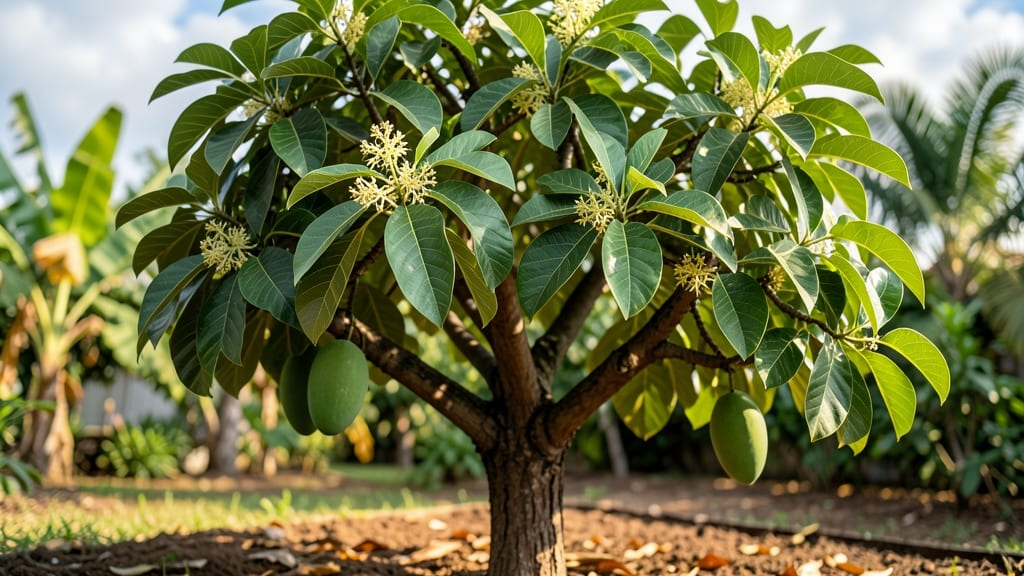
Growing a green big mango tree means turning your backyard into a tropical paradise—even if you're not in Florida. 🌿 I've grown these trees from seed, and the first time I tasted a fruit I'd nurtured from a tiny pit felt like winning the lottery.
The secret isn't just sunshine; it's understanding how to coax those massive, juicy mangoes from a plant that wants to stay small.
You'll need a warm climate (zones 10-11), but container growing extends this to cooler areas. The right soil mix—well-draining with plenty of organic matter—and consistent watering (never soggy roots) sets the foundation.
Most people struggle with fruit size because they don't know when to fertilize: heavy feeding in spring and summer encourages those signature green big mango growth spurts.
By year three, you'll see flowers, and with proper pruning (opening the canopy for sunlight), those flowers turn into fruit. The real magic happens when you learn to spot ripeness—not just color changes, but that sweet scent and slight give when you press.
One tree can produce 50+ pounds of fruit if you get everything right.
Pests like fruit flies and diseases like anthracnose are the main challenges, but early intervention keeps them in check. With patience, your tree will reward you with harvests that make grocery store mangoes taste bland. Here's how to make it happen in your space.
📚 In This Guide
- What you need
- Instructions
- Tips and common mistakes
- Wrapping up and next steps
What you need
- ● Green Big Mango Seedling or Grafted Tree: 1 healthy, disease-free sapling (age 1-3 years for best results)
- ● Alternative: A ripe green big mango (for seed propagation—see tips below!)
- ● Well-Draining Soil: 50 lbs of sandy loam soil (pH 5.0–7.0)
- ● 10 lbs of organic compost (for nutrients)
- ● 5 lbs of perlite or vermiculite (for drainage)
- ● Pot or Planting Site: Container: 15–20 gallon pot (if growing indoors/urban)
- ● Outdoor Site: Full-sun location (6+ hours/day) with wind protection
- ● Fertilizer: 1 lb of balanced 10-10-10 fertilizer (for young trees)
- ● 1 lb of citrus/mango-specific fertilizer (high in potassium and magnesium)
- ● Watering Supplies: Watering can or hose with drip irrigation capability
- ● Mulch (straw or wood chips) to retain moisture
- ● Pruning Tools: 1 pair of sterilized pruning shears
- ● 1 sharp knife (for seedling prep)
- ● 🌡️ Grow Lights: LED full-spectrum lights (if growing indoors during winter)
- ● 💡 Soil Moisture Meter: To monitor watering needs precisely
- ● 🛡️ Pest Control: Neem oil or insecticidal soap (for aphids/mites)
- ● 🌿 Companion Plants: Basil, marigolds, or lemongrass to deter pests
- ● 📏 Support Stakes: For young trees in windy areas
Step-by-step guide to growing your own green big mango tree
Here’s how to nurture a thriving mango tree from seed—tropical flavors start with patience and the right care.
🌱 Step 1: Extract and Prepare the Seed
Start with a fresh, ripe mango—avoid those that feel mushy or overly soft. Cut the fruit open and remove the large, flat seed inside. Rinse it gently under running water to remove any fruit residue, then let it dry for 24 hours on a paper towel. This prevents mold and prepares it for planting.
Once dry, you’ll notice a hard, brown shell. Use a sharp knife to carefully slice one side of the seed lengthwise, just enough to open it like a book. Inside, you’ll find a small, white embryo—the future of your tree. Pop the embryo out and set it aside. Here’s the thing—mango seeds germinate best when the embryo is exposed to air.
🪴 Step 2: Plant the Seed in a Moist Growing Medium
Fill a small pot—at least 4 inches deep—with a well-draining mix of 50% potting soil and 50% perlite or coarse sand. This combo prevents waterlogging, which can rot the seed. Moisten the mix until it’s damp but not soggy; squeeze a handful to check—it should hold its shape without dripping.
Place the exposed embryo side down into the soil, pressing it ½ inch deep. Cover it lightly with additional soil, leaving just a tiny bit of the embryo visible. Water gently until the soil is evenly moist. Mango seeds need warmth to germinate, so place the pot in a warm spot—75-85°F—like near a sunny window or on top of a fridge.
☀️ Step 3: Provide Warmth and Light for Germination
Keep the soil consistently moist but not waterlogged—water every 2-3 days until the seed sprouts. You’ll know it’s working when you see a small shoot emerge in 2-4 weeks. Once the sprout reaches 2 inches tall, it’s time to transplant it into a slightly larger pot—6 inches deep—with the same soil mix.
Move the pot to a bright, indirect light spot. Mango seedlings need 6-8 hours of light daily but avoid harsh midday sun, which can scorch tender leaves. If your space lacks natural light, supplement with a grow light kept 6 inches above the plant. Watch for the first true leaves—they’ll appear 4-6 weeks after germination and signal it’s time to start fertilizing lightly.
🌿 Step 4: Transition to Outdoor Conditions
After 6 months, when the seedling is 1-2 feet tall and has 5-6 leaves, it’s ready for outdoor life. Choose a sunny, sheltered spot with partial shade during the first week. Harden it off by placing it outside for 1-2 hours daily, gradually increasing exposure over 10-14 days. This helps it adjust to wind and sunlight without shock.
Once fully transitioned, plant it in a large container or directly in the ground if your climate is USDA Zones 10-11. Mangoes thrive in warm, humid conditions and need well-draining soil. Mulch around the base to retain moisture and protect roots. You’ll see new growth within 2-3 weeks—a sign your tree is settling in.
⏰ Step 5: Care for Long-Term Growth and Fruit
Water deeply once a week, ensuring the soil stays moist but not waterlogged. Mango trees are drought-tolerant once established, but young trees need consistent moisture. Fertilize every 2 months with a balanced, citrus-friendly fertilizer during the growing season. Prune lightly to shape the tree and remove dead branches, but avoid heavy pruning—mangoes fruit on new growth.
Real talk: It takes 3-5 years for a mango tree to bear fruit, but the wait is worth it. Watch for white flowers in spring—they’ll turn into fruit within 4-6 months. With patience and the right care, you’ll enjoy homegrown mangoes straight from your backyard.
Tips & tricks for growing a thriving mango tree
Here's what I learned after watching my first mango seedling grow from a tiny sprout to a leafy wonder.
Seed Selection Tip: Choose your mango carefully—varieties like 'Keitt' or 'Haden' produce larger seeds that tend to germinate more reliably. Avoid overly ripe or fermenting fruit, as the seed quality suffers. The fresher the mango, the better your starting point. I've found that seeds from organic mangoes often have fewer contaminants too.
Germination Warmth Hack: That 75-85°F range is crucial, but here's the secret: place your seedling pot on top of your refrigerator (not inside) for consistent warmth without heat fluctuations. I've also used a seedling heat mat set to 80°F for stubborn seeds that needed that extra nudge. Just watch for condensation—too much moisture can cause mold.
Light Transition Strategy: When moving your 2-inch seedling to brighter light, do it gradually over 3-4 days. Sudden exposure to full sun can scorch those delicate leaves. I start with morning sun only, then slowly increase exposure. For indoor growers, a south-facing window with sheer curtains works best—it filters harsh rays while providing plenty of light.
Outdoor Hardening Timeline: The 1-2 hour daily outdoor sessions should happen during the warmest part of the day (10am-2pm). I've seen seedlings shocked when exposed to cool morning air or evening chill. After those 10-14 days, you'll notice the leaves develop a deeper green color—your tree's way of saying "I'm ready for more!"
Pro Tips for Green Big Mango
- Here's what I learned after watching my first mango seedling grow from a tiny sprout to a leafy wonder.
- Seed Selection Tip: Choose your mango carefully—varieties like 'Keitt' or 'Haden' produce larger seeds that tend to g...
- Germination Warmth Hack: That 75-85°F range is crucial, but here's the secret: place your seedling pot on top of your...
Frequently asked questions
Got questions about growing your own green big mango? You’re not alone—this tropical fruit can be tricky for beginners! Here are the answers to the most common queries to help you grow like a pro.
How long does it take for a green big mango tree to bear fruit?
A green big mango tree typically takes 3 to 5 years to produce fruit from seed, though grafted trees may bear fruit in as little as 1.5 to 2 years with proper care. Patience is key—focus on nurturing strong roots and a healthy canopy first!
Can I grow a green big mango indoors?
While possible, green big mangoes thrive outdoors in warm climates (USDA zones 10-11). If you’re in a cooler area, try growing it in a large container and move it indoors during winter. Ensure it gets bright, indirect light and maintain humidity to mimic tropical conditions.
What’s the best way to pollinate a green big mango tree?
Mango trees rely on bees and wind for pollination. To help, plant two or more trees nearby for cross-pollination. If bees are scarce, gently shake branches during morning bloom time to release pollen. Avoid overdoing it—too much shaking can damage flowers!
Why are my green big mango flowers falling off?
Flower drop is common due to stress, temperature swings, or poor nutrition. Ensure your tree gets consistent watering (not soggy soil) and balanced fertilizer (high in potassium and phosphorus). Avoid sudden cold snaps—mangoes hate temperatures below 50°F (10°C).
Are green big mangoes safe to eat when still green?
Nope! Green big mangoes must ripen fully on the tree or off (at room temperature) to develop their signature sweetness. A ripe mango will give slightly when gently pressed near the stem. If it’s still hard, it’s not ready—patience pays off for that juicy, tropical flavor!
What are some easy alternatives if green big mangoes are too hard to grow?
If mangoes seem too challenging, try these low-maintenance tropical fruits:
Still want that mango taste? Opt for grafted saplings for a head start!
Wrapping up and next steps
Growing a green big mango in your backyard isn’t just a dream—it’s a delicious, rewarding reality!
With the right soil, climate, and care, you can enjoy homegrown tropical sweetness year after year. 🌱✨ Whether you’re a seasoned gardener or just starting, every step you take brings you closer to that juicy, vibrant payoff.
Ready to take the next step? Start by planting your first sapling or seedling this season—your taste buds (and dinner table) will thank you! Happy growing!